

NASA
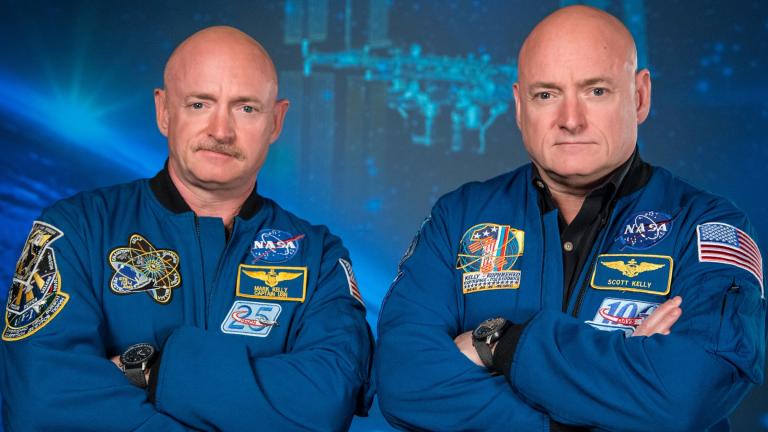
A groundbreaking study concludes that human health can be “mostly sustained” for a year in space, a key finding that figures to help NASA with its mission of sending humans to Mars within two decades.
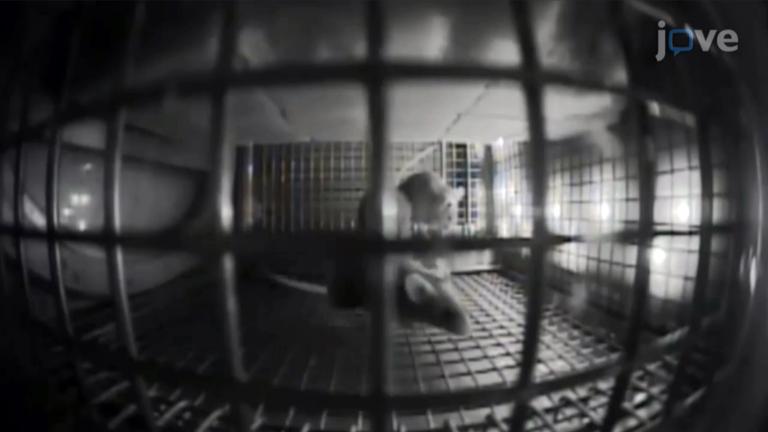

An ongoing NASA study aided by Northwestern researchers sent mice into orbit with the goal of learning more about the physiological effects of living in space.
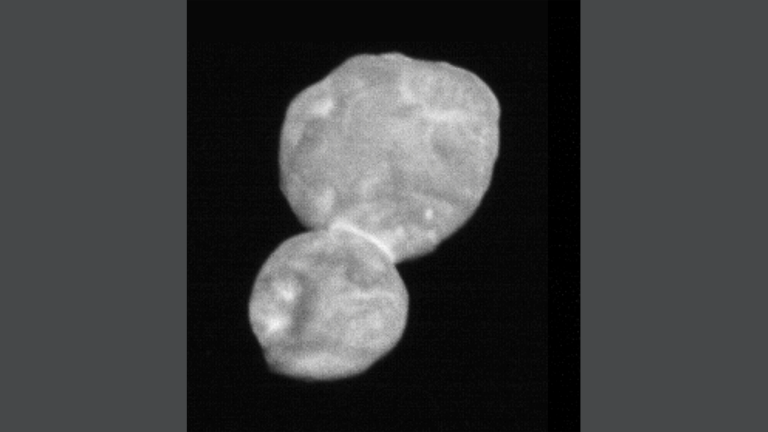
Ultima Thule, the relatively tiny object in the outer solar system, is now the farthest cosmic body to be reached by humans. We hear from the lead scientist behind the farthest flyby ever.
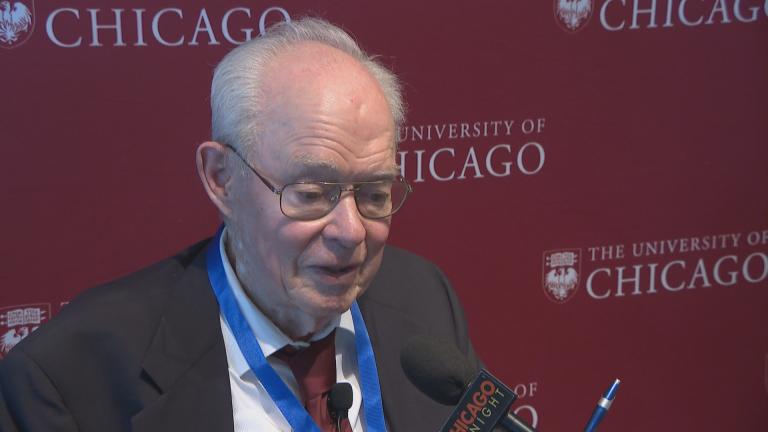
Next week, the retired University of Chicago astrophysicist, 91, will watch as a probe named in his honor is launched from the Kennedy Space Center and catapulted to the sun’s corona.
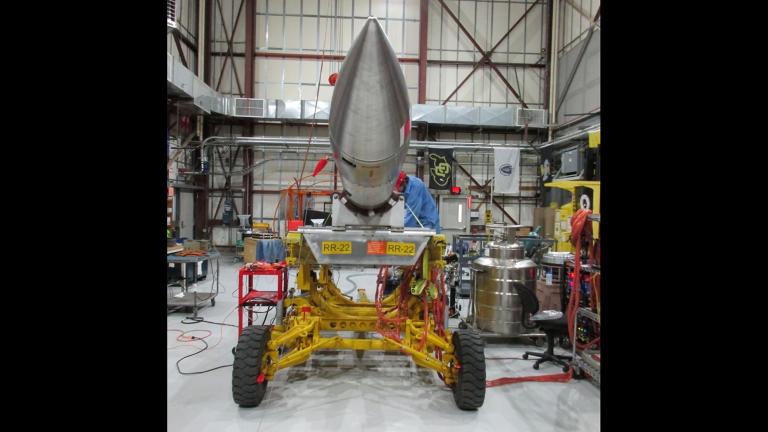
Scientists are preparing to launch a rocket in New Mexico that’s equipped with a new high-powered device that will capture unprecedented images of astronomical objects.
Nearly two dozen laboratory mice will be launched into orbit next week as part of a Northwestern-led research mission to learn more about the physiological effects of living in space.

A tantalizing discovery suggests that life could once have existed on Mars – and may still exist today. We get the latest on the red planet with Adler Planetarium astronomer Mark Hammergren.

A conversation with NASA research scientist Rosaly Lopes, who will be recognized this week at an event celebrating women in space science.
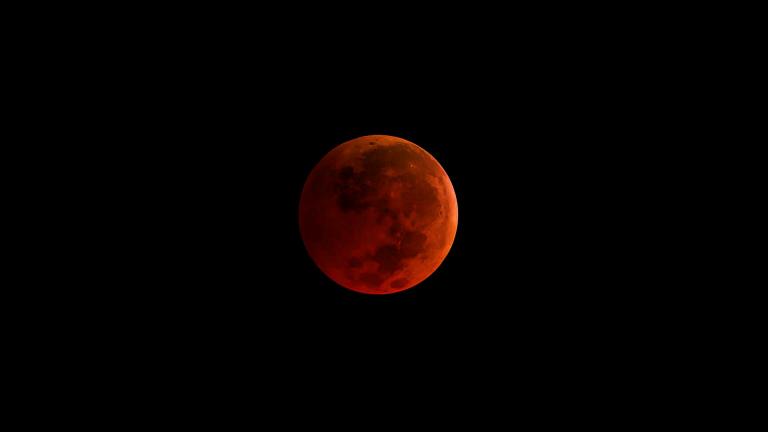
Wednesday’s “super blue blood moon” marks the convergence of three lunar events, but it will hardly be visible to viewers in Chicago.
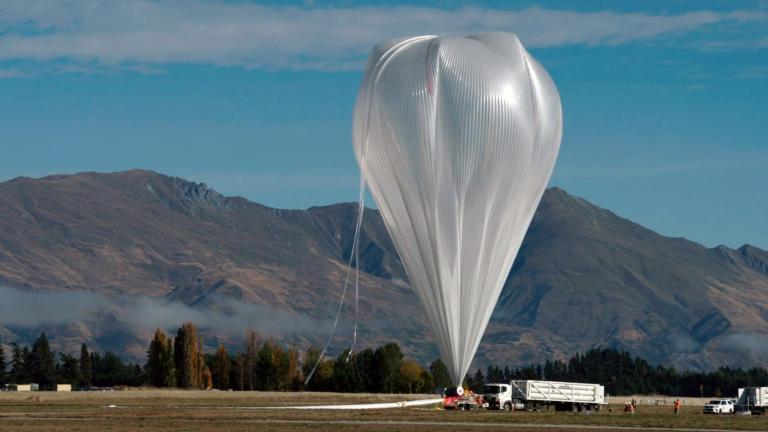
A team led by University of Chicago professor Angela Olinto will use a NASA super pressure balloon to study mysterious cosmic rays that could offer groundbreaking new insights about the universe.
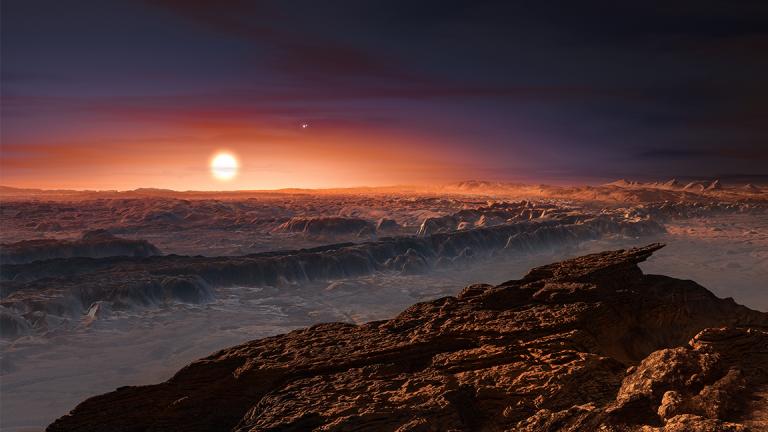
Viewers on four continents will watch a virtual presentation hosted by Adler Planetarium in early November to learn about the possibility of life on other planets.
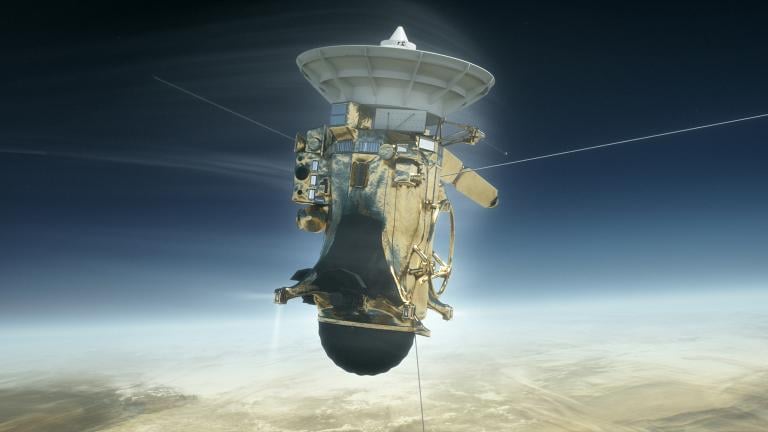
The Cassini mission has completely transformed our understanding of Saturn and identified two moons that could potentially harbor life. On Friday morning, the journey will come to a fiery end.

Videos of the eclipse from Chicago’s Adler Planetarium and multiple spots across the U.S. from NASA, plus safety tips, Chicago watch parties and more.
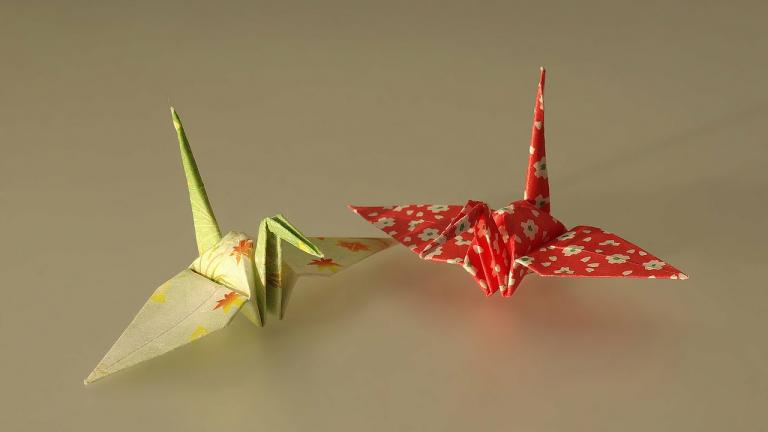
Rabiah Mayas returns to explain why NASA needs your origami skills and other stories from the world of science.
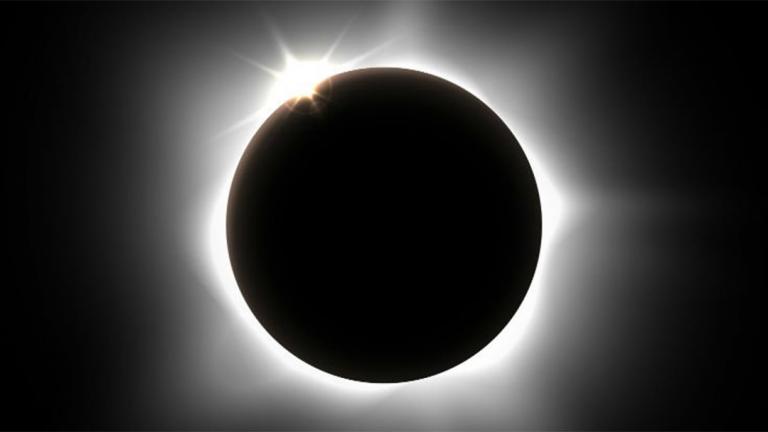
Are you ready to party like it’s 1925? That’s the last year Chicago experienced a solar eclipse like it will next month. To celebrate, the Adler Planetarium is hosting a daylong block party, and you’re invited.
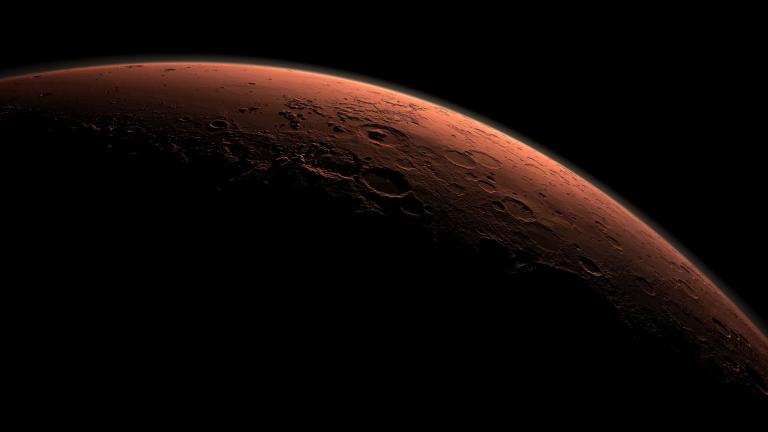
Adler Planetarium astronomer Lucianne Walkowicz will spend the next year figuring out how humans can get along while exploring one of the more curious planets in our solar system: Mars.
Trending
2026 Chicago Festival Guide

CPD Officer Who Fired 3 Shots at Suspected Carjacker on 606 Trail Faces Firing: Records

Interim NITA Director Earning $350K Salary While Also Collecting $213K Annual City Pension, Records Show

Firm Set to Buy Chicago’s Parking Meters Sells Airline That Carried Out Deportations

Chicago Woman Accused of Social Security Fraud After Hiding Mother’s Body in Freezer for 2 Years

Sign up for the WTTW News newsletter