

Hedy Weiss
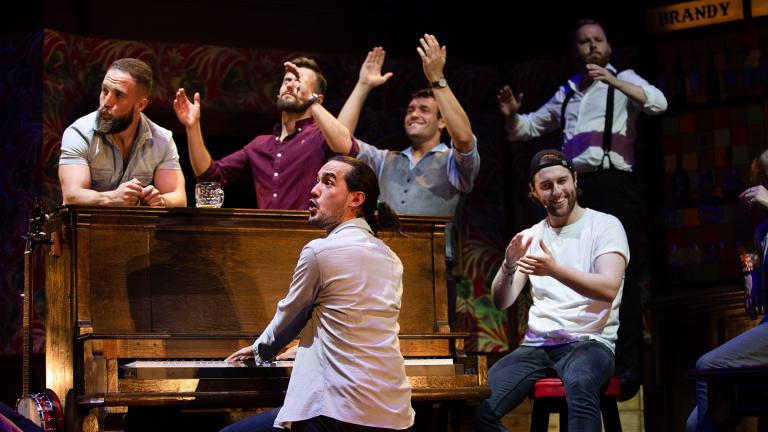
Lift a glass and make a toast to the musical and verbal talents of some Emerald Islanders who have arrived on the shores of Lake Michigan for brief stays.
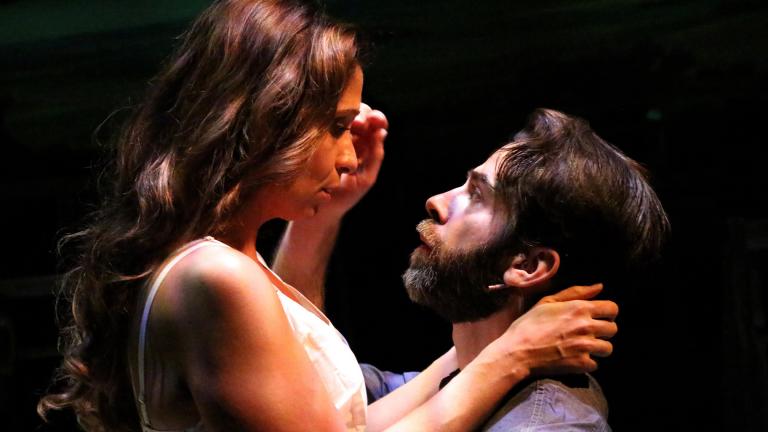
This is one of those productions that makes you wish the show’s composer and writer would make a quick trip to Chicago to see their work in what might just be its ideal incarnation.
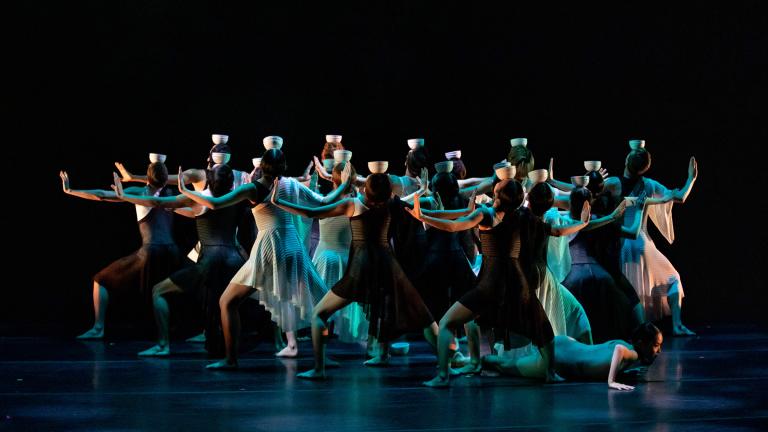
From the performers’ dazzling technical skill and emotional conviction to the sophistication and complexity of each choreographer’s work, this program of four world premiere works was remarkable on many levels.
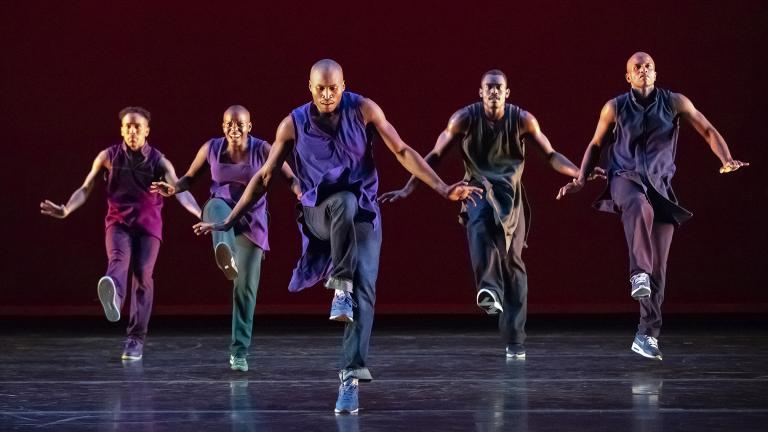
Alvin Ailey American Dance Theater returns to Chicago with three different lineups, including an opening program that captures its illustrious history with an absolutely fascinating, generation-shifting juxtaposition of two pieces.
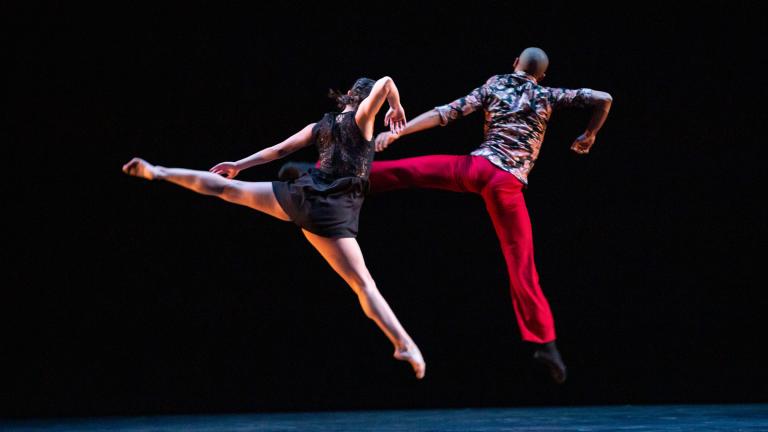
A stunning program interlaced the formidable talents of dancers and choreographers from each company, suggesting that the two, if not quite identical twins, are the very closest of kissing cousins, different only in some distinctive rhythmic impulses.
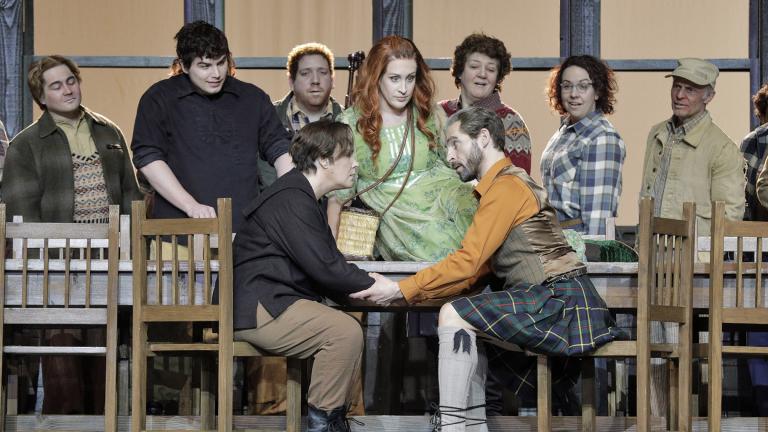
British director Richard Jones has attempted to yank Handel’s rarely mounted Baroque opera into a more modern era by devising a wholly gratuitous, meaningless and needlessly coarse vision of the work. I just didn’t buy it.
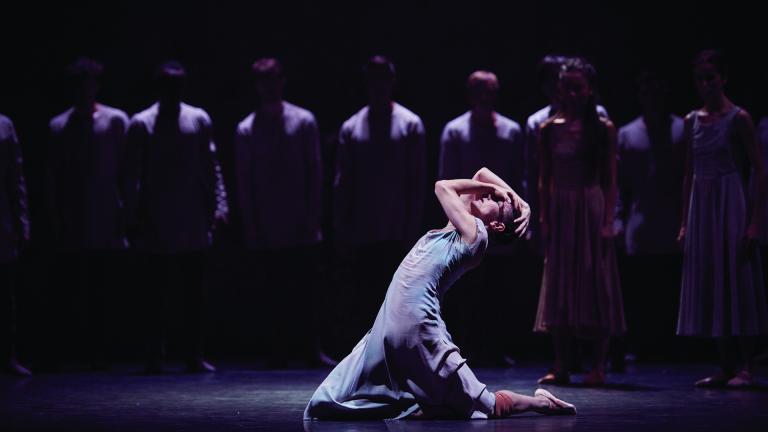
Akram Khan’s “Giselle” is a hypnotic stunner that injects a primal scream into a story of romantic betrayal and class warfare whose mystical element has long captivated audiences.
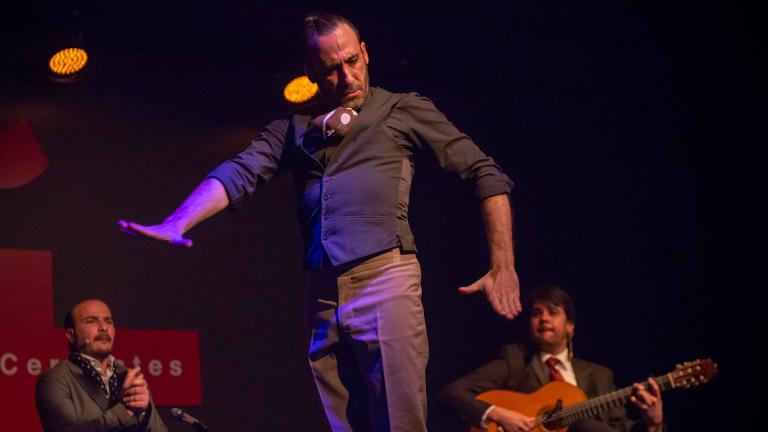
From flamenco to contemporary to ballet, dance takes over Chicago area stages this month.
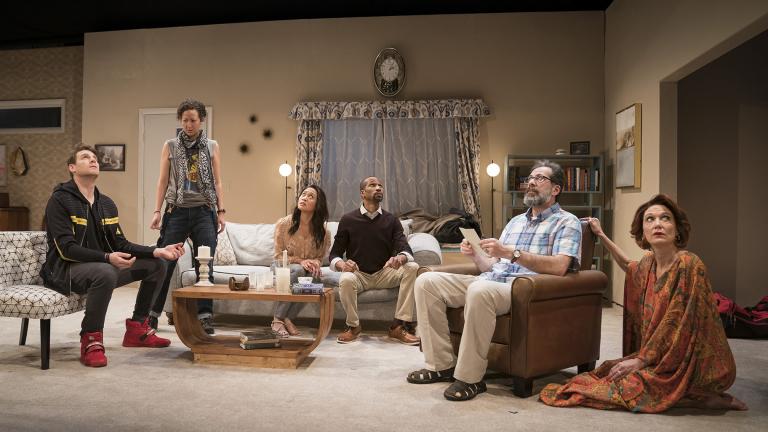
This feverishly verbal play, now receiving its world premiere at Lookingglass Theatre, poses some epic, cosmic questions while capturing the more familiar aspects of family relationships and identity crises. But it supplies no answers.
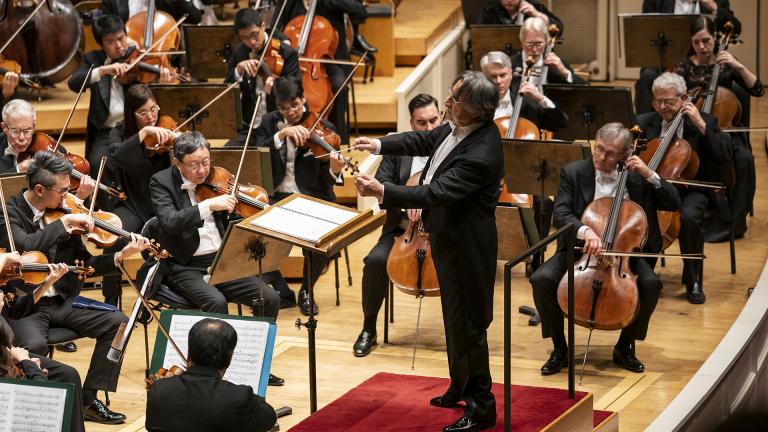
The CSO’s current program features two radically different pieces: American composer William Schuman’s haunting “Symphony No. 9” and Mozart’s glorious “Requiem in D Minor.”
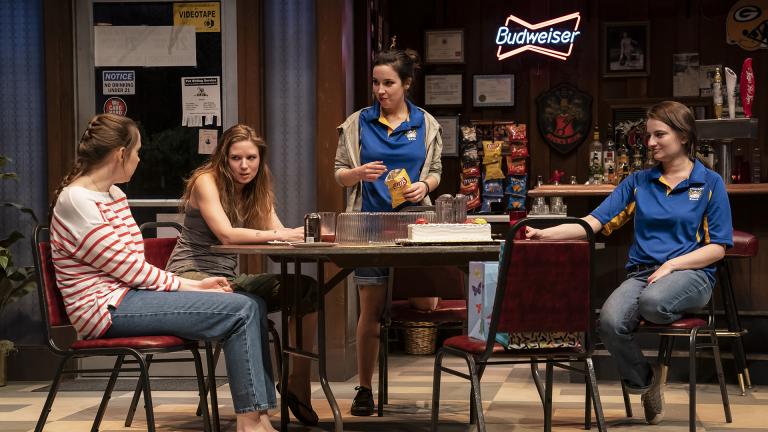
“Twilight Bowl” is a telling depiction of a crucial transitional period in the lives of a cross-section of young women who are at once lost and found in the American heartland.
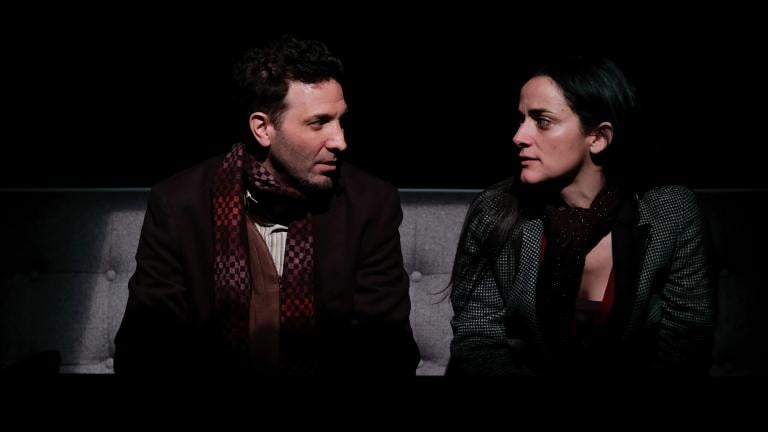
Stephanie Alison Walker’s new play serves as a chilling reminder of a particularly horrific period in Argentina’s history when, from 1976 to 1983, that nation was under the thumb of a brutal military dictatorship.
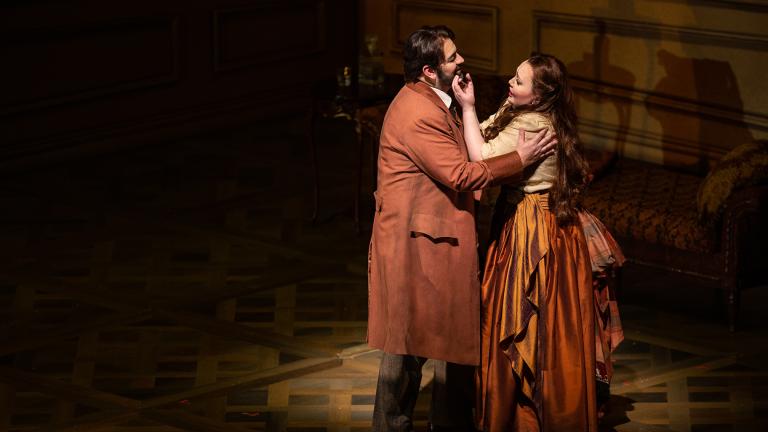
The beauty of this production goes beyond the absolute glory of Giuseppe Verdi’s impassioned, vocally demanding score. And while the voices are uniformly superb, so is the almost conversational style of acting.
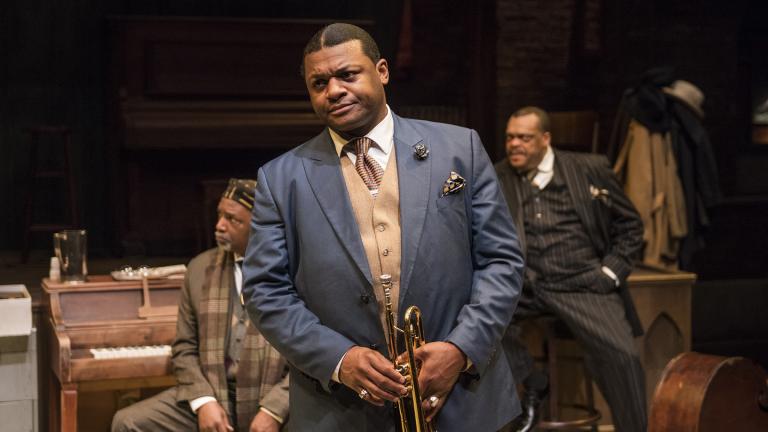
The harmonies, dissonances and inflections of the conversations among the four men who form Ma Rainey’s fractious band are something of a spoken-word blues opera in this Writers Theatre revival.
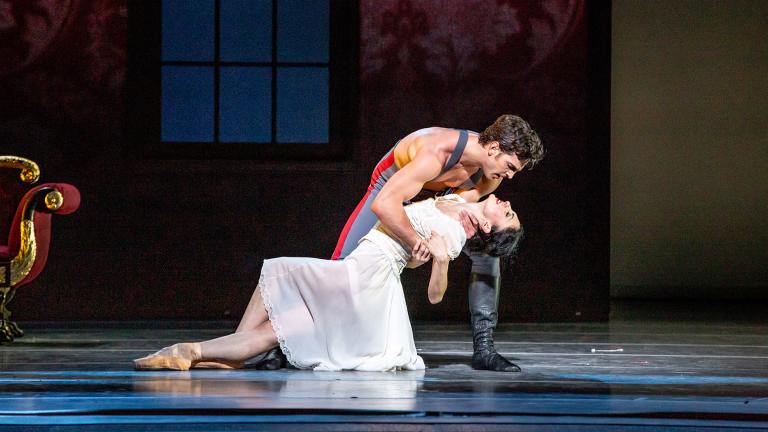
This haunting, visually fascinating interpretation of Leo Tolstoy’s massive 1877 novel serves as the latest evidence of the unique ability of the Joffrey to turn dance into riveting, multi-dimensional theater.
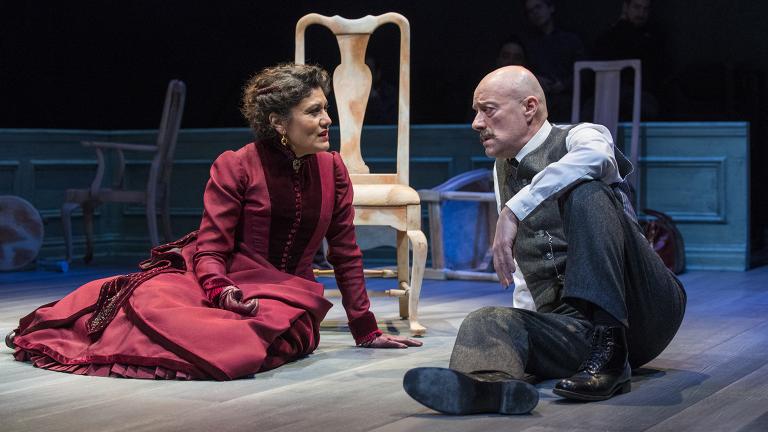
This sequel to Henrik Ibsen’s groundbreaking play – now receiving its Chicago debut at Steppenwolf Theatre – arrives at a moment when a whole new tsunami-like wave of feminist rebellion has gathered force.
Trending
A CTA Bus Driver Was Attacked on the Job. She Was Later Fired While on Leave

Pritzker, Bailey Square Off in Contentious Discussion Over Taxes, Trump and Bears

Top Cop Agrees to Fire Chicago Police Officer Who Repeatedly Used Racial Slurs: Records

After City Council Refused to Settle, Jury Rejects Lawsuit Filed by Family of Woman Killed by Driver Chased by CPD

Changes Are Coming to CTA, Metra and Pace. Hear From the Leaders of Their New Oversight Agency

Sign up for the WTTW News newsletter