

Pollution
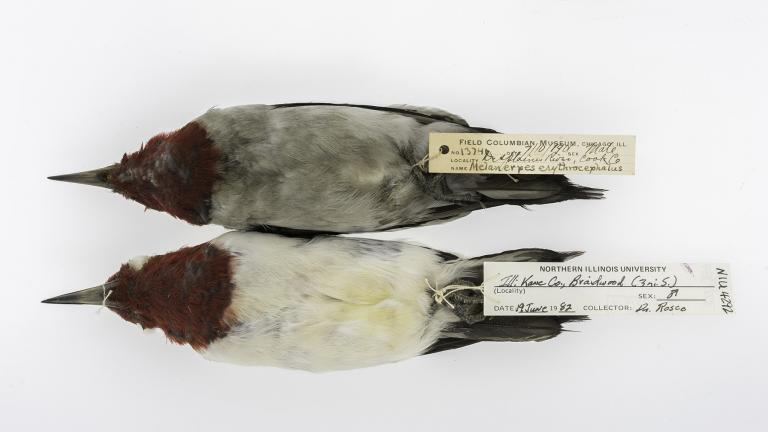
Researchers analyzed 1,000 birds collected over the last 135 years by the Field Museum and other institutions to track the amount of soot in the air of Rust Belt cities.
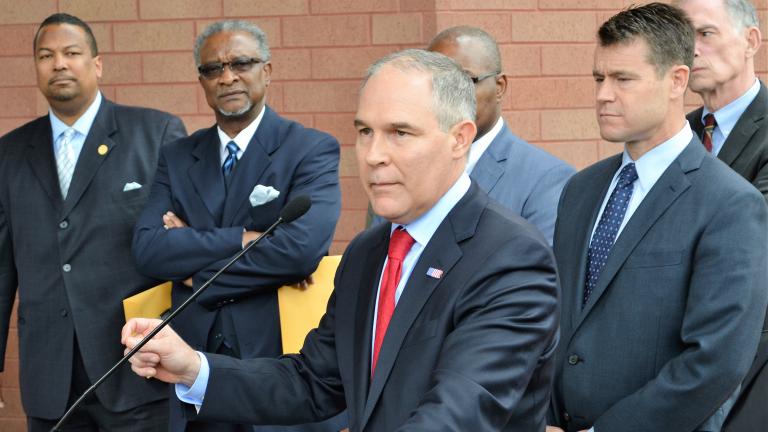
Since 2010, the EPA has cited an East Chicago steelmaking facility six times for violations of the Clean Air Act. Now, a group representing nearby residents intends to sue EPA Administrator Scott Pruitt over the renewal of the company’s operating permit.
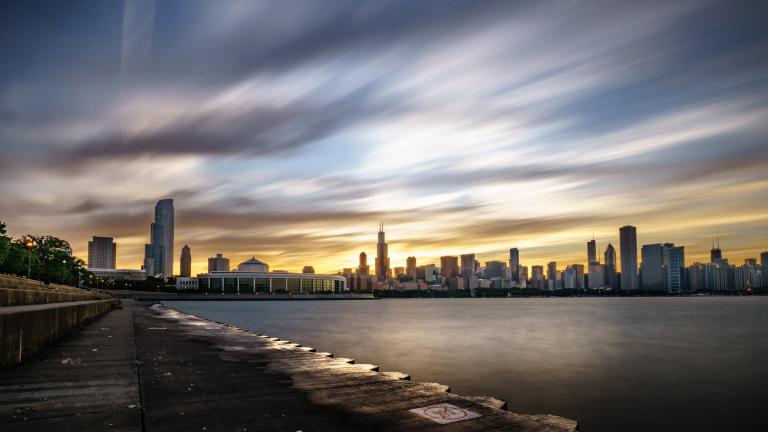
Researchers from the University of Chicago and University of Illinois at Chicago will join forces to study the health effects of pollution on local residents, thanks to a $4 million grant from the National Institutes of Health.
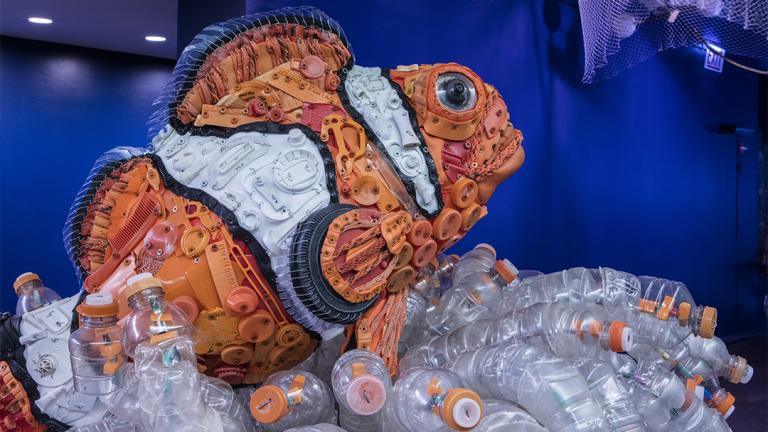
Sea creatures made from flip-flops, beach toys, water bottles and other plastic garbage that washed ashore are part of a new exhibit illuminating the proliferation of pollution in the world’s waterways.
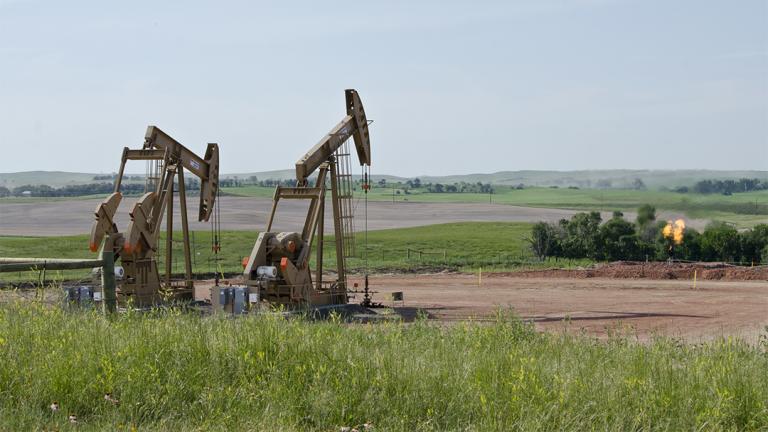
A Kansas company that last week won approval of Illinois’ first horizontal fracking permit has been cited with more than two dozen violations in multiple states, records show.
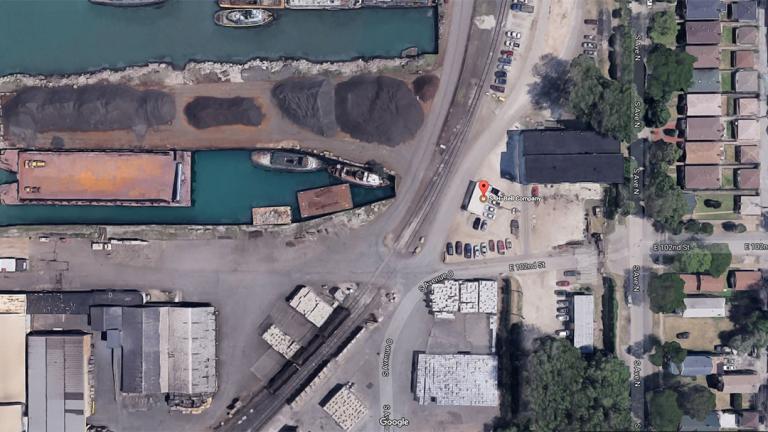
Chicago public health officials have given the Southeast Side company an additional week to come up with an improved plan for reducing emissions of manganese dust.
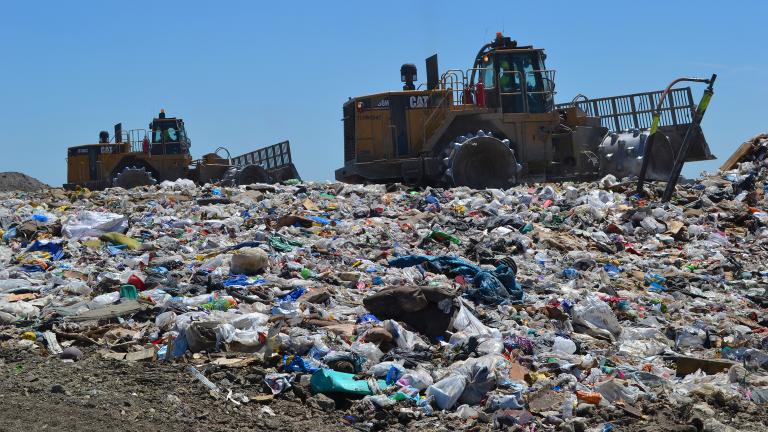
Instead of dumping it in landfills, organic waste could be used to power cars, heat homes and potentially reduce the need for new landfills in the U.S., according to research by Argonne National Laboratory.
Despite more than 5,000 public comments opposing the permit, the Illinois Department of Natural Resources this week approved an application for the controversial oil-drilling practice.
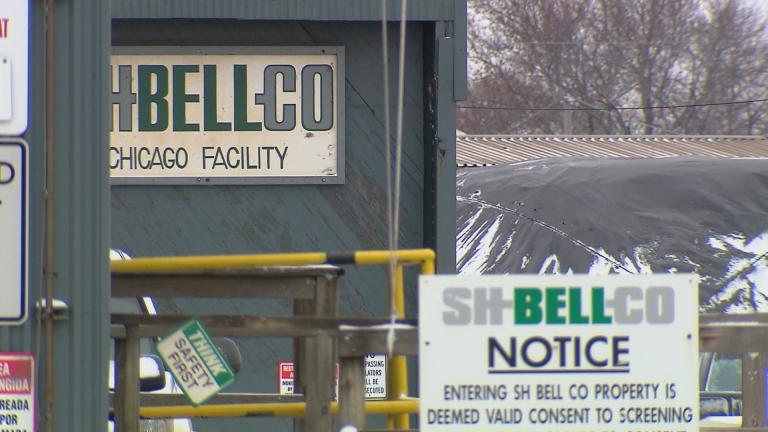
A Chicago company has until Sept. 6 to submit a plan for reducing brain-damaging manganese dust that has been found nearby in a primarily low-income, minority neighborhood on the Southeast Side.
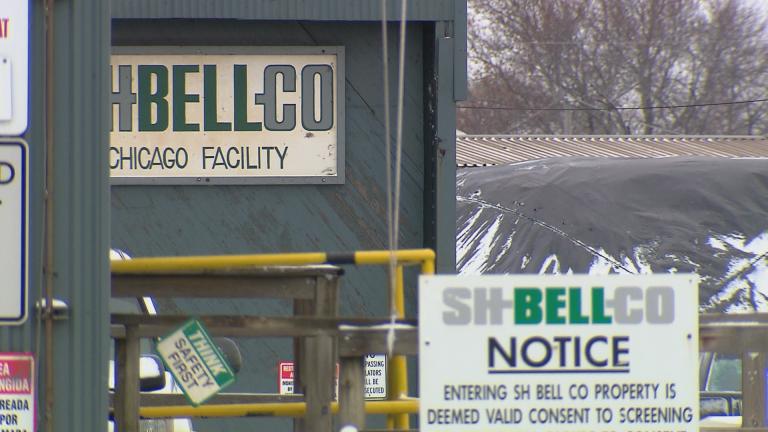

The bulk storage operator on Chicago’s Southeast Side has exceeded a federal threshold for emissions of toxic manganese dust, according to new air monitoring data published by the EPA.
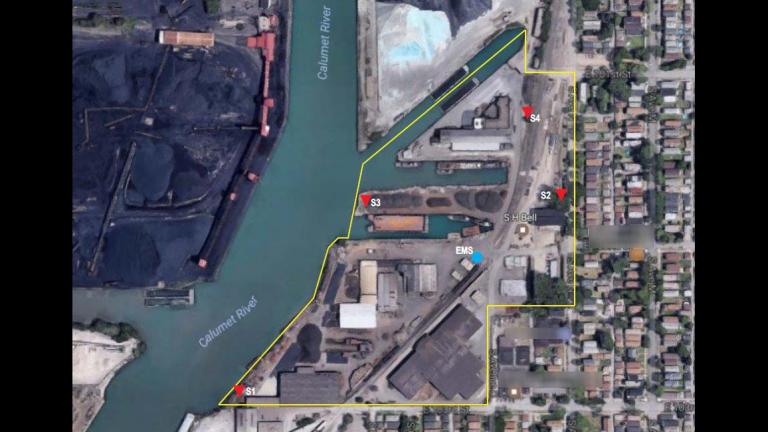
The city will monitor soil and air pollution near residents’ homes and begin increased inspections of industrial sites.
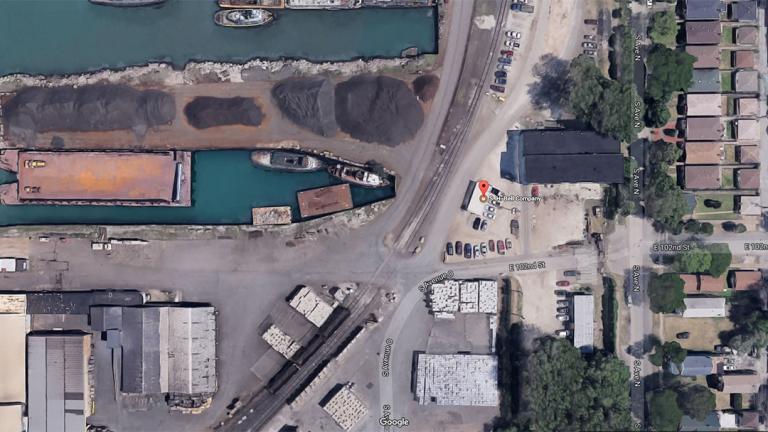
A Chicago neighborhood once permeated with black dust from uncovered piles of petroleum coke now faces another toxic pollutant, but one that is not as visible or widespread.
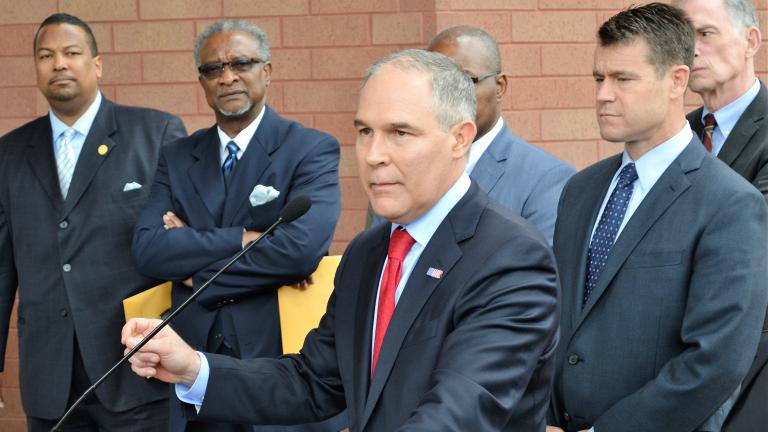
Environmental Protection Agency chief Scott Pruitt said he does not believe in “regulation through litigation,” but his stance appears to be subject to change.
Chicago researchers are looking for lead, manganese and other metals that could affect lung function in children with asthma.
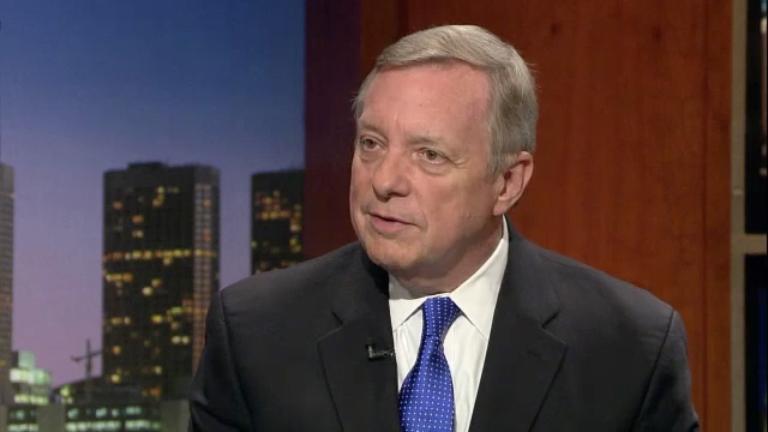
The Illinois senator is calling on federal environmental and public health regulators to conduct a new assessment of toxic pollutants in one of the city’s most industrialized areas.
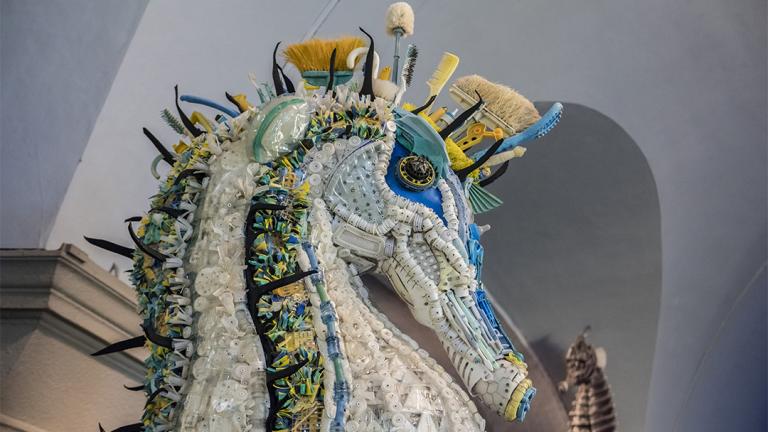
Stella the Seahorse is the first of 19 marine animal sculptures made from plastic debris on display at Shedd Aquarium.
Trending
Who Is Running, or Thinking About Running, to Become Chicago’s Next Mayor

Suspend CPD Officers, Sergeant Repeatedly Accused of Making Improper Traffic Stops for a Combined 330 Days: Police Brass

Johnson’s Debt Refinancing Plan Results in Just Half of What He Promised, Forcing Officials to Scramble to Fill Budget Gap

No Tax Hikes or Layoffs Needed to Close Cook County’s $550M Gap Thanks to ‘Budget Magic’: Preckwinkle

Hilario Dominguez, Candidate for CPS Board President, Defends Conduct as Watchdog Reopens Probe Into Inappropriate Behavior Allegations

Sign up for the WTTW News newsletter