

Pollution
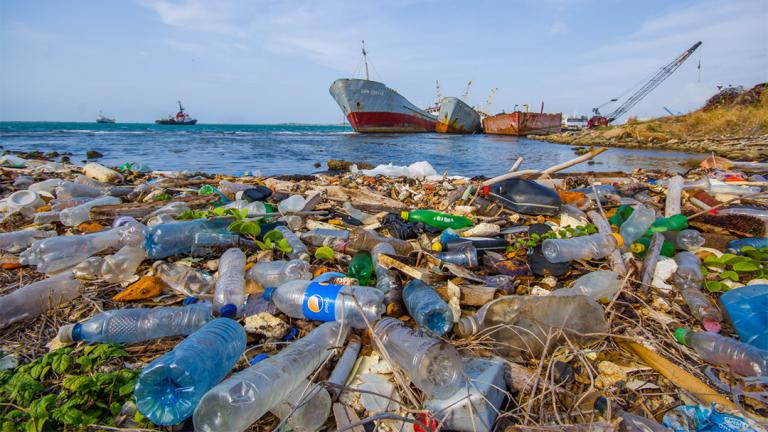
First went the plastic bags, then the plastic straws. Now they’re coming for more. The Shedd Aquarium announces a new initiative to significantly reduce or eliminate the use of disposable plastic bottles by 2020.
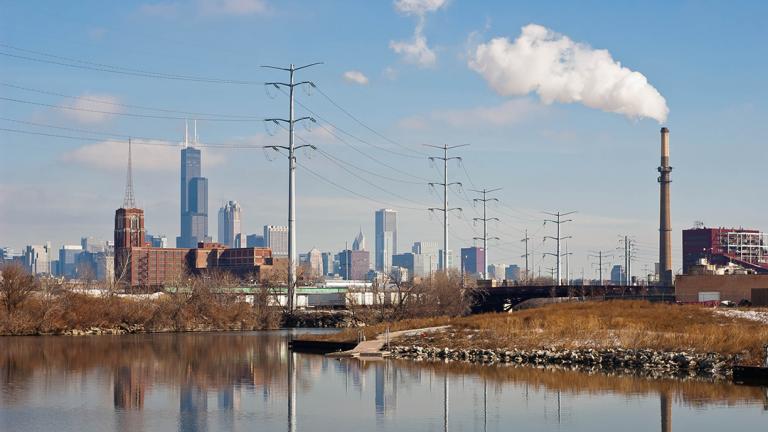
A coalition of attorneys general and the city of Chicago is prepared to challenge the Trump administration’s environmental policies in court.
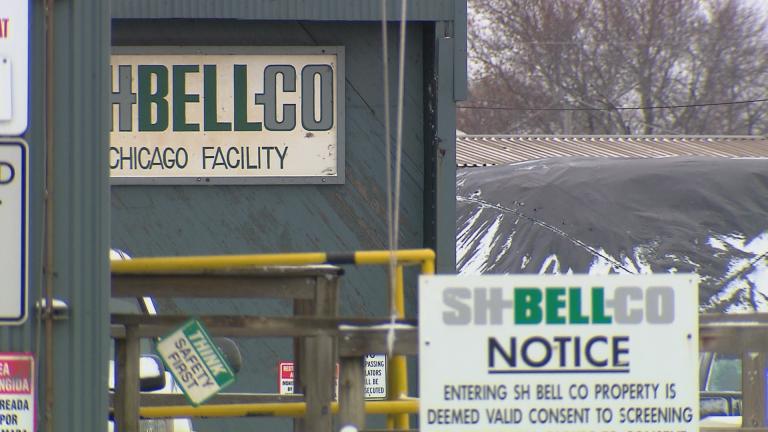
Newly released data from air monitors on Chicago’s Southeast Side shows higher levels of manganese than previously recorded, prompting renewed calls for a ban of the toxic metal, which can cause nervous system damage at high exposures.
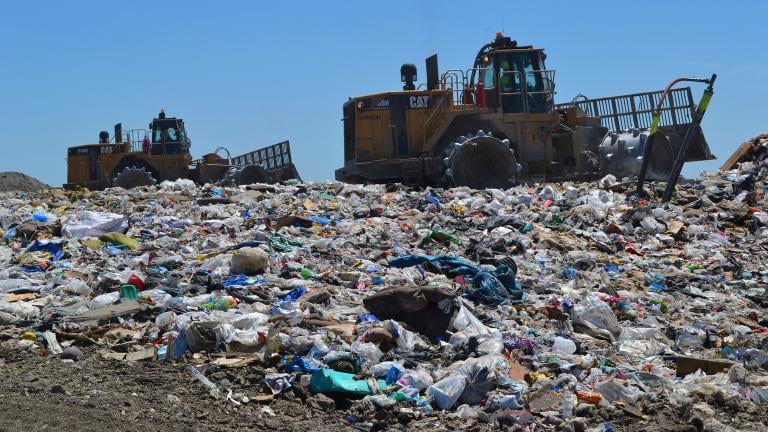
About 5,000 tons of trash from the Chicago area is dumped every day at a landfill in Livingston County, but hardly any of it goes to waste. How yesterday’s trash becomes tomorrow’s energy.

Americans use an estimated 500 million straws each day, but a Shedd Aquarium initiative is trying to put a dent in that figure. Last week, nearly two dozen restaurants joined the effort.


Issues impacting the Great Lakes and communities surrounding the massive freshwater system will be at the center of a two-day conference in Chicago starting Wednesday.

A company on the West Side of Chicago has been cited for improperly storing chemicals and threatening public health, according to a suit filed by Illinois Attorney General Lisa Madigan.
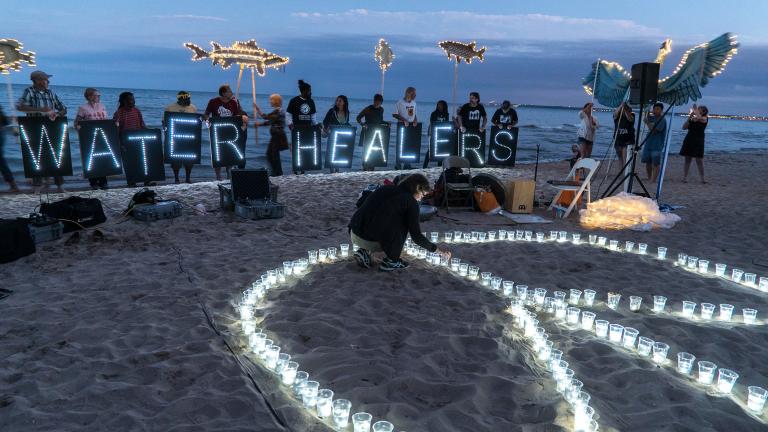
Organizers of a clean water summit in Chicago next week hope to draft a plan for replacing the city's nearly 400,000 lead water pipes.

A west suburban forest preserve is dispatching an army of freshwater mussels to clean up contaminated waters. “They may be small, but they have enormous beneficial effects on the lives of other organisms,” said one staff member.
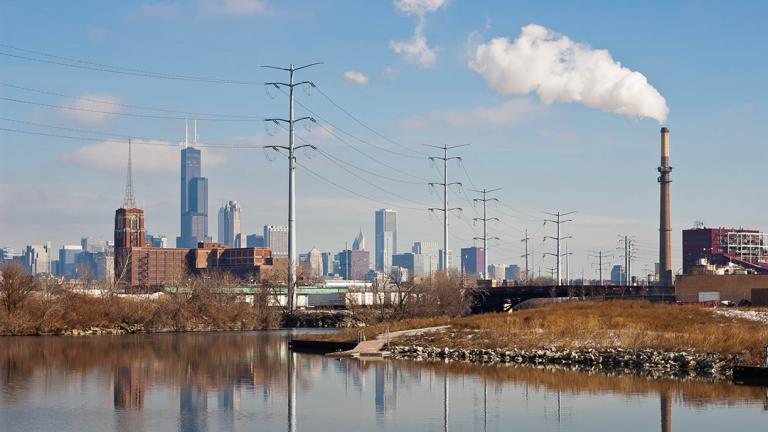
Illinois Attorney General Lisa Madigan joined a group of 16 attorneys general last week in urging Congress to reject the rollback of standards that combat pollution and protect air quality.
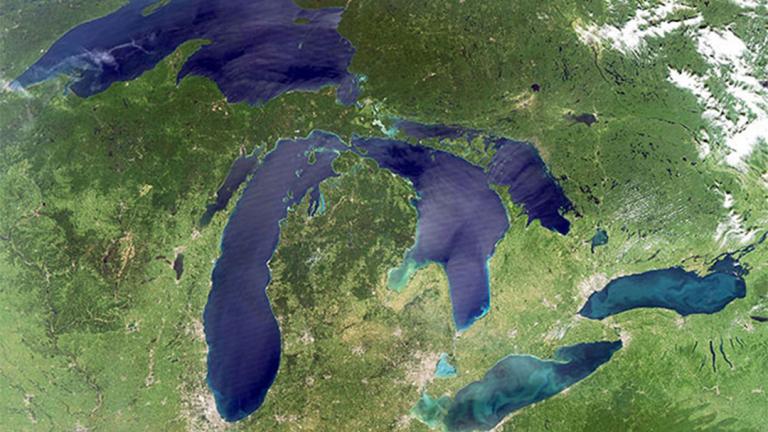
With nearly $300 million in federal funding on the chopping block, leaders from across the Great Lakes region will convene next month in Chicago to address lead poisoning, oil pipelines and other threats to the area’s waters.

A spill last week at a U.S. Steel site in Northwest Indiana released an unknown amount of a potentially carcinogenic chemical into a Lake Michigan tributary, prompting the closure of three beaches at Indiana Dunes National Lakeshore.
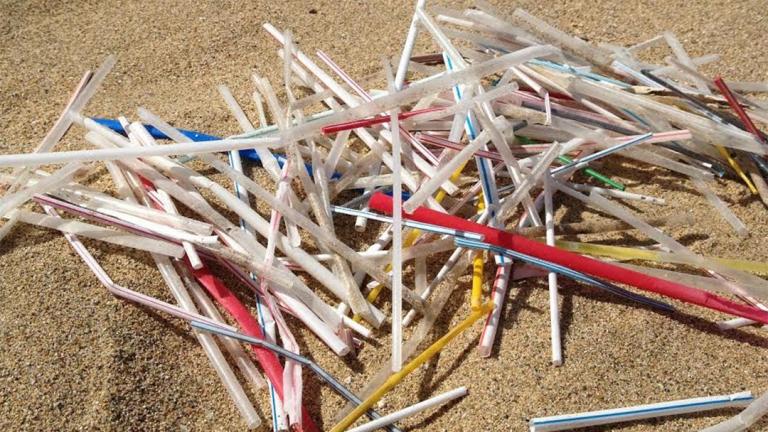
With an eye toward Earth Day, Shedd Aquarium has launched a campaign encouraging people to switch from single-use plastic straws to reusable or biodegradable alternatives.

In 2015, Chicago air pollution reached elevated levels for a total of 151 days, a new report shows, increasing the risk of premature death, asthma attacks and other negative health effects for city residents.
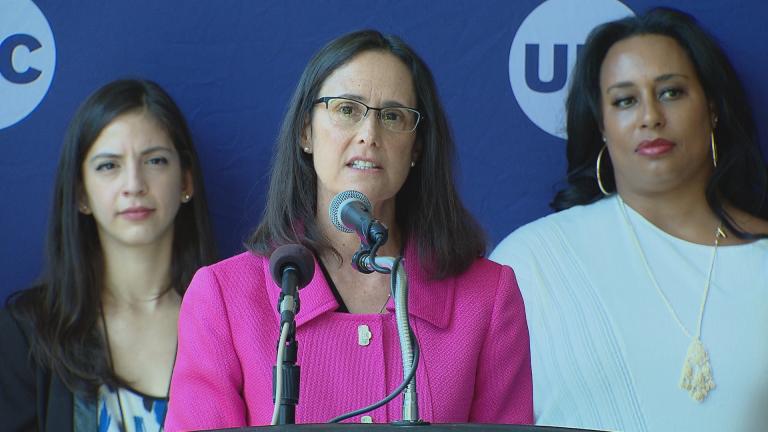
Illinois and nine other states are threatening to sue the Trump administration over delayed implementation of energy efficiency standards.

A community group has drawn up a plan to guide redevelopment of a heavily industrialized area in Chicago.
Trending
Who Is Running, or Thinking About Running, to Become Chicago’s Next Mayor

Suspend CPD Officers, Sergeant Repeatedly Accused of Making Improper Traffic Stops for a Combined 330 Days: Police Brass

Johnson’s Debt Refinancing Plan Results in Just Half of What He Promised, Forcing Officials to Scramble to Fill Budget Gap

No Tax Hikes or Layoffs Needed to Close Cook County’s $550M Gap Thanks to ‘Budget Magic’: Preckwinkle

Hilario Dominguez, Candidate for CPS Board President, Defends Conduct as Watchdog Reopens Probe Into Inappropriate Behavior Allegations

Sign up for the WTTW News newsletter