

Chicago Finances

Eleven firms are interested in building or operating a casino in Chicago — and eight told Mayor Lori Lightfoot that it should be downtown, according to a limited summary of the proposals submitted by firms released by the mayor’s office.
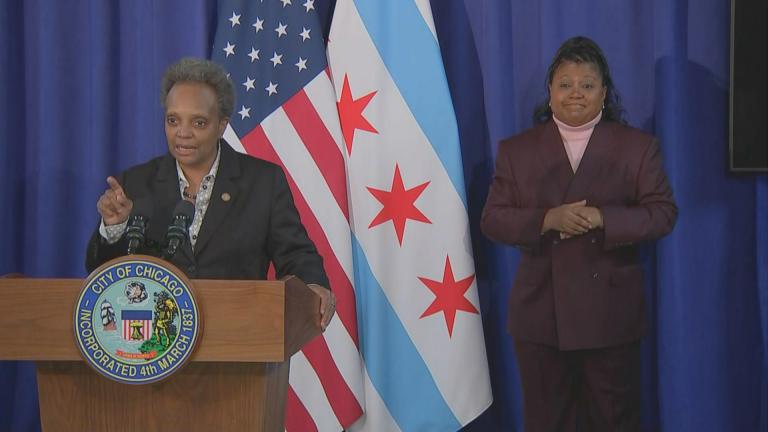
The budget passed despite opposition from two main groups of aldermen: those who represent wards where a property tax hike of $93.9 million will hit hardest and aldermen who favored deep cuts to the police budget.
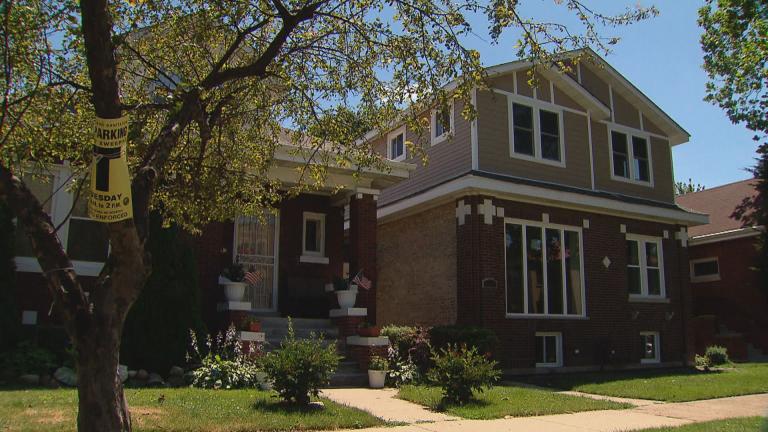

Ahead of Tuesday’s vote, Mayor Lori Lightfoot is urging aldermen to support the plan she crafted to close a $1.2 billion budget deficit in 2021. Four aldermen sound off the plan.

A newly released five-year plan to invest in Chicago’s roads, bridges, bikeways and other infrastructure needs is a welcome shift away from short-term, less comprehensive projects, some analysts and city officials say.

The Chicago City Council is poised to approve Mayor Lori Lightfoot’s $12.8 billion spending plan for 2021 after the plan advanced on Thursday with a 26-8 vote of the Budget and Government Operations Committee.
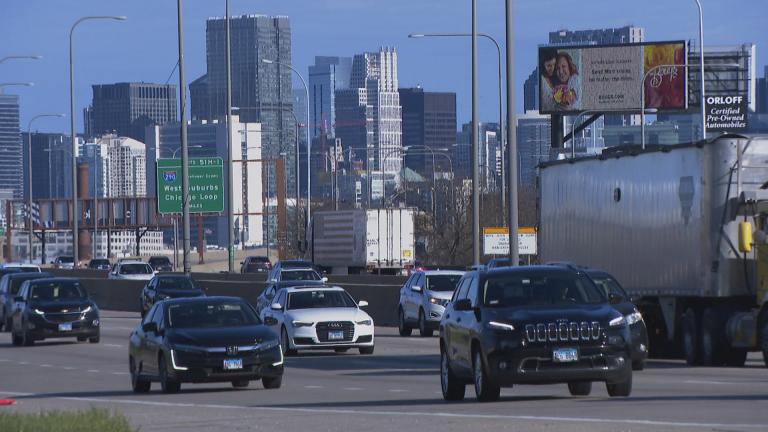
A plan to borrow $1.4 billion to repair Chicago’s crumbling streets, sidewalks, bridges and shoreline during the next five years advanced Wednesday with a 22-10 vote of the City Council’s Finance Committee.
The City Council’s Finance Committee advanced Mayor Lori Lightfoot’s $12.8 billion spending plan to the full City Council on a 21-12 vote Wednesday.
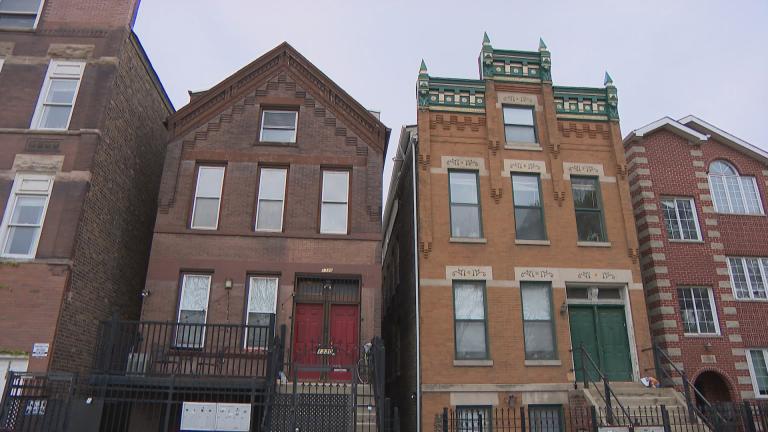
Aldermen from across the political spectrum pressured Mayor Lori Lightfoot’s budget team on Tuesday to come up with a proposal to head off a $93.9 million property tax hike.
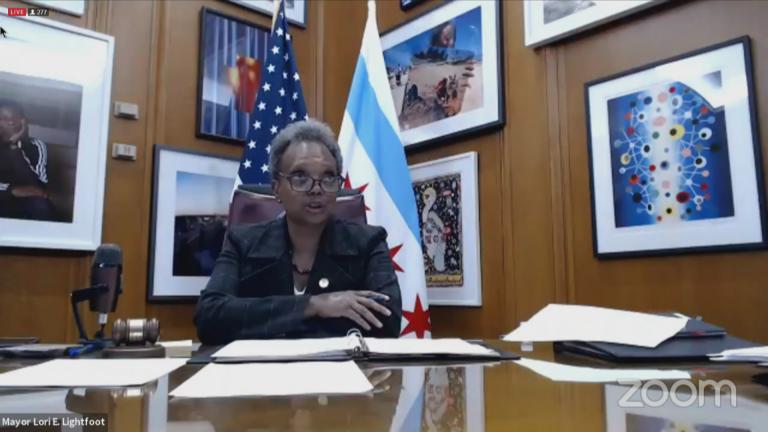
A trio of budget ordinances backed by progressive aldermen failed to advance Monday, as a fiscal watchdog warned that Mayor Lori Lightfoot’s plan to borrow $15 million to avoid layoffs and refinance an additional $1.7 billion was potentially perilous.
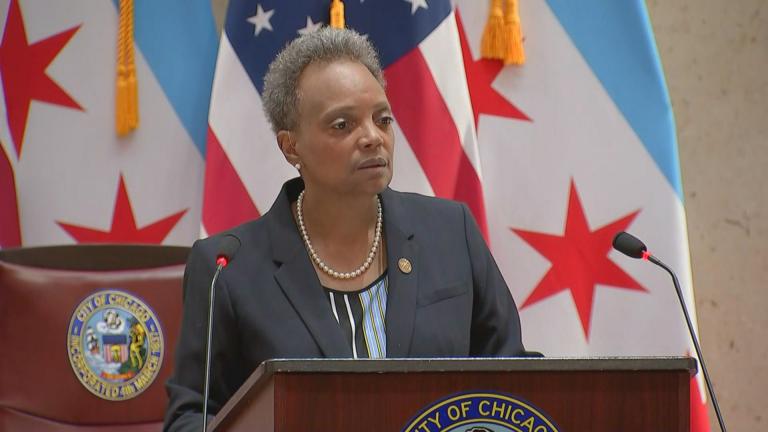
Mayor Lori Lightfoot announced Saturday she would drop her plan to lay off 350 employees to help balance the city’s 2021 budget after her proposal smacked into a brick wall of opposition from many aldermen.
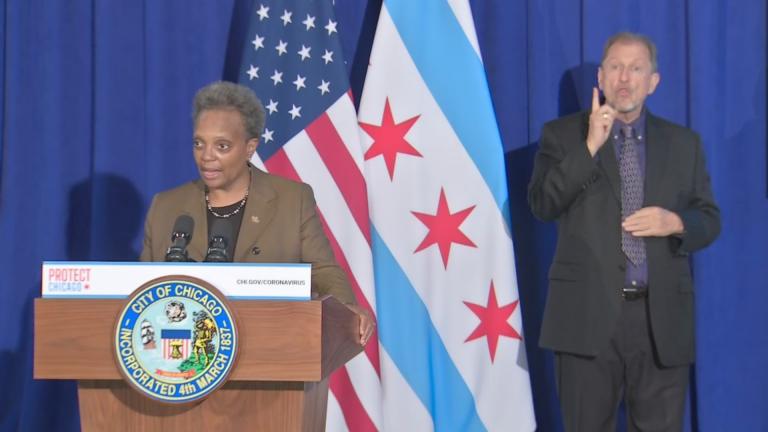
Mayor Lori Lightfoot acknowledged on Thursday that she had linked the upcoming vote on her plan to balance the city’s 2021 budget with tax hikes, layoffs and millions of dollars of borrowing with protections for immigrants.

A proposal from the Chicago Federation of Labor that union officials contend could save the city of Chicago between $195 million and $272 million will not avert a property tax hike and layoffs in 2021, Mayor Lori Lightfoot’s office said Tuesday.
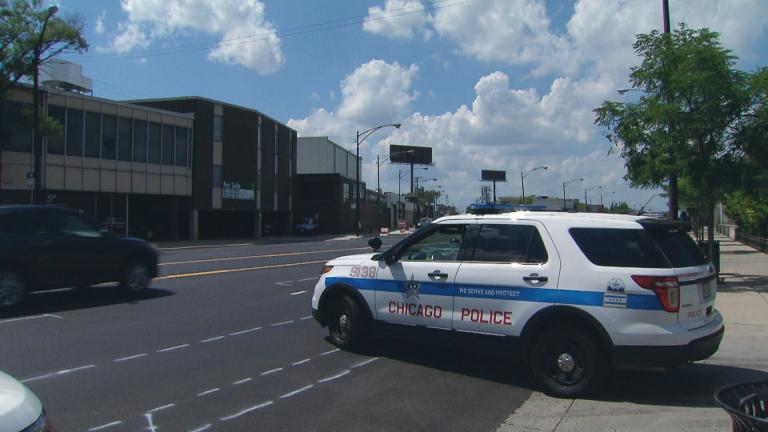
Mayor Lori Lightfoot’s plan to create a new public safety office in an effort to save money by making the city’s law enforcement agencies more efficient has yet to show results — and aldermen are losing patience.

The coronavirus pandemic has devastated Chicago’s cultural landscape, and that pain is likely to continue into 2021, Mark Kelly, commissioner of the Department of Cultural Affairs and Special Events, said during Thursday’s budget hearings.
Aldermen urged city transportation officials on Friday to help them repave more Chicago streets, spotlighting a perennial gripe about potholes and rough rides during a budget season like no other.
Mayor Lori Lightfoot’s $12.76 billion spending plan for 2021 fails to craft a “compassionate, bold” solution to the long-standing inequities that plague Chicago, according to the City Council’s Progressive Caucus.
Trending
Who Is Running, or Thinking About Running, to Become Chicago’s Next Mayor

Suspend CPD Officers, Sergeant Repeatedly Accused of Making Improper Traffic Stops for a Combined 330 Days: Police Brass

No Tax Hikes or Layoffs Needed to Close Cook County’s $550M Gap Thanks to ‘Budget Magic’: Preckwinkle

Johnson’s Debt Refinancing Plan Results in Just Half of What He Promised, Forcing Officials to Scramble to Fill Budget Gap

Hilario Dominguez, Candidate for CPS Board President, Defends Conduct as Watchdog Reopens Probe Into Inappropriate Behavior Allegations

Sign up for the WTTW News newsletter