

Field Museum
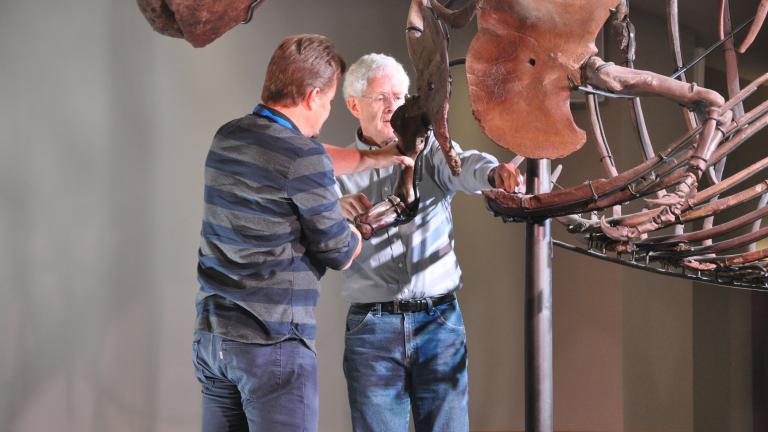
What can CT scans tell us about the diseases or injuries Sue the T. Rex might have had? Scientists are hoping to determine just that, but needed to remove several bones Tuesday for testing.
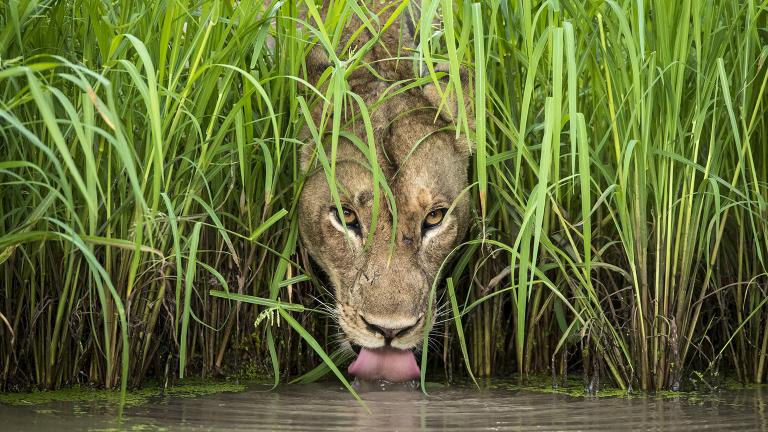
“Wildlife Photographer of the Year,” based on the prestigious photography competition of the same name, will feature 100 winning photos selected among 45,000 submissions from 95 countries. We preview the show.
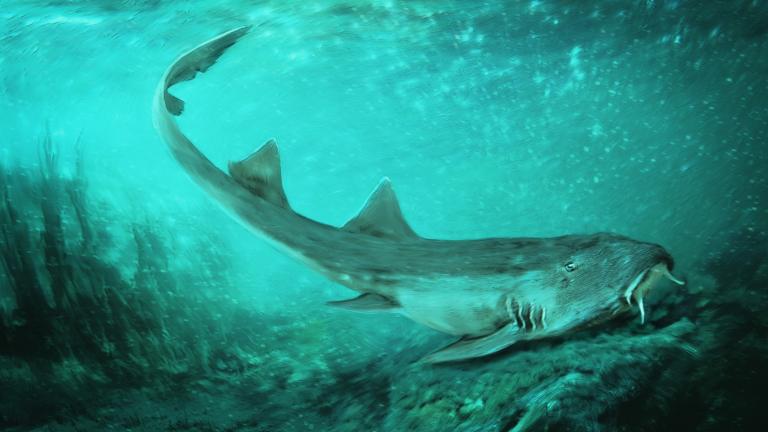
Tiny fossilized teeth found in sediment that surrounded Sue the T. Rex have led to the classification of a new shark species.
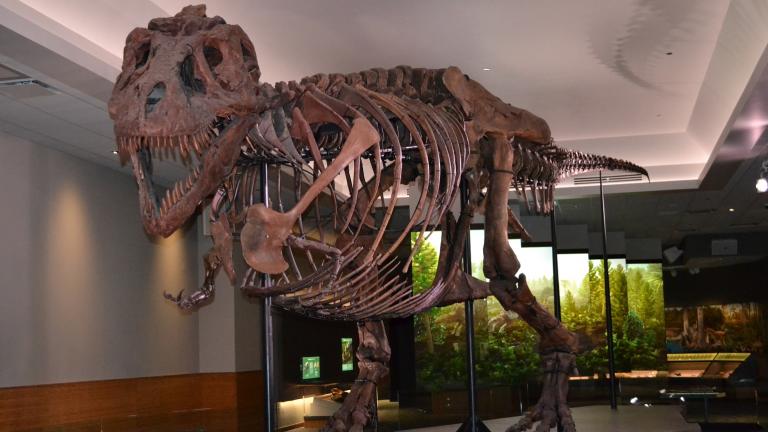
Sue’s new digs present the dinosaur in a more authentic light using technology that has come a long way since the T. Rex skeleton arrived in Chicago more than 20 years ago.
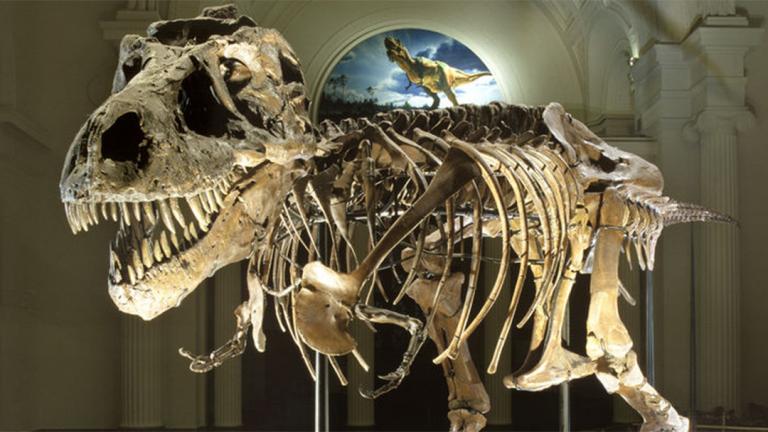
Sue’s move to a new 5,100-square-foot home is part of a decadeslong plan to display the dinosaur in a proper scientific context that helps demonstrate why the T. Rex “is widely considered the greatest dinosaur fossil in the world.”
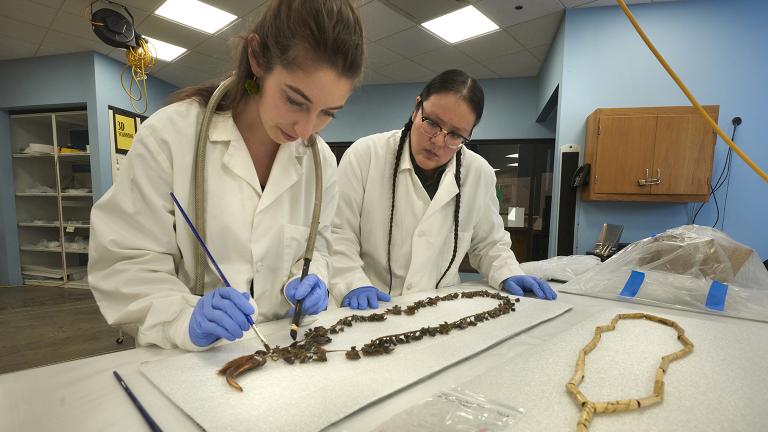

Many of the displays in the museum’s Native American Hall have gone unchanged since the 1950s. Now, Native American scholars and tribal members will work with the museum to better represent these stories.
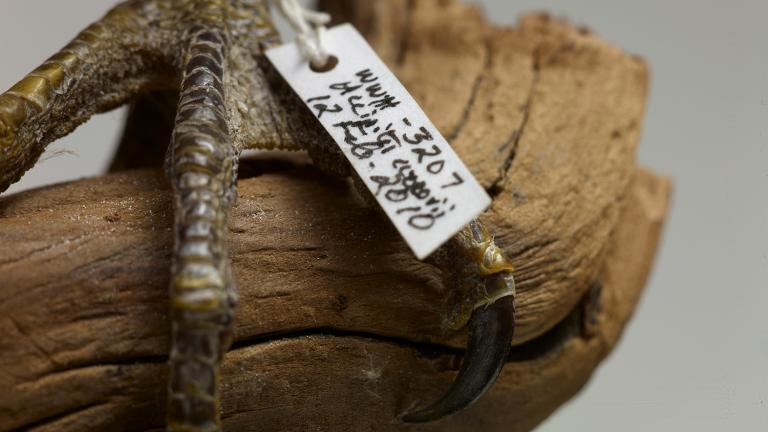
From Thursday through Sunday, volunteers who help transcribe labels from the museum’s massive collection of physical specimens get free admission for the day and a behind-the-scenes tour.
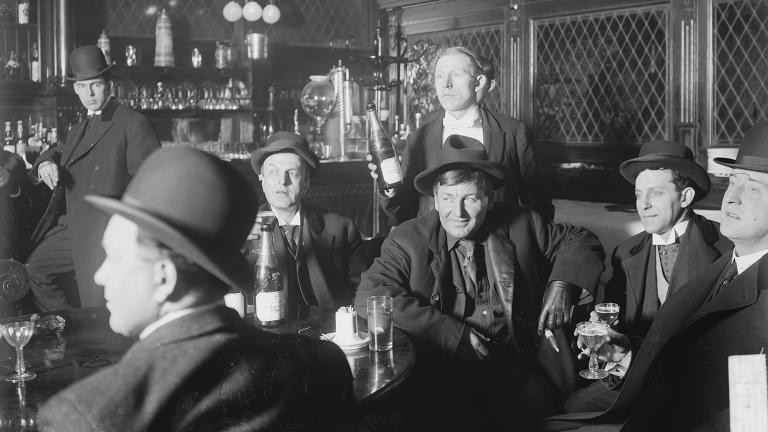
Visitors to the Field Museum this fall will have a chance to soak up Chicago’s rich beer history, with a focus on the immigrant communities that established the city’s first breweries.
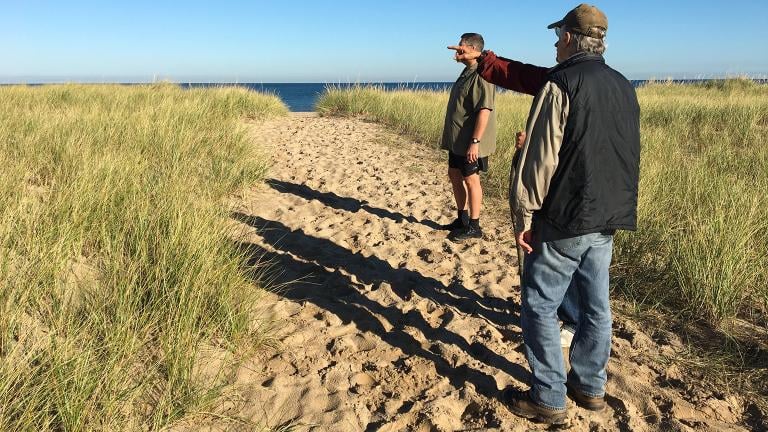
About 2 million people visit the Indiana Dunes each year for its hills of sand and sprawling beaches. But the beloved site on the southern shore of Lake Michigan is changing – and not in a good way.
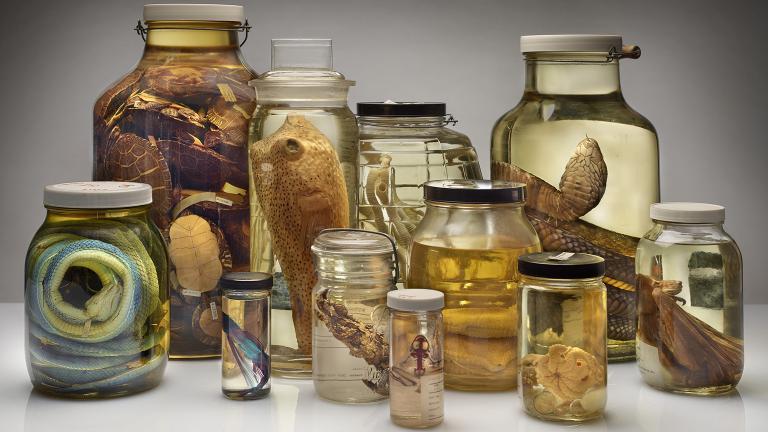
Learn about the history, science and uses of alcohol during a discussion series in September at The Whistler as part of the Field Museum’s 125th anniversary celebration.
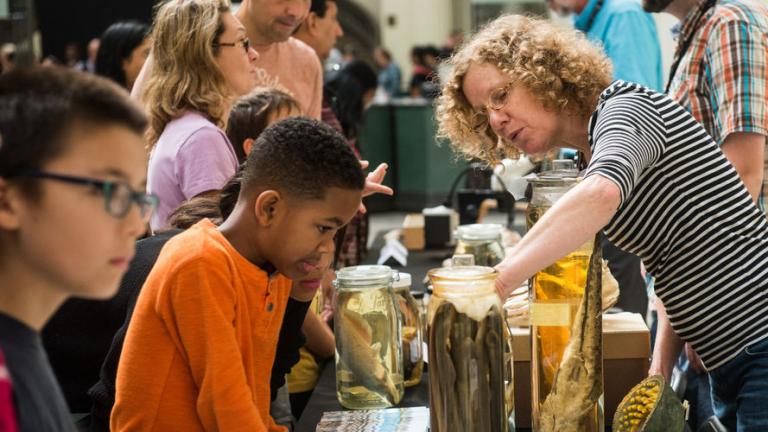
More scientists will be on hand next month to examine specimens and artifacts brought in by visitors, including staff specializing in zoology, paleontology, geology, ichthyology (also known as fish science) and more.
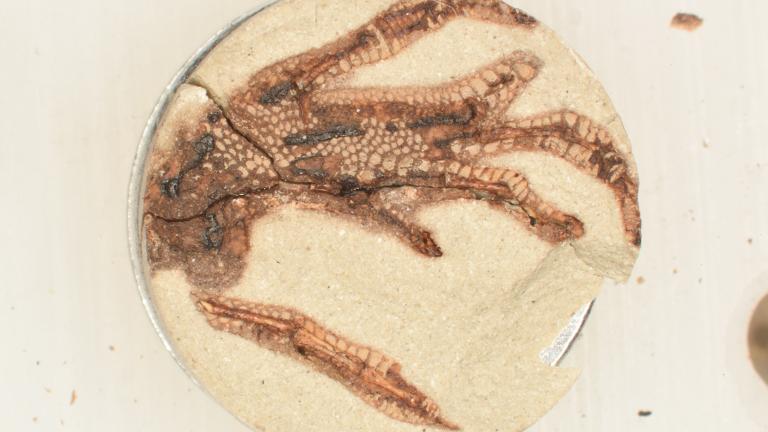
Fossils typically take tens of millions of years to develop, but a Chicago scientist recently helped discover a new way to simulate the fossilization process in a lab – in just 24 hours.

To help mark its 125th anniversary, the Field Museum is preparing to release a gin made in the spirit of one of the biggest events in Chicago history.
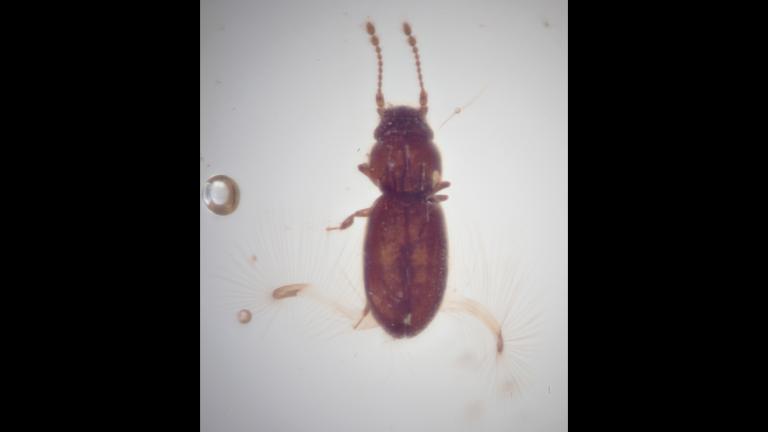
A tiny black speck contained within fossilized resin turned out to be the remains of an insect so ancient that it lived among dinosaurs.
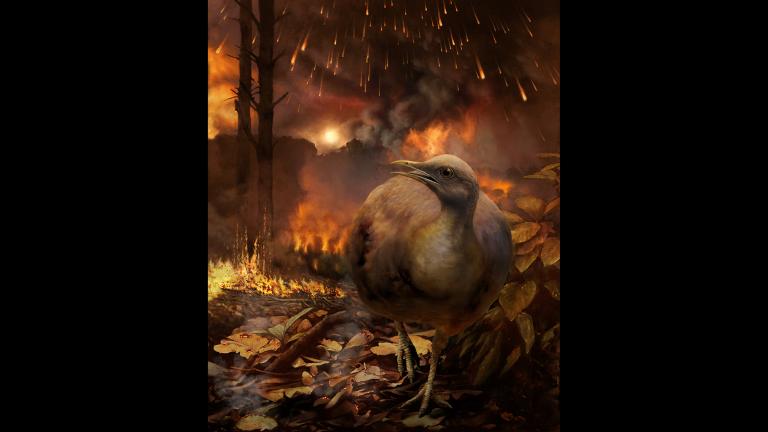
A research team with a Chicago connection has uncovered new evidence about the devastating impact of the dinosaur-killing asteroid that struck Earth about 66 million years ago.
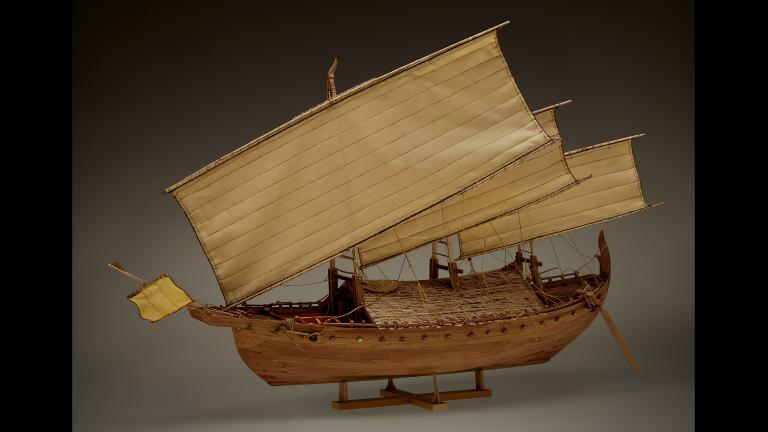
After taking a fresh look at a treasure trove of cargo recovered from the dark sea floor in the 1980s, researchers make new discoveries about a centuries-old shipwreck.
Trending
2026 Chicago Summer Festival Guide

Who Is Running, or Thinking About Running, to Become Chicago’s Next Mayor

Illinois Prisons Move to Restrict Access to Electronic Tablets for Those in Solitary Confinement

TIF Districts Boosted Property Taxes but Failed to Spur Development in Blighted Neighborhoods: Report

Even Chicago’s Bridges Can’t Take the Heat as High Temps and Stifling Humidity Makes It Feel Like 100+

Sign up for the WTTW News newsletter