

Field Museum
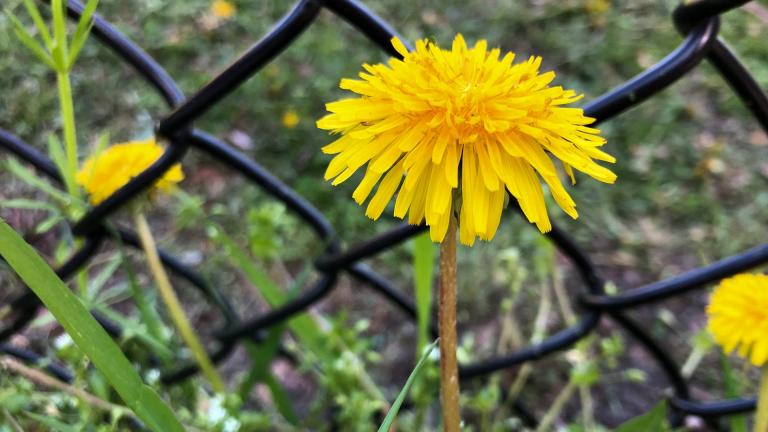
The dandelion — a once-prized plant that gardeners used to exhibit at county fairs — now holds the title of Public Lawn Enemy No. 1. But is this reputation deserved?
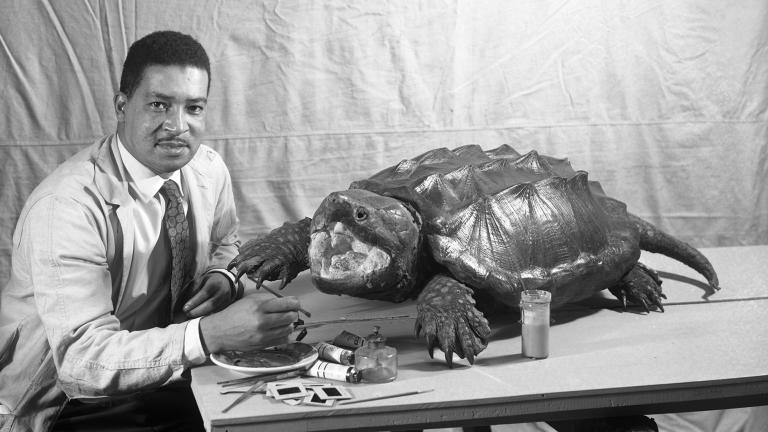

Taxidermy – the process of preserving animals – isn’t usually classified as fine art. But the Field Museum is challenging that idea by shining a light on the artist behind many of the museum’s own examples.
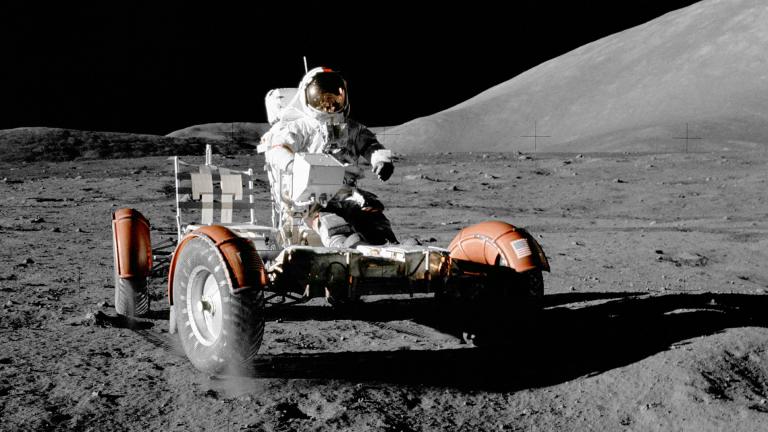
Local scientists use a powerful new tool to make fresh discoveries from moon dust first collected nearly 50 years ago.
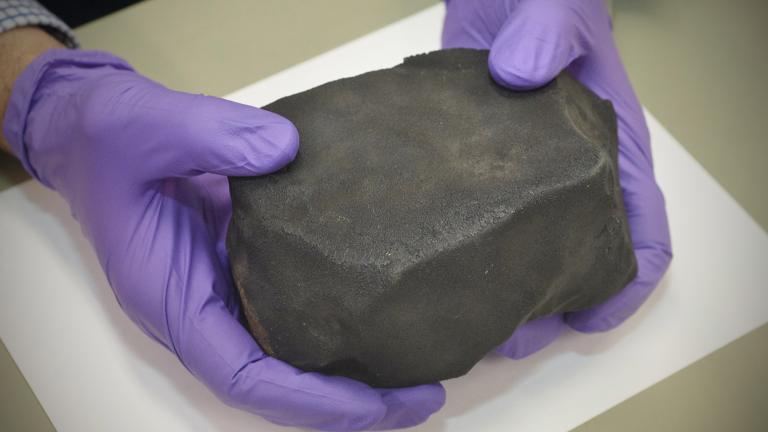
A 4-pound chunk of a rare type of meteorite that crashed into a Costa Rican village this spring has found its way to Chicago, and experts say the rock likely contains clues to the origins of life on Earth.
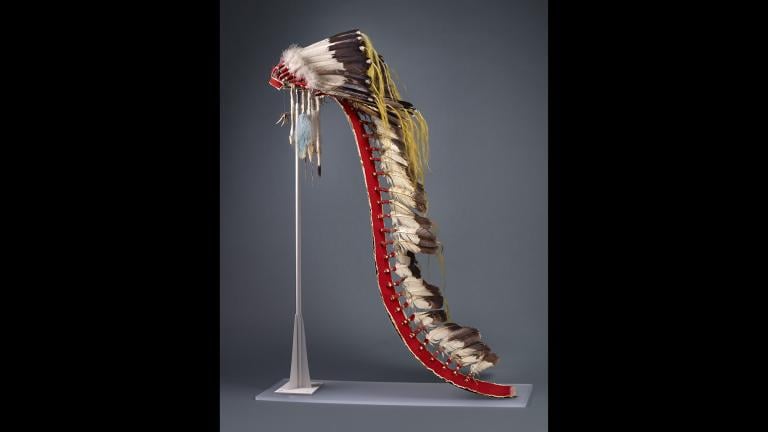
The first-of-its-kind exhibit in 2020 will explore the history and culture of the Apsáalooke people, an indigenous group known for its horsemanship, artistic pursuits and matriarchal ways of life.

New “sensory stations” allow visitors to get a more intimate experience of the museum’s iconic dinosaur – including the stench of Sue’s post-meal breath.
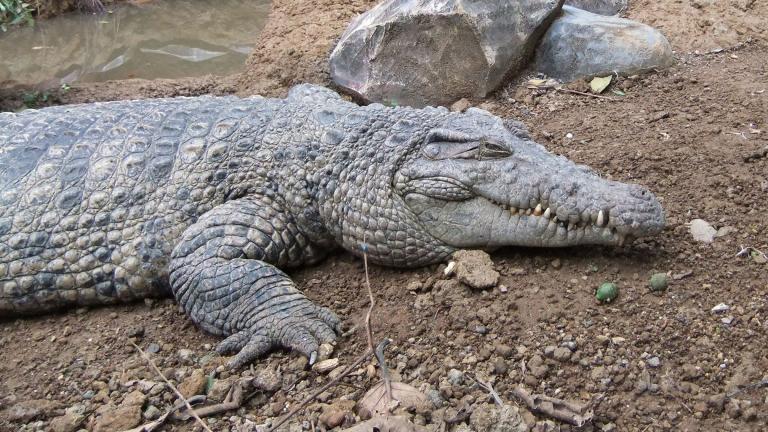
By examining 51 crocodile skulls, Field Museum scientist Caleb McMahan was able to identify a previously unclassified species native to New Guinea.

The Field Museum will be at the center of Chicago’s youth climate strike Friday as activists across the globe hold what is expected to be one of the largest environmental demonstrations in the history of the planet.
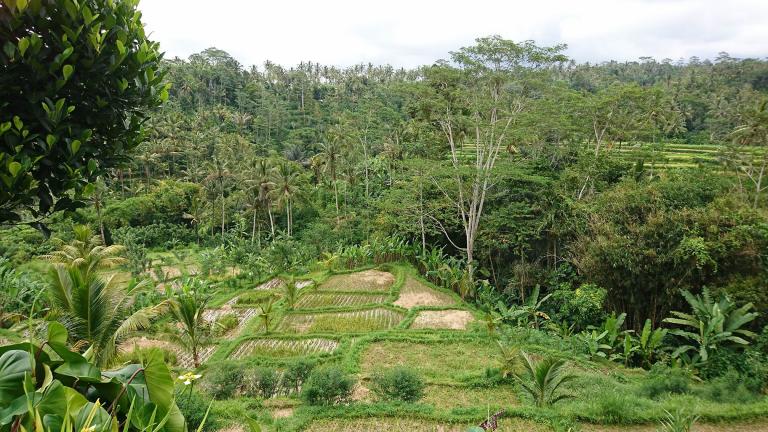
Humans in many areas of the world were farming, burning forests, grazing their animals and causing major changes to the environment some 1,000 years earlier than previously thought.
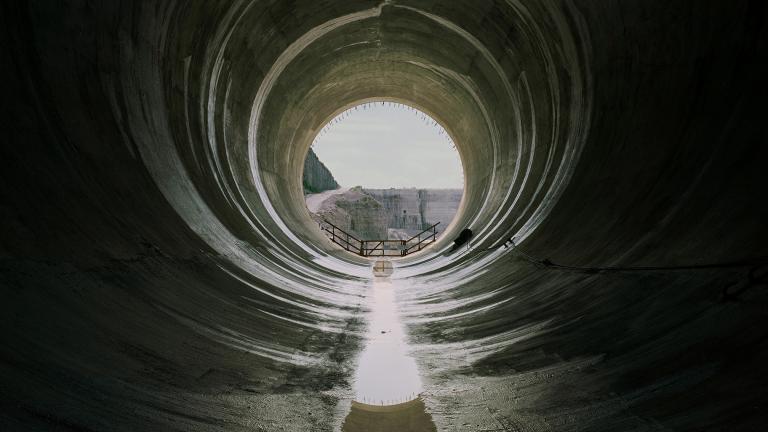
Chicago photographer Brad Temkin offers a rare look at the hidden network of tunnels and infrastructure designed to deliver water, including Chicago’s 109-mile Deep Tunnel.
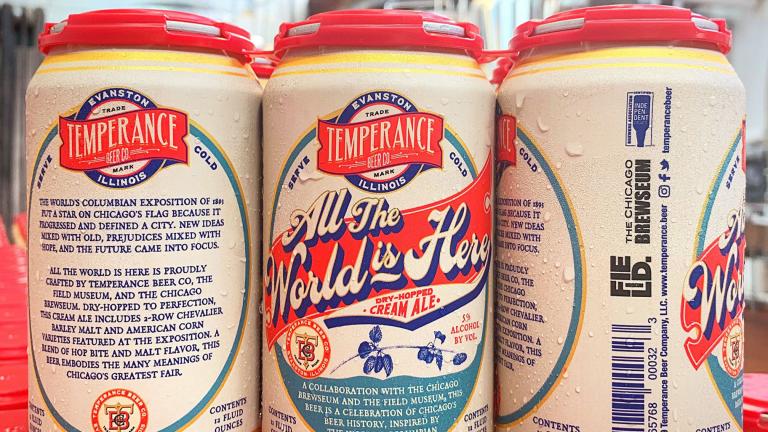
A new dry-hopped cream ale is made from the same types of barley and corn found in the museum’s original collections from 1893, the same year more than 27 million visitors flocked to Chicago for the World’s Columbian Exposition.
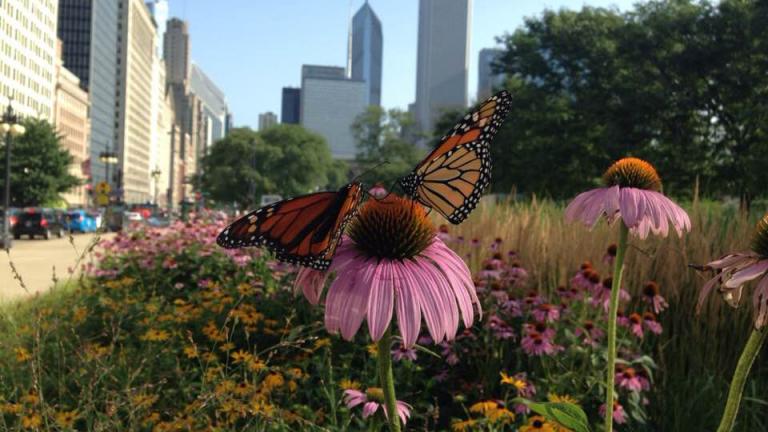
Chicago and other U.S. cities could provide nearly one-third of the milkweed plant scientists estimate is needed to save monarch butterflies, whose populations have plummeted in recent decades.
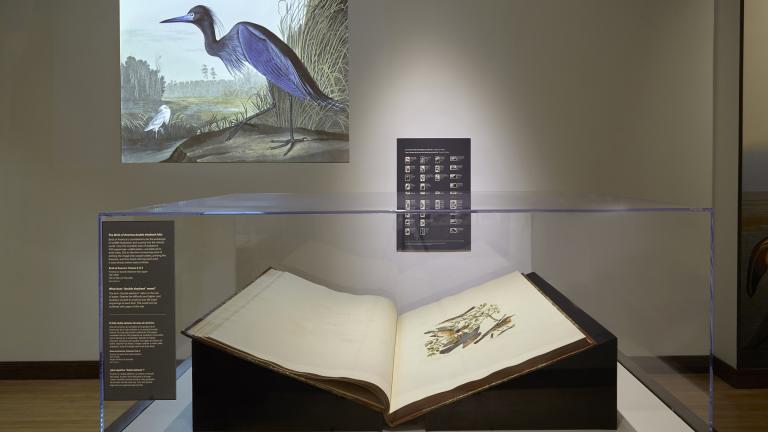
The groundbreaking book “Birds of America” by painter and ornithologist John James Audubon features intricate watercolor paintings of nearly every bird on the continent. It’s now on display at the Field Museum.
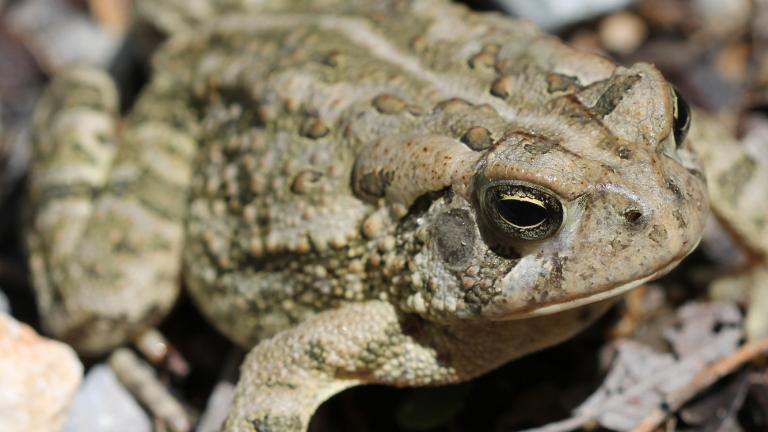
By tracking the types, frequency and intensity of frog mating calls, experts hope to gauge the success of conservation efforts in an area commonly referred to as the city’s dumping ground.
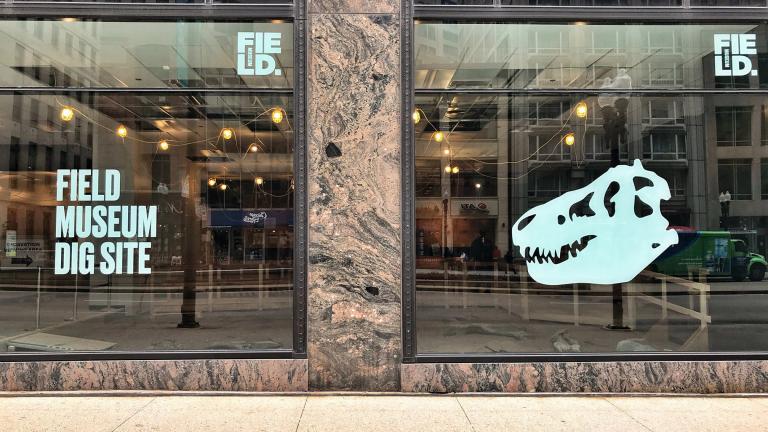
After teasing social media by announcing the discovery of “unprecedented” dinosaur fossils under a Michigan Avenue storefront, the Field Museum unveiled a new pop-up exhibit that replicates a “dig site” where paleontologists search for fossils.
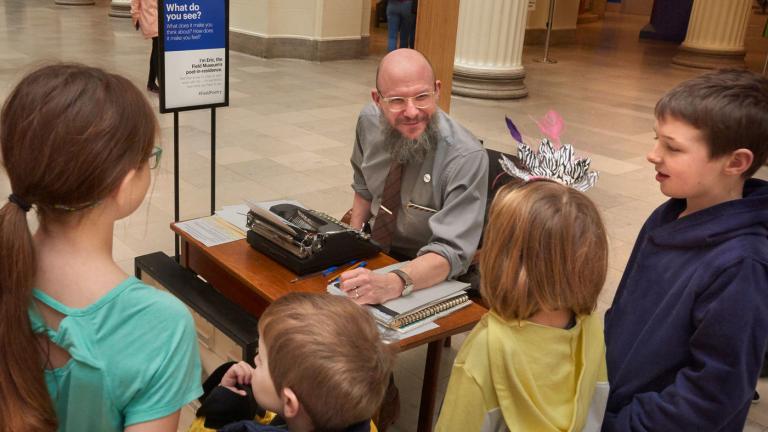
Poet Eric Elshtain is one of the museum’s newest additions, and he represents the institution’s latest effort at using art to change the way visitors interact with nature.
Trending
2026 Chicago Summer Festival Guide

Who Is Running, or Thinking About Running, to Become Chicago’s Next Mayor

Illinois Prisons Move to Restrict Access to Electronic Tablets for Those in Solitary Confinement

TIF Districts Boosted Property Taxes but Failed to Spur Development in Blighted Neighborhoods: Report

Even Chicago’s Bridges Can’t Take the Heat as High Temps and Stifling Humidity Makes It Feel Like 100+

Sign up for the WTTW News newsletter