

Astronomy
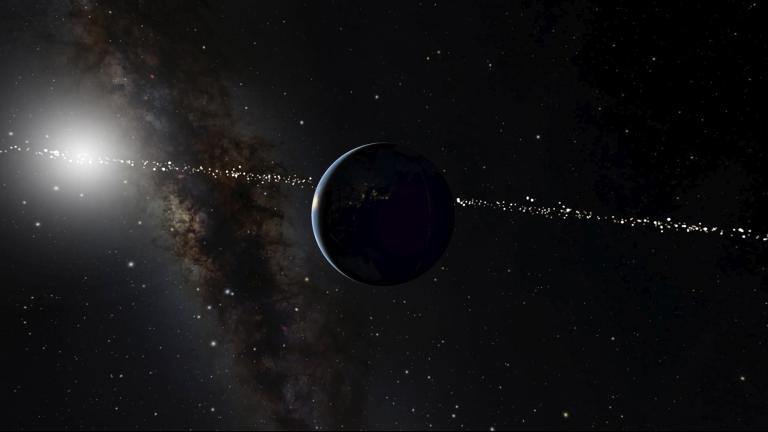
Feeling like you are being watched? It could be from a lot farther away than you think. Astronomers took a technique used to look for life on other planets and flipped it around — so instead of looking to see what’s out there, they tried to see what places could see us.
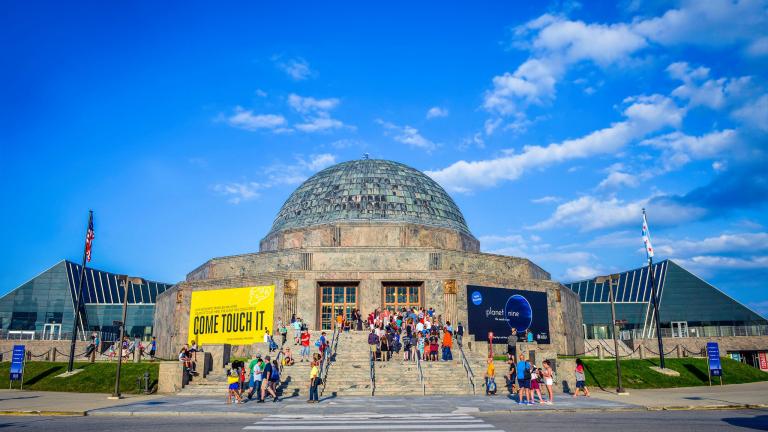
A return to pre-pandemic business as usual is not yet in the stars for the Chicago cultural institution, though some screenings and public observing events will make an in-person comeback beginning July 3.
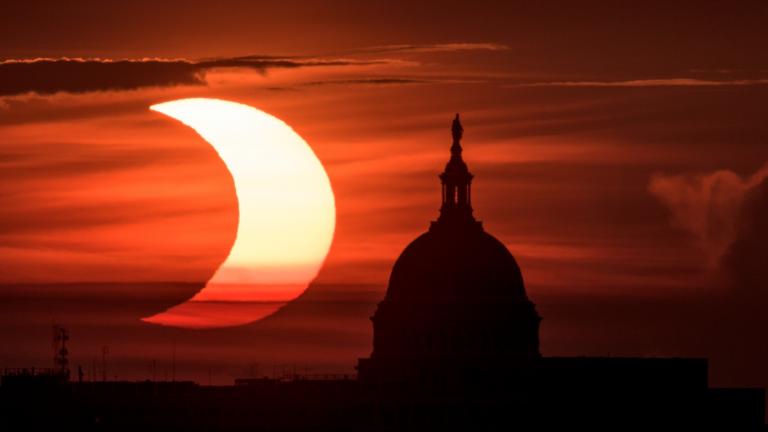
Chicagoans’ view of Thursday morning’s “ring of fire” solar eclipse was over before most people were awake.
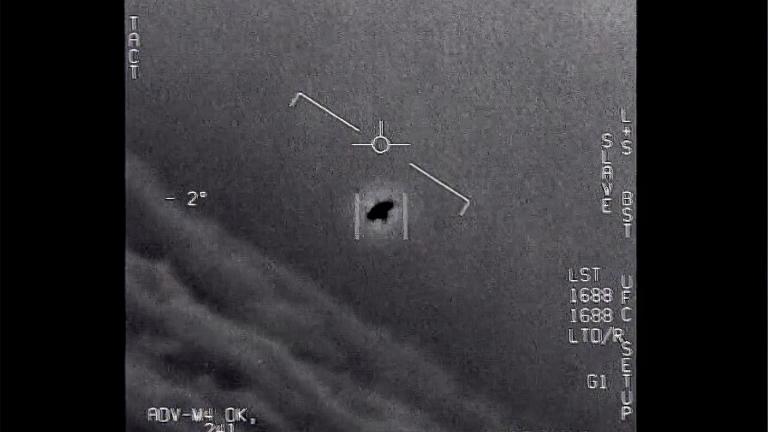

Plus: “Chicago Tonight” gets into the UFO report and its implications
The U.S. government has been taking a hard look at unidentified flying objects. A report summarizing what the U.S. knows about “unidentified aerial phenomena” — better known as UFOs — is expected to be made public this month.
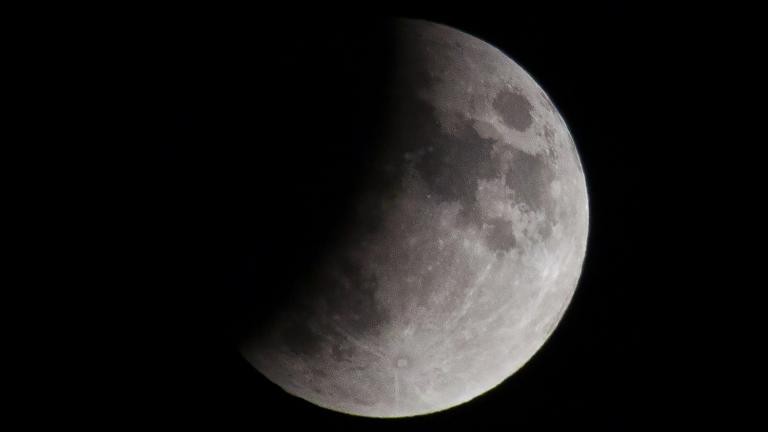
Chicagoans aren’t in the right place or time zone to see Wednesday’s lunar eclipse at its peak. Just when the show gets interesting, the moon will sink from view.
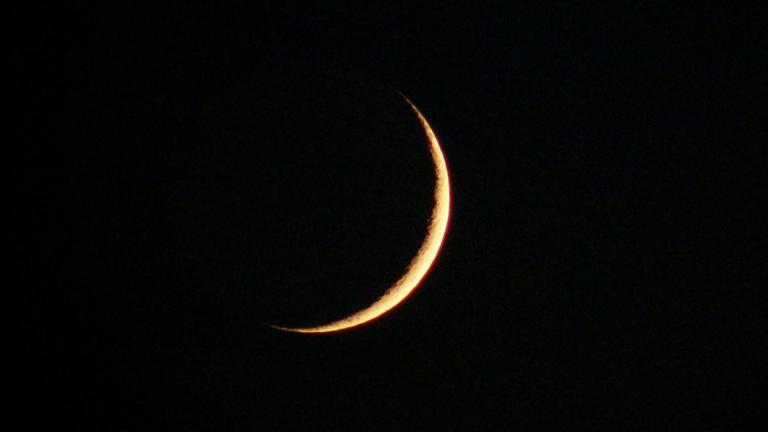
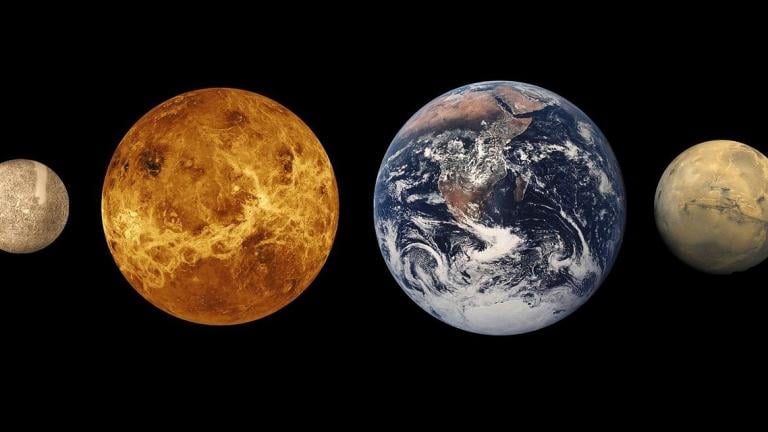
Look to the night sky this week for fascinating celestial show: the solar system’s three inner planets — Mercury, Venus and Mars — will all be visible. Use the crescent moon as a guide to find them in the sky.
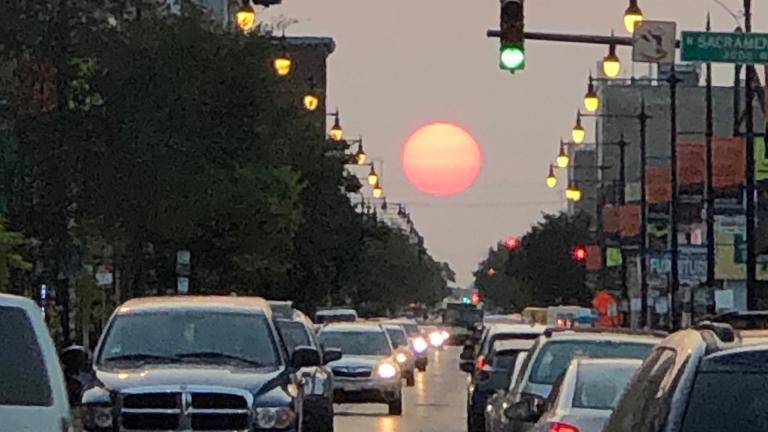
During the fall and spring equinoxes, the sun rises due east and sets due west, creating an effect dubbed Chicagohenge (in reference to Stonehenge), when sunset is strikingly framed by the city’s east-west streets.
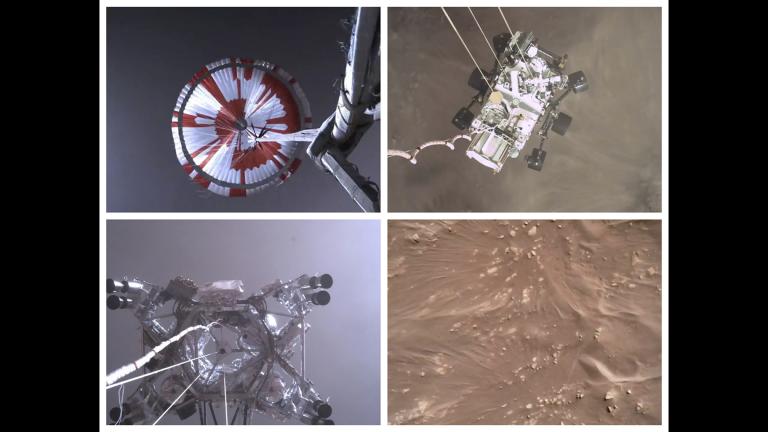
NASA on Monday released the first high-quality video of a spacecraft landing on Mars, a three-minute trailer showing the enormous orange and white parachute hurtling open and the red dust kicking up as rocket engines lowered the rover to the surface.
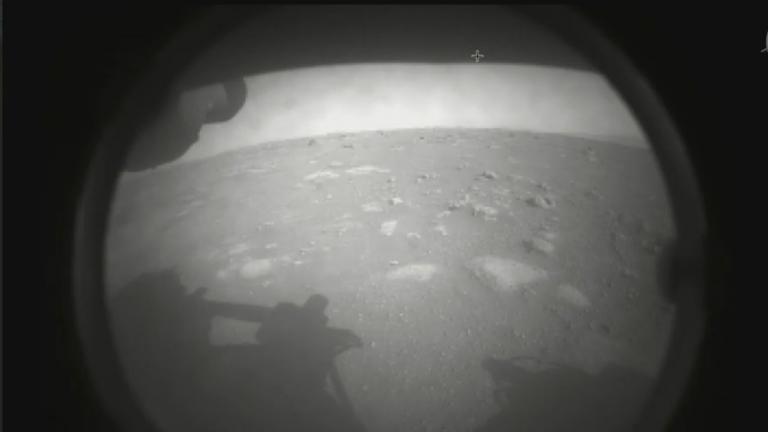
NASA’s Perseverance rover greeted its global audience on Twitter, beaming back to Earth the first image captured after touching down Thursday afternoon on Mars.
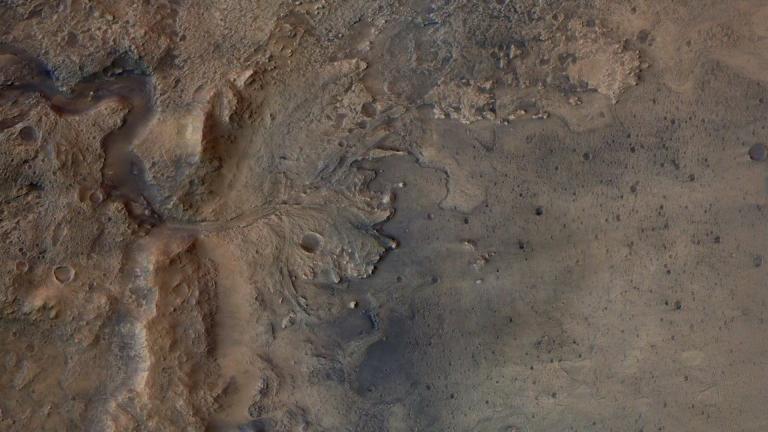
NASA prepares to land a rover on Mars designed specifically to detect signs of ancient life. Local astronomer and space exploration enthusiast Mark Hammergren tells us more about the mission.
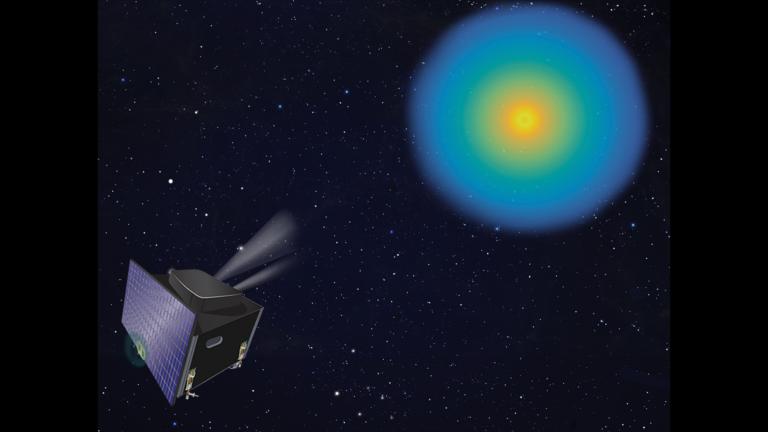
A spacecraft designed by an Illinois researcher and professor will orbit Earth’s outermost atmospheric layer to better understand powerful bursts of radiation from the sun, also known as solar flares. Lara Waldrop tells us more.
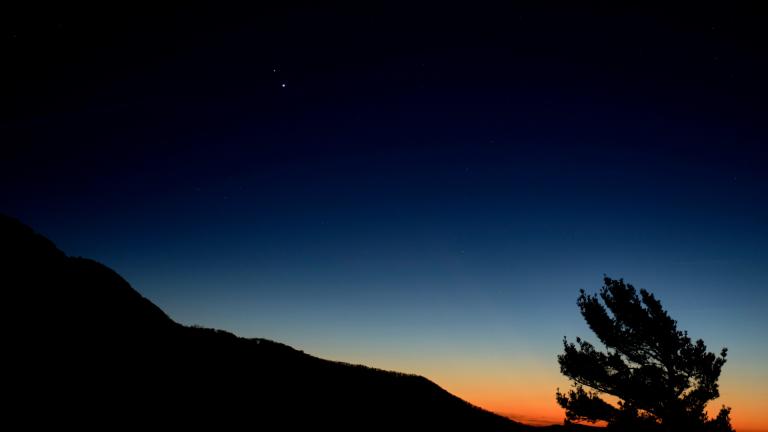
Jupiter is preparing to pass Saturn, an event known as a great conjunction. On Dec. 21, the two planets will come closer to each other than they’ve been in nearly 400 years — and it will be visible to the naked eye.
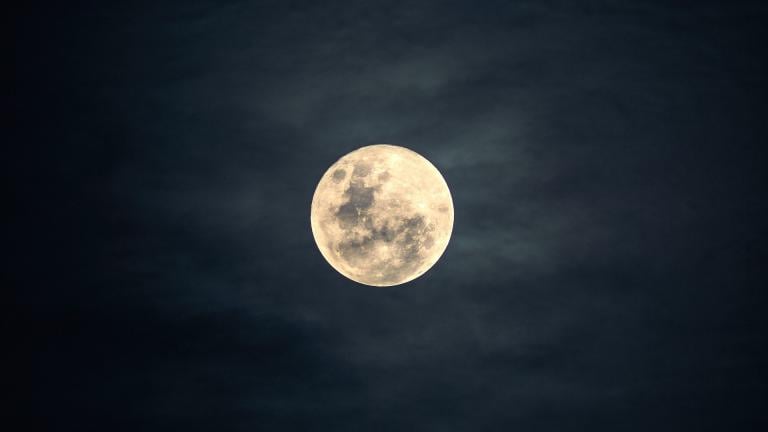
Saturday’s full moon will be the second one in October, earning the label “blue moon.” It’ll have a red companion, in the form of Mars.
Thursday’s full moon is the harvest moon, coming closest to the autumnal equinox. It will have some celestial company on Friday in the form of Mars, when the two will rise together and stay paired throughout the evening, according to experts.
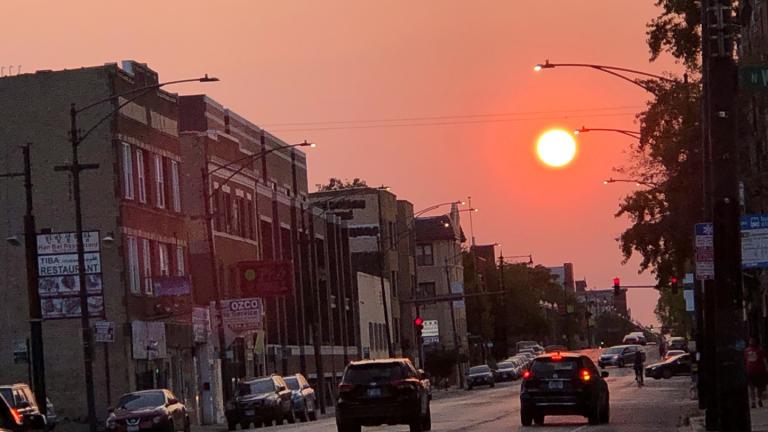
During the fall equinox, the sun rises due east and sets due west, creating an effect dubbed “Chicagohenge” (in reference to Stonehenge), when the sunset is strikingly framed on east-west streets by the city’s skyscrapers.
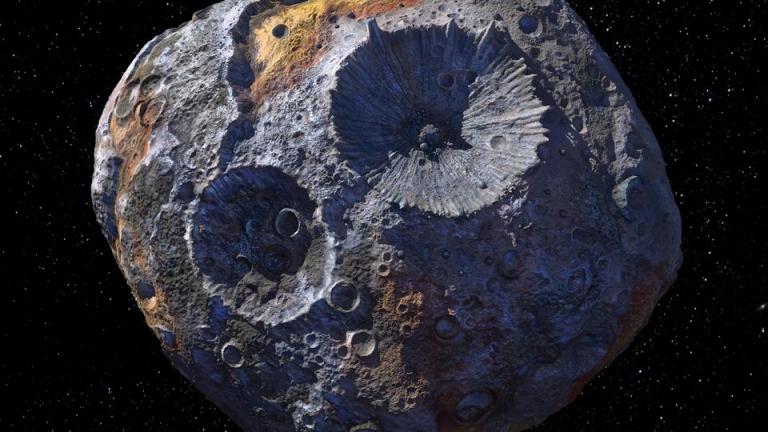
An asteroid the size of an SUV buzzed past Earth over the weekend, coming closer to the planet than any other on record, according to NASA.
Trending
2026 Chicago Festival Guide

CPD Officer Who Fired 3 Shots at Suspected Carjacker on 606 Trail Faces Firing: Records

Interim NITA Director Earning $350K Salary While Also Collecting $213K Annual City Pension, Records Show

Firm Set to Buy Chicago’s Parking Meters Sells Airline That Carried Out Deportations

Chicago Woman Accused of Social Security Fraud After Hiding Mother’s Body in Freezer for 2 Years

Sign up for the WTTW News newsletter