

Astronomy
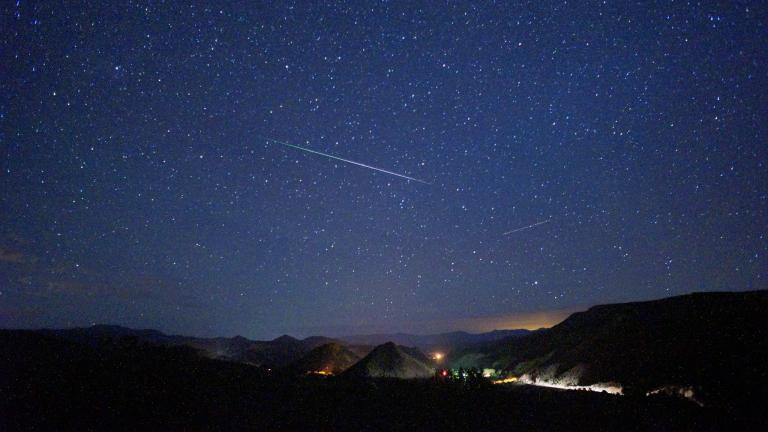
Be on the lookout for Perseids on Tuesday night and early Wednesday as the meteor shower hits its peak. Here’s how to maximize your chances of seeing these fireballs streak across the sky.
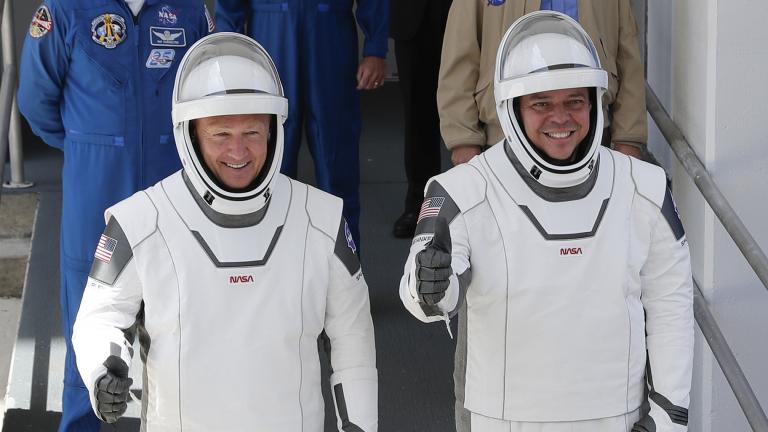
Two NASA astronauts returned to Earth on Sunday in a dramatic, retro-style splashdown, their capsule parachuting into the Gulf of Mexico to close out an unprecedented test flight by Elon Musk’s SpaceX company.
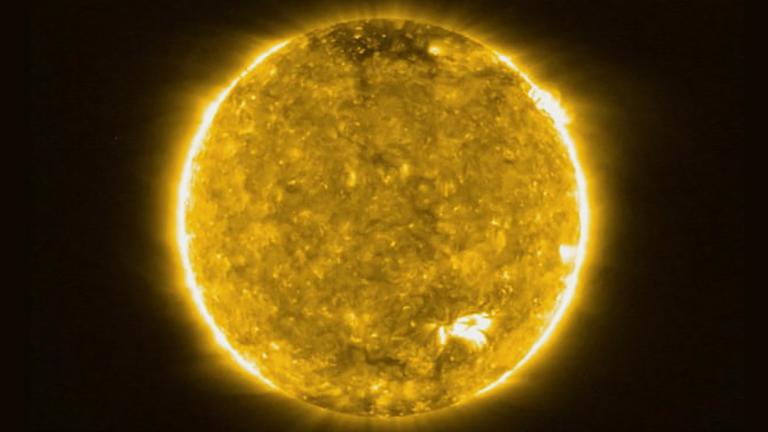

We journey to the sun’s surface and explore more from the world of science with University of Chicago paleontologist Neil Shubin.
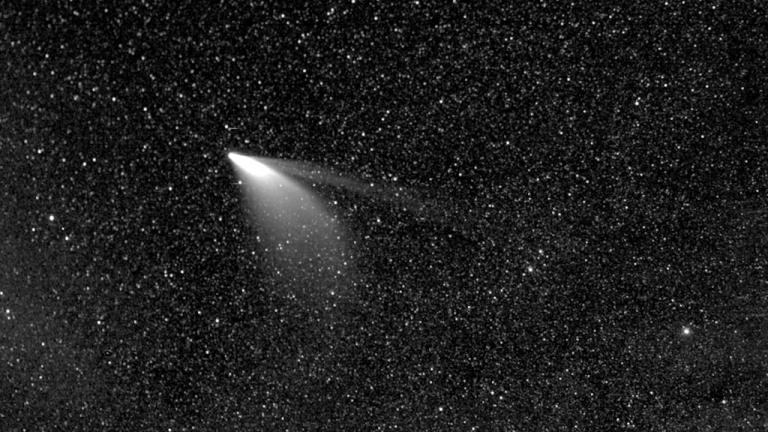
The comet has been delighting sky gazers across the globe. Catch it now, because it won’t swing back our way for another 6,800 years.
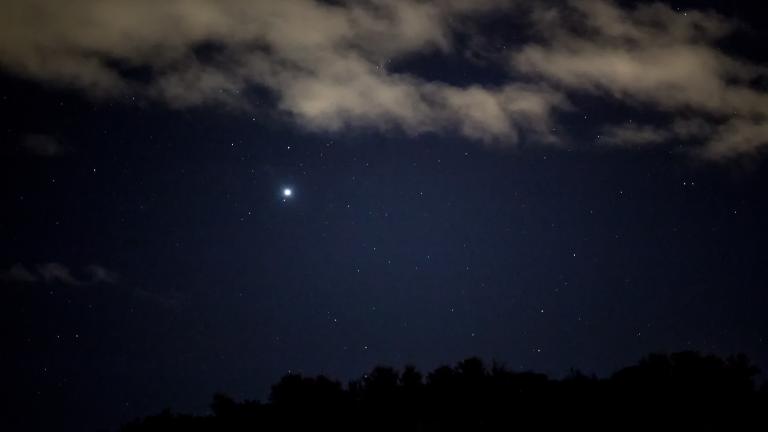
July is a great month for planet watching. Jupiter, Saturn, Venus, Mars and Mercury will all make an appearance.
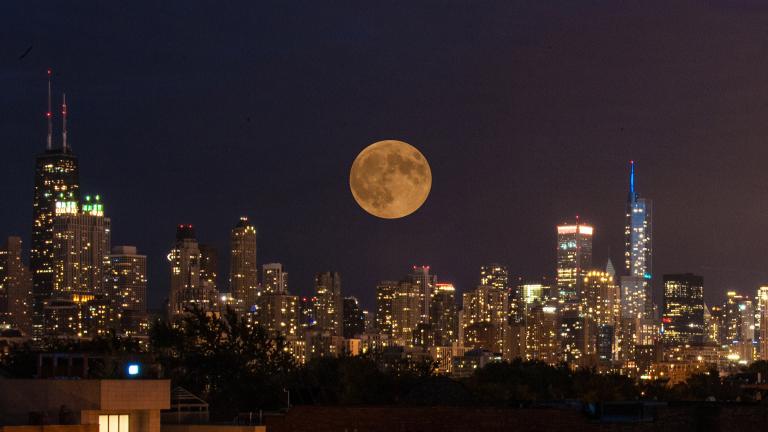
There hasn’t been a lot to get excited about in 2020, but one bright spot has been the moon, specifically the string of supermoons we’ve enjoyed this spring.
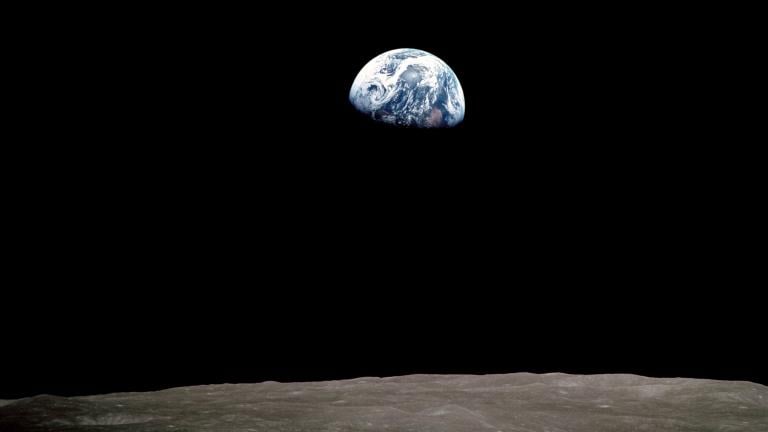
Apollo 8 astronauts were the first to ever witness an earthrise, a view of the planet that put its fragility into perspective and helped propel the environmental movement.
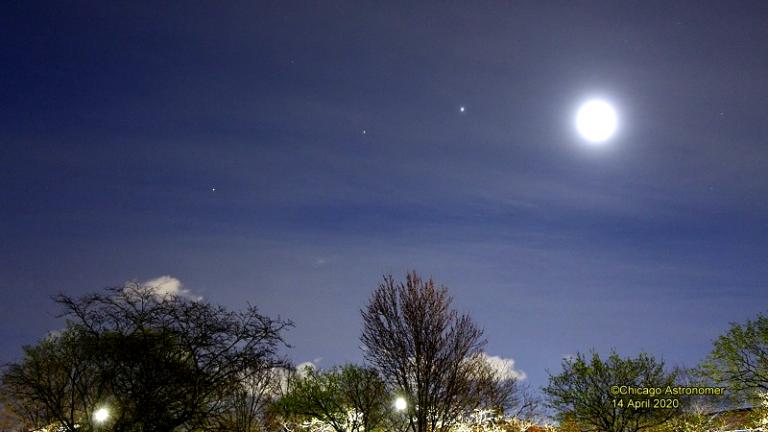
The moon will align with Mars, Saturn and Jupiter in the pre-dawn hours this week.
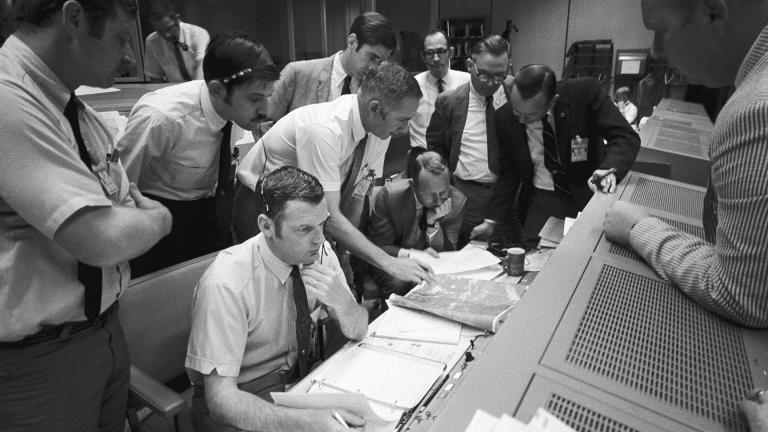
Apollo 13’s astronauts never gave a thought to their mission number as they blasted off for the moon 50 years ago. Even when their oxygen tank ruptured two days later — on April 13.
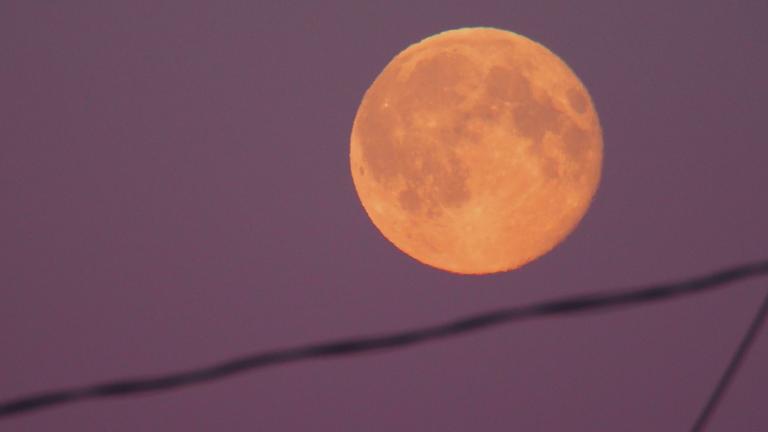
There hasn’t been a whole lot of good news in 2020, but here’s something to get excited about: Tuesday’s supermoon will be the closest the full moon gets to Earth in 2020, meaning it will look bigger and brighter than any other full moon this year.

Think things are bleak on planet Earth? At lease it’s not raining metal. That’s the kind of bizarre climate scientists recently observed on an ultra-hot exoplanet they’ve dubbed WASP-76b, located 640 million light-years away.
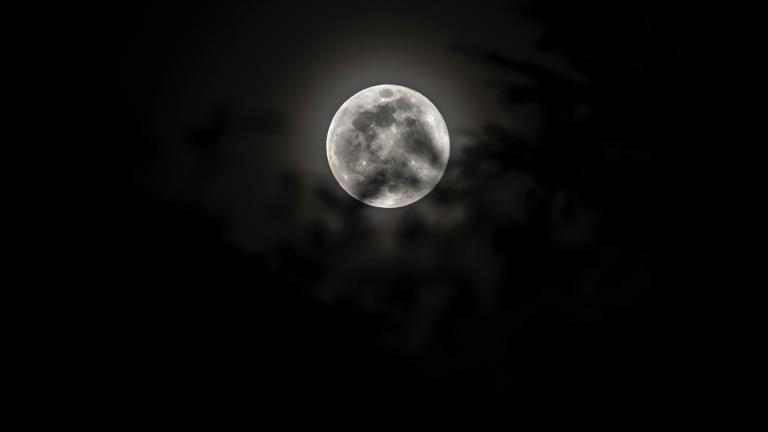
March’s full moon is called the Worm Moon, and it will be an extra bright supermoon.
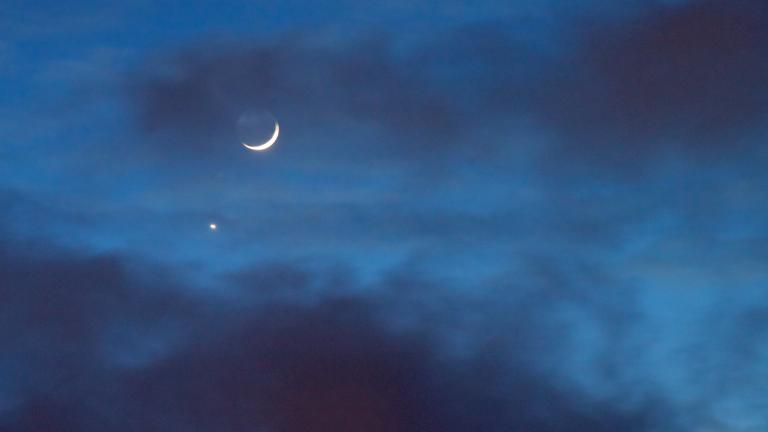
The young crescent moon and the blazingly bright planet are in conjunction. Look to the western sky shortly after sunset Friday to see for yourself.
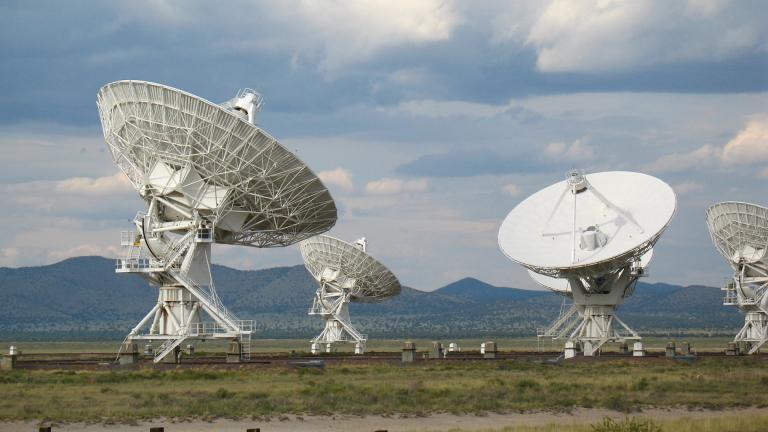
Are we really alone in the universe? A new effort to search for extraterrestrial life is underway.
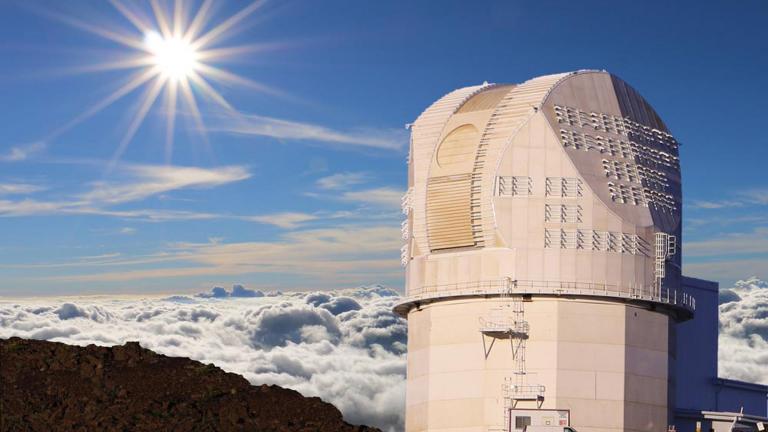
A local scientist talks about his work to help capture the most detailed images ever of the sun’s bubbling surface.
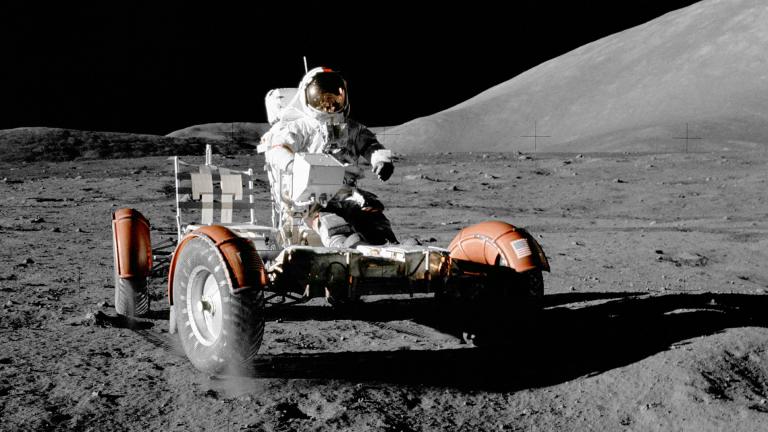
Local scientists use a powerful new tool to make fresh discoveries from moon dust first collected nearly 50 years ago.
Trending
2026 Chicago Festival Guide

CPD Officer Who Fired 3 Shots at Suspected Carjacker on 606 Trail Faces Firing: Records

Interim NITA Director Earning $350K Salary While Also Collecting $213K Annual City Pension, Records Show

Firm Set to Buy Chicago’s Parking Meters Sells Airline That Carried Out Deportations

Chicago Woman Accused of Social Security Fraud After Hiding Mother’s Body in Freezer for 2 Years

Sign up for the WTTW News newsletter