

University of Illinois
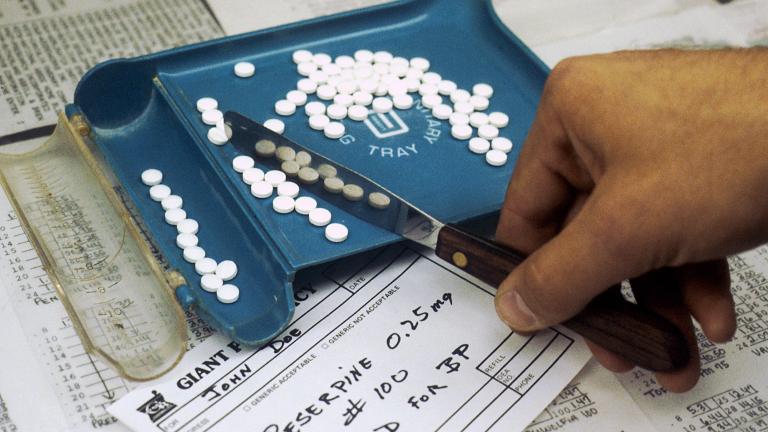
In some Chicago neighborhoods, pharmacies appear to be in abundant supply. In others, they’re scarce. Researchers will spend the next three years addressing their dwindling numbers on the city’s South and West Sides.

While public awareness of mass killings is undoubtedly higher, U of I researchers say the frequency with which they occur is steady – and it’s remained that way over the last decade.
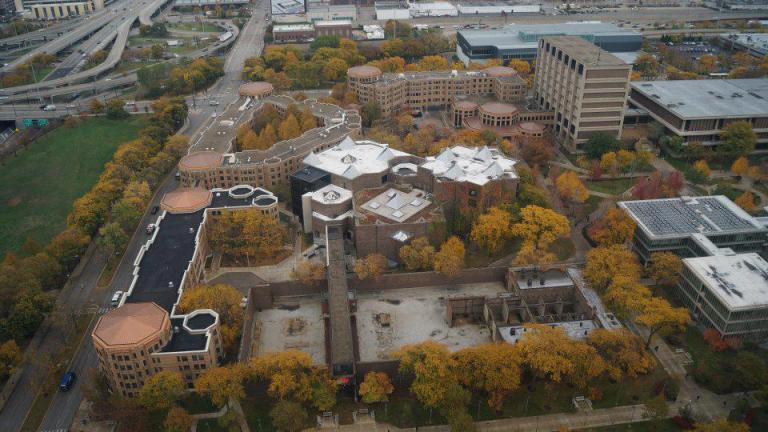
Researchers from the University of Illinois at Chicago will investigate how social determinants like poverty and living in a food desert contribute to the health of marginalized groups.

The University of Illinois at Chicago, Northwestern Memorial Hospital and the University of Chicago Medicine will join forces to conduct clinical trials designed to improve outcomes for patients with life-threatening emergencies as part of a newly formed national network.

A new charge against 28-year-old suspect Brendt Christensen opens up the possibility of the death penalty for the Champaign man charged in the disappearance and murder of a Chinese student.
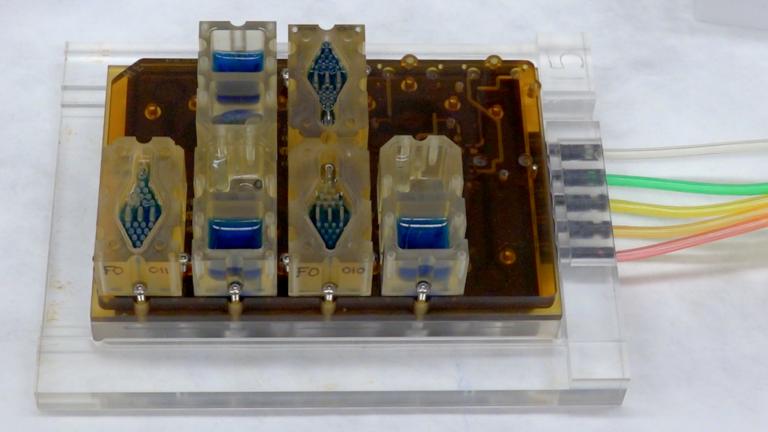
A miniature female reproductive system will help researchers better understand the cause of polycystic ovary syndrome, and advance the development of drugs to treat the disease.

Meet DiaBetty, the voice-enabled diabetes coach and educator developed by researchers at the University of Illinois at Chicago to help newly diagnosed Type 2 diabetes patients manage the condition.

Researchers from the University of Chicago and University of Illinois at Chicago will join forces to study the health effects of pollution on local residents, thanks to a $4 million grant from the National Institutes of Health.

“A lot of women said it sets an unrealistic standard when they see Beyoncé in a magazine and she looks fantastic,” said researcher Toni Liechty. “If those are the images you’re seeing, you think that it’s common.”

Your mother was right to tell you to eat your broccoli. Eating nutrient-rich foods like broccoli, spinach and kale could slow age-related cognitive decline, according to a new study.

“The message for cancer patients and survivors is: get active,” said researcher Diane Ehlers. “It’s not a magic cure-all, but we’ve seen many benefits of physical activity for cancer patients and survivors.”

Sepsis affects more than 1 million hospital patients each year in the U.S., but detecting it can take days. Now, scientists at the University of Illinois are developing a rapid test to detect the potentially deadly condition.
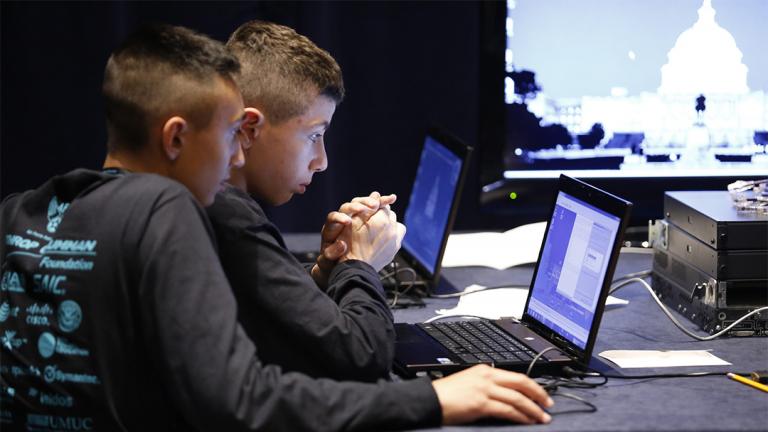
Can a collectible card game teach cybersecurity skills to middle school students? A UIC professor wants to get young people excited about computer science and interested in high-demand, high-paying careers.
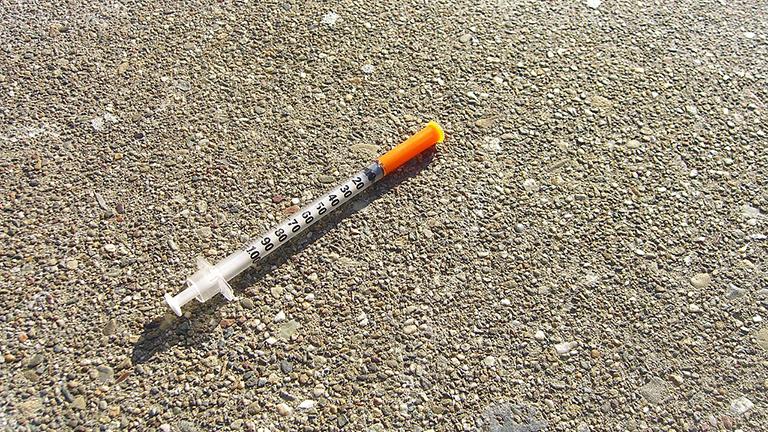
Heroin use has more than doubled in young adults over the past decade. A new study evaluates the cost of that addiction on society at large.

A new $450,000 federal grant program partners CPS students with university professors to study the impact of toxic metals on Chicago neighborhoods.
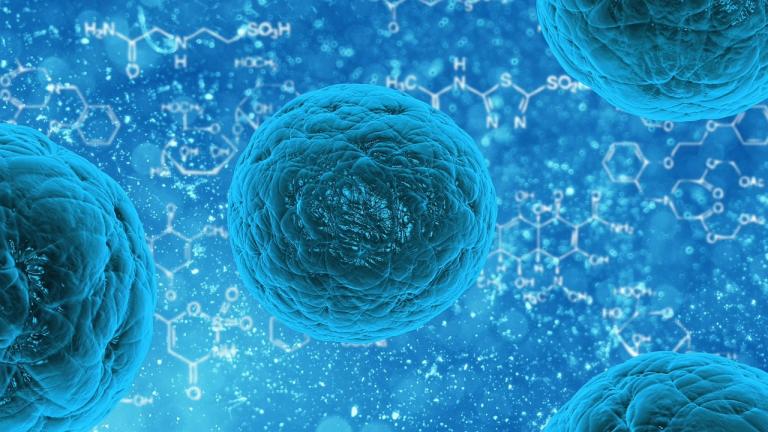
Researchers at UIC will focus on understanding tissue regeneration and spearheading future developments in stem cell biology as a means to repair diseased organs and tissues.
Trending
Early Voting for November General Election Kicks Off in Downtown Chicago

City Lawyers Propose Spending $260.8M to Settle 16 Cases Tied to Disgraced Ex-CPD Detective Guevara

CPD Sergeant Who Led Botched Raid at Home of Anjanette Young Now Working as a Suburban Police Detective

Family of Renee Good Sues Trump Administration, ICE Agents Months After Fatal Shooting in Minneapolis

Chicago on Pace for Fewer Homicides Than Last Year’s Historic Low: Police

Sign up for the WTTW News newsletter