

Pollution
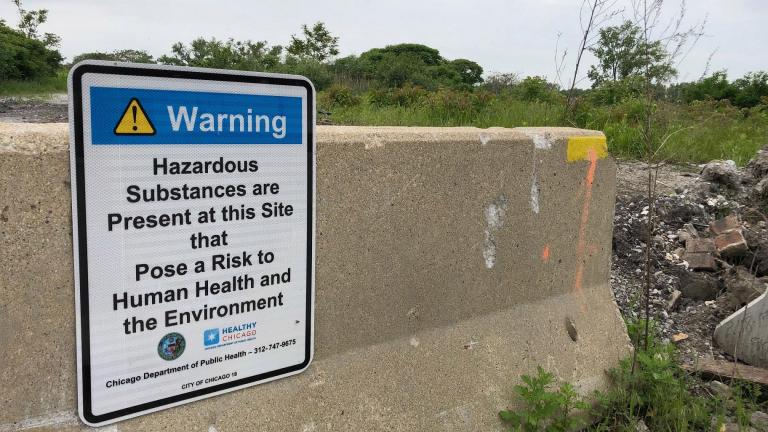
A 67-acre Southeast Side site served as a dumping ground for Republic Steel for nearly 30 years. Inspection records show the property is contaminated with lead, cyanide, mercury and other potentially harmful pollutants.

Buying in bulk and hunting down package-free items can be a challenge that often requires trips to multiple stores. To make sustainable shopping more accessible, two Chicago sisters plan to open a zero-waste marketplace by spring 2020.
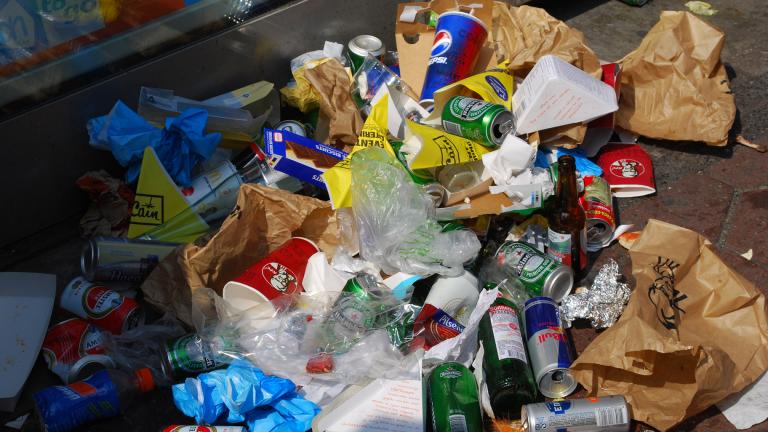
A team led by several Chicago-area researchers has developed a new method to “upcycle” single-use plastics into a number of commonly used products, such as motor oils, detergents and cosmetics.
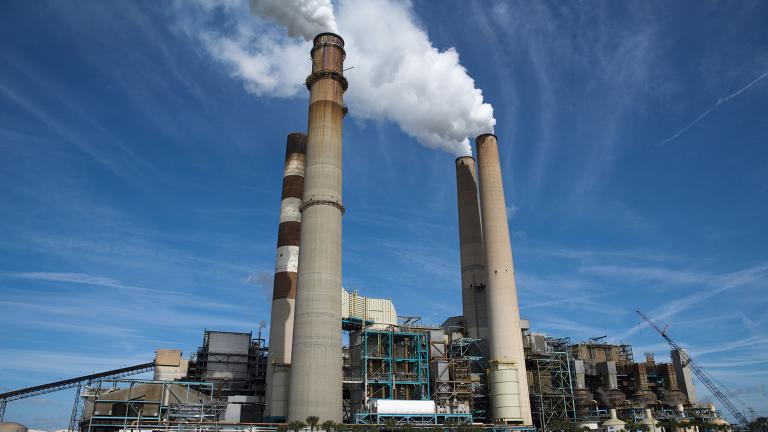
A group of 30 states and cities are taking legal action to defend the federal government’s authority to regulate emissions from coal-fired power plants.
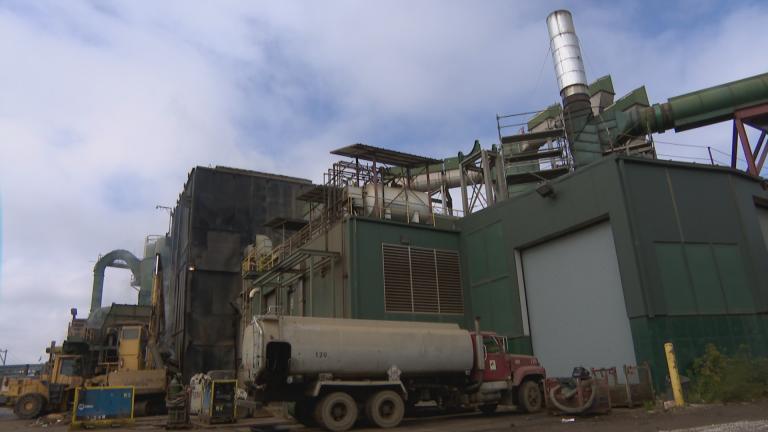

A longtime scrap metal recycler reaches a deal with the city to close up shop at its location next to the Lincoln Yards site and move operations to the Southeast Side. But not everyone is happy about it.
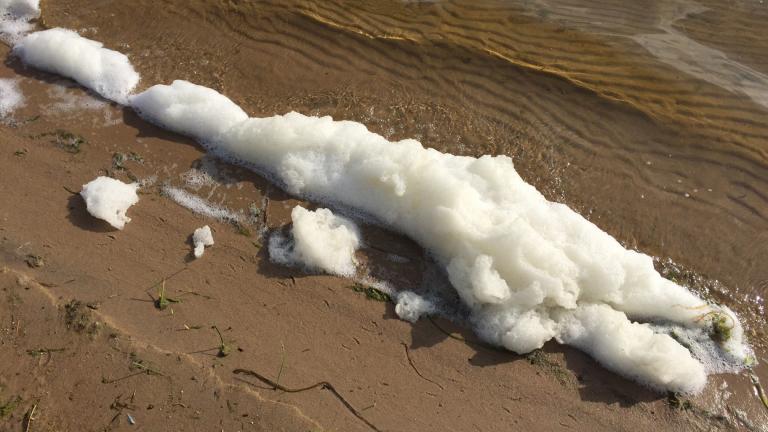
The National Wildlife Federation warns that pollution from PFAS chemicals – often called “forever chemicals” because they don’t break down over time – could be one of the most serious threats facing the Great Lakes region.

Five U.S. states have passed laws regulating the intentional release of balloons amid growing concerns over the risk they pose to wildlife. Illinois could be one of the next states to take action.
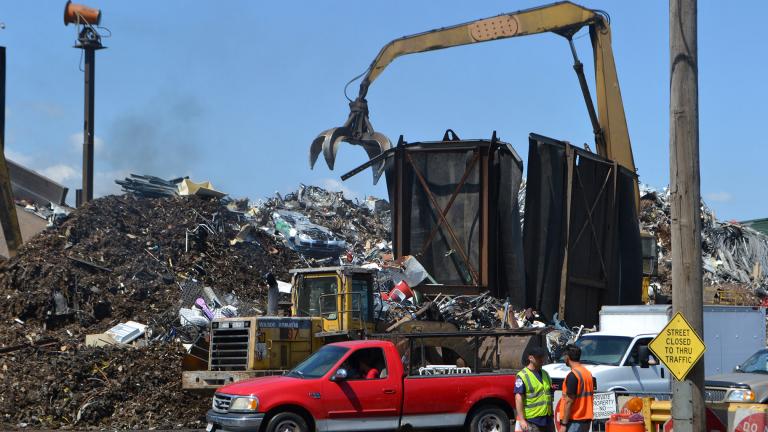
New rules for a scrap metal yard on the city’s North Side require the facility to reduce emissions of potentially cancer-causing compounds after it violated federal air pollution standards last summer.
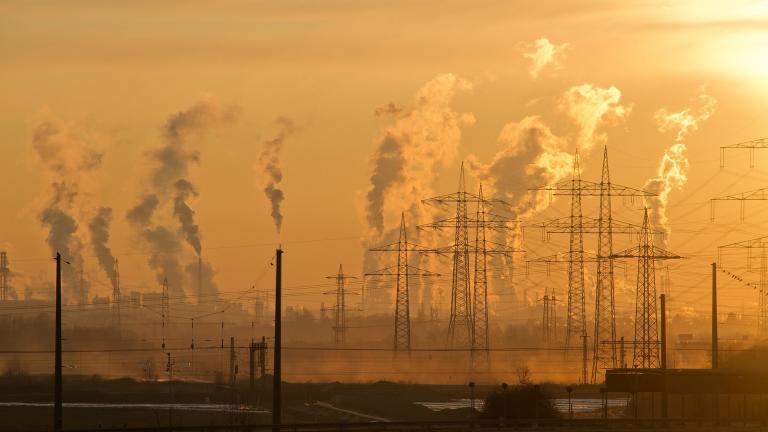
Living in areas with poor air quality increases one’s likelihood of suffering from depression, bipolar disorder and other mental illnesses, according to a new study by University of Chicago researchers.

Using satellite images and data on wildlife activity, scientists determined that artificial light levels found in more than a third of the city are altering the circadian rhythm and behaviors of animals throughout the city.
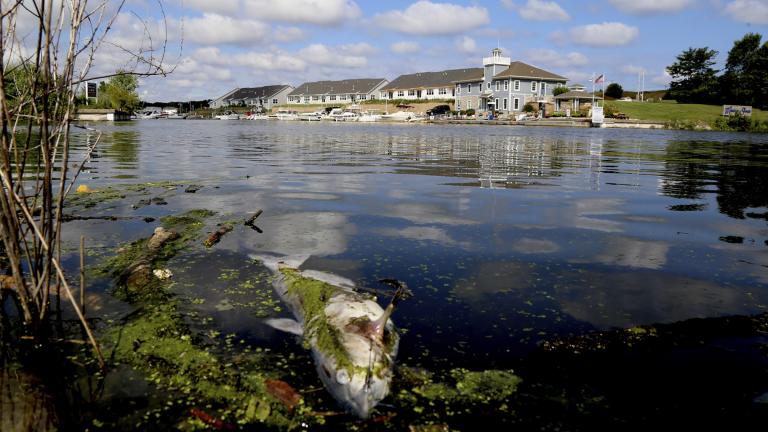
A steel company apologized for a spill of cyanide and ammonia that led to a fish kill and prompted the closure of beaches along Lake Michigan, saying it “accepts responsibility for the incident.”
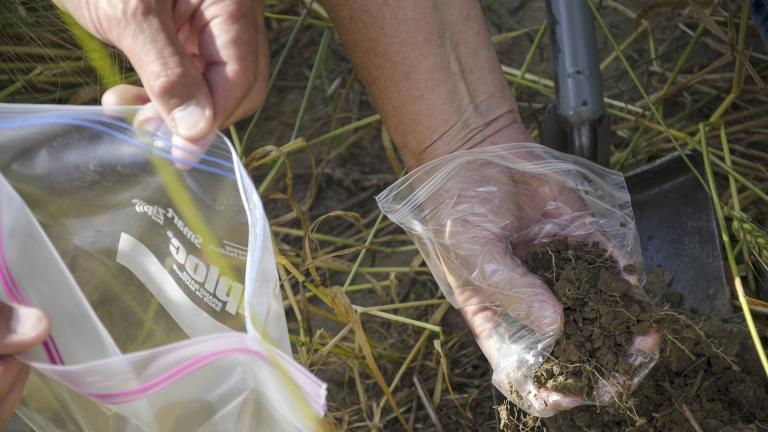
As urban agriculture programs expand in Chicago and other cities, a new project aims to unearth data on one of the biggest potential obstacles to city-based farming efforts: soil contamination.

What lies below the surface of the Chicago River today is not what it was a century ago, but pollution is still a problem. A Chicago nonprofit aims to offer real-time water quality data to the public later this year.
A lawsuit filed Friday aims to stop a plan by the National Highway Traffic Safety Administration that would lower fines for automakers that fail to meet fuel-economy standards.
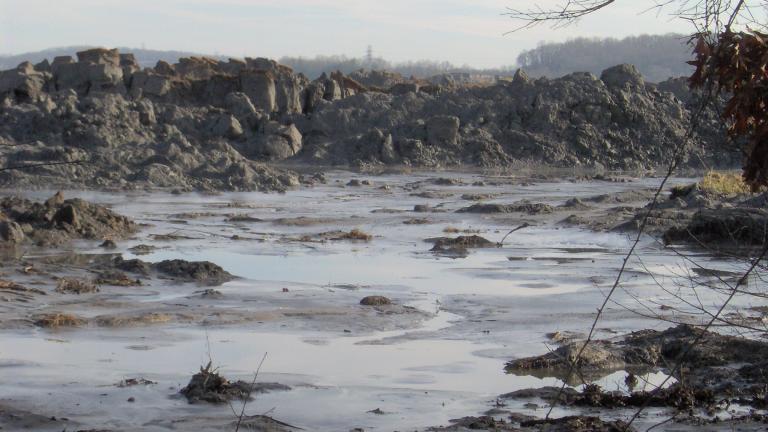
A new law in Illinois prohibits discharge of coal ash into the environment and establishes a regulatory framework to ensure that polluting companies finance the cleanup of coal ash waste, according to the Illinois Environmental Council.
Gov. J.B. Pritzker and four of his counterparts in the region are urging candidates in the 2020 presidential election to back a new plan aimed at protecting the Great Lakes.
Trending
Who Is Running, or Thinking About Running, to Become Chicago’s Next Mayor

Suspend CPD Officers, Sergeant Repeatedly Accused of Making Improper Traffic Stops for a Combined 330 Days: Police Brass

No Tax Hikes or Layoffs Needed to Close Cook County’s $550M Gap Thanks to ‘Budget Magic’: Preckwinkle

Hilario Dominguez, Candidate for CPS Board President, Defends Conduct as Watchdog Reopens Probe Into Inappropriate Behavior Allegations

Johnson’s Debt Refinancing Plan Results in Just Half of What He Promised, Forcing Officials to Scramble to Fill Budget Gap

Sign up for the WTTW News newsletter