

Pollution
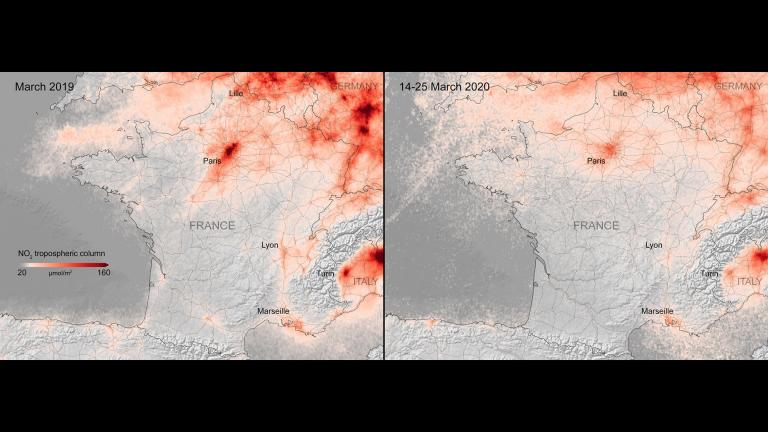

It’s estimated that roughly two billion people around the globe are now under some form of stay-at-home order. This significant slowdown in economic activity has also led to an environmental impact, particularly in the air.
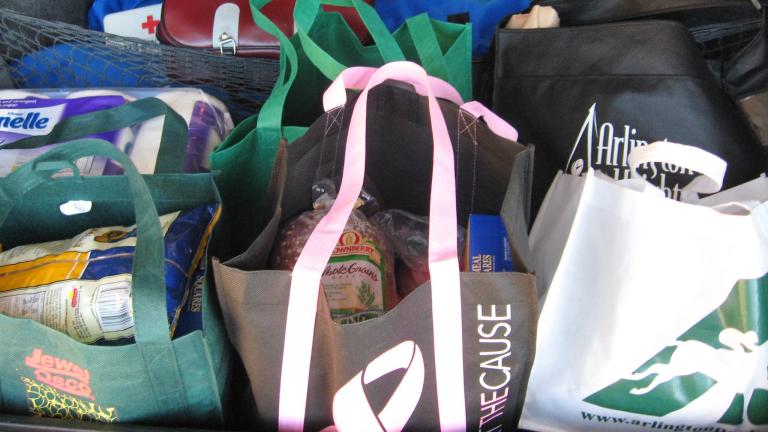
Grocery stores remain one of the few places in Chicago where large numbers of people are still able to mingle, and that — rightfully — has put both employees and customers on edge.
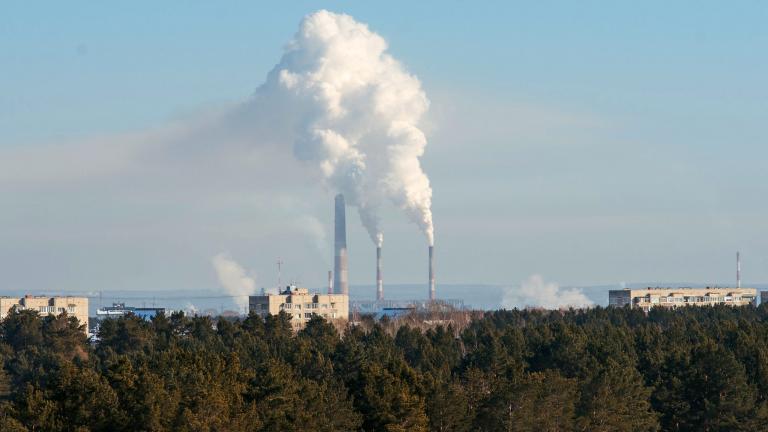
The EPA is relaxing enforcement of “environmental legal obligations” during the coronavirus pandemic, and activists are seething.
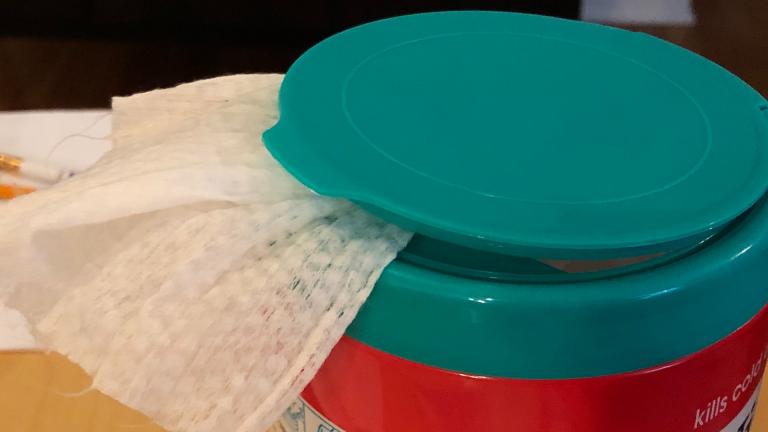
The Metropolitan Water Reclamation District of Greater Chicago has seen a rise in disinfectant wipes stuck to filtering screens at its water reclamation plants, and it now has some advice for residents.
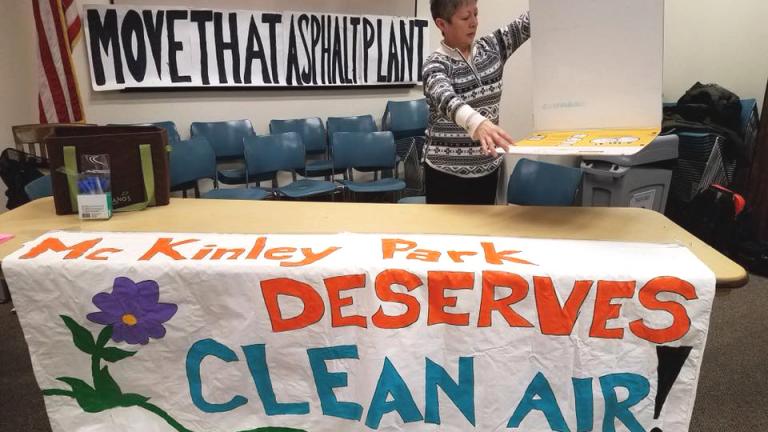
Southwest Side residents are mobilizing to pump the brakes on MAT Asphalt’s application for a 10-year permit from the Illinois EPA, and say they don’t trust the agency to put people over profit.
Starbucks said it is “pausing” the use of personal cups in its stores as a precautionary response to the coronavirus epidemic.
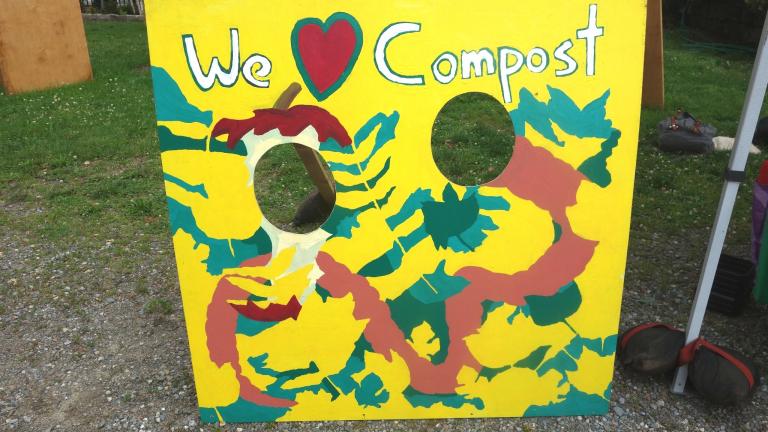
Small actions can add up to meaningful change in the race to avert a climate crisis. But Chicago is lagging when it comes to some of the simplest solutions.

Satellites show a dramatic drop in pollution over China, which scientists say can be partially attributed to quarantines and an economic slowdown due to the coronavirus outbreak.
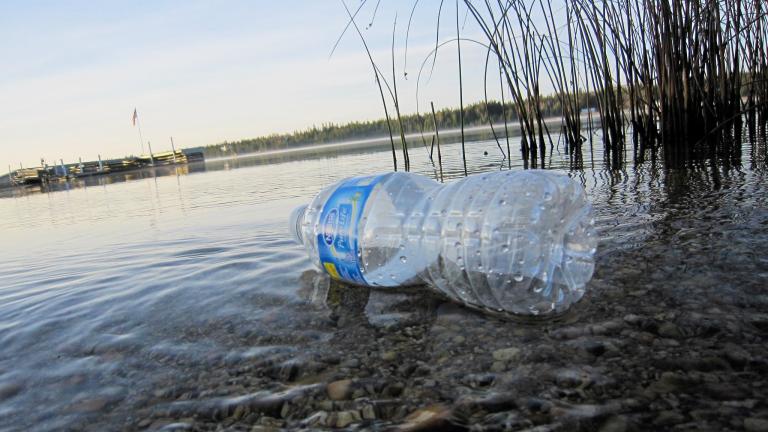
In the war against plastic pollution, Illinois legislators just announced a new battle plan that would tackle the problem from multiple angles.
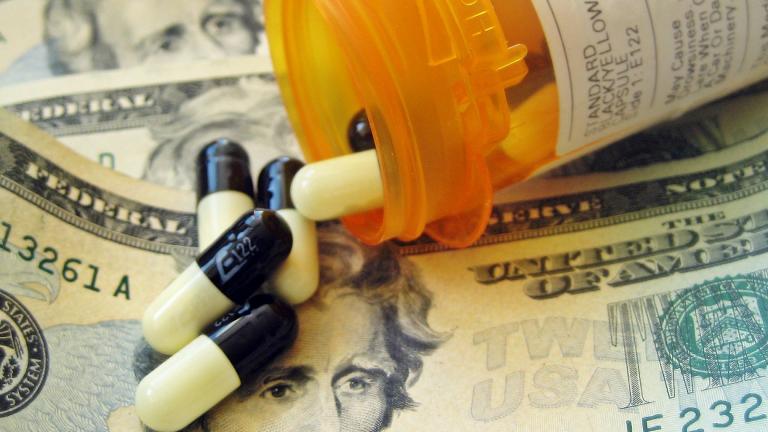
Flushing unused or expired prescription drugs down the toilet is “neither safe nor responsible,” says one local official. A new bill would establish convenient statewide locations for their collection instead.
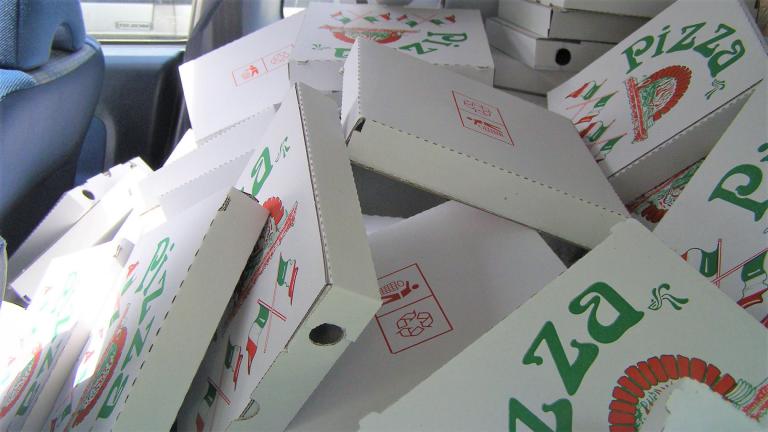
Hosting a more sustainable Super Bowl party can be as easy as buying snacks from the bulk bin and using cloth napkins instead of paper. Oh, and split the difference on pizza boxes.
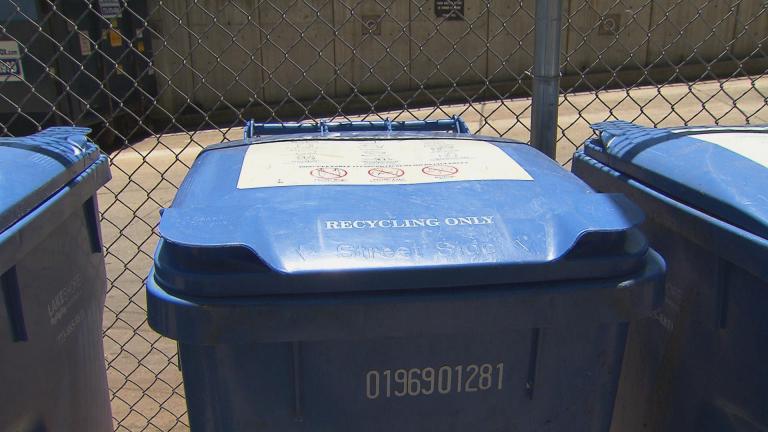
Is it time to hit the reset button on Chicago’s beleaguered Blue Cart recycling program? The city is preparing to conduct a study of the nation’s waste management best practices as it looks for ways to improve.
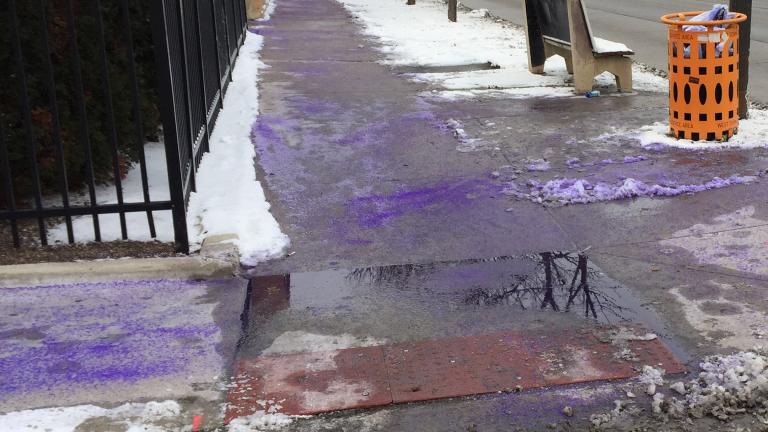
Overuse of salt as a de-icer can contaminate waterways and harm wildlife. Learn how much is too much – and what eco-friendly options exist.
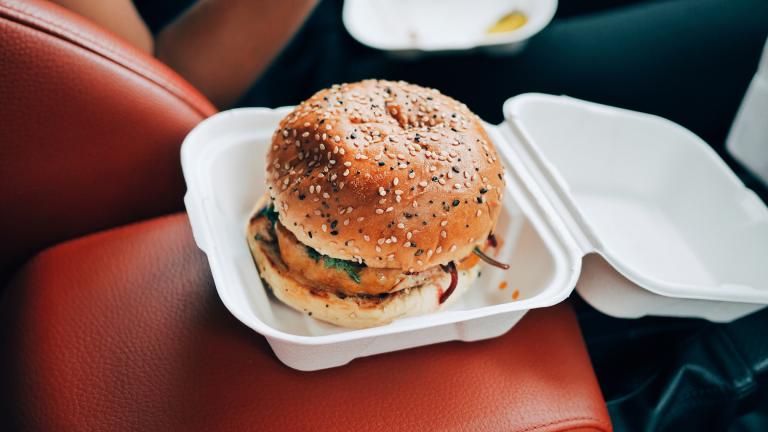
Chicago aldermen have proposed a ban on single-use plastics and Styrofoam containers in an effort to cut down on plastic pollution. We learn more from Abe Scarr of the Illinois Public Interest Research Group, which helped craft the proposal.
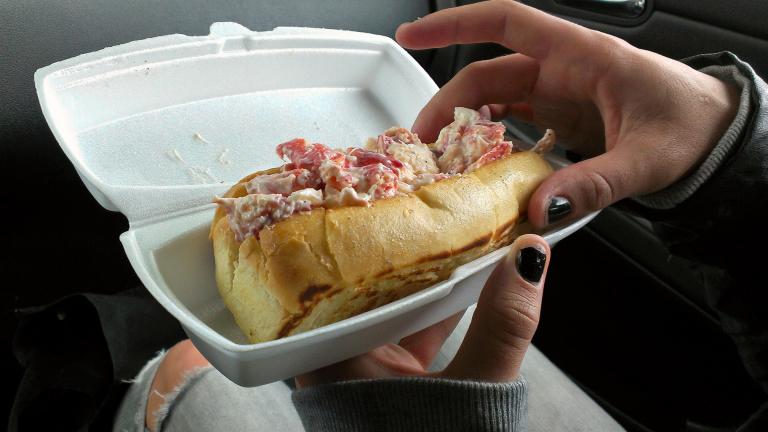
Chicago is getting tough on plastic waste. A new city ordinance would, if passed, ban Styrofoam to-go containers and reduce single-use plastic utensils.

In 2003, the Illinois Environmental Protection Agency had 1,265 employees. By 2018, that number had fallen to 639, according to a new report that a former IEPA director describes as “both a wake-up call and call to action.”
Trending
Who Is Running, or Thinking About Running, to Become Chicago’s Next Mayor

Suspend CPD Officers, Sergeant Repeatedly Accused of Making Improper Traffic Stops for a Combined 330 Days: Police Brass

No Tax Hikes or Layoffs Needed to Close Cook County’s $550M Gap Thanks to ‘Budget Magic’: Preckwinkle

Hilario Dominguez, Candidate for CPS Board President, Defends Conduct as Watchdog Reopens Probe Into Inappropriate Behavior Allegations

Johnson’s Debt Refinancing Plan Results in Just Half of What He Promised, Forcing Officials to Scramble to Fill Budget Gap

Sign up for the WTTW News newsletter