

Environment
Remember those endangered piping plovers that captured Chicagoans’ hearts? They’re back — as the stars of the documentary “Monty and Rose,” screening this month during the One Earth Film Festival.
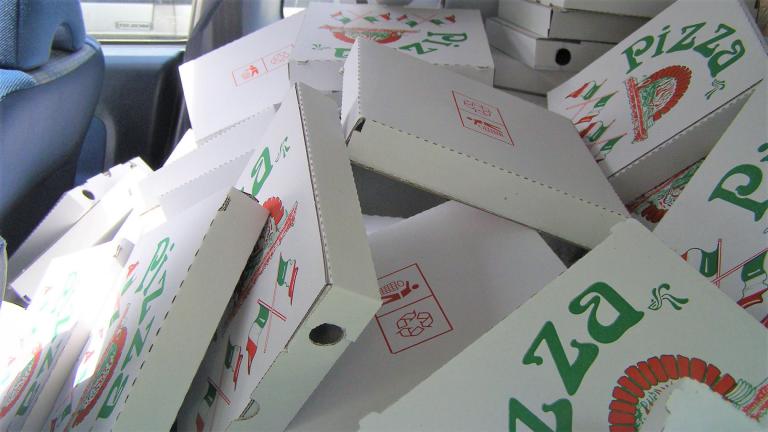
Hosting a more sustainable Super Bowl party can be as easy as buying snacks from the bulk bin and using cloth napkins instead of paper. Oh, and split the difference on pizza boxes.

In 2003, the Illinois Environmental Protection Agency had 1,265 employees. By 2018, that number had fallen to 639, according to a new report that a former IEPA director describes as “both a wake-up call and call to action.”
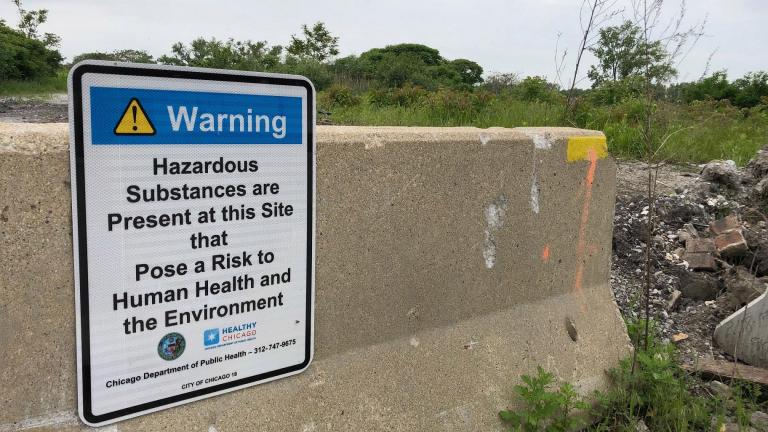
A 67-acre Southeast Side site served as a dumping ground for Republic Steel for nearly 30 years. Inspection records show the property is contaminated with lead, cyanide, mercury and other potentially harmful pollutants.

Emmanuel Pratt will use a South Side community farm he developed as a “living laboratory” to teach students about contemporary sustainability initiatives.

Buying in bulk and hunting down package-free items can be a challenge that often requires trips to multiple stores. To make sustainable shopping more accessible, two Chicago sisters plan to open a zero-waste marketplace by spring 2020.
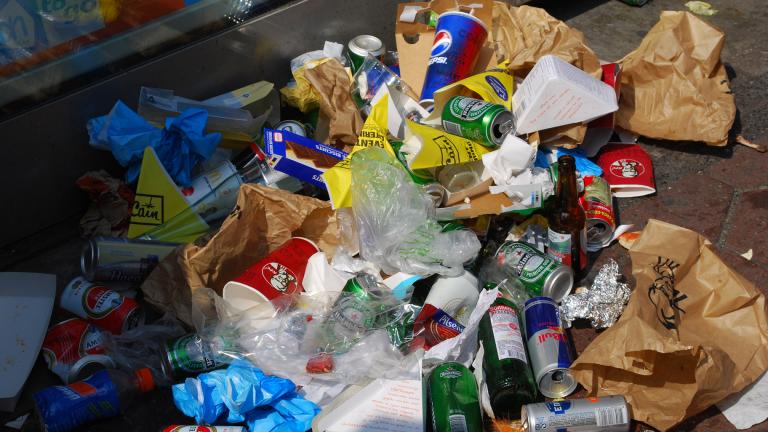
A team led by several Chicago-area researchers has developed a new method to “upcycle” single-use plastics into a number of commonly used products, such as motor oils, detergents and cosmetics.
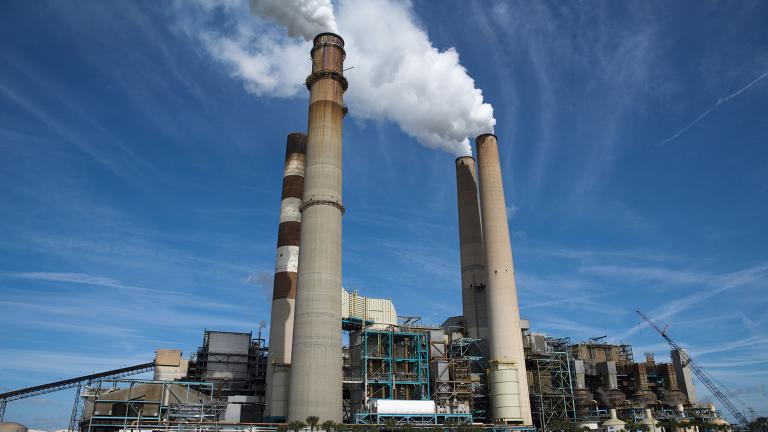
A group of 30 states and cities are taking legal action to defend the federal government’s authority to regulate emissions from coal-fired power plants.
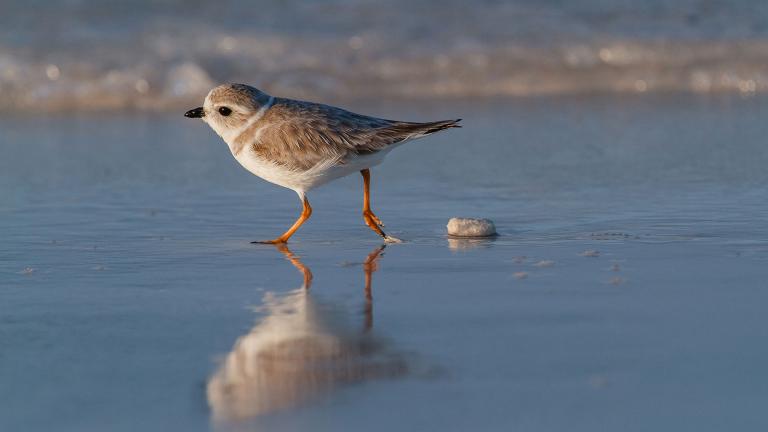
Hundreds of bird species in North America are at risk of extinction from climate change, according to an alarming new report from the National Audubon Society.
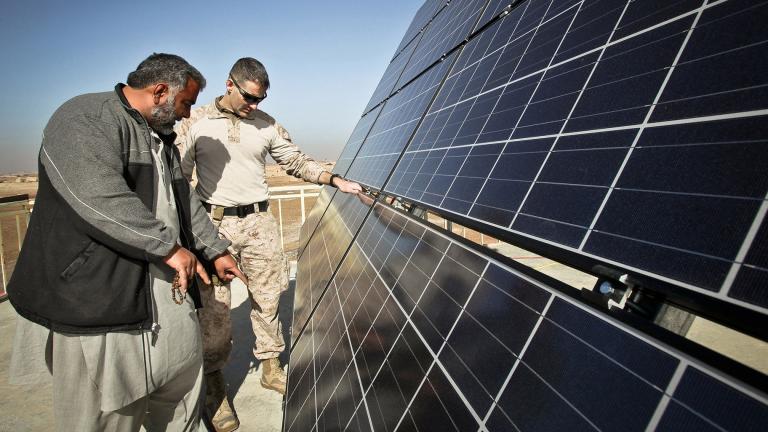
An increasing number of veterans are pursuing careers in fast-growing environmental sectors, like solar and wind energy, says Jessica Klinge, who will lead the Illinois chapter of Green Veterans.
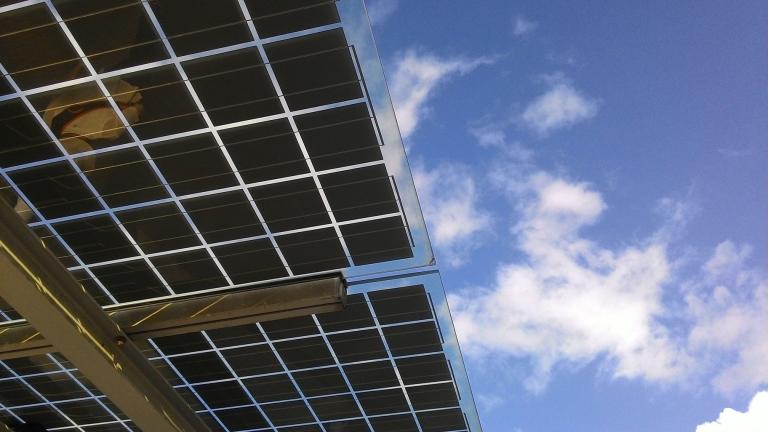
The Low-Income Solar Energy Act would expand an existing program and create new ones to make solar energy more affordable for low-income Americans.

The polar bear has become the poster child for climate change, but increasing temperatures impact many forms of life – including insects. Dr. May Berenbaum weighs in on what that means for the rest of life on Earth.
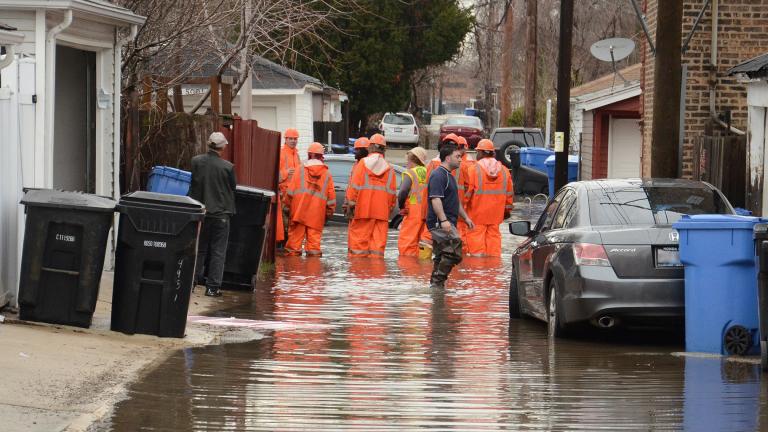
Illinois experienced more than 1,500 flood events from 2000 to 2018 – an average of 1.5 floods per week – resulting in $3 billion in property damages, according to a new report from the American Geophysical Union.
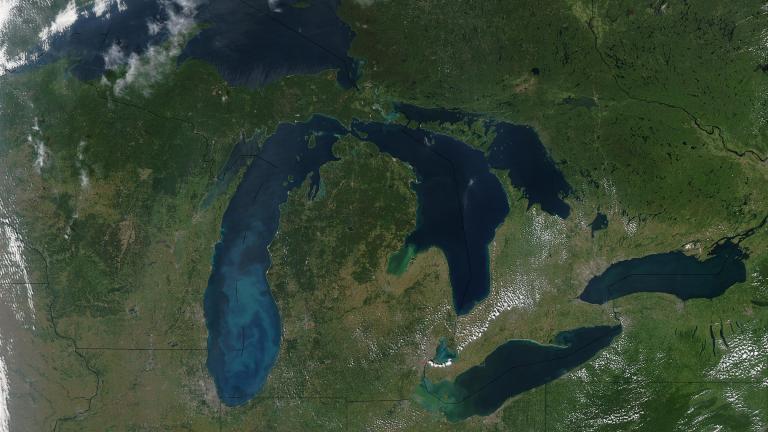
The bill, which still needs approval in the full House and the Senate, would expand a 10-year effort to clean up toxic pollution, restore fish and wildlife habitat, manage invasive species and reduce runoff pollution in the Great Lakes.
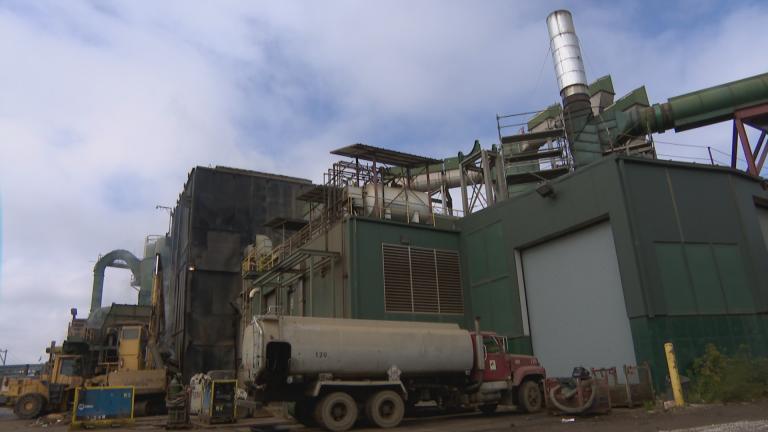

A longtime scrap metal recycler reaches a deal with the city to close up shop at its location next to the Lincoln Yards site and move operations to the Southeast Side. But not everyone is happy about it.
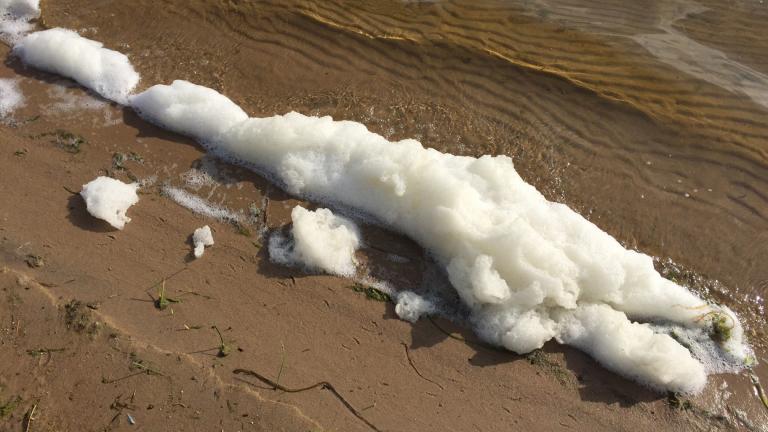
The National Wildlife Federation warns that pollution from PFAS chemicals – often called “forever chemicals” because they don’t break down over time – could be one of the most serious threats facing the Great Lakes region.
Trending
Who Is Running, or Thinking About Running, to Become Chicago’s Next Mayor

Suspend CPD Officers, Sergeant Repeatedly Accused of Making Improper Traffic Stops for a Combined 330 Days: Police Brass

No Tax Hikes or Layoffs Needed to Close Cook County’s $550M Gap Thanks to ‘Budget Magic’: Preckwinkle

Hilario Dominguez, Candidate for CPS Board President, Defends Conduct as Watchdog Reopens Probe Into Inappropriate Behavior Allegations

Johnson’s Debt Refinancing Plan Results in Just Half of What He Promised, Forcing Officials to Scramble to Fill Budget Gap

Sign up for the WTTW News newsletter