

Climate Change


The Field Museum will be at the center of Chicago’s youth climate strike Friday as activists across the globe hold what is expected to be one of the largest environmental demonstrations in the history of the planet.

An electric vehicle maker is on tap to build 100,000 delivery vans for the e-commerce giant Amazon. The massive order is just part of a broader commitment, announced Thursday by Amazon CEO Jeff Bezos, to make his company greener.

Humans in many areas of the world were farming, burning forests, grazing their animals and causing major changes to the environment some 1,000 years earlier than previously thought.

The step by the Trump administration would be the latest in a series unwinding the Obama administration’s efforts to cut climate-changing emissions from the oil, gas and coal industries.

A new installation combining art, architecture and technology provides an immersive look at the underwater world of reefs.
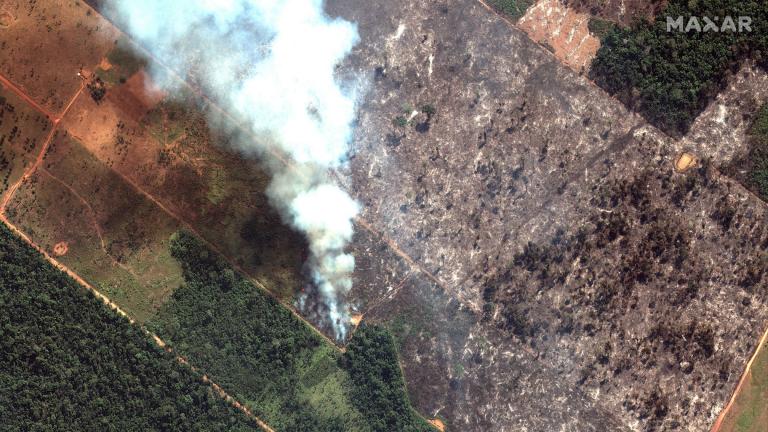
News of a spike in wildfires in the Amazon led to an international outcry aimed at Brazilian President Jair Bolsonaro, who responded over the weekend by authorizing the deployment of 44,000 military troops to put out the fires.

The state had been prohibited from settings its own emissions targets for more than 20 years. Lawmakers are now expected to focus on an aspirational clean energy bill with the goal of moving Illinois to 100% clean energy by 2050.
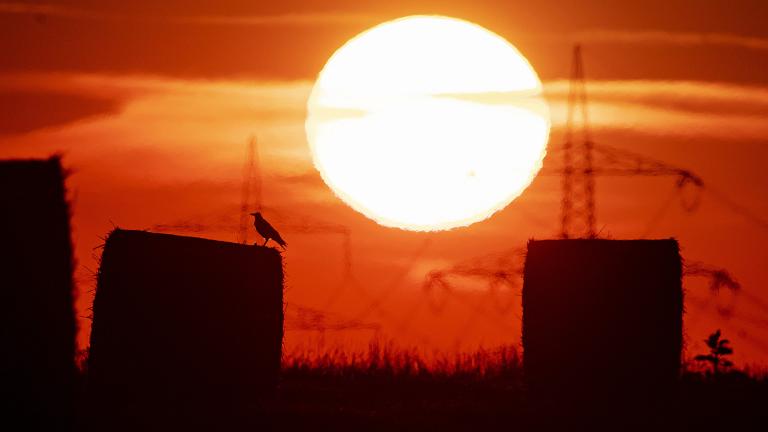
July was the hottest month measured on Earth since records began in 1880, the latest in a long line of peaks that scientists say backs up predictions for man-made climate change.
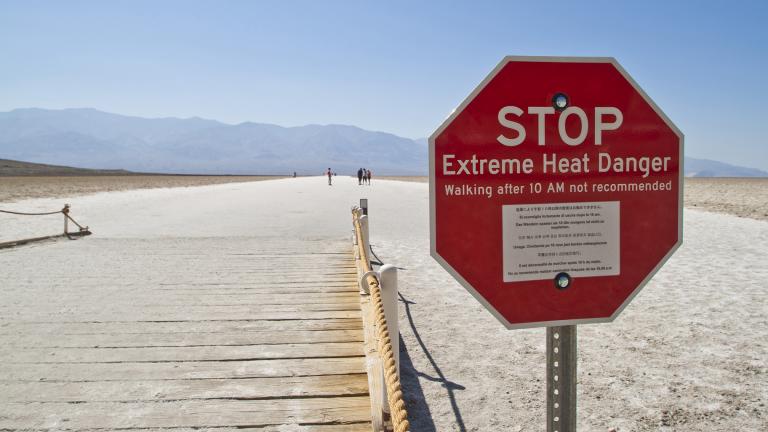
Illinois residents experience roughly two days each year in which the heat index surpasses 105 degrees Fahreneit. Within roughly three decades, that number could rise to 26 days per year, according to a new report.
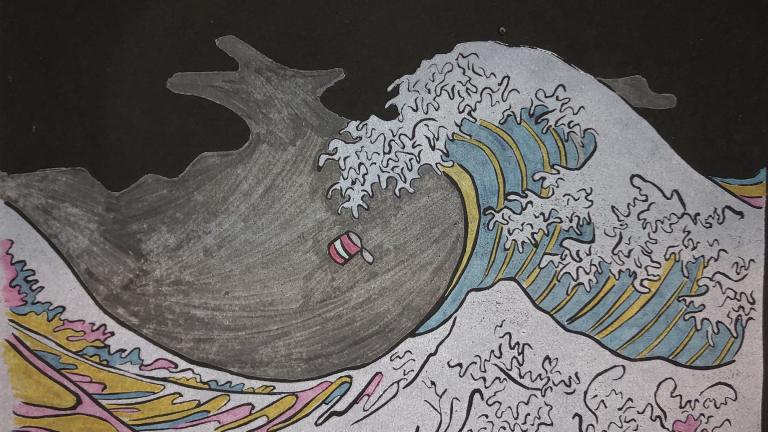
Meet Dr. Mika Tosca, a scientist who traded a job at NASA’s renowned Jet Propulsion Lab to teach climate science to art and design students in Chicago.
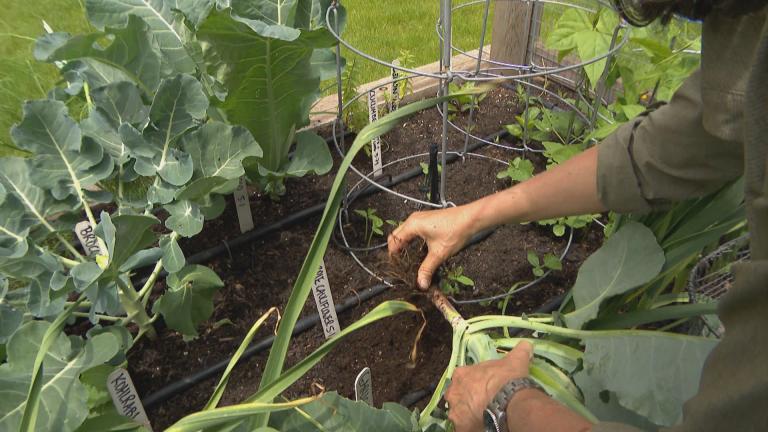
Near-record rainfall has left many farms and gardens underwater, but some area gardens – including our WTTW organic garden – appear to be thriving. Organic gardener Jeanne Nolan explains why.
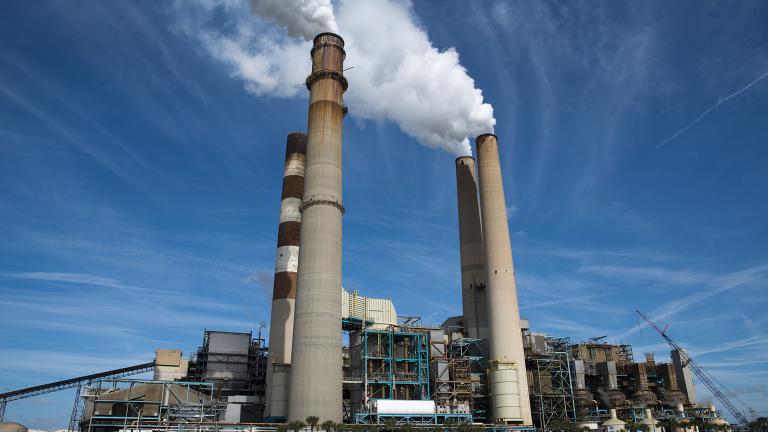
Public officials and environmental advocates are speaking out against the Trump administration’s rollback of an Obama-era effort to shift the U.S. away from coal-fired power plants.
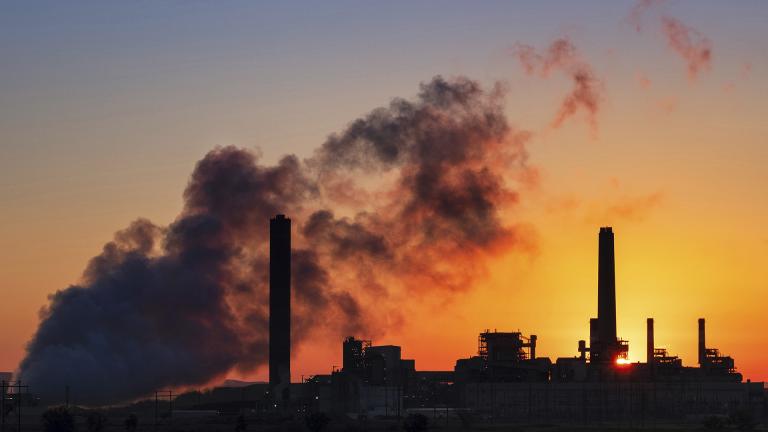
The Trump administration on Wednesday completed one of its biggest rollbacks of environmental rules, replacing the landmark Obama-era Clean Power Plan with a replacement rule.
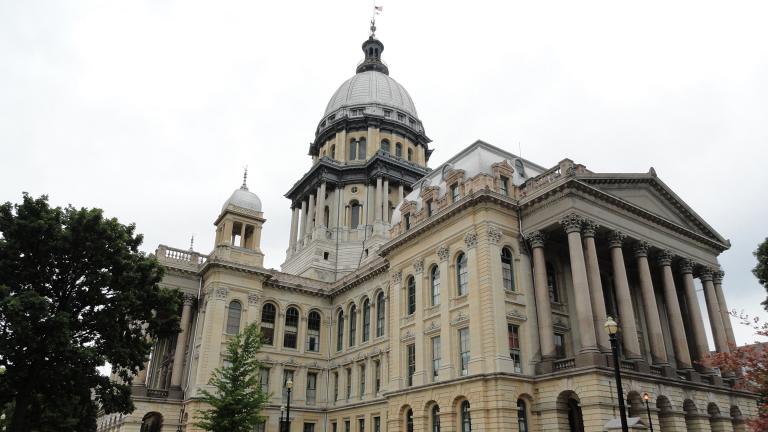
The Illinois General Assembly has voted to repeal a decades-old law that prohibited the state from implementing its own restrictions on greenhouse gas emissions.

There might be a new kind of meat cooking on the grill this weekend: alternative meat. But what is it? And why the craze?
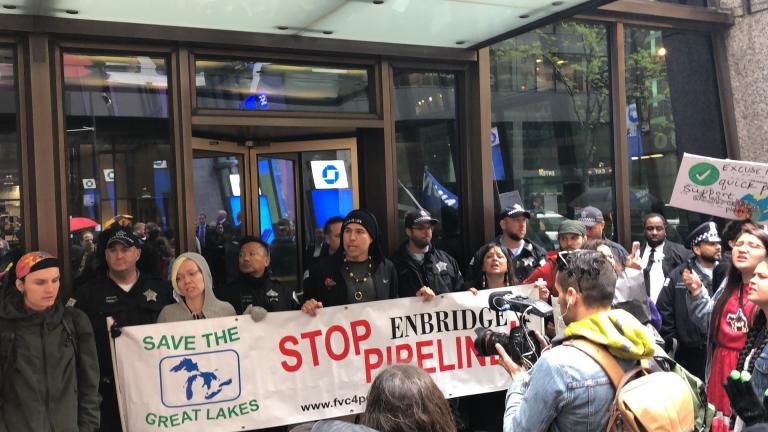
Dozens of environmental activists from across the Midwest rallied Tuesday outside Chase Tower in the Loop to protest the financing of fossil fuel projects by the country’s largest bank.
Trending
A CTA Bus Driver Was Attacked on the Job. She Was Later Fired While on Leave

Cost to Resolve Lawsuits Tied to Disgraced Ex-CPD Detective Reynaldo Guevara Tops $473M, With 25 Lawsuits Pending
Pritzker, Bailey Square Off in Contentious Discussion Over Taxes, Trump and Bears

Top Cop Agrees to Fire Chicago Police Officer Who Repeatedly Used Racial Slurs: Records

After City Council Refused to Settle, Jury Rejects Lawsuit Filed by Family of Woman Killed by Driver Chased by CPD
Sign up for the WTTW News newsletter