

Climate Change
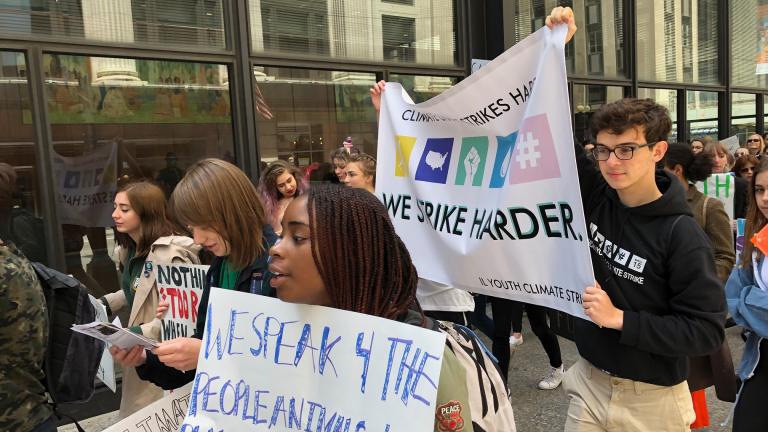
Several hundred students ditched classes Friday for a march and rally downtown as part of the Youth Climate Strike, a global movement demanding action to address global warming.

The non-binding measure is being celebrated by environmental advocates, who note that Chicago is now the largest U.S. city to announce a timeline for obtaining all of its energy from renewable sources.
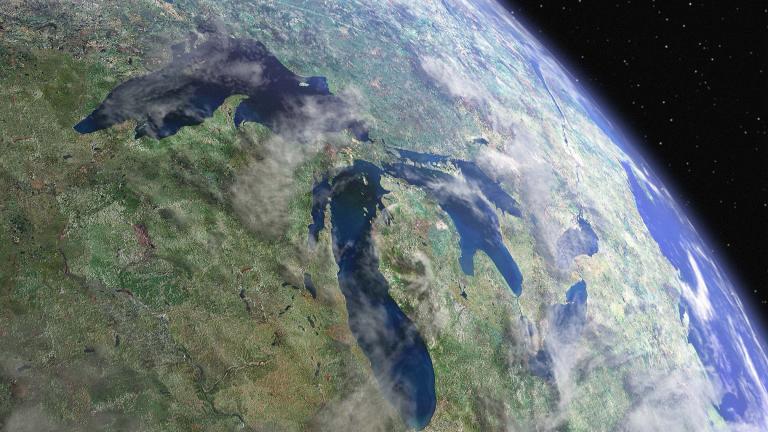
A first-of-its-kind report shows how climate change is threatening the Great Lakes, and how their ongoing transformation figures to impact the entire region.
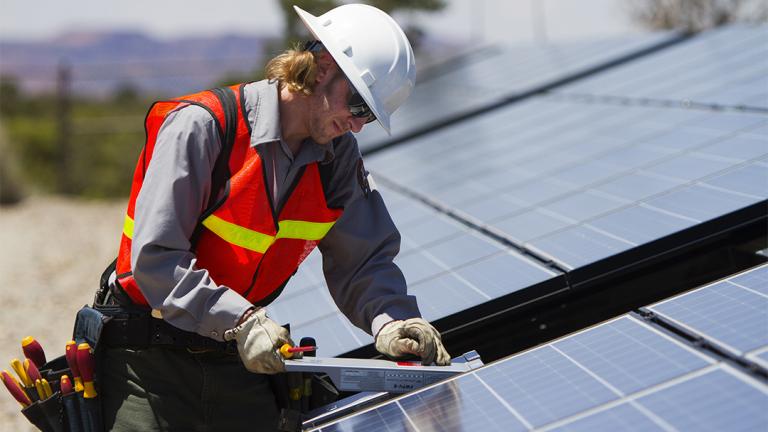
The Clean Energy Jobs Act aims to move Illinois to 100 percent renewable energy by 2050 while modernizing the state’s transportation sector and creating thousands of new jobs.
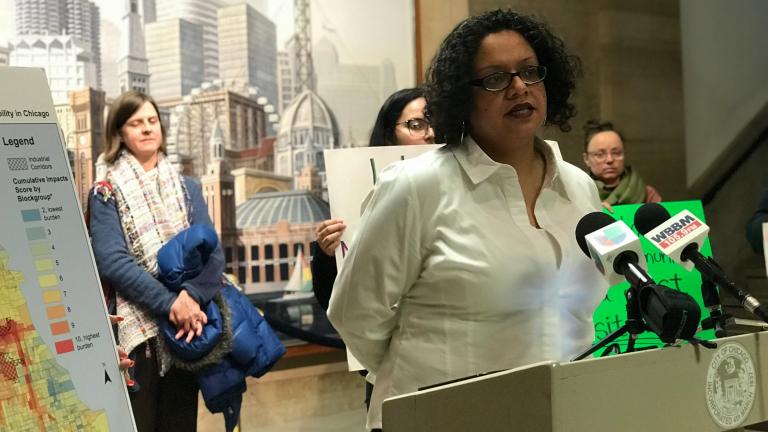
Mayor Rahm Emanuel announces a plan for transitioning Chicago buildings to 100 percent renewable energy by 2035. But community advocates say the plan ignores existing environmental threats in some parts of the city.

The Chicago area’s wastewater treatment agency says it is ahead of schedule in its efforts to combat climate change.
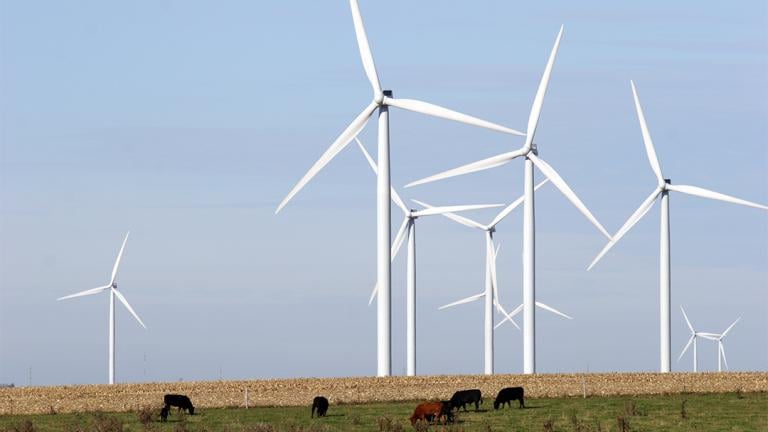
State Rep. Will Davis plans to file legislation this week that he says would expand the state’s share of renewable energy to 40 percent of total energy sources by 2030.
The clock hands didn’t move this year, but that’s no “sign of stability,” says Rachel Bronson, president and CEO of the Bulletin of the Atomic Scientists. Instead, she calls it a “stark warning.”
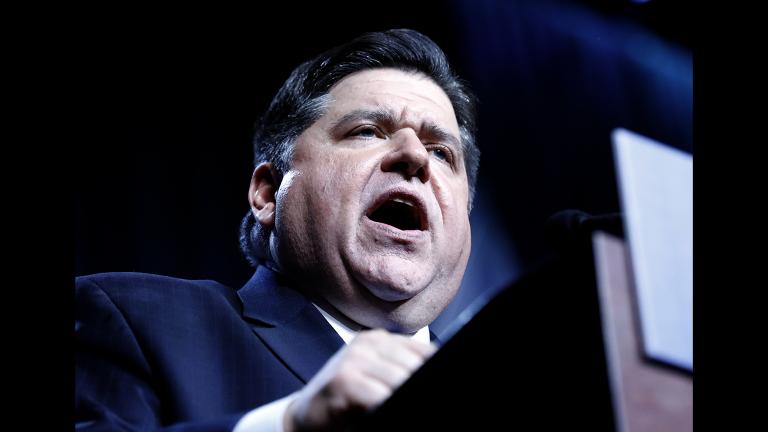
The move by Illinois’ new governor marks a sharp departure from his predecessor, former Gov. Bruce Rauner, who made little to no mention of the state’s role in curbing carbon emissions that most scientists agree contribute to global warming.
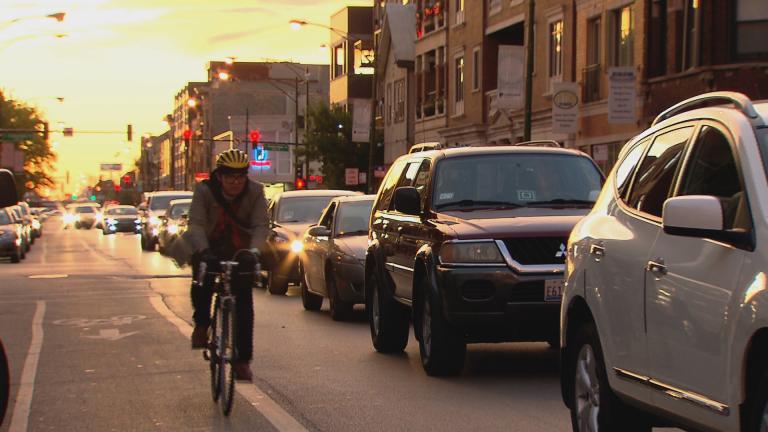
A $2.5 million award to address climate change will help Chicago expand bike-share programs to all parts of the city, according to the mayor’s office.
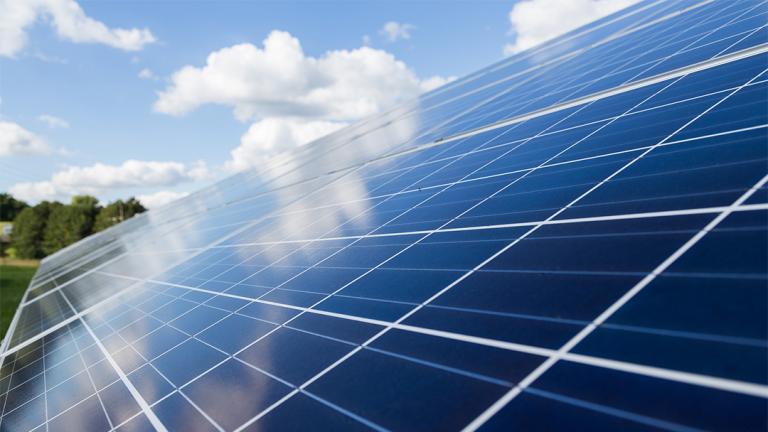
The mega-retailer says plans to install solar panels at nearly two dozen sites across Illinois will represent a 25-percent increase in the state’s current solar capacity.
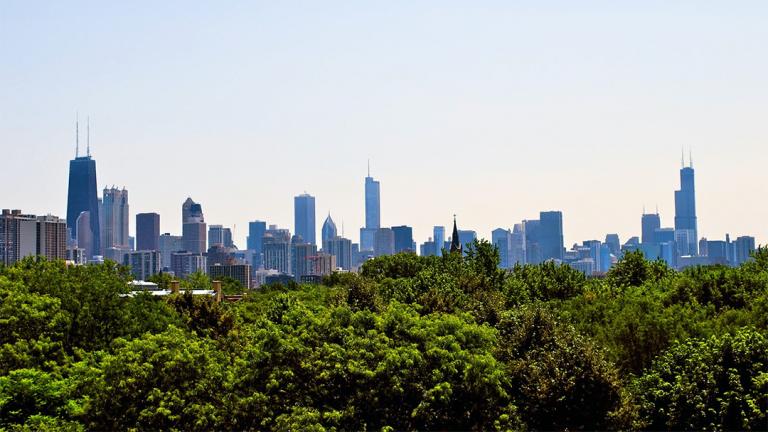
Chicago-based environmental group Openlands has received a $1 million grant to address climate change by planting new trees and recruiting residents to protect them.
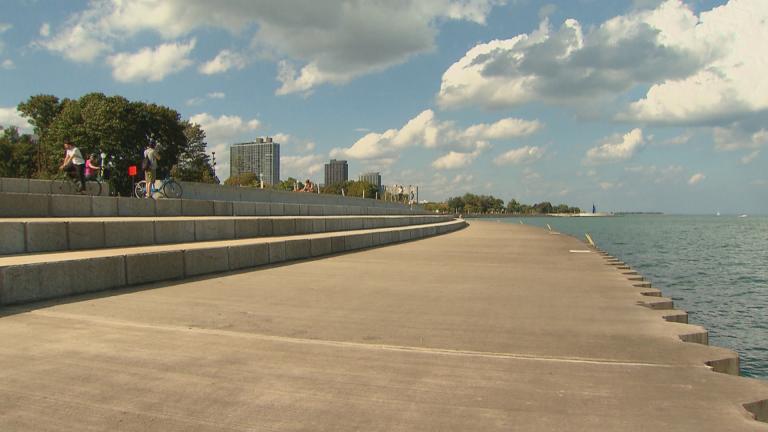

A United Nations report warns catastrophic consequences from global warming could come as early as 2040. Local scientists share their perspectives.
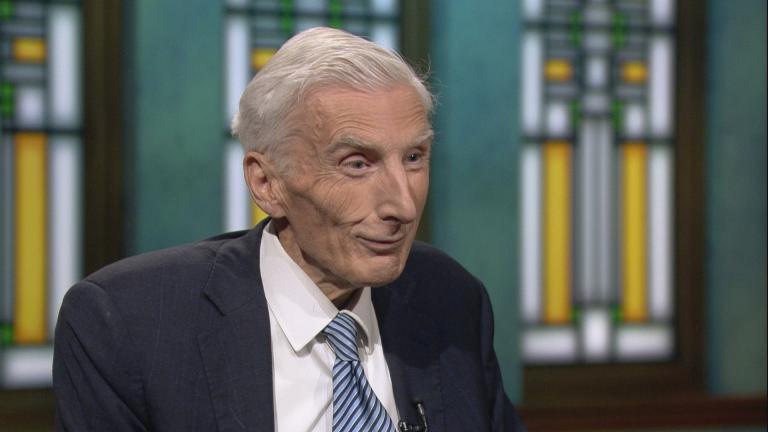
A renowned astrophysicist explores the challenges facing Earth – and the prospect of life beyond it – in his new book “On the Future.”
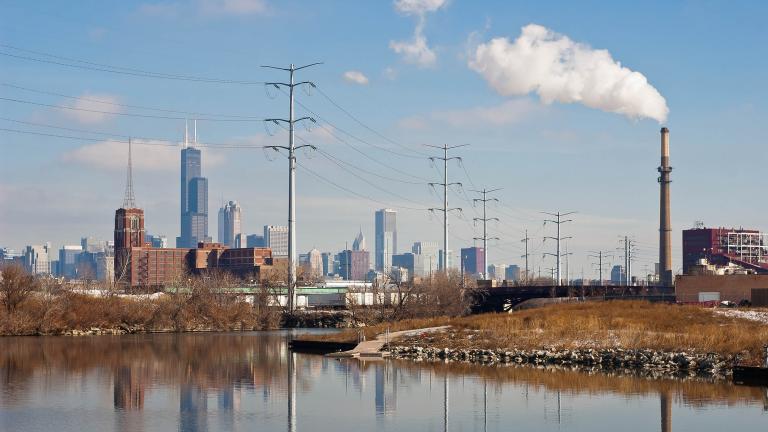
Local public health experts are set to testify at a Chicago hearing next week on the Trump administration’s proposal to repeal the Clean Power Plan, which established limits on pollution from power plants.
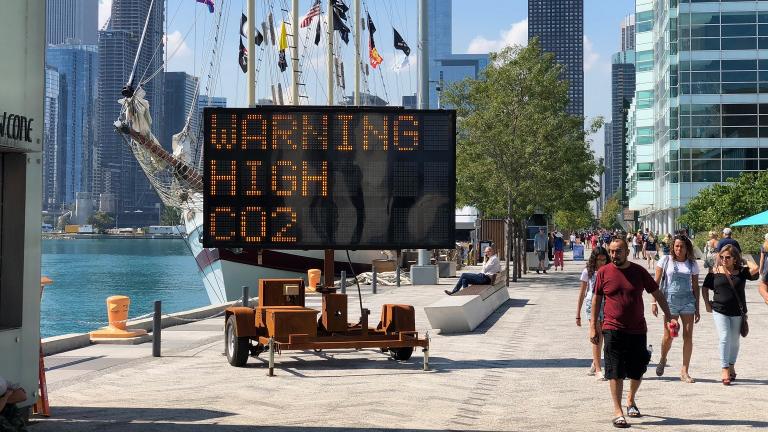
Pull over to the side of the road and consider the world-ending event taking place before your eyes. That’s essentially the message conveyed by the newest piece of public art on display at Navy Pier.
Trending
A CTA Bus Driver Was Attacked on the Job. She Was Later Fired While on Leave

Cost to Resolve Lawsuits Tied to Disgraced Ex-CPD Detective Reynaldo Guevara Tops $473M, With 25 Lawsuits Pending

Pritzker, Bailey Square Off in Contentious Discussion Over Taxes, Trump and Bears

Top Cop Agrees to Fire Chicago Police Officer Who Repeatedly Used Racial Slurs: Records

After City Council Refused to Settle, Jury Rejects Lawsuit Filed by Family of Woman Killed by Driver Chased by CPD

Sign up for the WTTW News newsletter