

Chicago History
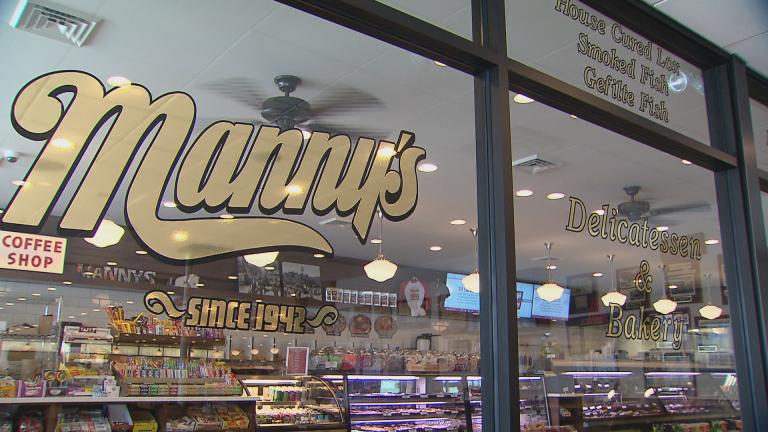

For decades, it’s been the one place in Chicago where you can get a giant serving of corned beef or pastrami, with some juicy political gossip on the side.
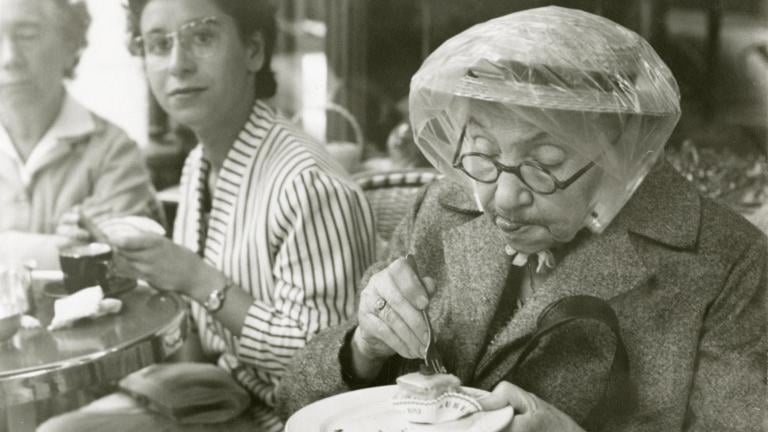
A relatively small but significant trove of photographs by Vivian Maier has a new home at the University of Chicago Library.

For decades, the steel industry forged Chicago’s industrial spine. Now, we forge a no-nonsense drink for the no-nonsense lady who brought the titans of steel to their knees.
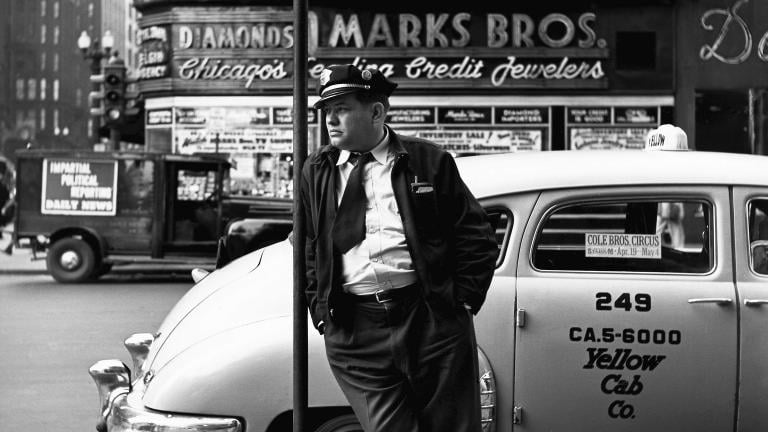
Richard Cahan and Michael Williams spend a lot of time digging through old photos of Chicago, and together have created 14 stunning books. Take a look at their latest, “Chicago: Classic Photographs.”
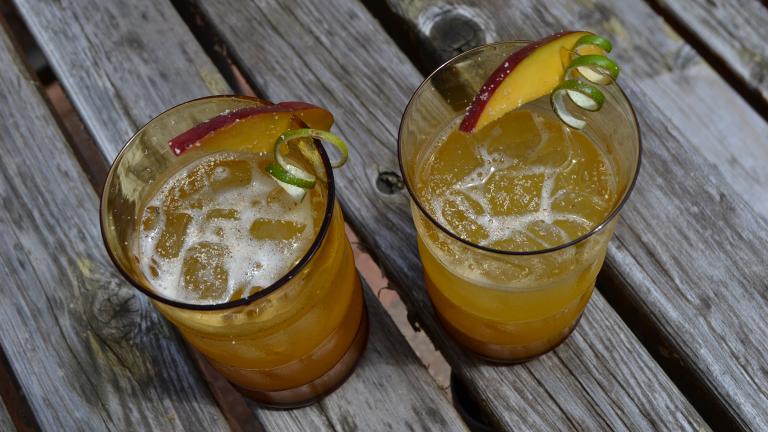
We raise a glass to one of the first female architects in the U.S. with a rum-based sipper that creates beauty from the sour, the bitter and the strange.
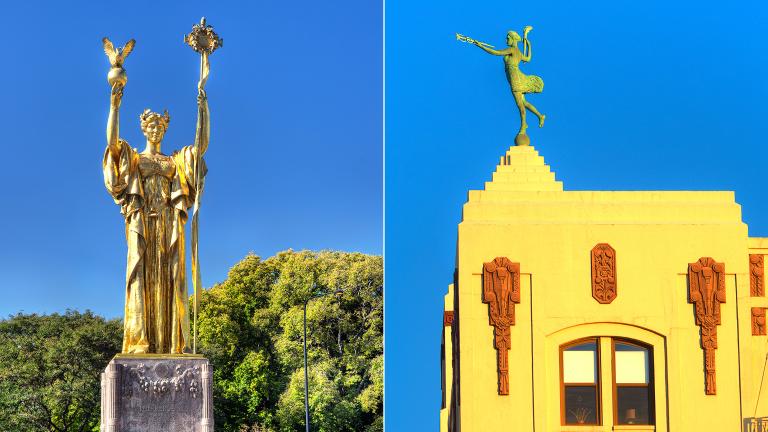
You’ve heard Chicago described as the City of Big Shoulders and the City of Neighborhoods. Writer and photographer Larry Broutman offers yet another nickname: the City of Monuments. Learn why.
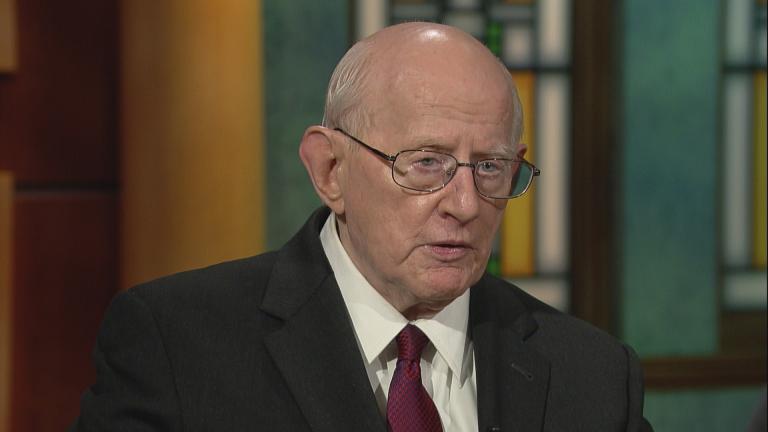
The man who led the prosecution of Richard Speck for the brutal murder of eight Chicago nurses died Friday. We revisit last year’s interview with William Martin.
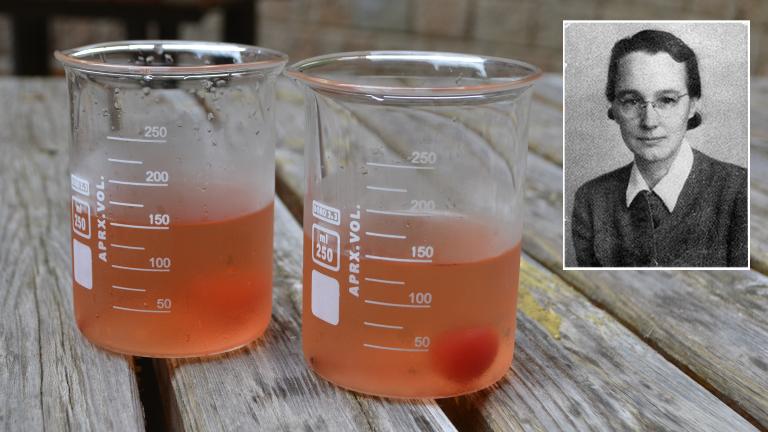
We toast the analytical chemist and former South Side resident by switching up the elements of a classic Manhattan.
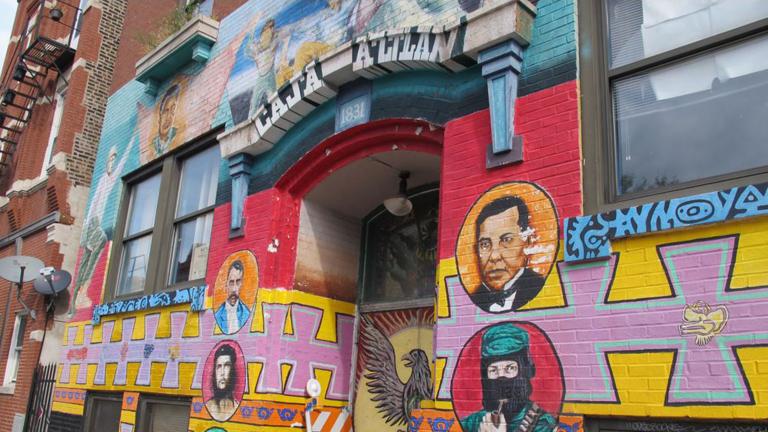
When a developer painted over a beloved and iconic mural on a shuttered Pilsen community center last month, the response was swift and strong.
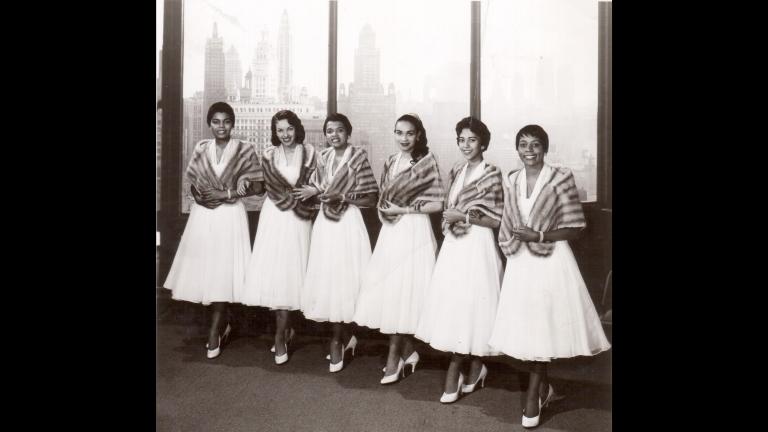
In the late 1950s, the Chicago Defender and Pabst Brewing Company sponsored the Miss Wonderful 1958, an all African-American beauty contest. Meet Ernestine Terry, who was one of the contestants.
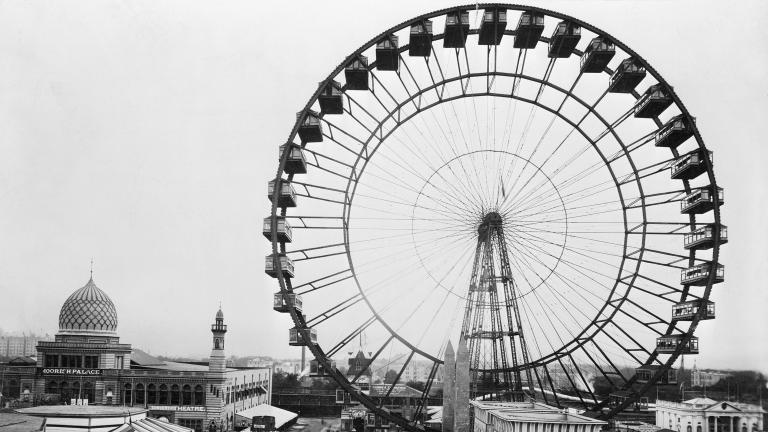
Chicago might be called the Second City, but we can lay claim to a few big historical firsts. Geoffrey Baer shares his favorite firsts in this encore edition of Ask Geoffrey.
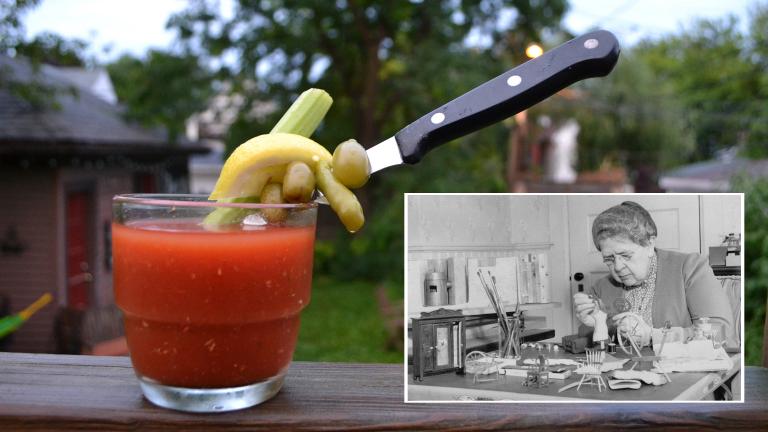
Try our smoky twist on the classic bloody mary in honor of a crime scene pioneer who trained police detectives with her gruesome dioramas.
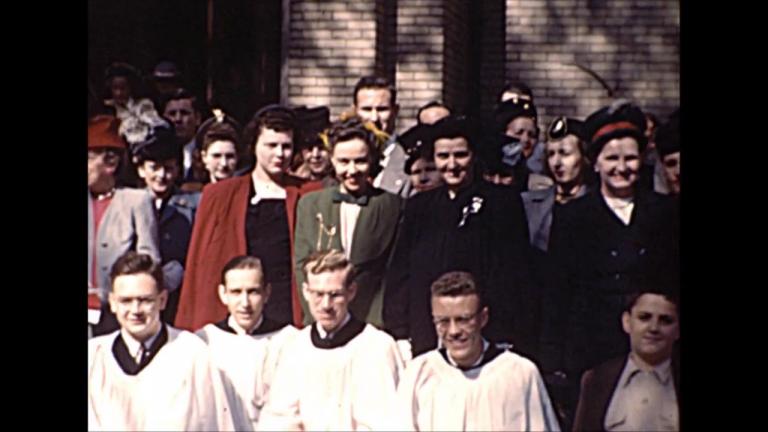
After finding the first known moving images of the 1915 Eastland disaster, a UIC graduate student uncovers a treasure trove of vintage films about a neighborhood church and its congregants.
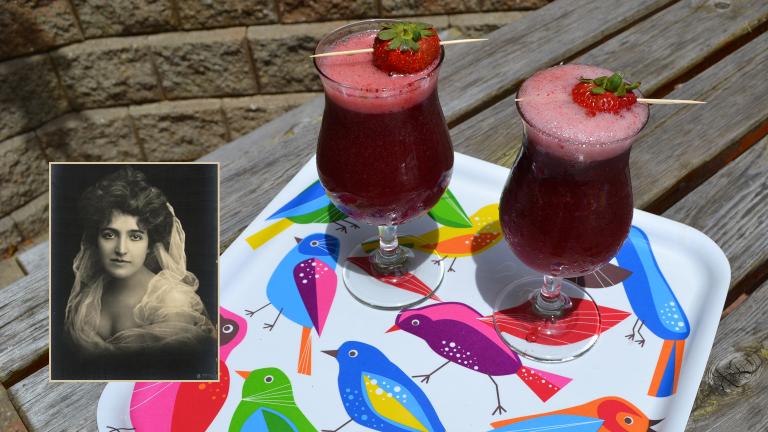
We salute the sparkling stage presence of a turn-of-the-century star with a cocktail made with Prosecco, limoncello and summer fruit.
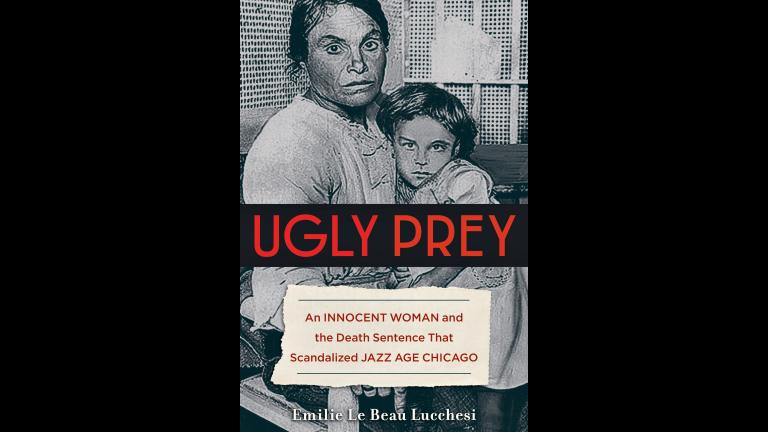
Before Sabella Nitti was sentenced to hang in 1923 for the murder of her husband, no other woman in Chicago had received such a fate. But Nitti’s case was different in more ways than one.
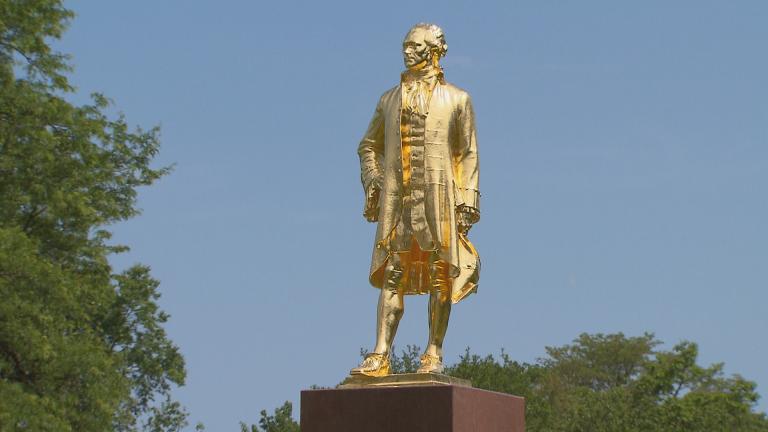
What happened to the Alexander Hamilton statue in Lincoln Park? Geoffrey Baer tells his story.
Trending
2026 Chicago Festival Guide
CPD Sergeant Who Led Botched Raid at Home of Anjanette Young Now Working as a Suburban Police Detective

Woman Charged With Fatally Stabbing 7-Year-Old Girl Walking in Chicago Saturday

Key City Panel Unanimously Agrees to Pay $260.8M to Resolve 16 Lawsuits Tied to Disgraced Ex-CPD Detective Reynaldo Guevara
Marimar Martinez Hopes New Lawsuit Could Spur Criminal Charges 1 Year After Border Patrol Agent Shot Her

Sign up for the WTTW News newsletter