

Cancer

Artificial intelligence outperformed radiologists in identifying lung cancer as part of first-time screenings, according to a new study. The technology also produced fewer false positives and negatives.

The three-year funding award will be used to develop population-specific cancer prevention and screening programs at community hospitals and health centers in Austin, Humboldt Park and South Shore.
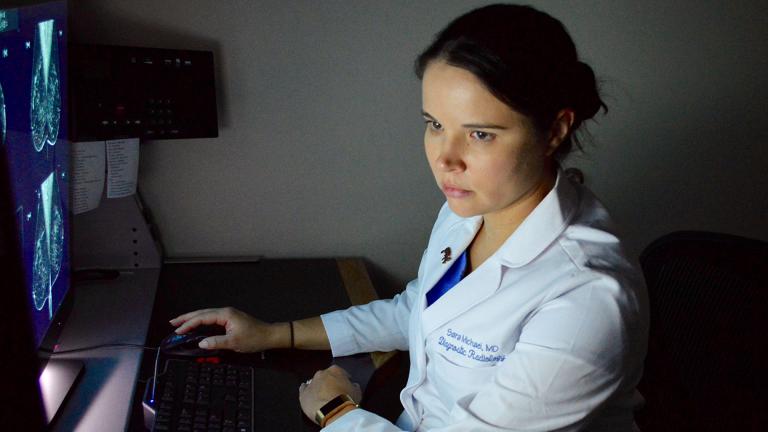
A new rule would require that mammography providers notify women who have dense breast tissue, a risk factor for breast cancer.

Navigating cancer treatment can be overwhelming. A new pilot seeks to improve the process for patients by consolidating all aspects of treatment into one all-encompassing care plan.
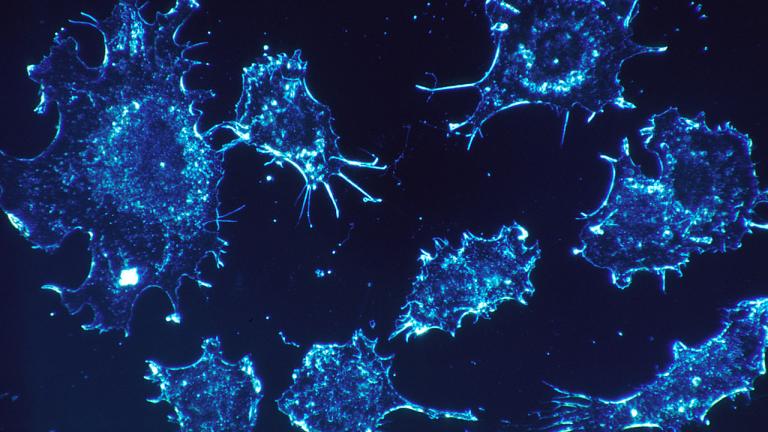
A pair of Illinois Institute of Technology researchers developing technology to detect early stage tumors have won the university’s Nayar Prize, which includes a $500,000 award.
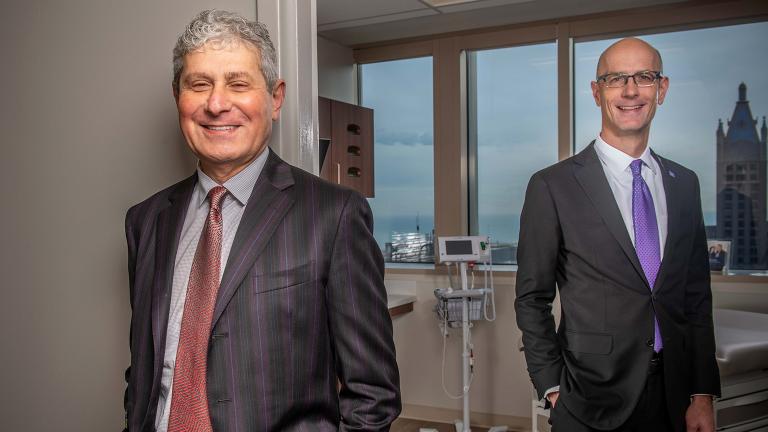
A donation from the Polsky family will fund the creation of a new multidisciplinary institute dedicated to urologic cancers, including prostate, bladder and kidney cancers.
The donation from Chicago philanthropists Robert and Emily King will increase clinical trials at the hospital and create a fund for nursing education.

The U.S. Preventive Services Task Force is revising its recommendations on cervical cancer screenings for some women. A local doctor talks about what that means for patients.
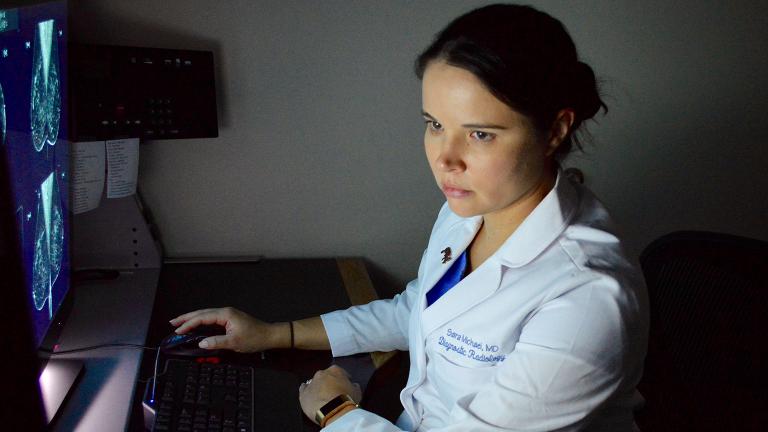
A new state law will require mammogram providers to notify women whose test results show they have dense breast tissue, a risk factor for breast cancer.


Meet a Loyola University Chicago oncologist who co-authored a new study on breast cancer and chemotherapy – and a patient already benefiting from its findings.
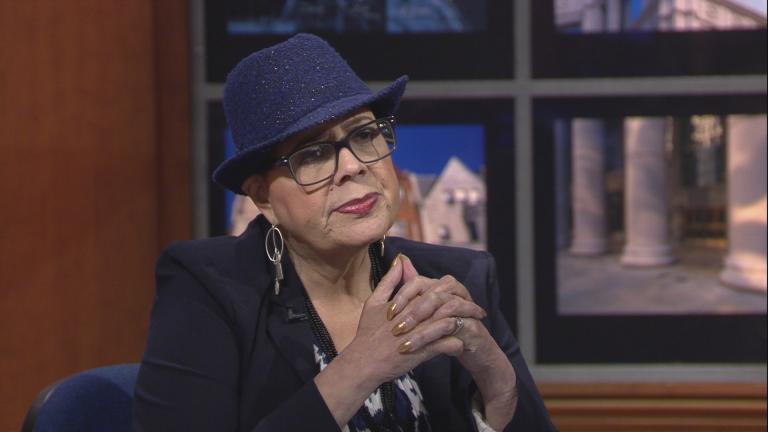
Chicago Teachers Union President Karen Lewis reportedly told friends “the cancer is back” before undergoing surgery Wednesday.

Many studies on breast cancer have shown racial disparities in diagnosis and survival rates. New research suggests characteristics of a woman’s neighborhood could be contributing to those disparities.

A disturbing upward trend in incidents of colorectal cancer brings about new guidelines for screenings.

Chicago comic artist Ed Siemienkowicz died before he could complete his 246-page graphic novel. More than 130 artists donated their time and skills to bring his story to life.
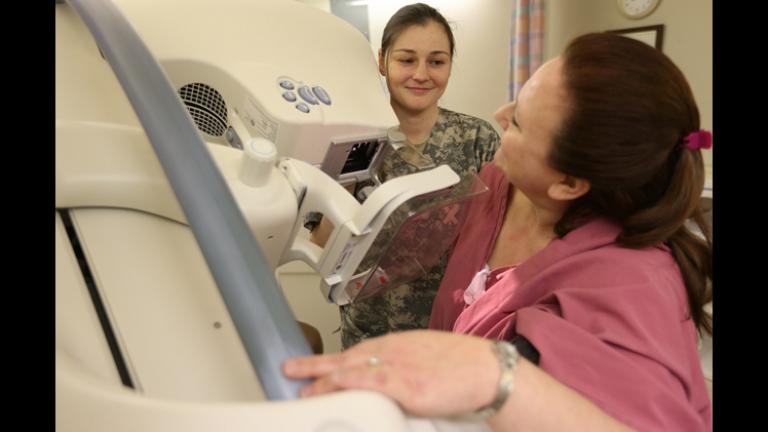
A bill that would require mammogram providers to notify women whose test results show they have dense breast tissue, a risk factor for breast cancer, unanimously passed the Illinois House and Senate.

A newly identified compound that acts like a “dirty time bomb” against metastasizing cells “could potentially result in a better outcome” for some patients, said Dr. Sui Huang of Northwestern University.
Trending
2026 Chicago Festival Guide

Interim NITA Director Earning $350K Salary While Also Collecting $213K Annual City Pension, Records Show

Firm Set to Buy Chicago’s Parking Meters Sells Airline That Carried Out Deportations

Early Voting for November General Election Kicks Off in Downtown Chicago
Chicago Woman Accused of Social Security Fraud After Hiding Mother’s Body in Freezer for 2 Years
Sign up for the WTTW News newsletter