

Science & Nature

An organization dedicated to teaching technology to middle school-age girls is coming to Chicago this spring.


The changing face of glaciers around the world is the topic of a new exhibition at the Museum of Science and Industry.

In the early 1960s, bald eagles were nearly extinct in the lower 48 states. But government protections and conservation measures have had a huge impact on their numbers. “I think it’s an incredible success story,” said biologist Chris Anchor.

A state senator has proposed legislation that would partially ban the use of lead-based ammunition, but one gun rights group is calling the bill “a blatant attack” on the rights of hunters.

Chicago made significant strides as a technology innovation hub in the eyes of industry leaders over the last year, according to a new report. Why the jump?

The tale of the Western pond turtle was one of several success stories shared with donors Monday evening at a Shedd Aquarium event focused on conservation efforts nationwide.

A new WTTW web series peeks into pockets of nature in cities across the country.

Shedd Aquarium researchers are studying queen conch populations in the Bahamas to understand the decline of the popular snail in the Caribbean.

After 20 years in the fashion industry, Owen Deutsch wasn’t planning on getting back into photography. But then he discovered a new subject: birds.

A weeklong event brings coders and innovators together – both virtually and in person – to build websites and mobile apps to help veterans.
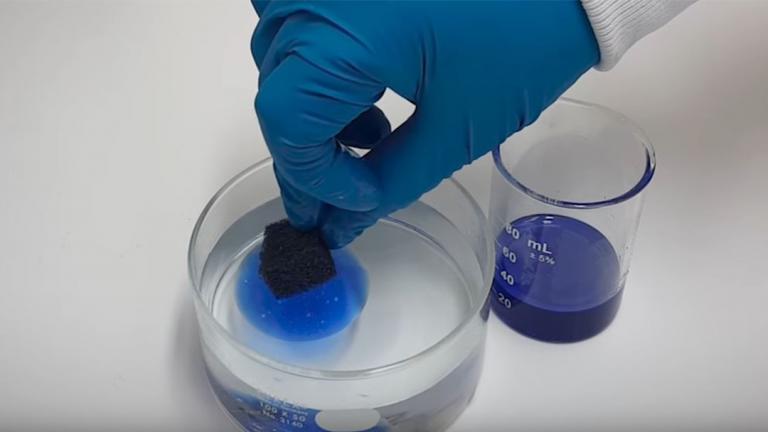
Scientists at Argonne National Laboratory have invented a new sponge that can absorb oil from water and then be wrung out and reused, a potentially game-changing tool for dealing with oil spills.
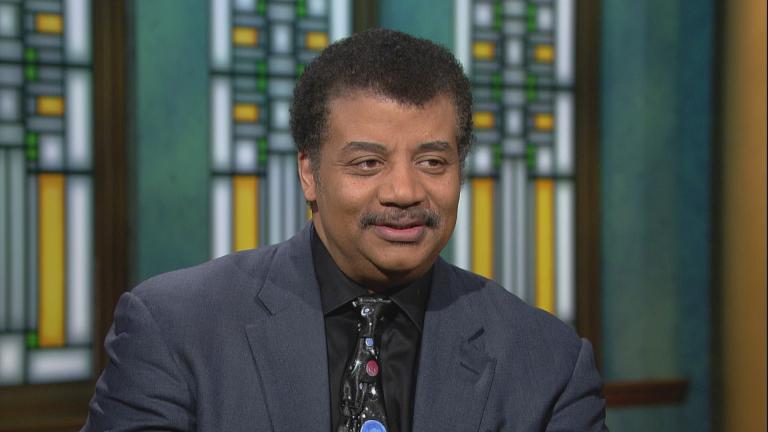
Neil deGrasse Tyson joins Chicago Tonight’s Eddie Arruza for an extended conversation about science and our place in the cosmos.

Last month, ornithologist Pete Marra sat down with Chicago Tonight to discuss his book detailing outdoor cats’ impact on U.S. bird populations. It was an interview that stirred up emotions on all sides.

How as a society should we define responsibility and free will? A new book by Chicago-based journalist Kevin Davis explores these issues.

Chicago is offering grant funding to cover up to 30 percent of equipment and installation costs for new direct current fast-charging stations, which can charge electric vehicles in 20 to 30 minutes.

Earlier this month, an influential group backs editing the genes in human embryos to eliminate disease. Chicago Tonight guests discuss human gene editing and some of the ethical issues it raises.
Trending
Developers Unveil $10B Proposal for New Bears Stadium, Entertainment District at Former Michael Reese Site

11 of the Chicago Area’s Most Dazzling Holiday Light Shows

Here Are the 17 Men Chicago Will Pay $260.8M After Being Convicted Following Investigations by Ex-CPD Detective Reynaldo Guevara

UChicago’s Banned Books Scholar on the Chilling Effect of Censorship Efforts Across the US

Illinois Hemp Act Set to Ban Some THC Drinks Amid Pushback From Business Owners

Sign up for the WTTW News newsletter