Business
Illinois Hemp Act Set to Ban Some THC Drinks Amid Pushback From Business Owners
A new Illinois law set to take effect Thursday will ban some hemp-based THC drinks.
The Illinois Hemp Act comes into effect as lawmakers cite concerns about potential health risks and marketing aimed at underage consumers. The law will ban the sale of hemp-based THC-infused beverages containing more than 0.4mg of THC at restaurants, breweries, bars and stores across the state in hopes of limiting sales to licensed marijuana dispensaries.
Business owners are preparing to make the change, but argue that it could mean a significant loss in revenue and force layoffs.
Stephen Bossu, co-founder of Hopewell Brewing Co. in Logan Square, said he is fearful about getting rid of his company’s hemp-based THC drink brand Choom.
“It’s a disaster,” Bossu said. “We’re a small business. We’re having a good year, we’re growing, we’re paying down debt. We’re doing all the right things that a small business should do, right? But instead, now we’re looking at this year and we’re looking at layoffs and how do we survive the winter?”
THC-infused drinks have gained popularity in recent years, but have largely gone unregulated, according to Bossu.
James Swartz, professor at the University of Illinois Chicago Jane Addams College of Social Work, said the lack of regulation and age verification coupled with misleading advertising can cause the drinks to be consumed by underage customers.
“Minors can come in, buy these products off the shelf. … They are as intoxicating as the products sold through the licensed dispensaries,” Swartz said. “So it’s been a big concern that the lack of any regulation has led to them falling into the hands of youth.”
According to a 2025 report from Whitney Economics, a consulting firm that specializes in data for the cannabis and hemp industries, hemp-based goods generate more than $2.7 billion in total revenue statewide. The industry is also estimated to employ thousands of Illinois residents.
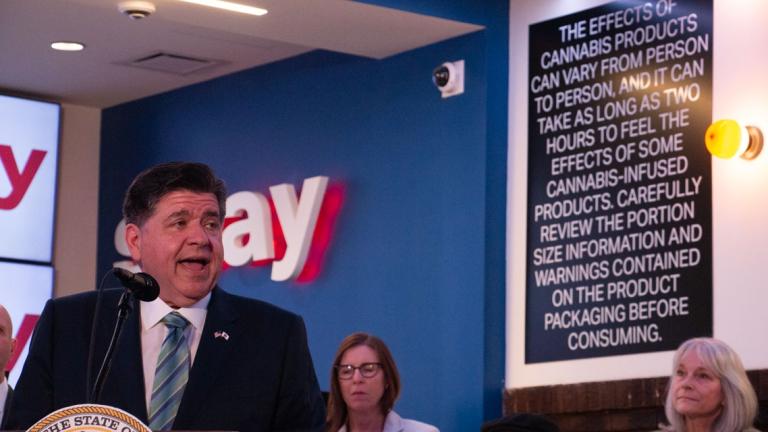
State Rep. Will Guzzardi, whose district includes parts of Logan Square, Portage Park and Belmont Cragin, is a sponsor of the Illinois Hemp Act. He said he is working with state officials to comply with looming federal regulations.
“I would love to see a world in which low potency beverages and edible products that are derived from THC were available in more places than just dispensaries,” Guzzardi said. “But under the federal rules that are coming into effect next month, that’s not gonna be possible. The federal rules are very, very rigid about how you can do cannabis and these hemp products are gonna be (considered) cannabis starting next month.”
Bossu said Hopewell has been self-regulating its drinks without any guidance or support from state legislators, despite pushing for clearer legislation. He and other business owners fear that punishing good actors could create unsafe alternatives for consumers looking to purchase these drinks after the ban takes effect.
“We did Prohibition a century ago and alcohol went nowhere,” Bossu said. “Instead of a safe, regulated market, we went to a fully unregulated market and everyone knows the problems that flowed from there. I think that hemp needs to be regulated. Low-dose THC beverages belong on shelves with craft beer in a normal place where an adult would buy it and kids can’t access it. Those are problems that we can solve. Those are problems that we already know the answers to and instead our legislators (and) Gov. Pritzker has decided to ban it.”
A federal lawsuit filed by the Illinois Healthy Alternatives Association on behalf of 250 companies in Illinois’ hemp industry argues that the ban violates the Commerce Clause of the U.S. Constitution. The state has delayed the ban for those companies until Nov. 19, the same day a federal judge is scheduled to hear oral arguments in the case.
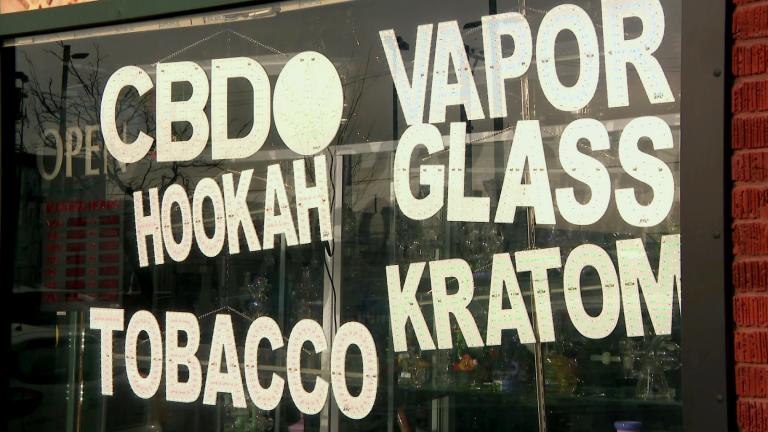
“I think this is gonna pass. I think this is gonna continue on in its current form,” Swartz said. “The difference between Prohibition and this is that you’ll still be able to buy these intoxicating products, you just have to buy them at the cannabis dispensaries and not at the mom-and-pop smoke shops. It’s not an outright ban on these products, it’s an outright ban on the hemp-derived products that are sold without regulation.”