

Science & Nature
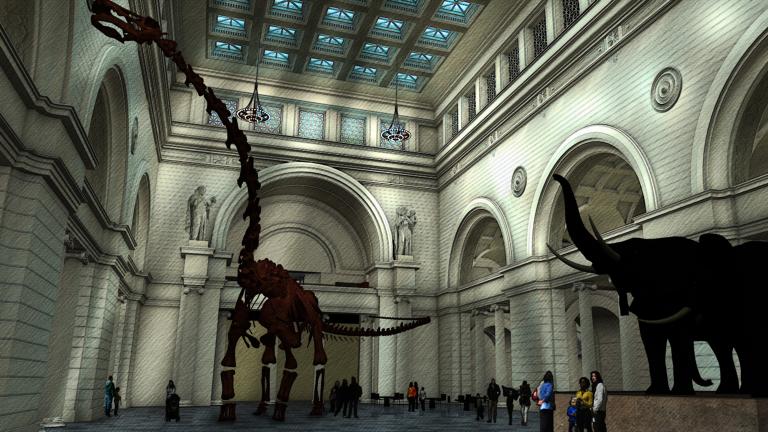
Chicago’s iconic T. rex Sue will get a makeover when the largest dinosaur ever discovered comes to town. Stretching 122 feet from snout to tail, the titanosaur is longer than two accordion CTA buses end to end.

Northwestern University students spent more than a year designing and building a fully solar-powered home that will soon be part of an international competition organized by the U.S. Department of Energy.

As part of PETA’s eye-catching “Lettuce Ladies” campaign, South Elgin native Mysti Lee travels the globe promoting animal rights.


A grand canyon that will become a deep lake: We get a tour of the final reservoir in the Deep Tunnel plan.
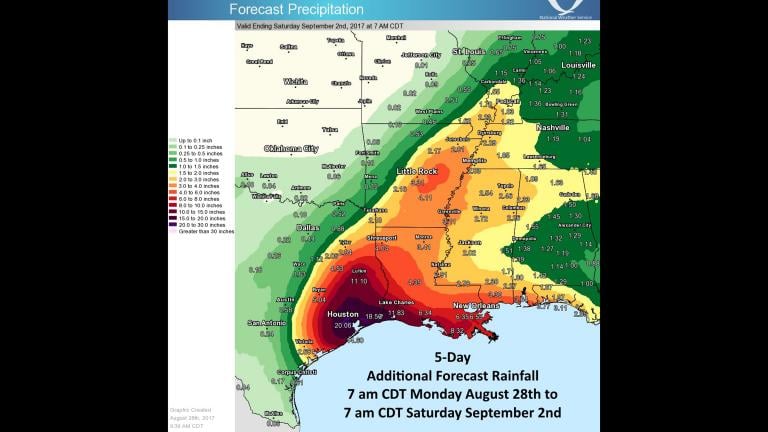
For days, parts of Texas have been slammed by massive rain and flooding caused by Harvey. A look at recovery efforts for the short and long term.
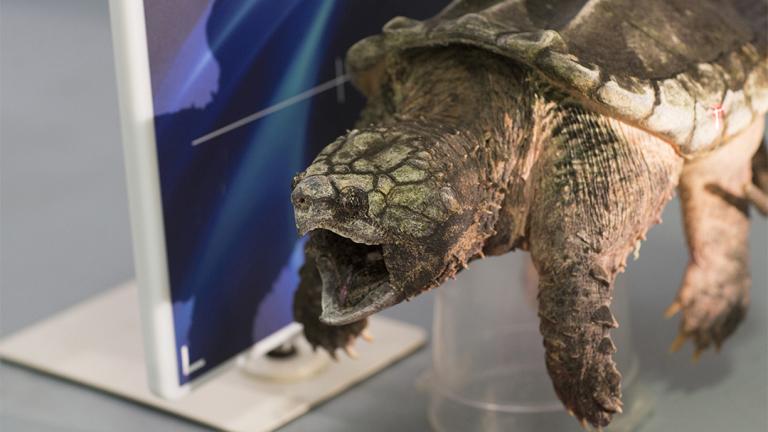
Dante, a 30-pound alligator snapping turtle, made his public debut after passing a routine physical exam, which was actually quite similar to a human checkup.
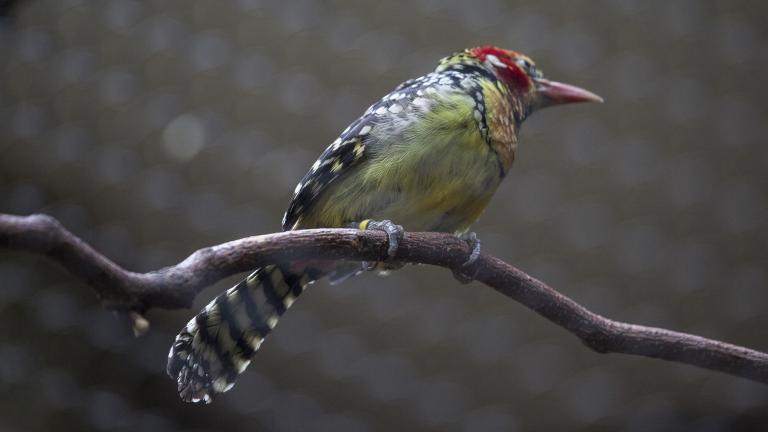
A trio of newly arrived birds is making noise – lots of it – inside Lincoln Park Zoo’s Dry Thorn Forest exhibit.
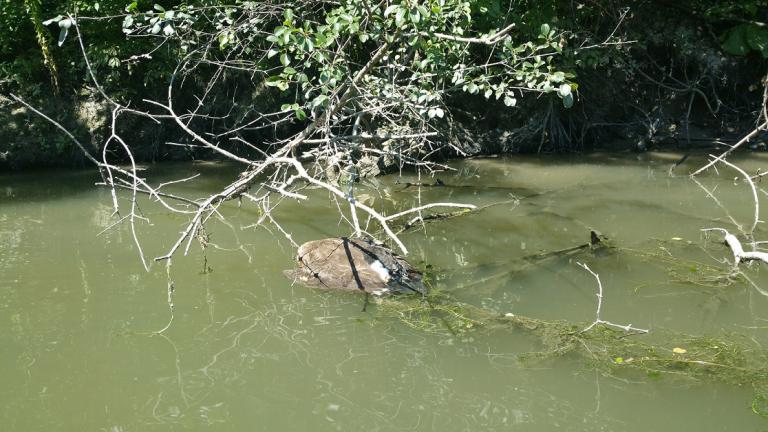
Dozens of mallards have been found dead over the past month in multiple locations along the Chicago River, marking what one expert says is the largest occurrence of birds dying in the river in decades.
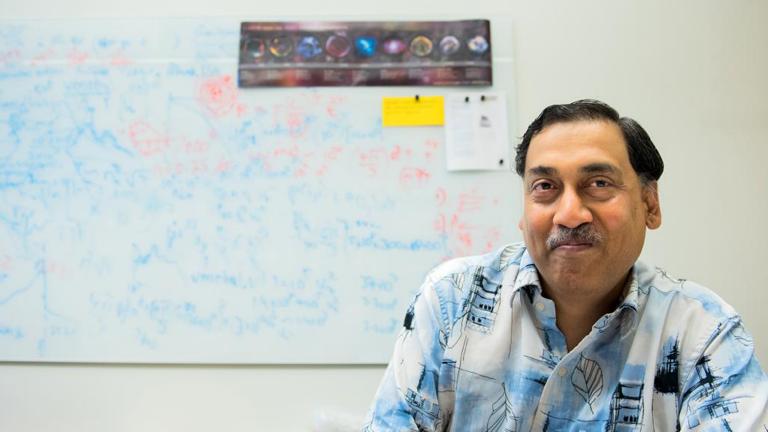
A discovery by Chicago scientists could lead to new understanding about the largest explosions in outer space.
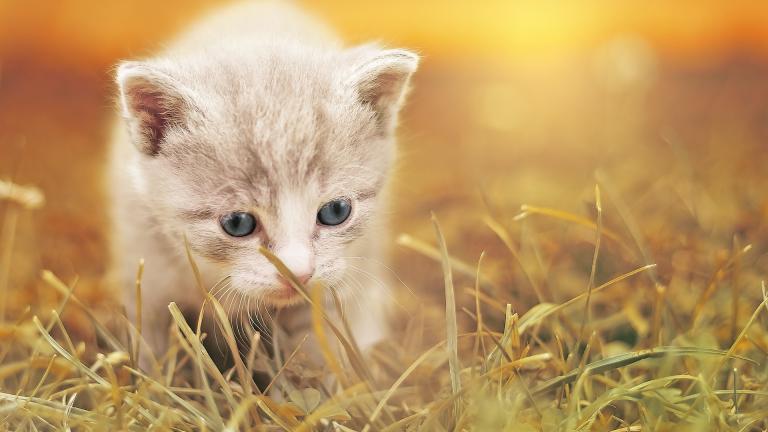
Pet owners should not panic, local health officials say, but take precautions after a rabid kitten was found in Carroll County.

As more people flock to the backyard poultry trend, the number of salmonella infections are likely to increase, says Illinois Department of Public Health veterinarian Dr. Connie Austin.
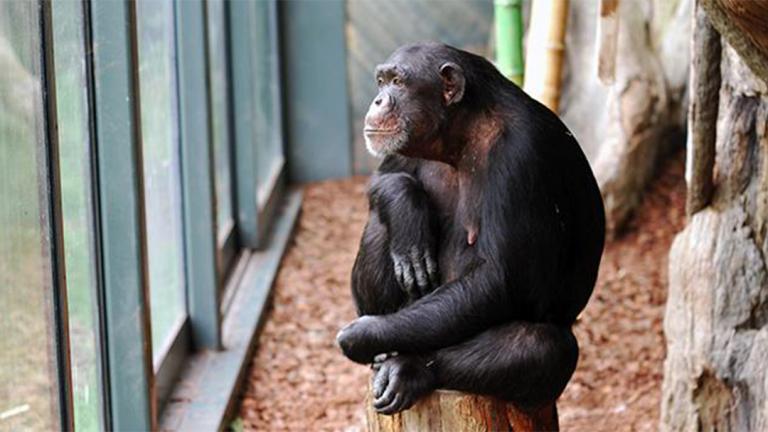
About a dozen different species were under close watch during the event as scientists looked for any changes in behavior.

The last time a total solar eclipse spanned the continental United States from coast to coast was 99 years ago. Thousands joined in the Adler Planetarium’s celestial celebration to mark the occasion.
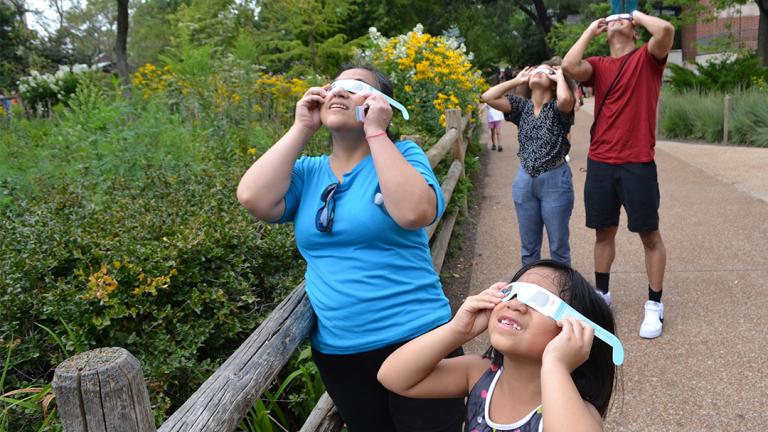
Animal behavior experts noticed the biggest change in one particular species during Monday’s eclipse: humans.
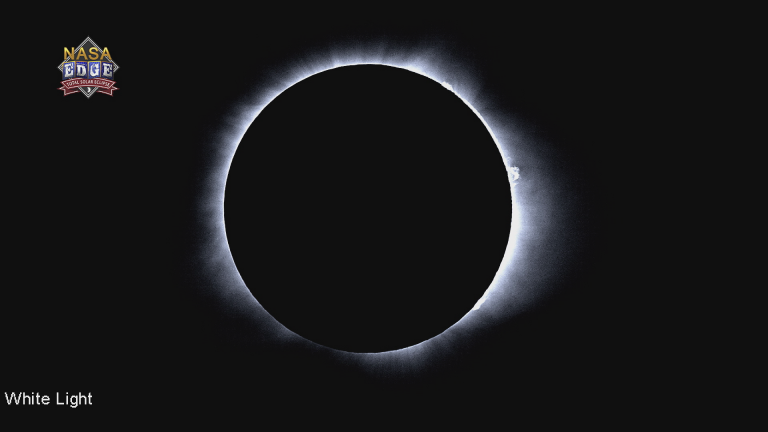
Adler Planetarium astrophysicist Lucianne Walkowicz joins us from the eclipse epicenter in Carbondale.

Over the course of civilization, eclipses have been met with fear and superstition. How humans have reacted to—and explained—eclipses throughout history.
Trending
Developers Unveil $10B Proposal for New Bears Stadium, Entertainment District at Former Michael Reese Site

11 of the Chicago Area’s Most Dazzling Holiday Light Shows

Here Are the 17 Men Chicago Will Pay $260.8M After Being Convicted Following Investigations by Ex-CPD Detective Reynaldo Guevara

UChicago’s Banned Books Scholar on the Chilling Effect of Censorship Efforts Across the US

Illinois Hemp Act Set to Ban Some THC Drinks Amid Pushback From Business Owners

Sign up for the WTTW News newsletter