Science & Nature
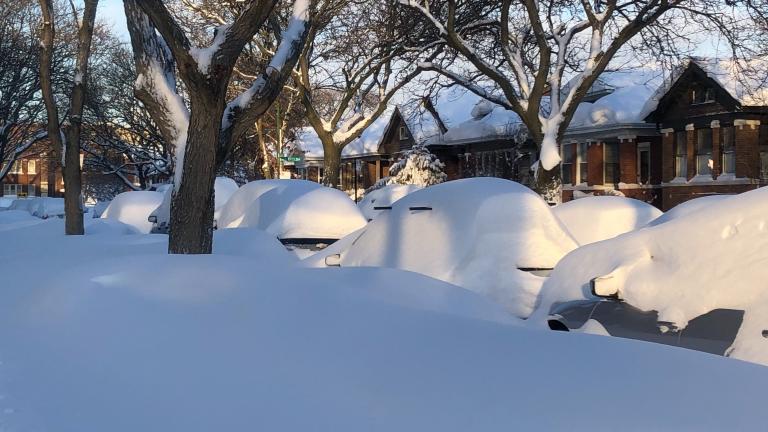
O’Hare Airport officially notched 7.5 inches of snow but some Chicago neighborhoods got socked with more than twice that amount in the past 24 hours.
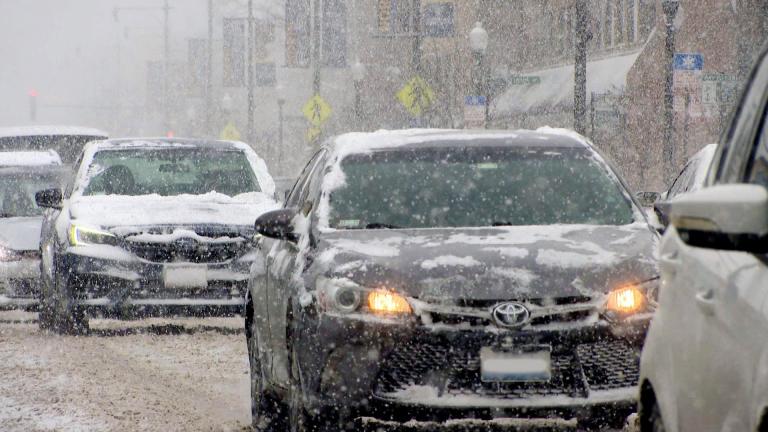

It’s been 10 years since the infamous Groundhog Day blizzard left hundreds of motorists stranded on Lake Shore Drive. As another major winter storm bears down on Chicago, officials are putting to use lessons learned from that debacle.
While lake effect snow will come and go through Tuesday, the storm system, approaching from the south, is expected to reach Chicago by mid-afternoon Monday, according to the National Weather Service.
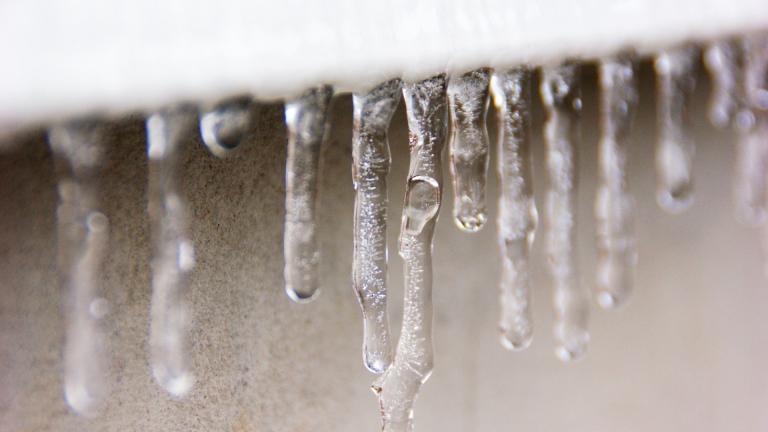
Chicago set a new record for the coldest Feb. 14 in history, with a high temperature of just 4 degrees recorded at O’Hare Airport on Sunday, according to the National Weather Service.
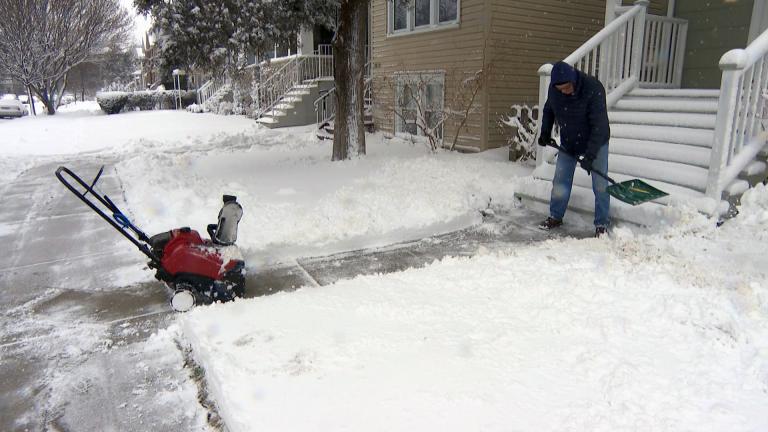
Valentine’s Day in the Chicago area will be a dangerously chilly affair, with all of northern Illinois under a wind chill advisory issued by the National Weather Service.
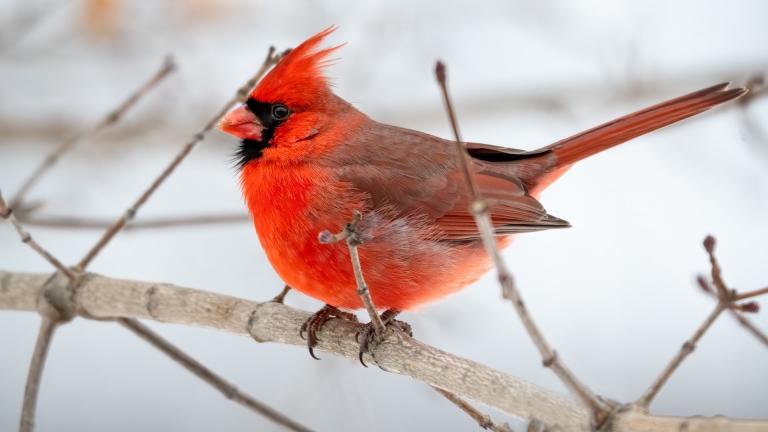
The community science project, held over four days every February, collects data that provides scientists with a long-term record of bird distribution across the globe, helping to identify trends that might be associated with urbanization or climate change.
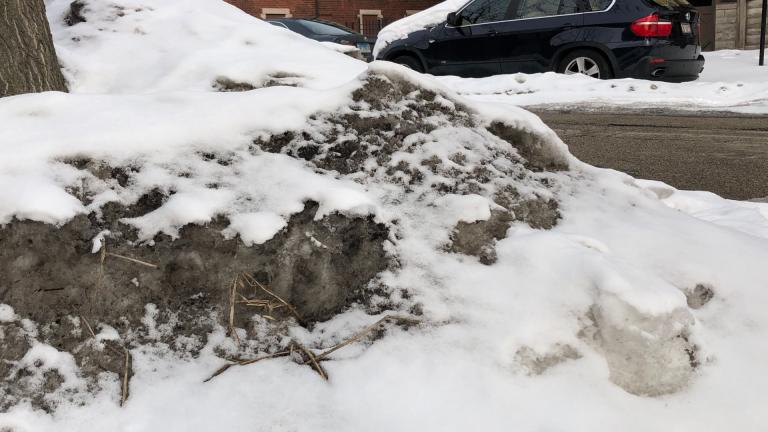
Dirty snow absorbs more of the sun’s energy and melts faster. Here’s why that’s a problem.
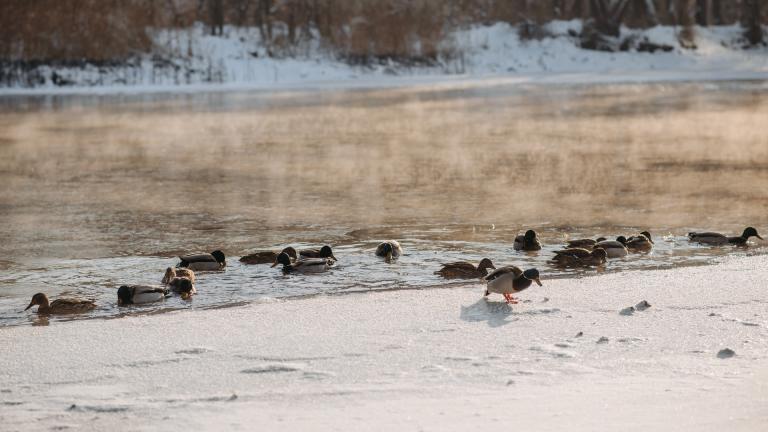
There’s a misperception that birds such as geese and ducks need help finding food when it snows. If they couldn’t cope with Chicago’s winters, they wouldn’t be here, experts say.
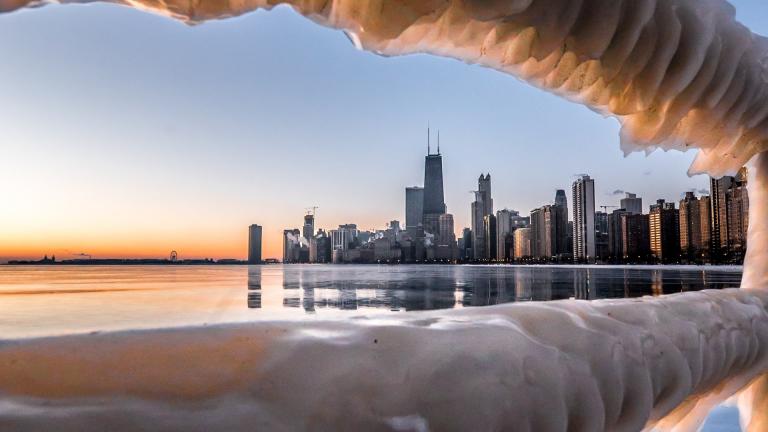
With dangerous subzero wind chill temperatures forecast for the upcoming weekend, officials offered timely reminders of ways to stay safe in extreme cold.
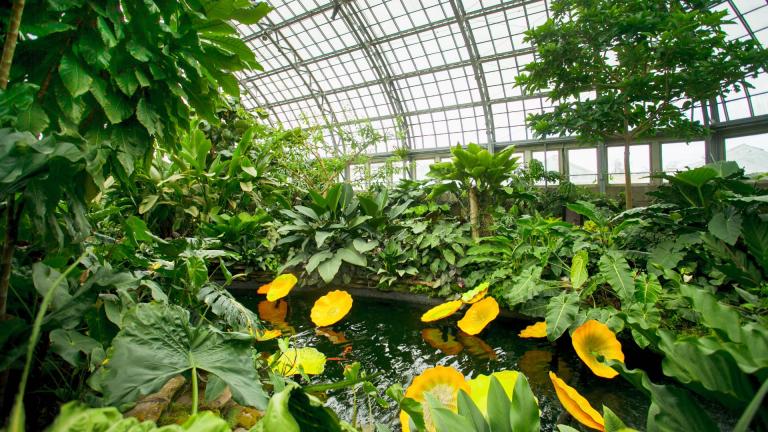
The landscape has been pretty bleak of late. Here to brighten our outlook: The Garfield Park Conservatory has announced its indoor gardens will reopen to the public at the end of February.
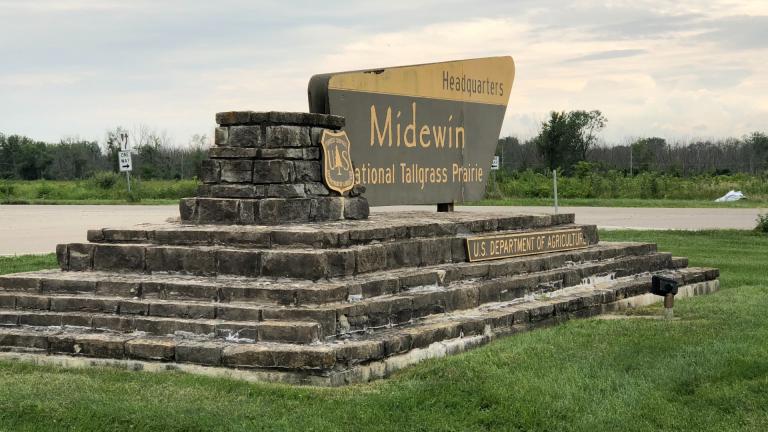
The 18,000-acre restoration site continues to evolve, as this home of the former Joliet Arsenal gradually returns to its native prairie state.
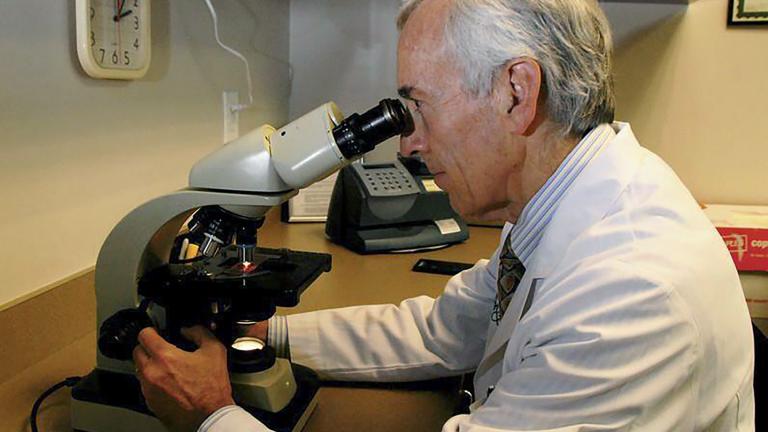
Across the United States and Canada, pollen season is starting 20 days earlier and pollen loads are 21% higher since 1990 and a huge chunk of that is because of global warming, a new study found in Monday’s journal the Proceedings of the National Academies of Sciences.
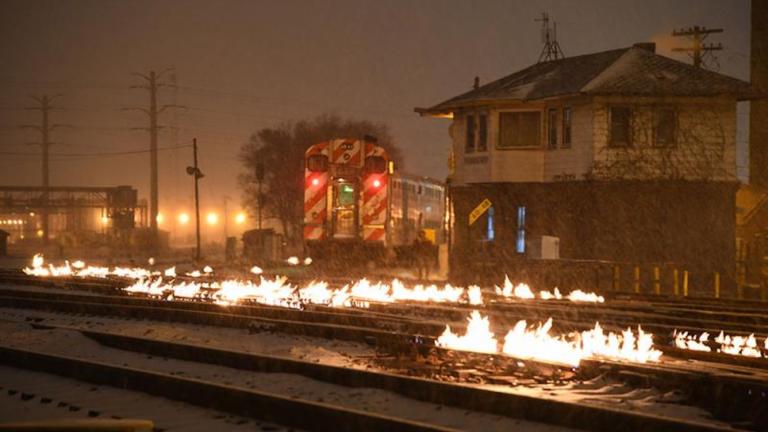
The Chicago area saw dangerously cold weather over the weekend, and the week ahead doesn’t appear to offer much relief. But it takes more than a cold snap to bring the city to a standstill.
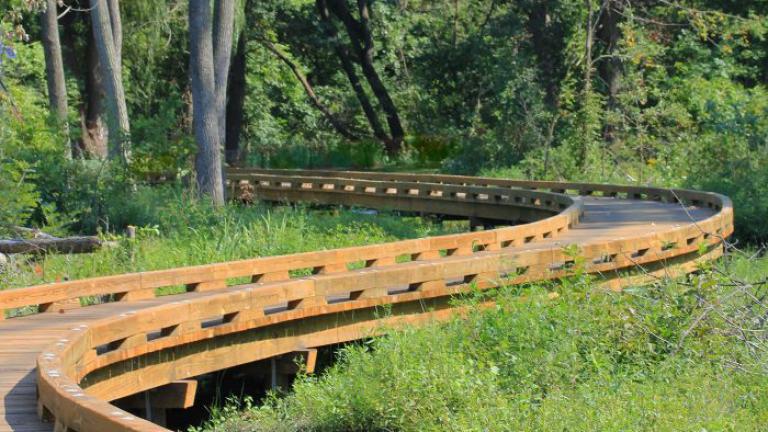
An ancient sand ridge in the Calumet region became a well-worn route used by enslaved people seeking freedom.
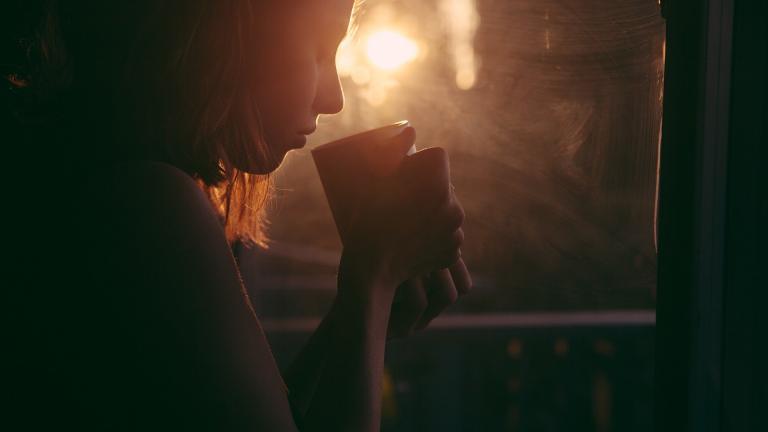
Early detection of the coronavirus is crucial for reducing its spread, even as vaccinations ramp up. Now, researchers have created a DIY smell and taste challenge – and all you need is your morning cup of joe.
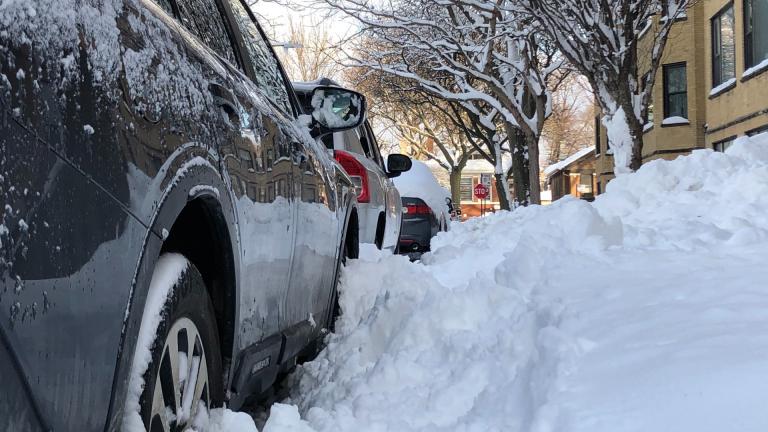
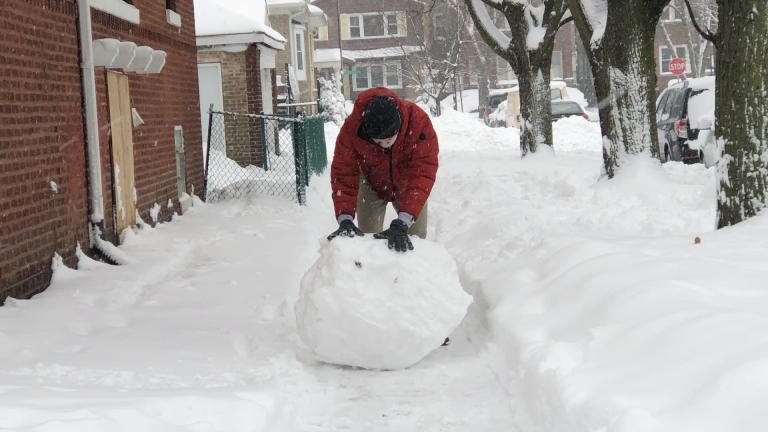
Winter has arrived with a vengeance. The next 48 hours will bring a one-two punch of snow and plunging temperatures.
Trending
Chicago Police Board Votes to Fire Officer Who Tested Positive for Marijuana

2025 Chicago Holiday Events Guide

City Council Votes 30-18 to Approve Final Part of 2026 Budget. Will Mayor Veto It?

1 Killed, 1 Wounded in Shooting on CTA Train in Downtown Chicago

Mayor Brandon Johnson Will Not Veto $16.6B Budget Plan Passed Over His Objections

Sign up for the WTTW News newsletter