Health


This week, Chicago will see its first hard frost of the season—and that means it’s time to prepare our WTTW garden for winter. Organic gardener Jeanne Nolan leads the way.

Environmental advocates say a Southeast Side storage company violated city standards for air pollution earlier this year. But the company disagrees, asserting that the state’s more lenient law applies.

Football may be America’s favorite sport, but with the rising fear of brain injury and CTE, it’s taken a bruising. We visit a Chicago-area helmet maker to see how it’s tackling the issue.

After cutbacks at the EPA and skepticism within the Trump administration about climate change, the city of Chicago has made clear its intention to step up efforts to protect the environment.

Local officials call for restrictions on opioid prescriptions as Mayor Rahm Emanuel proposes a $500,000 investment to fight the opioid epidemic.

Walgreens and CVS try to fend off competition from Amazon. Reporter Bruce Japsen joins us for a look at possible shifts in the pharmacy business.

A Southeast Side company tipped off regulators to its own violation of city air pollution standards, documents submitted to the city show.
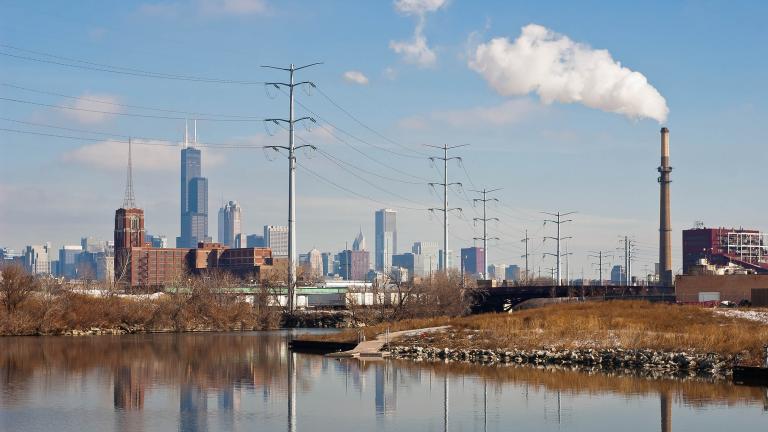
In an effort to fill a void created by federal and state agencies that have cut back environmental oversight, Chicago plans to expand its environmental enforcement division.

In some Chicago neighborhoods, pharmacies appear to be in abundant supply. In others, they’re scarce. Researchers will spend the next three years addressing their dwindling numbers on the city’s South and West Sides.

Youth football seems to be taking a hit. We speak with a Daily Herald investigative reporter about steep declines in high school football participation.
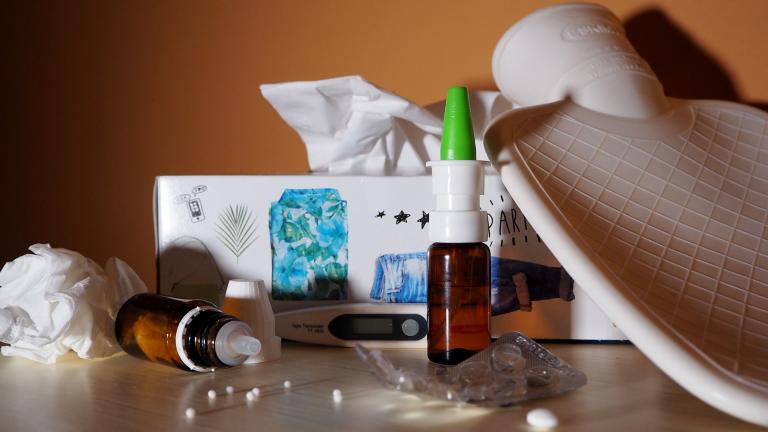
A new tool developed by University of Chicago scientists could boost public health officials’ ability to predict how severe an upcoming flu season will be.

As opioid overdose deaths continue to rise, President Donald Trump on Thursday is expected to declare the ongoing epidemic as a “national emergency.”
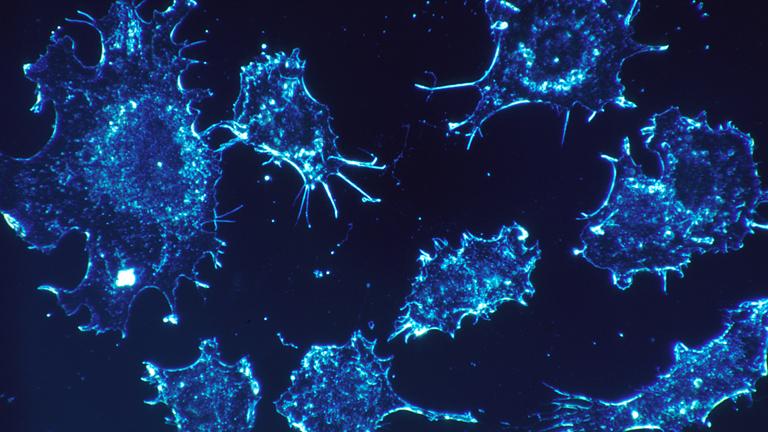
“Our research may be tapping into one of nature’s original kill switches, and we hope the impact will affect many cancers,” said Northwestern scientist Marcus Peter. “Our findings could be disruptive.”

More than 2 million Americans, including nearly 68,000 in Illinois, get water from wells with high levels of toxic arsenic, according to a new study by the U.S. Geological Survey and Centers for Disease Control and Prevention.

A first-of-its-kind center brings together physicians, advanced practice nurses, certified sex therapists and pelvic floor therapists to address two often unmet areas of women’s health care.

A two-year, stopgap measure still needs congressional approval, but it was the latest twist in the health care saga that has millions of Americans uncertain about the future of their insurance coverage.
Trending
Police Brass Agrees to Suspend Officers for Violating Rights of Black Driver During Downtown Traffic Stop

Roseland Hospital Failed to Monitor a Patient During a Mental Health Crisis, Regulators Say. Now He’s Charged With Killing His Wife

Border Patrol Chief Greg Bovino Back in Chicago as Federal Immigration Operations Ramp Back Up

4 More Bus Routes Will Be Added to CTA’s ‘10 Minutes or Sooner’ Initiative

Rival Budget Proposal Advances Calling for $473M in New Taxes, $35M From Advertising on Light Poles and City Vehicles

Sign up for the WTTW News newsletter