

Health

A Southeast Side company tipped off regulators to its own violation of city air pollution standards, documents submitted to the city show.

In an effort to fill a void created by federal and state agencies that have cut back environmental oversight, Chicago plans to expand its environmental enforcement division.

In some Chicago neighborhoods, pharmacies appear to be in abundant supply. In others, they’re scarce. Researchers will spend the next three years addressing their dwindling numbers on the city’s South and West Sides.


Youth football seems to be taking a hit. We speak with a Daily Herald investigative reporter about steep declines in high school football participation.
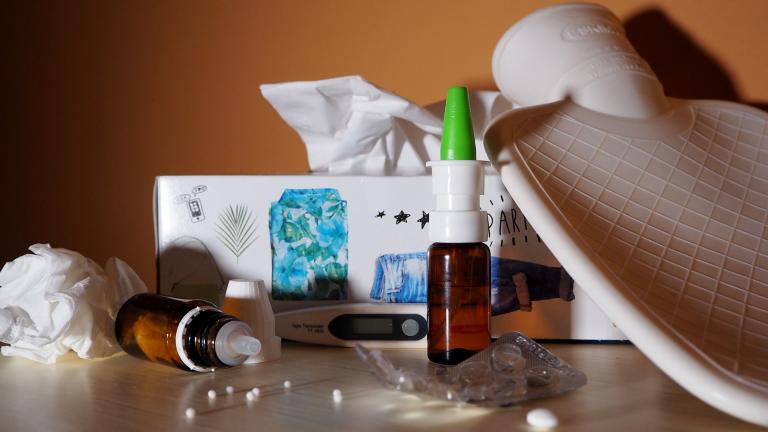
A new tool developed by University of Chicago scientists could boost public health officials’ ability to predict how severe an upcoming flu season will be.
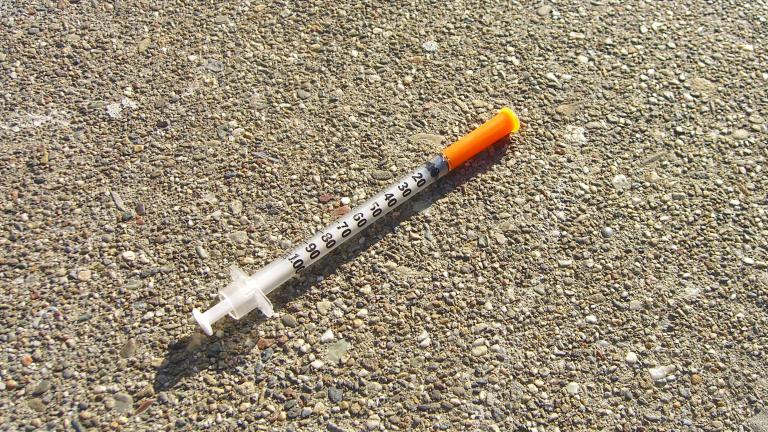
As opioid overdose deaths continue to rise, President Donald Trump on Thursday is expected to declare the ongoing epidemic as a “national emergency.”
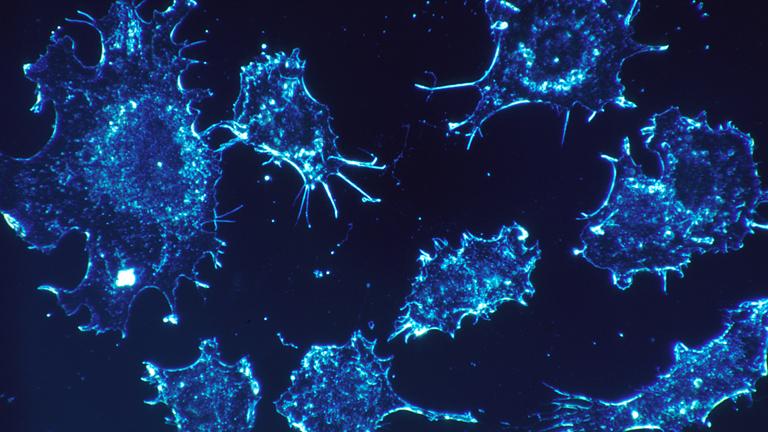
“Our research may be tapping into one of nature’s original kill switches, and we hope the impact will affect many cancers,” said Northwestern scientist Marcus Peter. “Our findings could be disruptive.”

More than 2 million Americans, including nearly 68,000 in Illinois, get water from wells with high levels of toxic arsenic, according to a new study by the U.S. Geological Survey and Centers for Disease Control and Prevention.

A first-of-its-kind center brings together physicians, advanced practice nurses, certified sex therapists and pelvic floor therapists to address two often unmet areas of women’s health care.

A two-year, stopgap measure still needs congressional approval, but it was the latest twist in the health care saga that has millions of Americans uncertain about the future of their insurance coverage.

Researchers from the University of Illinois at Chicago will investigate how social determinants like poverty and living in a food desert contribute to the health of marginalized groups.
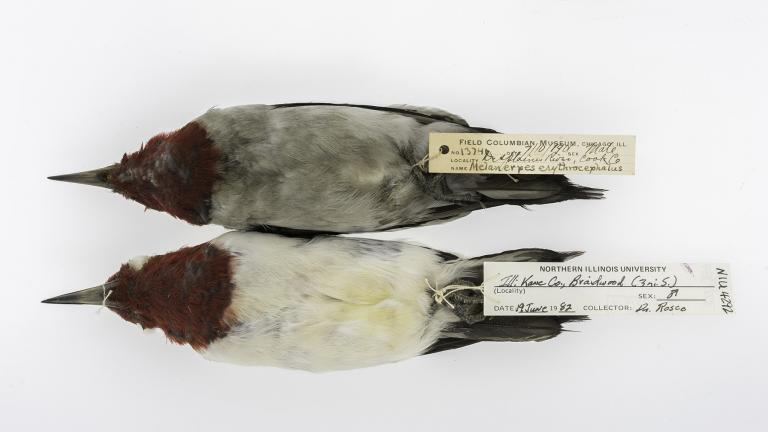
Researchers analyzed 1,000 birds collected over the last 135 years by the Field Museum and other institutions to track the amount of soot in the air of Rust Belt cities.

With mental illness affecting 1 in 5 people, Chicagoan Veronica Padilla hopes addressing the topic in a playful manner will make it more accessible. “Humor can be very therapeutic. Humor has gotten me out of so many binds in my life when things got heavy,” she said.

The University of Illinois at Chicago, Northwestern Memorial Hospital and the University of Chicago Medicine will join forces to conduct clinical trials designed to improve outcomes for patients with life-threatening emergencies as part of a newly formed national network.
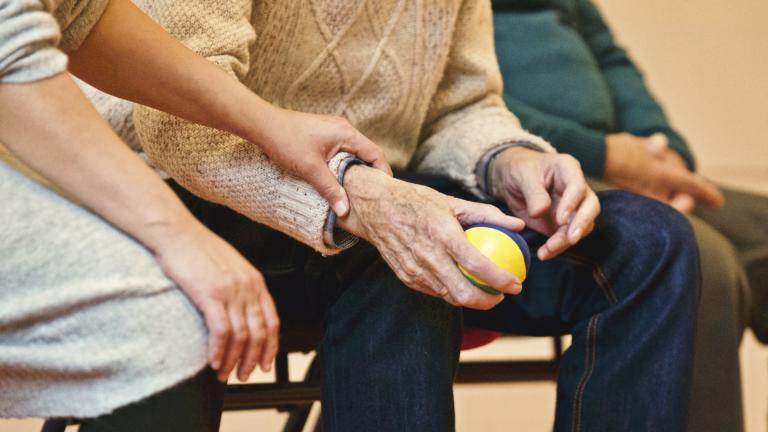
Is there a connection between losing the ability to smell and a greater risk of dementia? A co-author of a new University of Chicago study says it “may be an important early sign.”

Low-income pregnant women are more likely than their wealthy counterparts to experience chronic placental inflammation, which is linked to preterm birth and low birth weight, a new study finds.
Trending
Obamas Celebrate Chicago Roots, Power of Community During Presidential Center’s Opening

Hear From the Architects Behind the Obama Presidential Center

What to Know About the History of Juneteenth and How It Became a Federal Holiday

Chicago Man Facing Hate Crime Charges After Cross Burning in Grant Park

Chicago’s Deputy Mayor for Community Safety on Teen Takeovers, Restorative Justice and the Value of Belonging

Sign up for the WTTW News newsletter