

Health

An analysis of 500 U.S. cities by NYU School of Medicine offers a startling view of Chicago, but a local physician says the city’s health inequities have been known for years. What’s causing that gap, and how can it be addressed?

In Chicago, Black and Latinx residents are three times more likely than whites and Asians to live in areas located at least 3 miles from LGBTQ service providers, according to a new study.
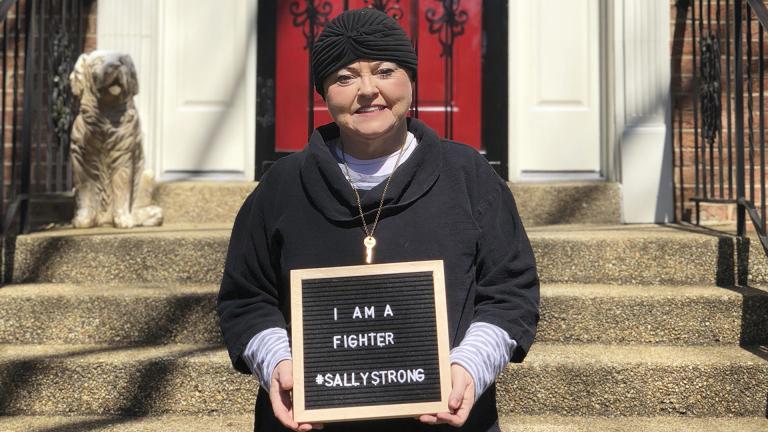
Thousands of gravely ill cancer patients each year seek “compassionate use” access to treatments that are not yet on the market but have shown some promise in early testing and aren’t available to them through a study.
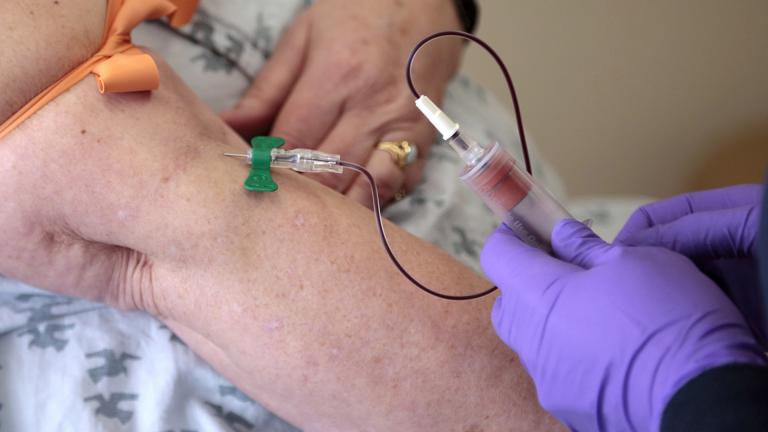
Many companies are trying to develop early detection “liquid biopsy” tests that capture bits of DNA that cancer cells shed into blood.


Are Chicagoans getting the information they need to stay safe at the beach – and in the lake? A new task force has some recommendations for Chicago beaches.

Children have a better chance at reaching their full potential now than at any other time in history, according to a new report released by Save the Children. But there’s more work ahead – particularly in the U.S.

The infant mortality rate among African Americans in Cook County is twice the county average. Health officials seek to close that gap with the help of a new five-year grant.

Ditch the gym and take your fitness routine outside this summer with free classes at Millennium Park, Navy Pier and Gallagher Way. With morning and evening classes, there are plenty of opportunities to get in shape.

Artificial intelligence outperformed radiologists in identifying lung cancer as part of first-time screenings, according to a new study. The technology also produced fewer false positives and negatives.
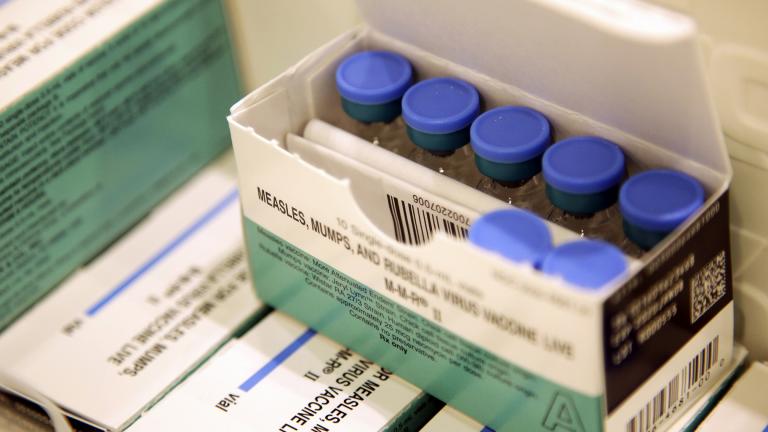
An individual with a confirmed measles infection took public transportation and visited several stores in the Loop late last week, according to health officials.
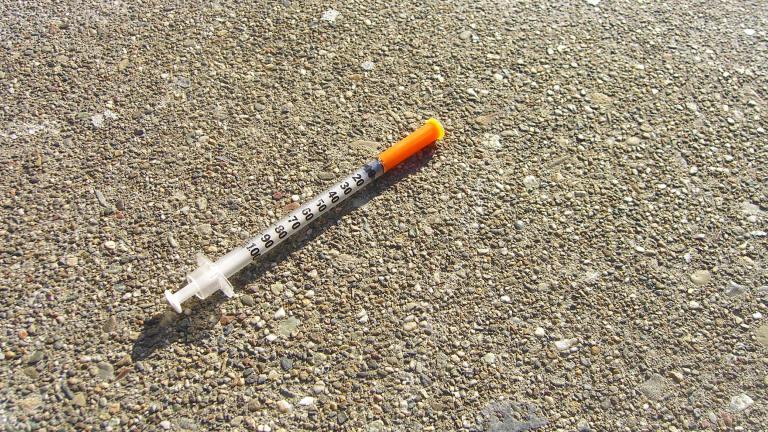
A new bill aims to fix the state’s “ambiguous” law over syringe exchange programs. Public support for such programs remains low, but advocates say they can offer critical help to those in need.

Nationally, black women die at a rate 3.3 times greater than white women, but the statistics in Illinois are even more grim.
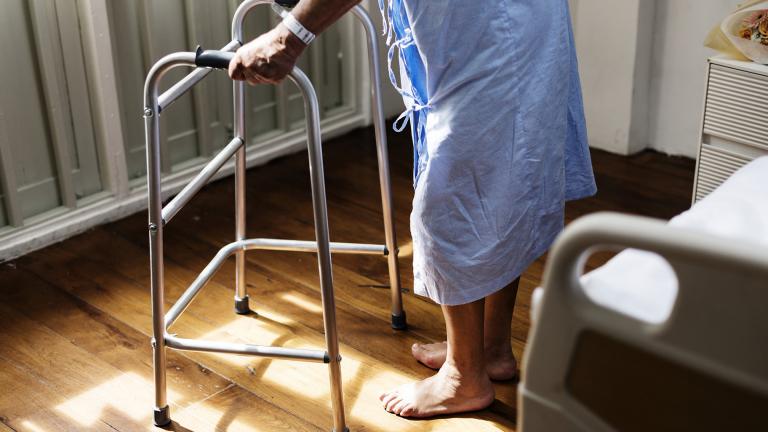
How safe are Chicago hospitals? A new report says some of them are not making the grade when it comes to patient safety and preventable death.
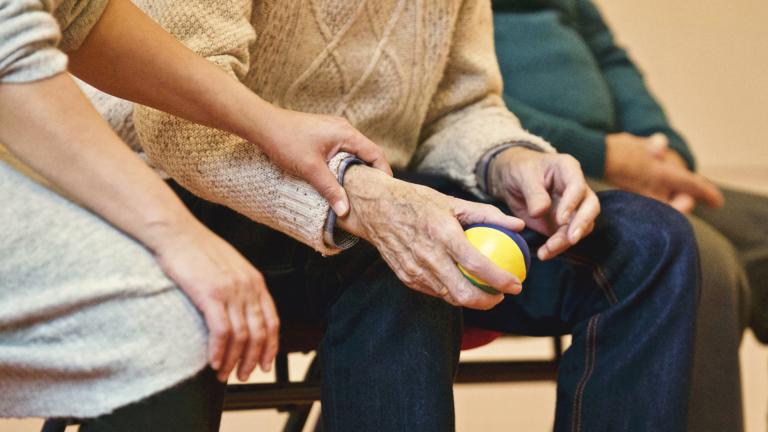
If you want to save your brain, focus on keeping the rest of your body well with exercise and healthy habits rather than popping vitamin pills, new guidelines for preventing dementia advise.
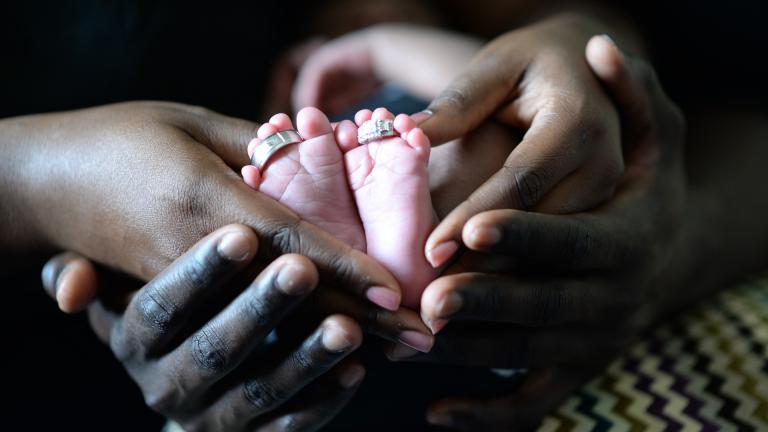
In Illinois, African American women are six times as likely to die of pregnancy-related conditions than white women. A new initiative aims to close that gap in three Chicago communities, with the help of a $4.7 million grant.
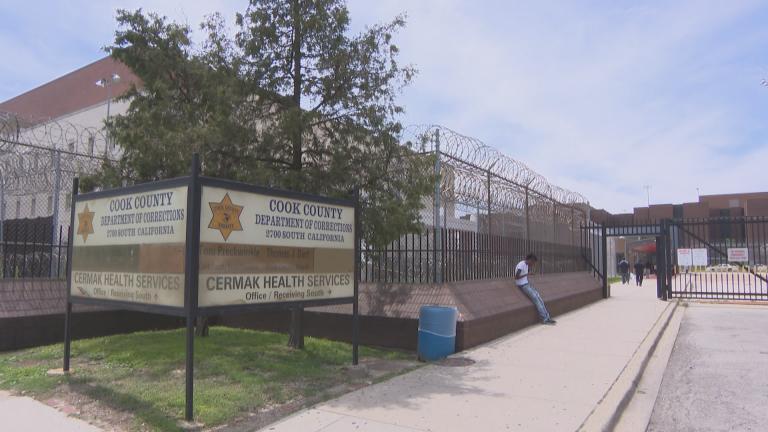
Last year, about 5,400 detainees at Cook County Jail received treatment for opioid use – an average of 375-400 each month. The county will be able to expand its services for opioid use disorder, thanks to a new grant.
Trending
Obamas Celebrate Chicago Roots, Power of Community During Presidential Center’s Opening

Hear From the Architects Behind the Obama Presidential Center

What to Know About the History of Juneteenth and How It Became a Federal Holiday

South Side Residents Voice Gentrification Concerns Ahead of Obama Presidential Center Opening

Body Camera Footage From Fatal Shooting of CPD Officer Ella French Released

Sign up for the WTTW News newsletter