

CTA
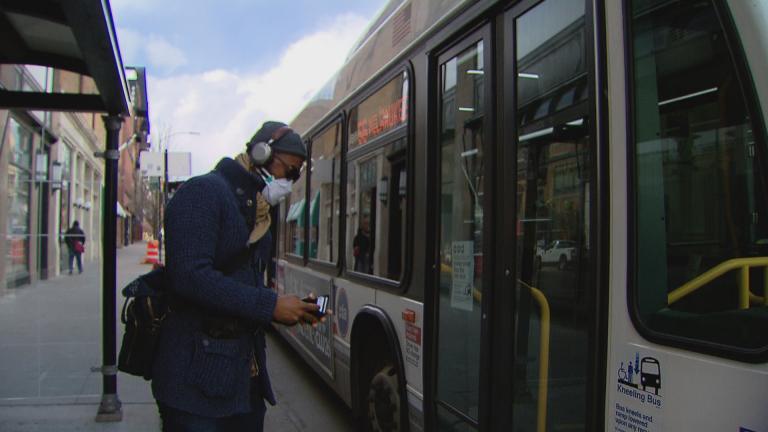
Despite concerns over using public transportation during the coronavirus pandemic, many essential workers and residents without cars have been relying on the Chicago Transit Authority to get around.
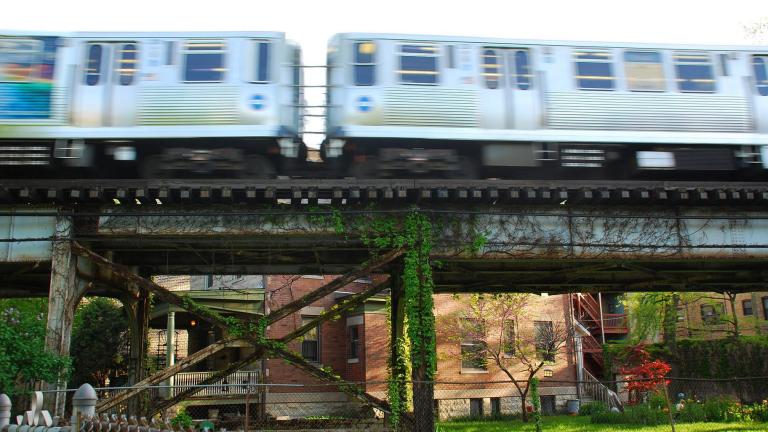
A new rail ridership information dashboard, unveiled Thursday, provides data on the average number of seats taken per rail car at each stop along a given line, by time of day and day of the week.

Ridership across CTA trains and buses, Metra commuter trains and Pace buses are down about 70% compared to this time last year. With that dramatic decline in ridership comes lower revenue and strains on operational funding.

The CTA’s ambitious Red and Purple Line modernization program will impact service for riders on the North Side for a four-week period starting Friday. And the agency’s plan to relocate a historic building takes a step forward.
As Chicago increasingly reopens for business and pleasure, the question remains how people will move around the city, and whether riders will feel comfortable using public transportation.

The CTA has outlined the steps it’s taking to keep riders safe, but passengers say the agency is dropping the ball on the biggest precaution: forcing riders to wear masks.

A new guidebook showcases the region’s best hiking trails accessible via the CTA, Metra or the South Shore Line. Because someday, we’ll ride trains again.
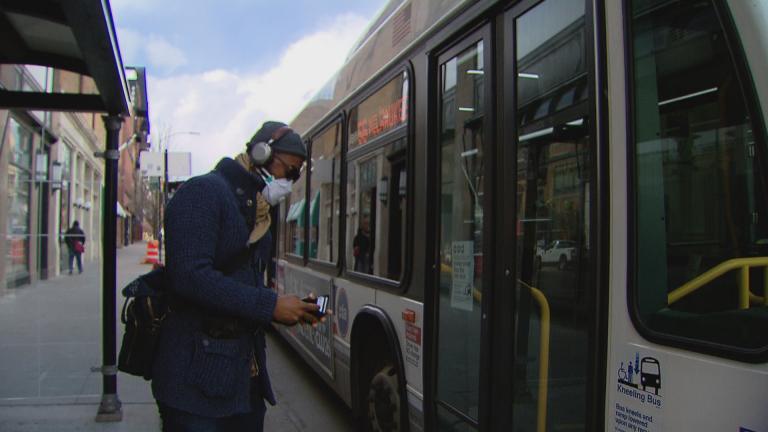
Keeping buses and trains running is costly, but public transit agencies in Chicago have yet to see money from the federal stimulus package that passed in late March.

Public transit systems nationwide are grappling with a new reality — drastically plummeting ridership and revenue caused by a stealthy virus that’s also sickening and killing transit workers.

Body camera footage and other videos released Tuesday show the moments leading up to and immediately following the nonfatal shooting of Ariel Roman on Feb. 28.

Passengers riding the CTA Red Line toward 95th won’t be able to get on or off at the Granville, Thorndale or Bryn Mawr stops this weekend.

The Chicago Transit Authority will pay a $3 million settlement to a man whose left leg was amputated above the knee after he was struck by a CTA bus near the intersection of Madison Street and Pulaski Road in 2018.

As the coronavirus continues to spread, the Chicago Transit Authority is announcing additional safety measures for its employees and riders to promote social distancing, including rear-door boarding on buses effective Thursday.

Bus drivers have a tough job these days. And musicians are pretty much out of work. We spoke with one CTA driver who is also a songwriter with a new record. He drives people all over town, but right now he can’t play for the people.
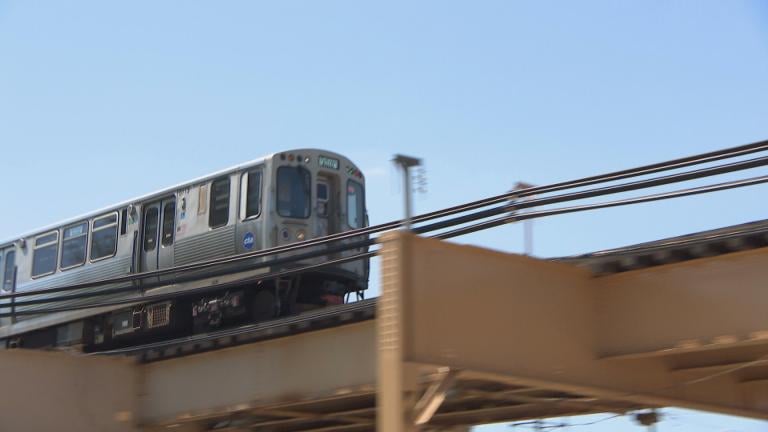
The Chicago Transit Authority says it has enough cash on hand to keep buses and trains running through the end of the April – but if federal bailout money doesn’t come soon, the agency will be forced to borrow to keep customers moving.

Ridership on city bus and train lines is down, but the CTA is still operating its regular schedule. What the agency is – and is not – doing to protect riders and operators during the pandemic.
Trending
Suspend 4 CPD Officers Who Stopped, Shot Dexter Reed for Violating Rights of 4th Driver: Former Top Cop
CPD Opens Misconduct Probe Into Members’ Use of License Plate Readers
CPD Officer Who Shoved Woman Who Called 911 After Her Boyfriend Beat Her Won’t Be Fired: Records
Whitfield Harrington Jr. on His US Senate Run, Polarizing Politics and Free Community College

Johnson Makes Bid for Chicago Mayor Official By Filing Thousands of Signatures
Sign up for the WTTW News newsletter