

Chicago History
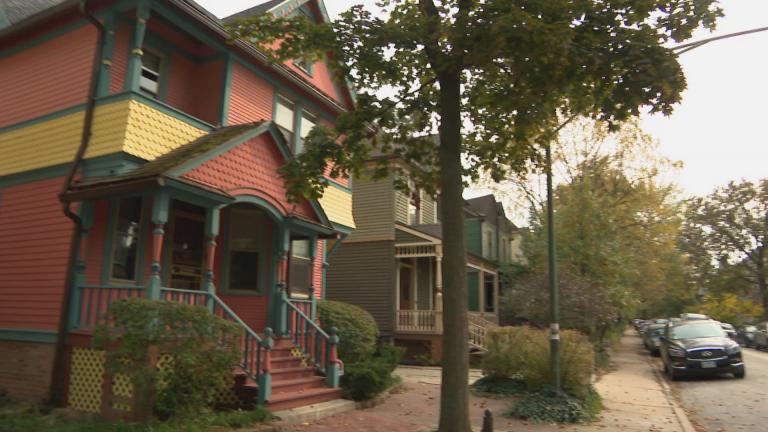

A tucked-away street on the city's South Side is a time capsule from the days before the neighborhood was even part of Chicago. Geoffrey Baer explains.
Is the HBO horror series on your binge-watching list? Architecture critic and author Lee Bey unpacks the hidden history of the new show.
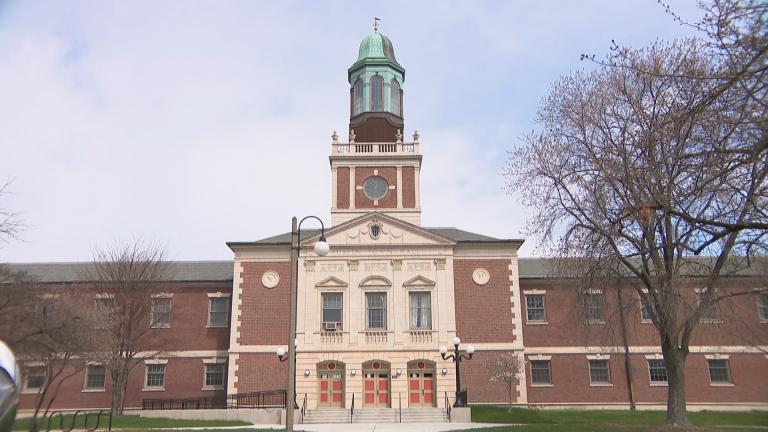
Geoffrey Baer takes a look at the redesigned event in the latest Ask Geoffrey.
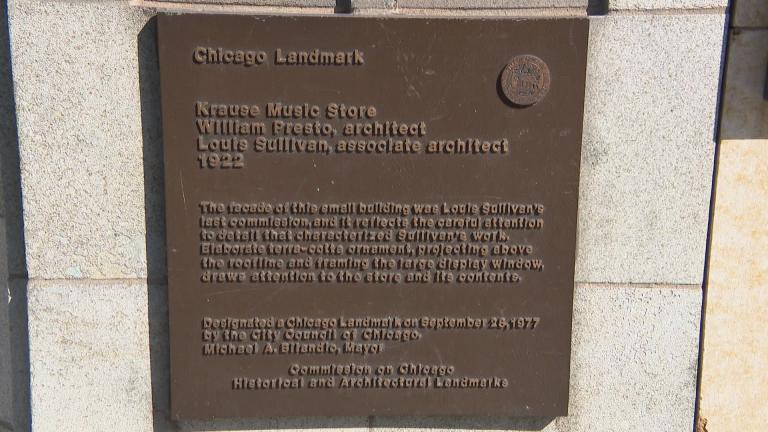
Geoffrey Baer traces the half-century story that cost at least one preservationist his life, in this week’s Ask Geoffrey.
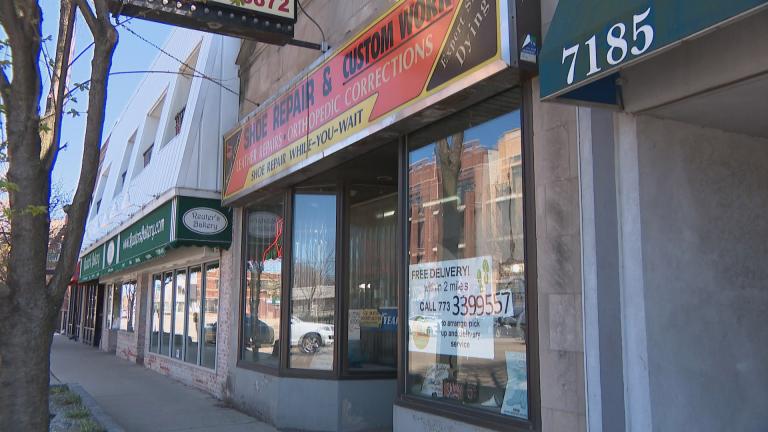
Efforts to transform a Northwest Side tax program created in the 1980s amid the racist panic that greeted the election of Chicago’s first Black mayor are stalled — nearly two years after new leadership promised a fresh start.

After a developer purchased a neighborhood plaza earlier this year, some residents and business owners are concerned the fabric of the community — known as the epicenter of Mexican culture and commerce for the entire Midwest — could be at risk.
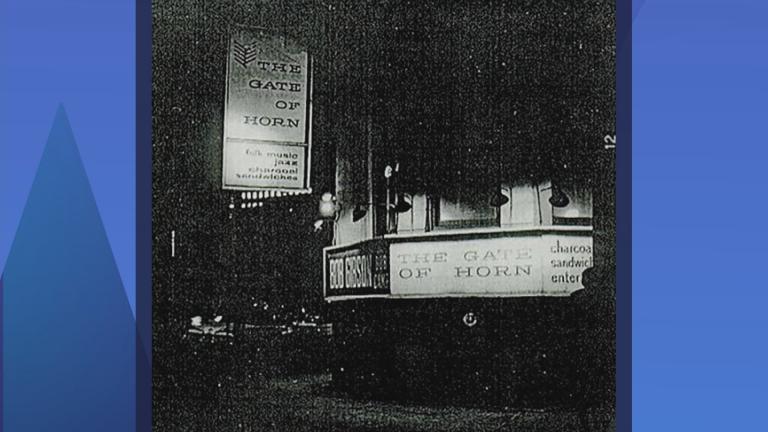
Geoffrey Baer has the story of a Chicago nightclub that helped launch the careers of artists like Peter, Paul and Mary, Shel Silverstein, and many more.
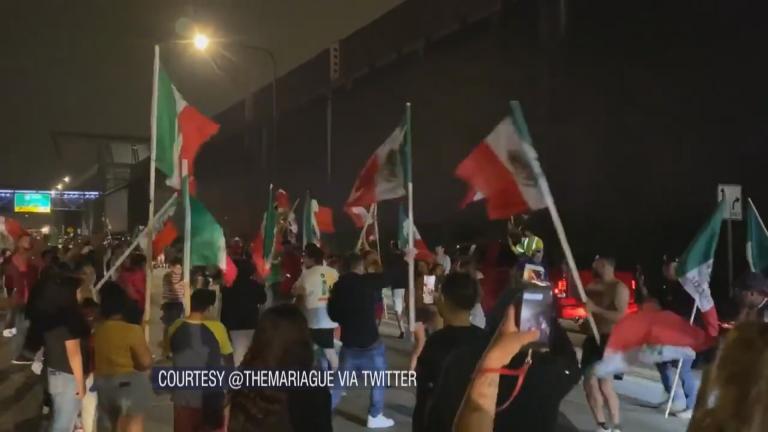
Mexican Americans didn't let the pandemic stop their celebrations. Was there a better way?
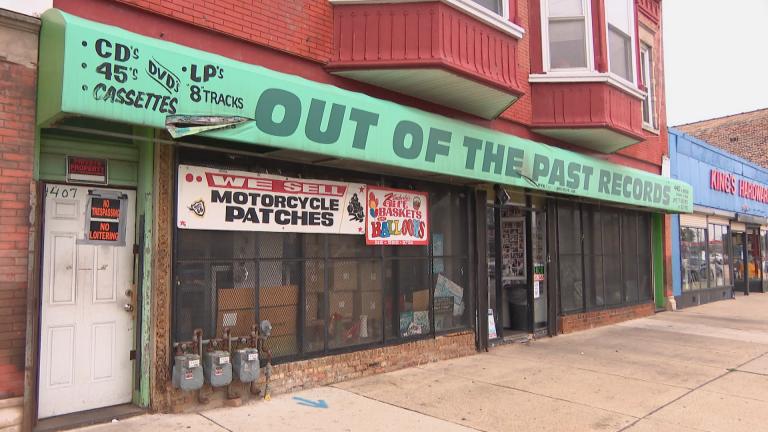
For more than 50 years, a family business in West Garfield Park has persevered in good times and bad. They run a record shop that sells music in many formats – and pretty much anything else that will sell.
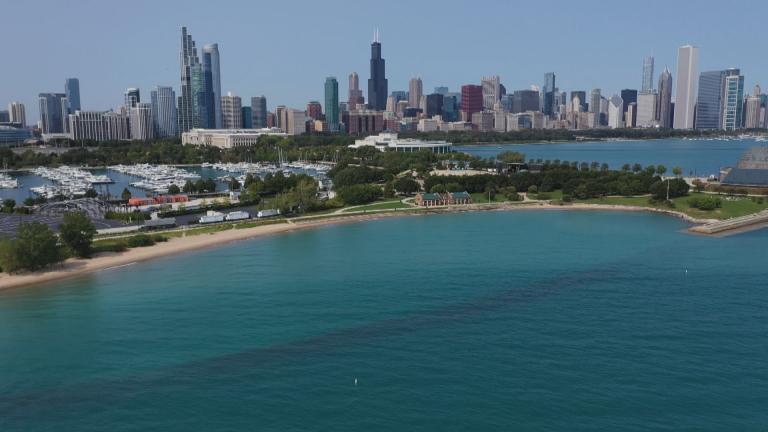
Geoffrey Baer on a mysterious lakefront structure in this week's Ask Geoffrey.
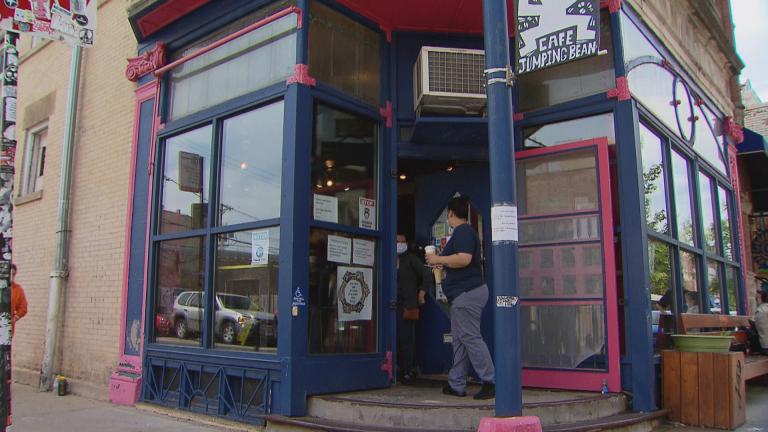
Tuesday marks the start of Hispanic Heritage Month, which celebrates of the cultures and honors the contributions of Hispanic and Latino Americans. We discuss the varied and vast impact of Latinos on business, art and politics in Chicago.
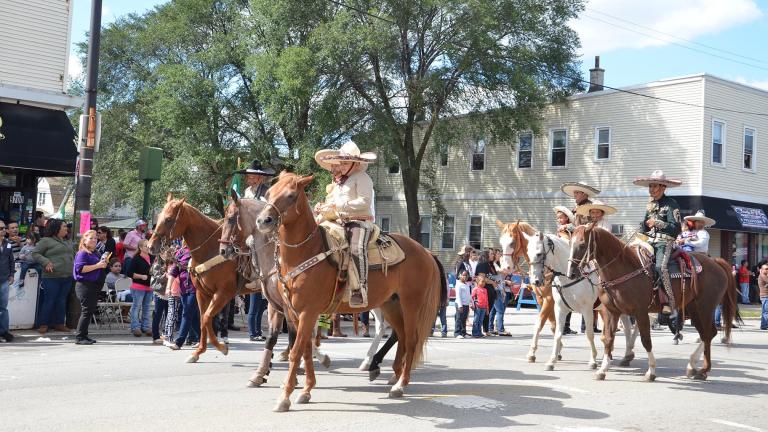
Mexican Independence Day celebrations are a community staple across many communities in Chicago and beyond. But during the COVID-19 pandemic, those celebrations are looking very different this year.
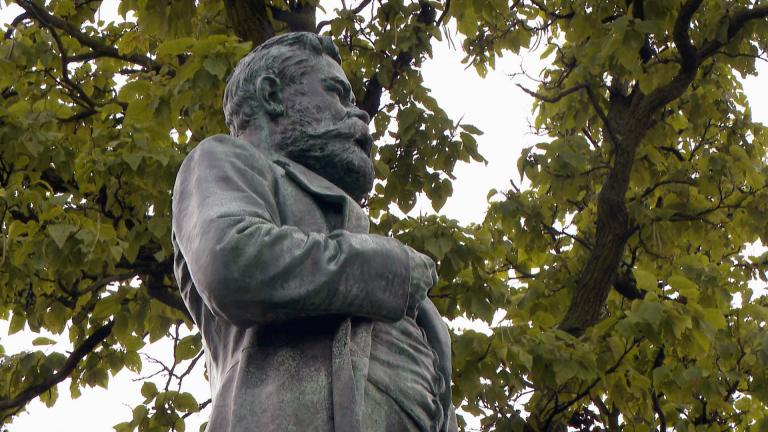
Two famous Germans take up permanent residence in Chicago, only to witness the evolution of a West Side neighborhood. Geoffrey Baer goes long on two enduring Humboldt Park statues.
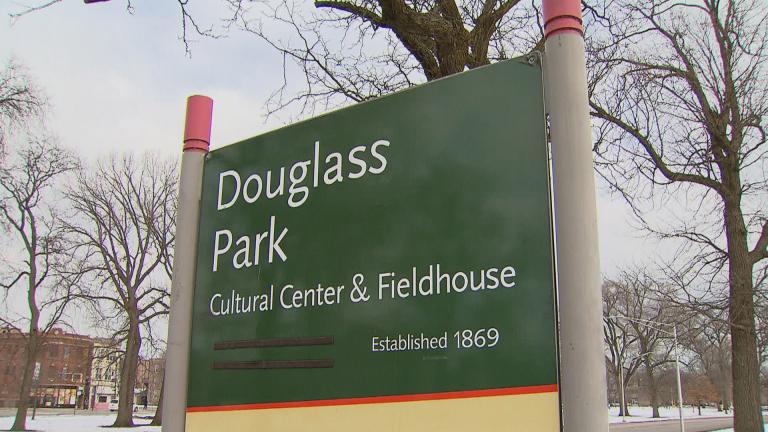
After a three-year, student-led grassroots campaign, the Chicago Park District Board of Commissioners voted to officially remove the name of Stephen Douglas from what’s now temporarily known as Park 218.
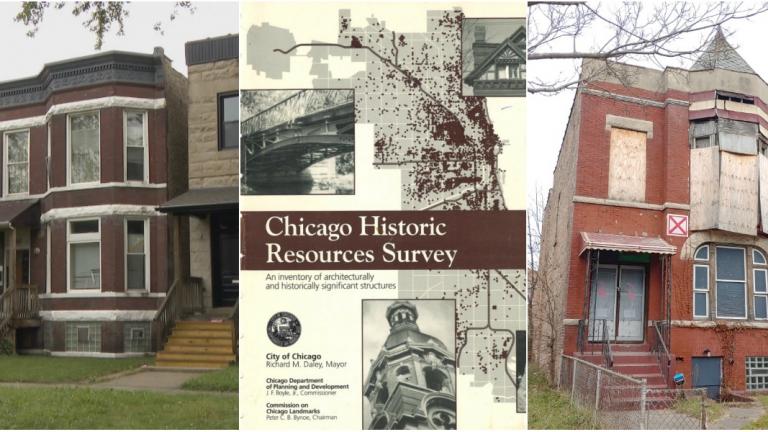
The Chicago Historic Resource Survey, completed in 1995, has been an invaluable tool for preservationists. But it’s beginning to show its age, and the lack of sites of significance to the Black and Latino communities is notable.
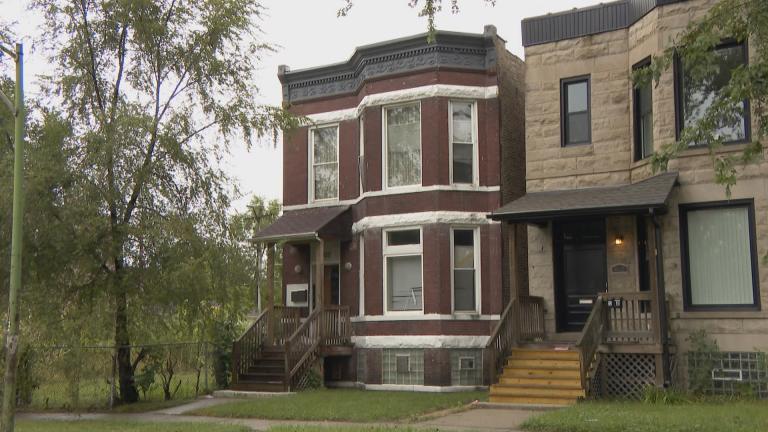
The Chicago Commission on Landmarks unanimously approved preliminary landmark status for Emmett Till’s former home, calling the red brick two-flat a “modest home that is monumentally important.”
Trending
2026 Chicago Festival Guide

CPD Sergeant Who Led Botched Raid at Home of Anjanette Young Now Working as a Suburban Police Detective

Woman Charged With Fatally Stabbing 7-Year-Old Girl Walking in Chicago Saturday

Key City Panel Unanimously Agrees to Pay $260.8M to Resolve 16 Lawsuits Tied to Disgraced Ex-CPD Detective Reynaldo Guevara
Marimar Martinez Hopes New Lawsuit Could Spur Criminal Charges 1 Year After Border Patrol Agent Shot Her

Sign up for the WTTW News newsletter