Health
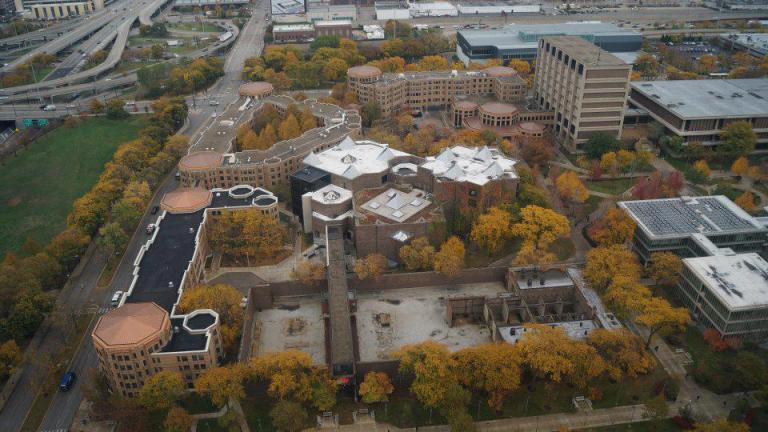
Researchers from the University of Illinois at Chicago will investigate how social determinants like poverty and living in a food desert contribute to the health of marginalized groups.
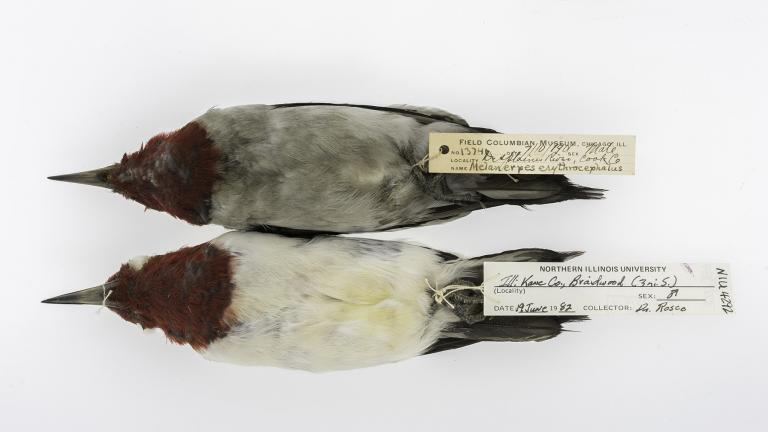
Researchers analyzed 1,000 birds collected over the last 135 years by the Field Museum and other institutions to track the amount of soot in the air of Rust Belt cities.

With mental illness affecting 1 in 5 people, Chicagoan Veronica Padilla hopes addressing the topic in a playful manner will make it more accessible. “Humor can be very therapeutic. Humor has gotten me out of so many binds in my life when things got heavy,” she said.

The University of Illinois at Chicago, Northwestern Memorial Hospital and the University of Chicago Medicine will join forces to conduct clinical trials designed to improve outcomes for patients with life-threatening emergencies as part of a newly formed national network.
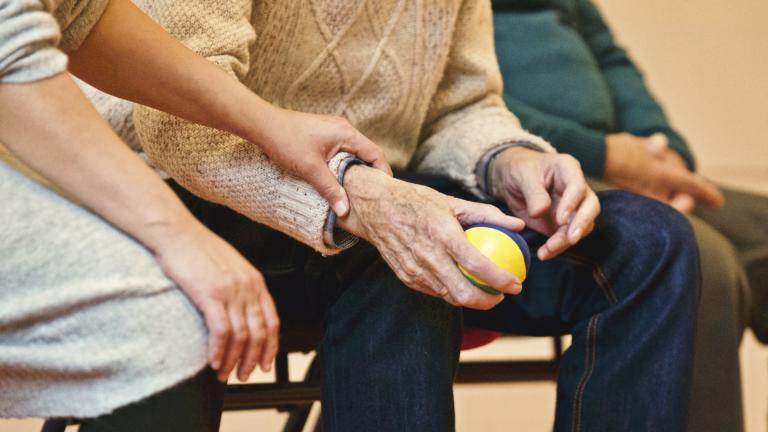
Is there a connection between losing the ability to smell and a greater risk of dementia? A co-author of a new University of Chicago study says it “may be an important early sign.”

Low-income pregnant women are more likely than their wealthy counterparts to experience chronic placental inflammation, which is linked to preterm birth and low birth weight, a new study finds.
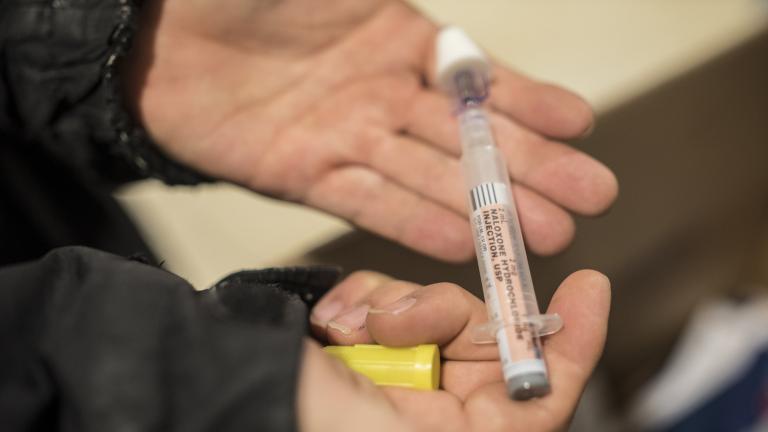

There were nearly 1,900 fatal opioid overdoses in Illinois last year, according to the Illinois Department of Public Health. We speak with Nirav Shah, the agency’s director, about the state’s fight against the crisis.

Can Illinois stop the spread of HIV infections? A statewide initiative aims to do just that. “We have a real chance of stopping the spread of HIV once and for all,” Mayor Rahm Emanuel said.

A miniature female reproductive system will help researchers better understand the cause of polycystic ovary syndrome, and advance the development of drugs to treat the disease.

Meet DiaBetty, the voice-enabled diabetes coach and educator developed by researchers at the University of Illinois at Chicago to help newly diagnosed Type 2 diabetes patients manage the condition.
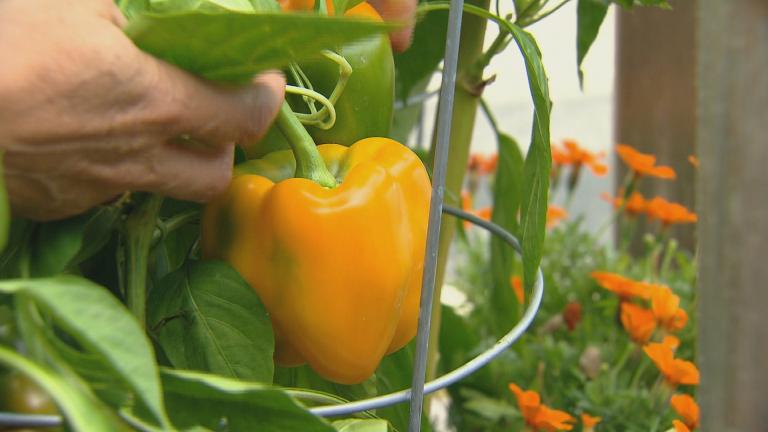
It may officially be fall, but for the past week Chicago has been experiencing a record-breaking heat wave. Jeanne Nolan joins us in the WTTW organic garden.

Researchers from the University of Chicago and University of Illinois at Chicago will join forces to study the health effects of pollution on local residents, thanks to a $4 million grant from the National Institutes of Health.

GOP officials seem optimistic that the latest effort to repeal and replace Obamacare can succeed, but critics say it will kick millions off the insurance rolls and drastically spike premiums for those with pre-existing conditions. We discuss the bill.

Research shows that hundreds of thousands of Chicagoans live in food deserts. According to a 2006 report, most of those in Chicago were made up entirely of African-American residents.
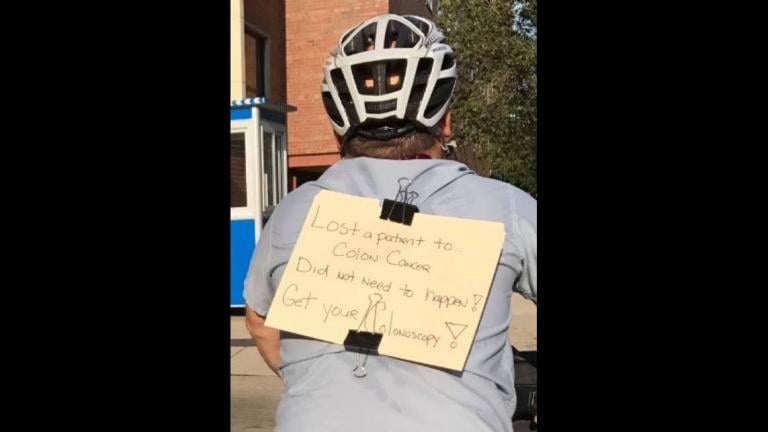
After losing a patient to colon cancer, a local doctor strapped a sign to his back urging people to get screened for the disease. The reaction to his unusual move was instant – and widespread.
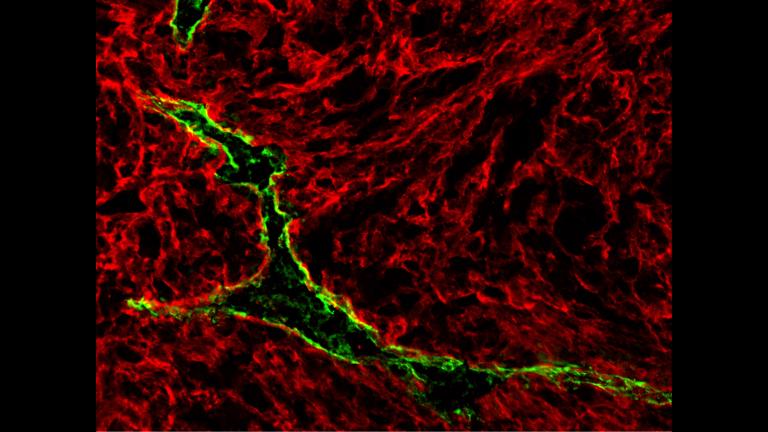
University of Chicago researchers have discovered that lymphatic vessels, which are often blamed for enabling cancer to spread, can also boost a type of cancer treatment.
Trending
Police Brass Agrees to Suspend Officers for Violating Rights of Black Driver During Downtown Traffic Stop

Roseland Hospital Failed to Monitor a Patient During a Mental Health Crisis, Regulators Say. Now He’s Charged With Killing His Wife

Border Patrol Chief Greg Bovino Back in Chicago as Federal Immigration Operations Ramp Back Up

4 More Bus Routes Will Be Added to CTA’s ‘10 Minutes or Sooner’ Initiative

Evanston Mayor Daniel Biss Confronts Border Patrol Chief Greg Bovino as Immigration Enforcement Continues

Sign up for the WTTW News newsletter