Health


An ordinance to protect residents from a potentially brain-damaging pollutant is passed by the City Council. But does it go far enough?
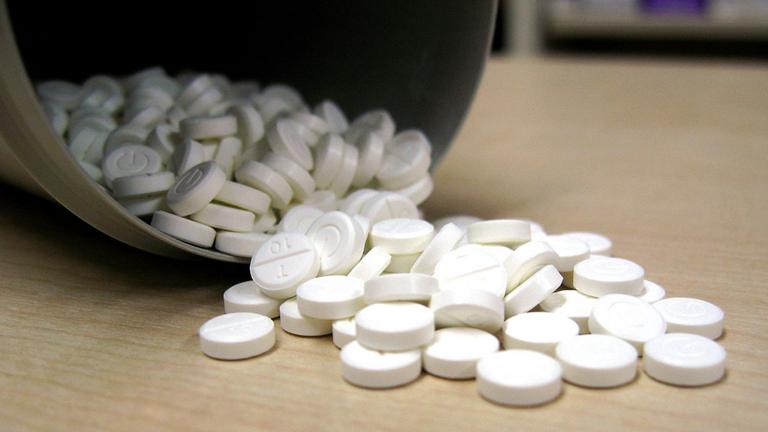
The American Dental Association announces a new policy on opioid prescriptions and education for dentists who prescribe the painkillers and other controlled substances.

A first-of-its-kind study from the Chicago Department of Public Health provides a population estimate of the city’s LGBT community and a snapshot of the health issues and inequities it faces.

Health and Human Services Deputy Secretary Eric Hargan discusses his agency’s role in combating the opioid crisis.

A citywide campaign seeks to curb underage drinking through public awareness and school policy reforms. “We don’t want schools to suspend students,” said Juan Padilla, a Voices of Youth in Chicago Education organizer.

Should naturopathic physicians be licensed in Illinois? A professional trade association says it’s a matter of public safety, but others say the move is not in the public’s best interest.

A brain-damaging pollutant found at high levels near thousands of Southeast Side homes would be banned at future industrial sites under a new ordinance introduced by city officials Wednesday.

West Garfield Park residents have a life expectancy of 69 years, compared to an average life expectancy of 85 years in the Loop. By 2030, West Side United hopes to cut that life expectancy gap in half.
UChicago Study Finds Immune History Influences Effectiveness
This year’s flu vaccine is only 36 percent effective, according to the CDC. But a new study suggests that a person’s past flu experiences could influence how effective the flu vaccine is for them.

While inpatient settings help stroke victims recover, their progress tends to decline when they return home. Researchers are hoping that a new breed of wearable electronics could curb that drop-off in recovery.
Overcoming heroin addiction is a Herculean task. How a local program is helping former addicts recover with medication.

The 19-year-old suspected of opening fire Wednesday inside a Florida high school had a troubled past. A pair of experts discuss mental health issues and how the threat of violence impacts young people.

The new White House budget doesn’t match President Donald Trump’s campaign pledge to save Medicaid and Medicare “without cuts.” We discuss the proposed reforms.
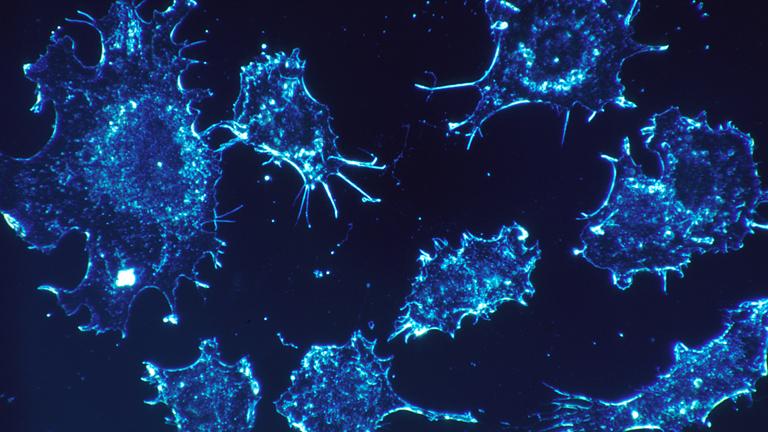
People with Huntington’s disease, a fatal genetic illness, are less likely to develop cancer than the general population. Now, scientists have a better understanding as to why, thanks to the discovery of an “assassin molecule” by Northwestern University.
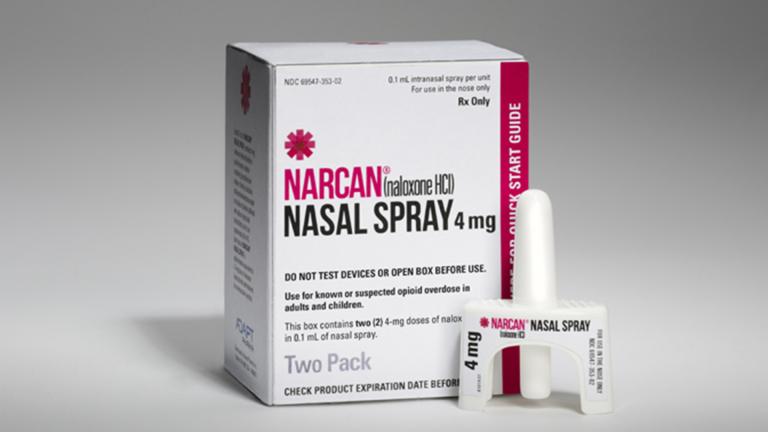
Officials battling the state’s opioid epidemic got a boost this week with the donation of a medicine that reverses the effects of opioid overdoses. In 2016, nearly 1,950 people died of opioid overdoses in Illinois.
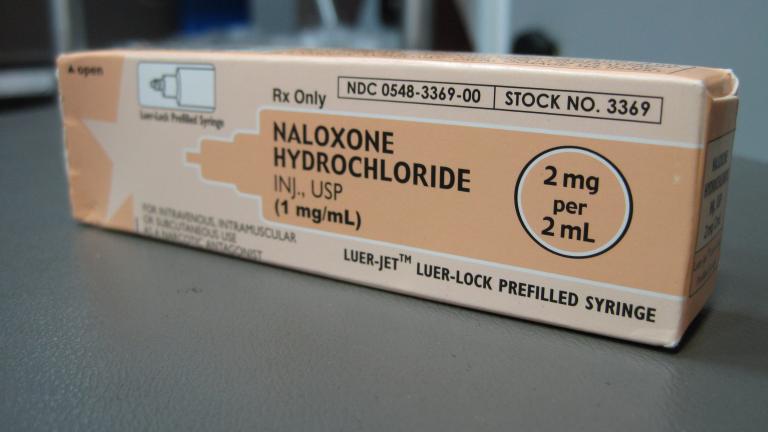
As part of the city’s fight against opioids, Chicago Police officers will be equipped with naloxone. “Ensuring public safety goes beyond focusing solely on violent crime,” said Police Superintendent Eddie Johnson.
Trending
Meet the Scientist Who’s Spent Decades Making Sure Birds Killed in Chicago Building Collisions Don’t Die in Vain

Family of Chicago Police Officer Krystal Rivera Suing Department, Partner Who Fatally Shot Her

Pritzker Signs ‘Medical Aid in Dying’ Bill

Trump’s Face Will Replace Images of National Parks on Some Annual Passes, Environmental Group Sues to Stop Change

Man Charged in Blue Line Arson Attack Also Accused of Attempted Sexual Assault on CTA in March

Sign up for the WTTW News newsletter