

Jamie Kalven
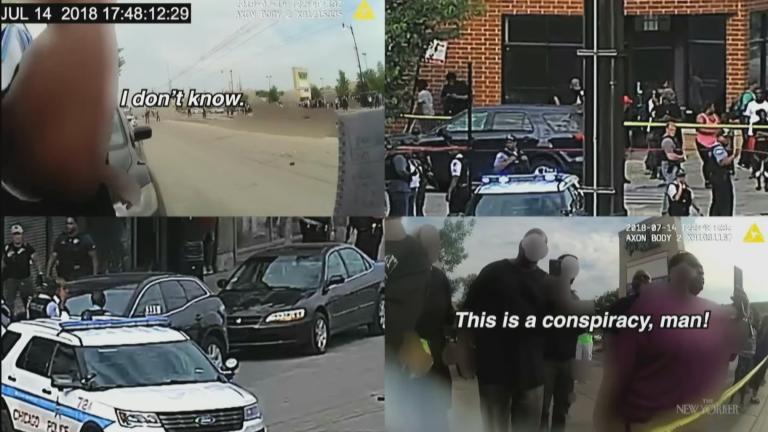

The movie is about Harith Augustus, a 37-year-old barber who was shot and killed by police in South Shore in July 2018. The shooting sparked immediate public outcry and legal fights for full access to police body camera video.
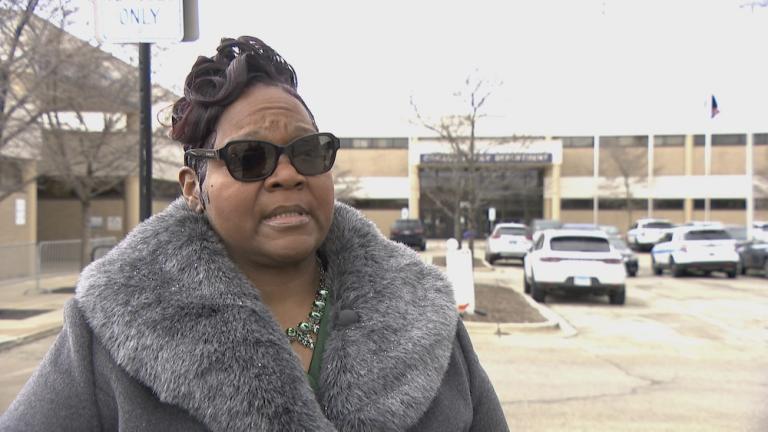
“It’s so important that we actually get this information out, not just for me, but for any of these other cases that they are holding back, giving us all the details," Shapearl Wells said. “It is so crucial for the public to find out what’s actually happening in Chicago.”
“It is an absurd denial that lacks human generosity,” journalist Jamie Kalven said.
“Seven years, and we still don’t have the answers. We still don’t know what happened to my son. Seven years, I’m still fighting, trying to find the truth.”
Independent journalist Jamie Kalven called the revised plan for the database “nothing more an exercise in smoke and mirrors.” The city's watchdog hammered the plan as “significantly smaller step, in scope and scale” than the one presented to aldermen in April.
Aldermen and Mayor Lori Lightfoot have agreed to create a database of police misconduct files dating back to 2000, an effort championed by Inspector General Joseph Ferguson as a way to start restoring Chicagoans’ trust in officers, Ald. Scott Waguespack has told WTTW News.
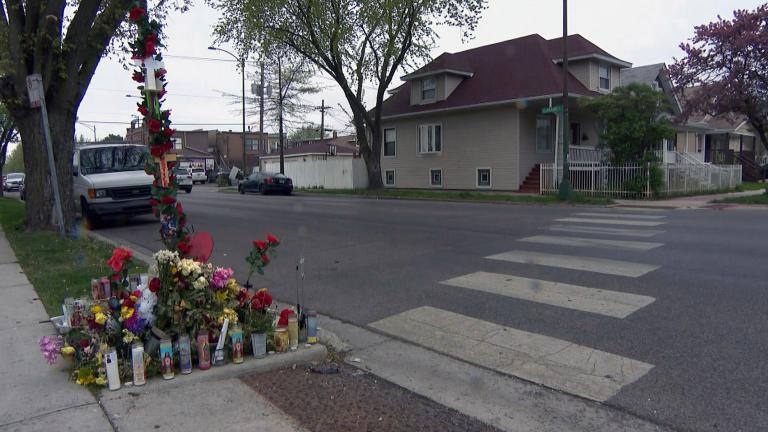
There are still many unknowns about the fatal police shooting of Anthony Alvarez on March 31, including why he was stopped by law enforcement in the first place.
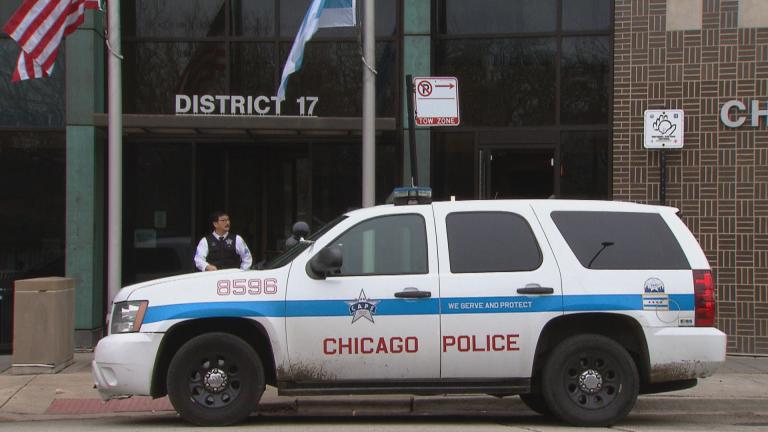
As Chicago reeled — again — from the police killing of a teenager recorded on video, Inspector General Joseph Ferguson offered aldermen a way to reverse what he called the city’s “long history” of covering up police misconduct. “We are out of runway with respect to the public’s patience and beliefs that we care to reform,” he said.
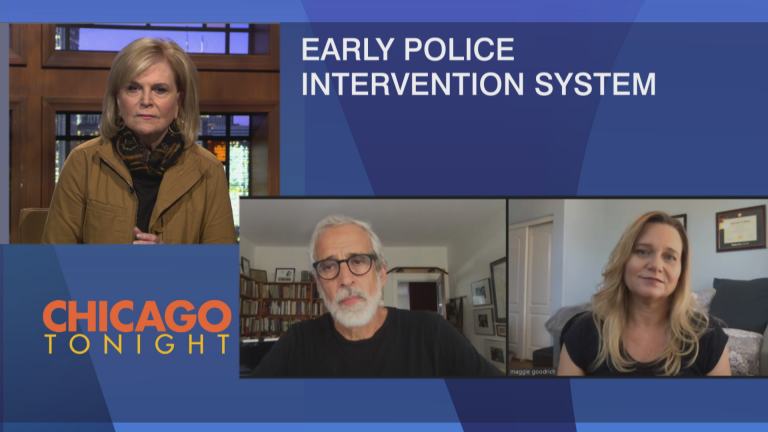
Developed by the University of Chicago Crime and Education Lab, the system is designed to provide officers with the support they need before they harm themselves or others. A pilot program began Tuesday and will expand citywide over the next year.
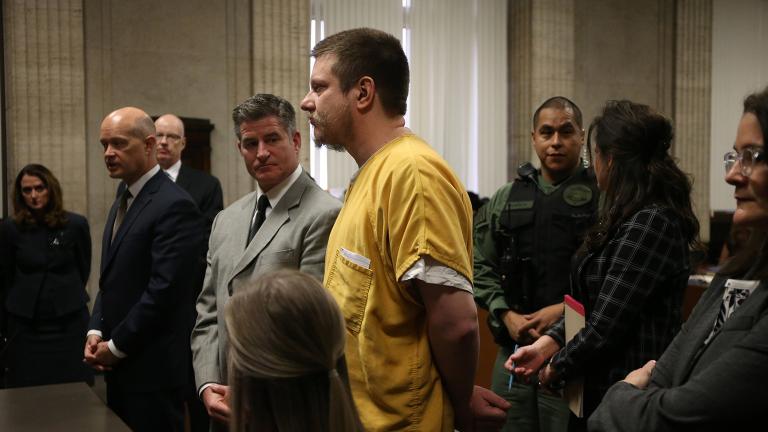
In the wake of two historic cases, a discussion with two central figures in the story of the 2014 shooting of Laquan McDonald: journalist Jamie Kalven and former police union president Dean Angelo.
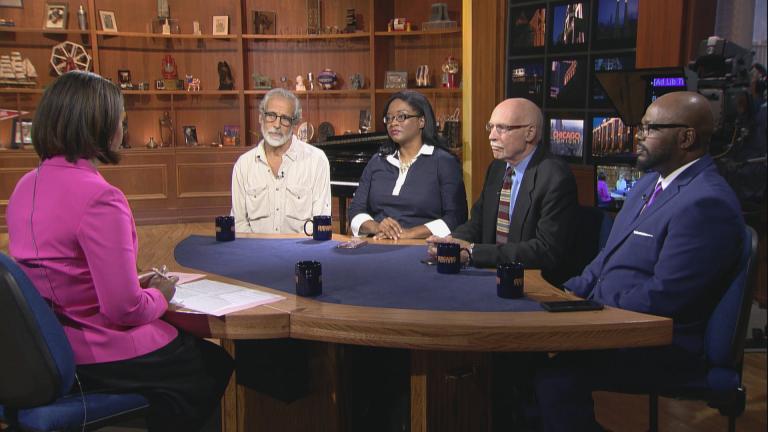
The high-profile case and its impact on Chicago: A conversation with journalists Jamie Kalven, Kimberly Egonmwan, Greg Hinz and John Fountain.
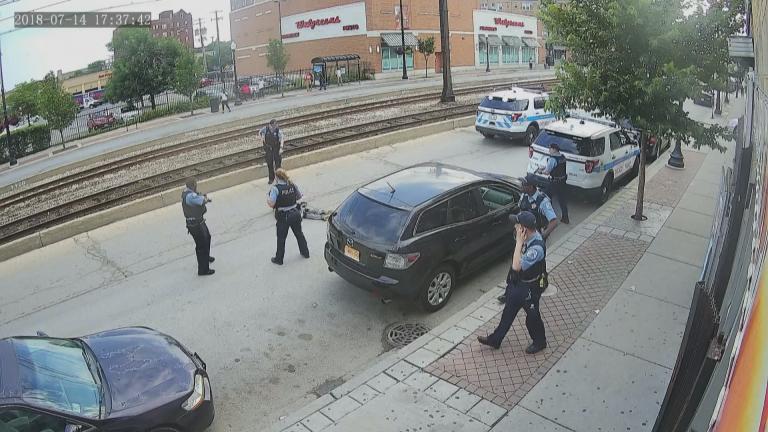
A conversation with journalist Jamie Kalven about police accountability as more videos of last month’s fatal police-involved shooting of Harith Augustus come online.
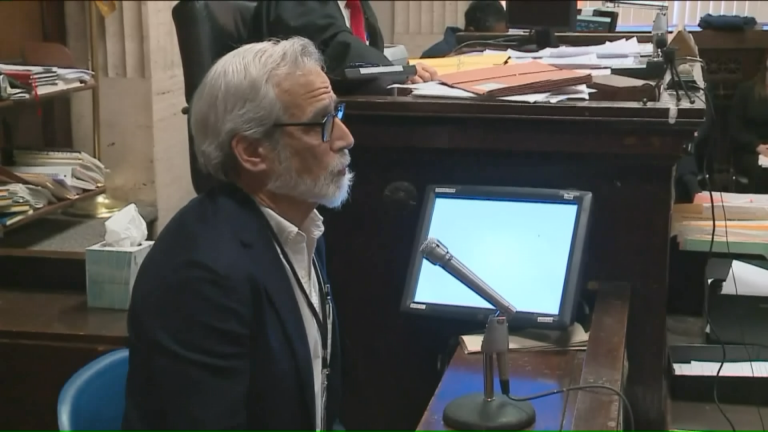
Jamie Kalven, the Chicago journalist who broke the story of Laquan McDonald’s shooting death, will not be compelled to turn over his sources or testify in open court, a judge has ruled. “To have it resolved, and definitive resolved, was a big relief,” Kalven said.
Should Jamie Kalven, the reporter who broke the story of the Laquan McDonald shooting, be forced, under oath, to reveal his sources?

The Invisible Institute, a locally-based nonprofit production company, this week published a new report after spending five years talking with black Chicago high school students about their interactions with police.

Aldermen in Chicago's Black Caucus want to hold police Superintendent Garry McCarthy accountable in the Laquan McDonald case and activists are calling for the ouster of Cook County State’s Attorney Anita Alvarez.
Trending
Pair of Chicago Elementary Schools Named Top in Illinois in New U.S. News Rankings
Mother-Son Reunions Among Latest Milestones for Shedd’s Rescued Belugas

Migration Mass Casualty With At Least 1,000 Birds Injured or Killed This Weekend in Chicago and on Northwestern’s Campus

Early Voting for November General Election Expands in Chicago, Suburban Cook County

Giannoulias, Quigley, Wilson — But Not Johnson — Among First to File Signatures Ahead of Chicago’s February Mayoral Election
Sign up for the WTTW News newsletter