

University of Chicago
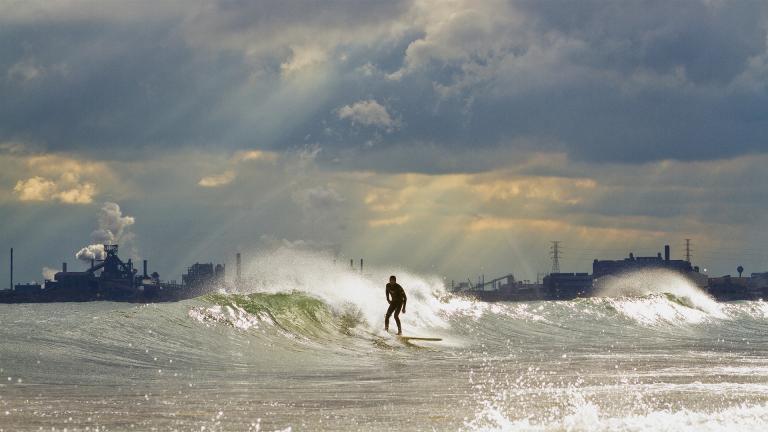
A nonprofit group working with the University of Chicago is poised to sue U.S. Steel over Lake Michigan pollution if a deal is not reached by Sunday between the company and environmental regulators.
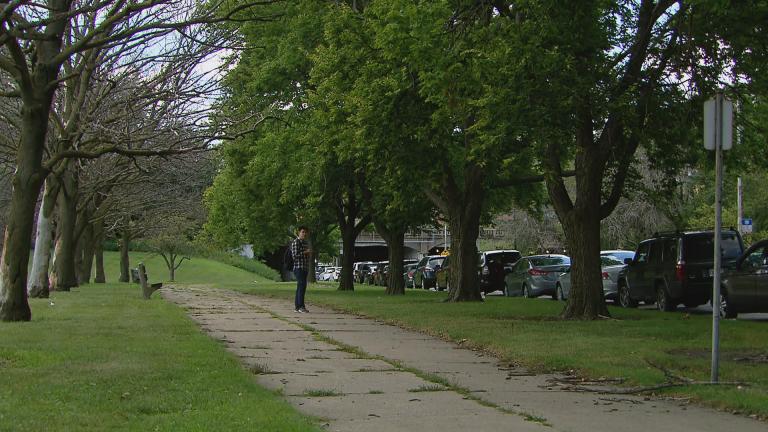
The Obama Foundation has given in to criticism, making a change to its plans. The decision comes as the Obama Presidential Center gained new critics: more than 100 University of Chicago faculty members.
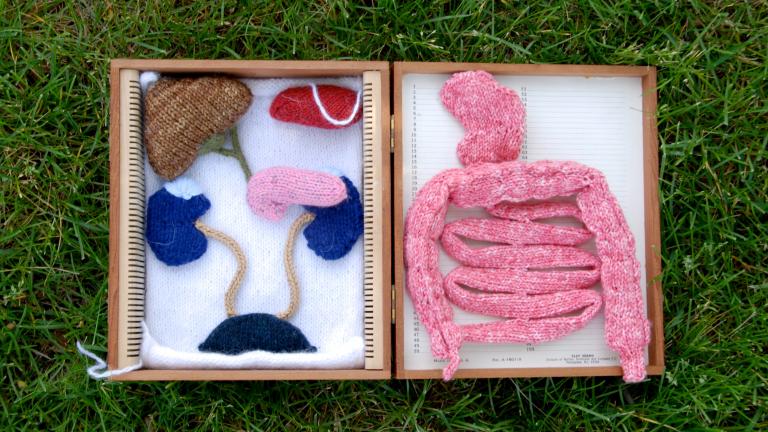
Anatomy is at the heart of medical school. To help fellow students remember lessons he struggled with, University of Chicago student Daniel Lam picked up his knitting needles.
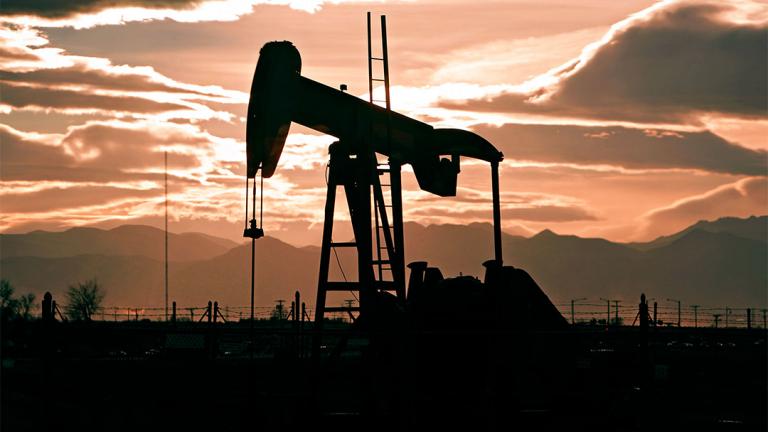
Babies born within 2 miles of a fracking site are more likely to suffer negative health effects, according to a new study co-authored by a professor at the University of Chicago.

Surfer environmentalists and the University of Chicago intend to sue U.S. Steel over toxic Lake Michigan spills after it twice released more than the allowable quantity of a cancer-causing chemical into the waters this year.
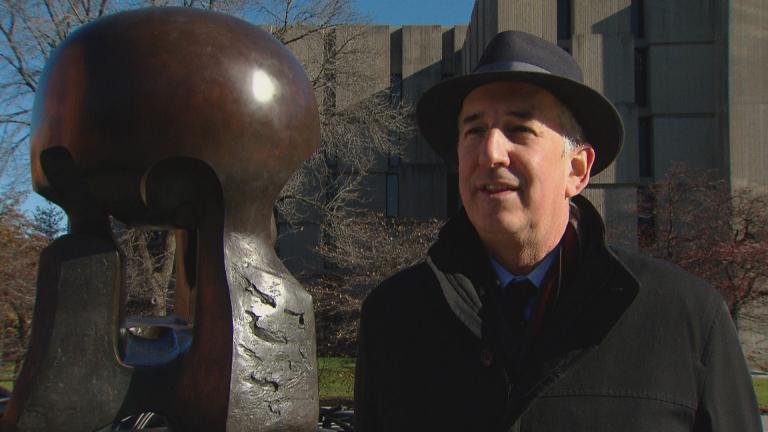
The nuclear age was triggered in Chicago 75 years ago this week. We remember that fateful day, the man behind it and the lingering implications.
In an effort to reduce the number of back-to-back pregnancies among adolescents, Chicago researchers are designing a multimedia tool kit to educate, engage and offer resources to young women.
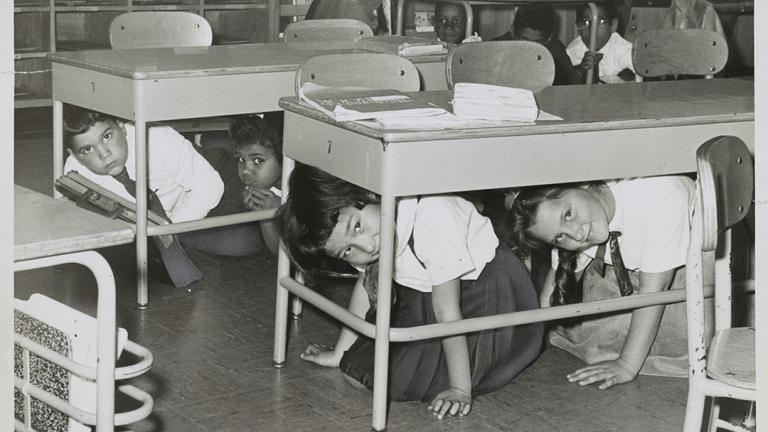
The days when Americans fretted over an imminent U.S.-Soviet nuclear showdown might be over, but the consequences of a new nuclear age are still reverberating today.
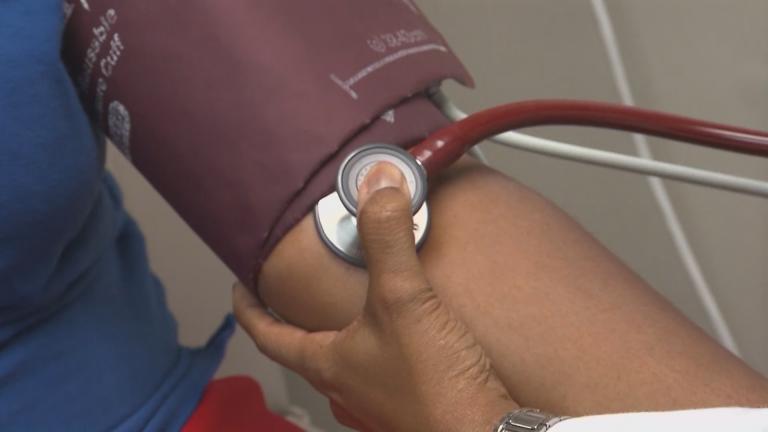
Many doctors have long believed the threshold for high blood pressure needed to be lower. On Monday, that change was made.
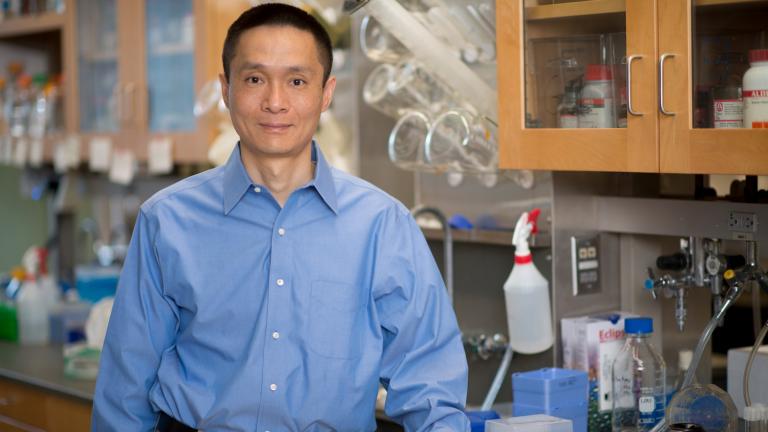
The biennial award is bestowed upon three promising researchers under the age of 45 making significant contributions to understanding the disease or improving treatments.
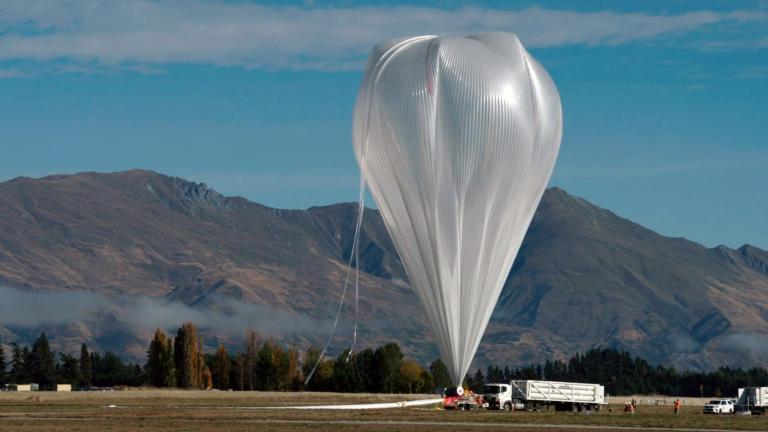
A team led by University of Chicago professor Angela Olinto will use a NASA super pressure balloon to study mysterious cosmic rays that could offer groundbreaking new insights about the universe.
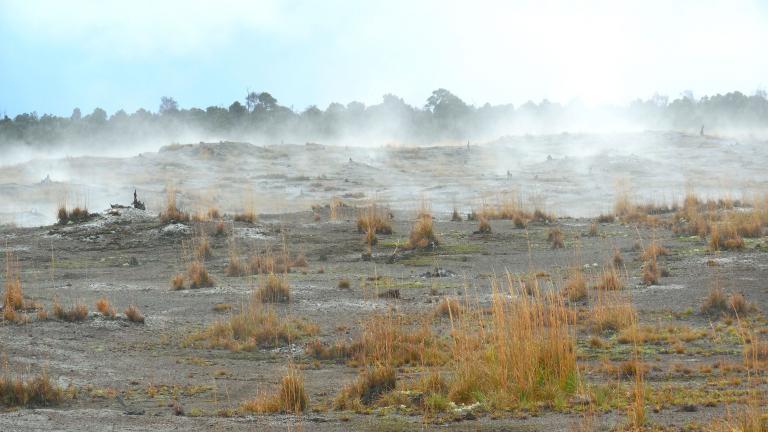
Scientists say there are more bacteria in the ocean than stars in the universe, yet little is known about them. A new study outlines the “crazy idea” that led to a project described by one scientist as the “Google database for microbes.”
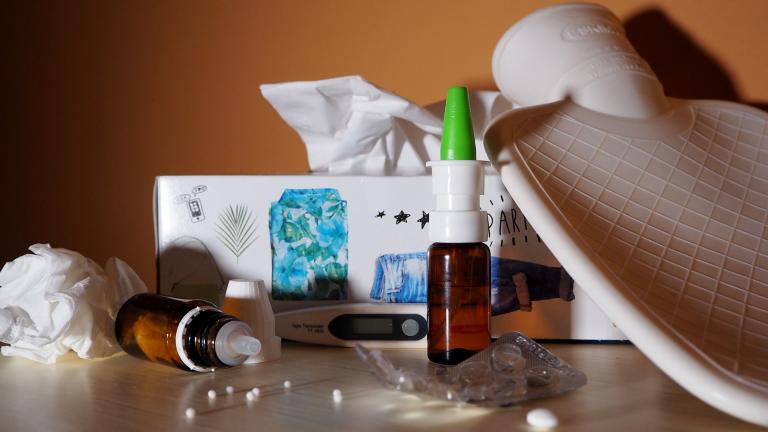
A new tool developed by University of Chicago scientists could boost public health officials’ ability to predict how severe an upcoming flu season will be.
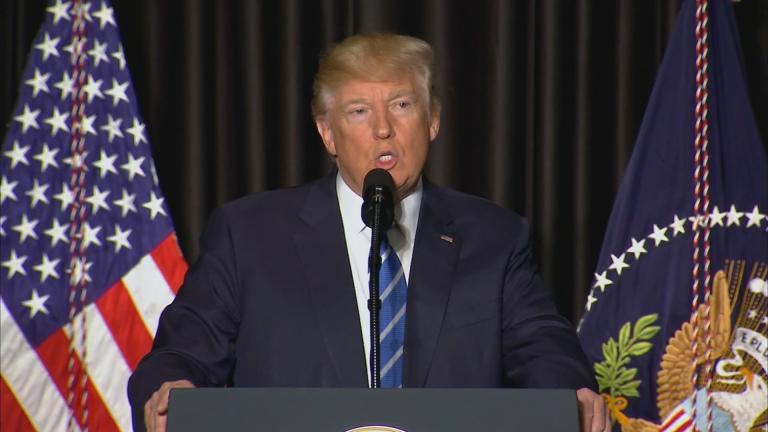
Fred Hochberg, the former head of the nation's Export-Import Bank, shares his thoughts on free trade under an administration that puts America first.
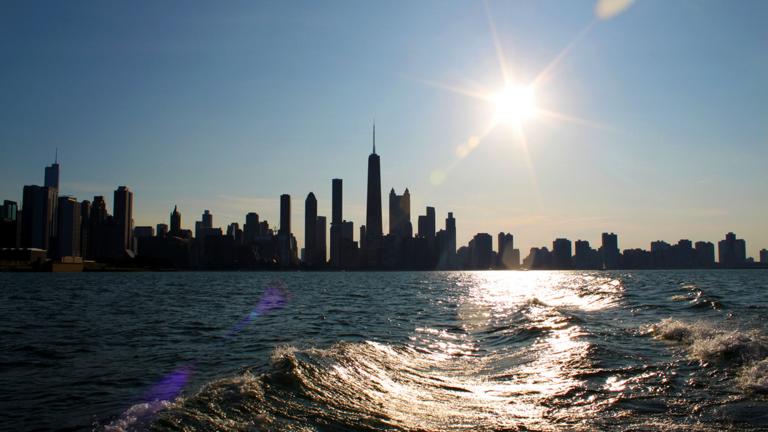
A new poll on climate and energy reveals surprising attitudes from Americans. We talk with the leader of the University of Chicago study group.
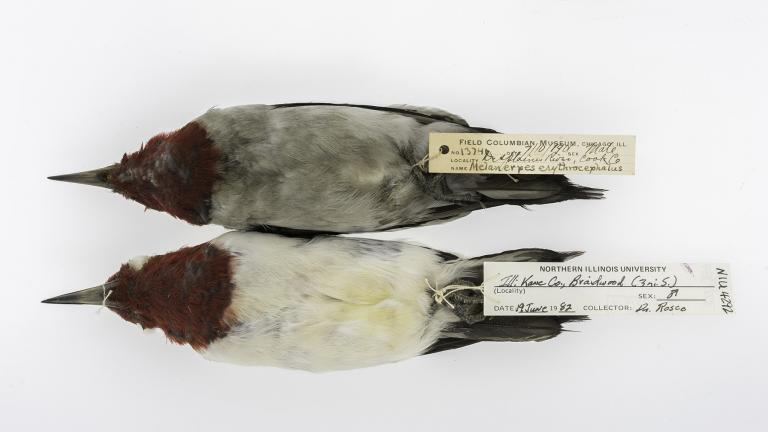
Researchers analyzed 1,000 birds collected over the last 135 years by the Field Museum and other institutions to track the amount of soot in the air of Rust Belt cities.
Trending
Interim NITA Director Earning $350K Salary While Also Collecting $213K Annual City Pension, Records Show

Early Voting for November General Election Kicks Off in Downtown Chicago
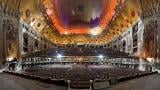
Uptown Theatre Added to Open House Chicago, Catch a Rare Glimpse Inside Gilded Jewel
City Lawyers Propose Spending $260.8M to Settle 16 Cases Tied to Disgraced Ex-CPD Detective Guevara
Chicago Woman Accused of Social Security Fraud After Hiding Mother’s Body in Freezer for 2 Years
Sign up for the WTTW News newsletter