

Transportation
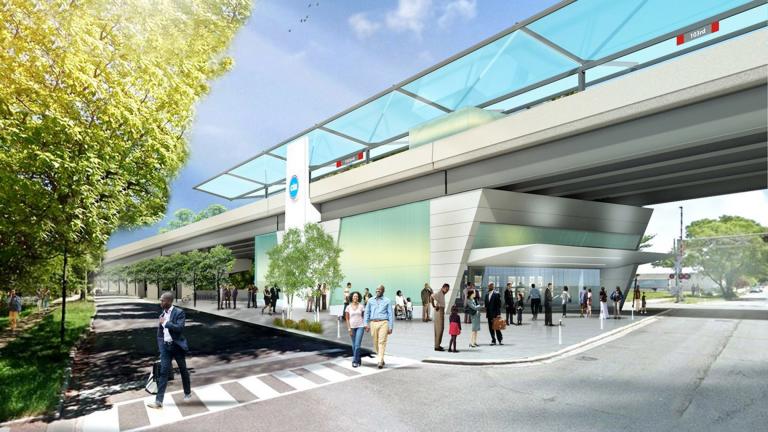

Plans to extend the heavily used train line south of its current endpoint at 95th Street have been discussed as far back as the 1950s. But the project has been steadily moving from idea to reality in recent years.
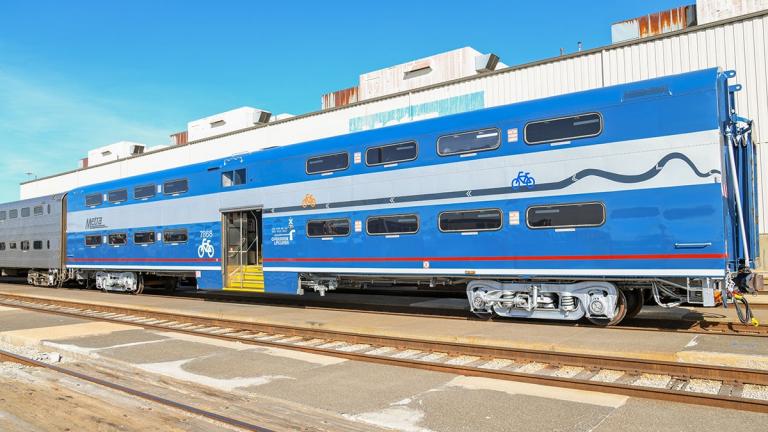
The transportation agency’s first-ever Bike Car makes its debut Saturday on the Milwaukee District North Line as part of a pilot program that will run through spring 2021.
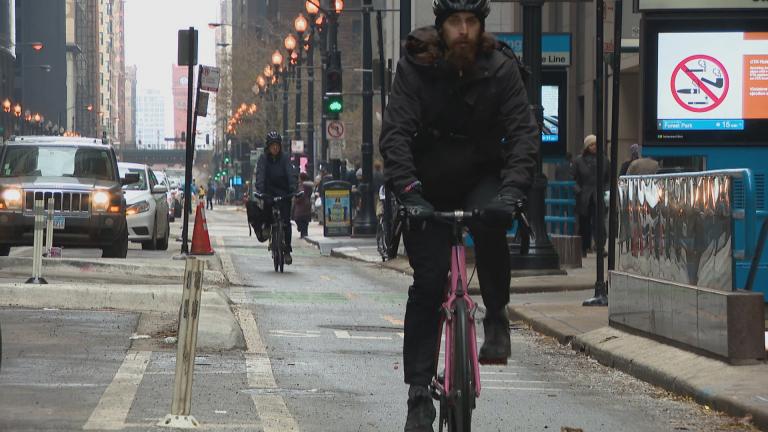
The coronavirus pandemic has given rise to a cycling boom in Chicago, but many riders face on-street bike lanes that are blocked or in disrepair. An advocacy organization wants to combat the problem with its new mobile app.

Lake Shore Drive is iconic, but with that status comes aging infrastructure. Transportation officials have come up with potential ways to overhaul the Drive and they’re looking for feedback.
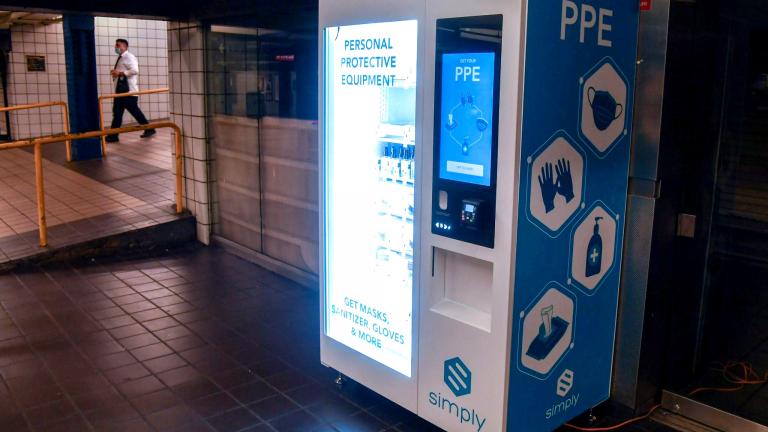
Disposable face masks, hand sanitizer, sanitizing wipes and disposable gloves will be available for purchase later this year at vending machines at CTA stations on the Red, Orange, Blue and Green lines.
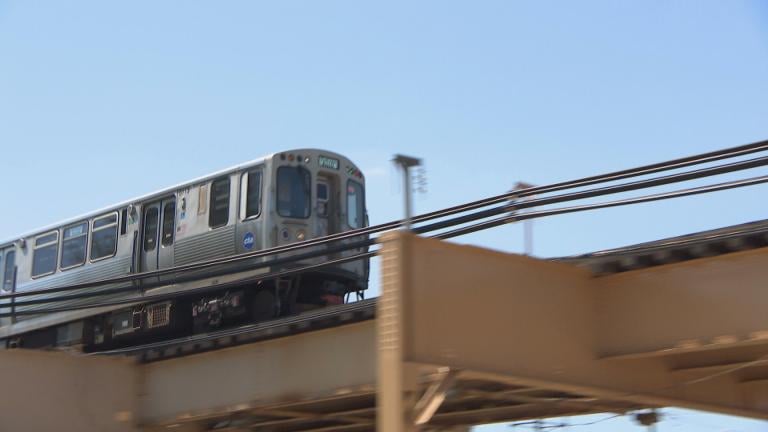
With a heated election drawing to a close and concerns about possible post-election unrest, transportation advocates are calling on the Lightfoot administration and Chicago-area transit systems to pledge they’ll continue operations during protests.
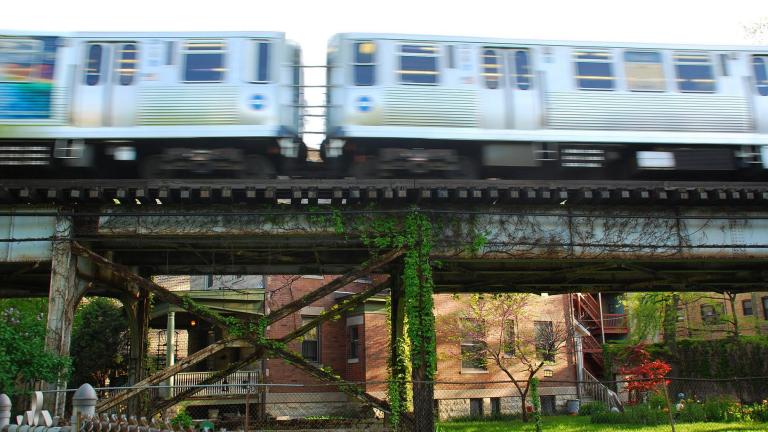
Two proposals to spend $9.1 million to repair the CTA’s Lake Street bridge and the Dearborn Street subway stalled Tuesday amid objections from aldermen about efforts to hire firms owned by female, Black and Latino Chicagoans.
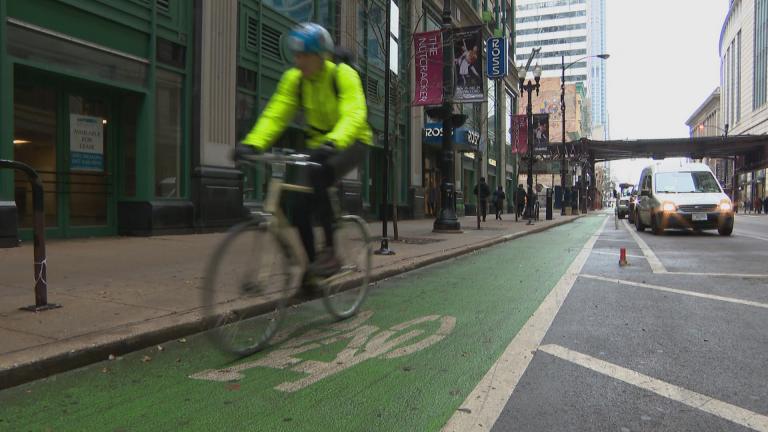
Electric cargo bicycles are set to start zipping around Chicago after aldermen advanced a measure on Thursday that would give the three-wheelers the green light.
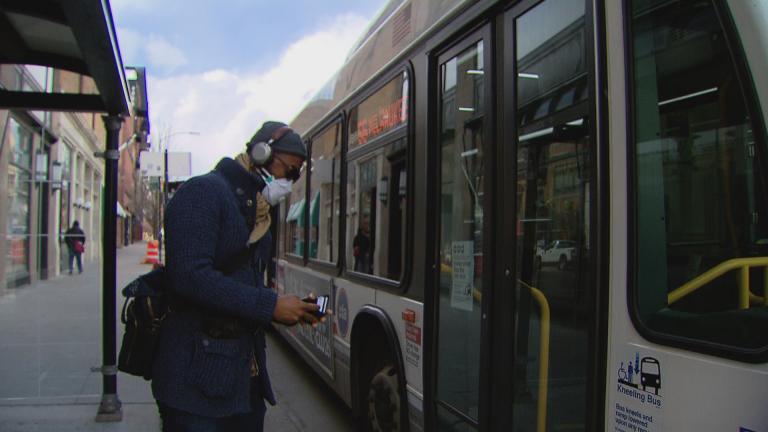
Despite concerns over using public transportation during the coronavirus pandemic, many essential workers and residents without cars have been relying on the Chicago Transit Authority to get around.
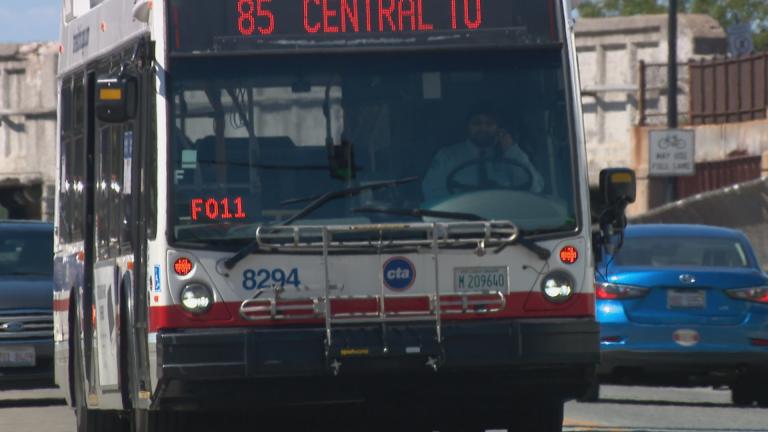
Previous plans have largely targeted Chicago’s North and Northwest sides. However, officials say this plan will focus on bringing equitable transit-oriented developments to the South and West sides.
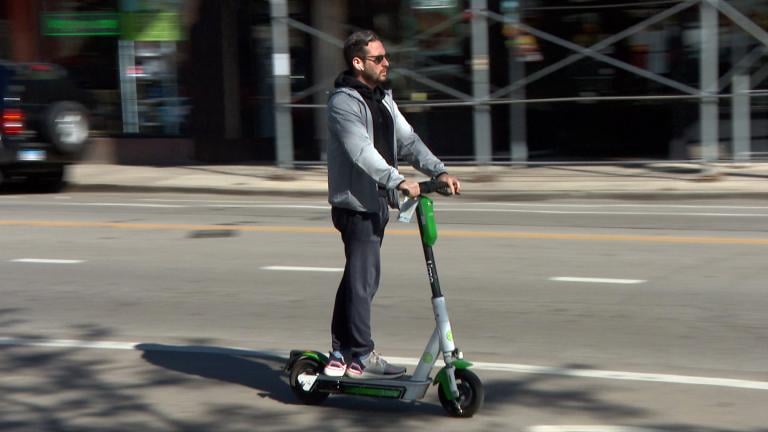
While initial demand is lower than last year’s pilot program, city officials say they are encouraged by data and anecdotal accounts that the lock-to-cable requirement has reduced the number of instances of scooters blocking sidewalks.
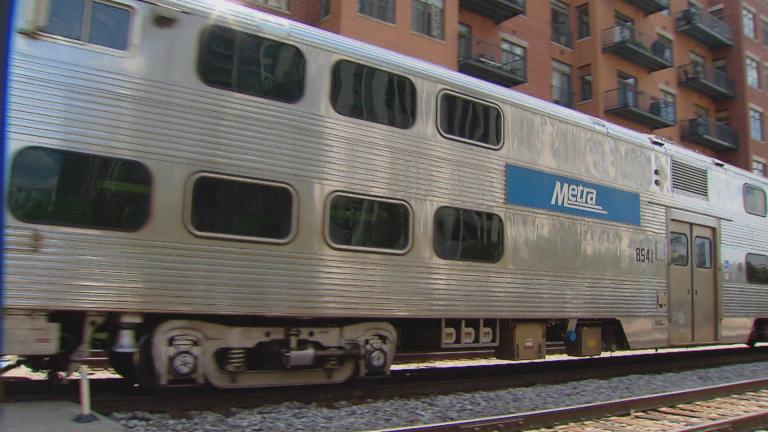
Commuter rail agency Metra has seen the largest passenger decline of any of the Chicago-area transit systems. How the agency is working to reverse the slump.
A new rail ridership information dashboard, unveiled Thursday, provides data on the average number of seats taken per rail car at each stop along a given line, by time of day and day of the week.
Even before the pandemic, Illinois Secretary of State offices in Chicago saw long lines as people sought Real IDs ahead of a fall deadline. That deadline and others have been pushed back. Here’s what you need to know.
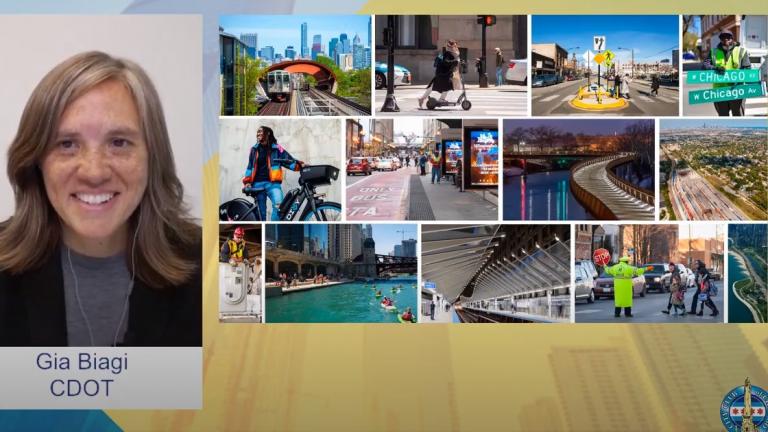
Chicago’s streets can have an impact on much more than the way we get from one place to another. That was the message from Chicago Department of Transportation Commissioner Gia Biagi in a speech to the City Club on Wednesday.
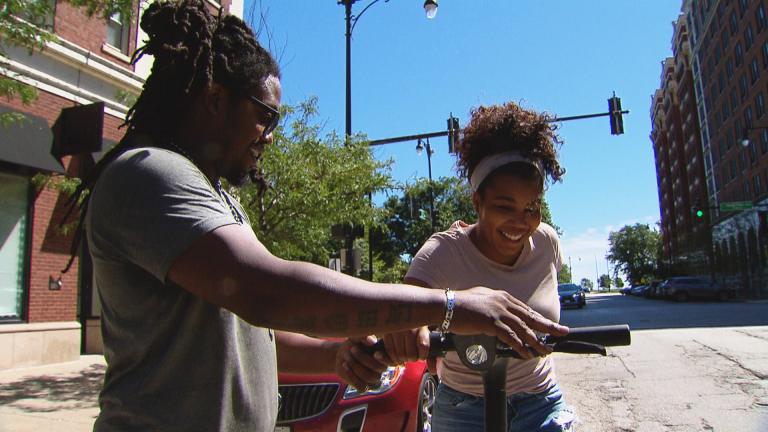
Love ‘em or hate ‘em, electric scooters are back on Chicago streets. What you need to know about this year’s program.
Trending
2026 Chicago Festival Guide

CPD Sergeant Who Led Botched Raid at Home of Anjanette Young Now Working as a Suburban Police Detective

Woman Charged With Fatally Stabbing 7-Year-Old Girl Walking in Chicago Saturday
Key City Panel Unanimously Agrees to Pay $260.8M to Resolve 16 Lawsuits Tied to Disgraced Ex-CPD Detective Reynaldo Guevara

City Colleges Staff Announce Oct. 19 Strike Date as Contract Negotiations Continue

Sign up for the WTTW News newsletter