

Transportation
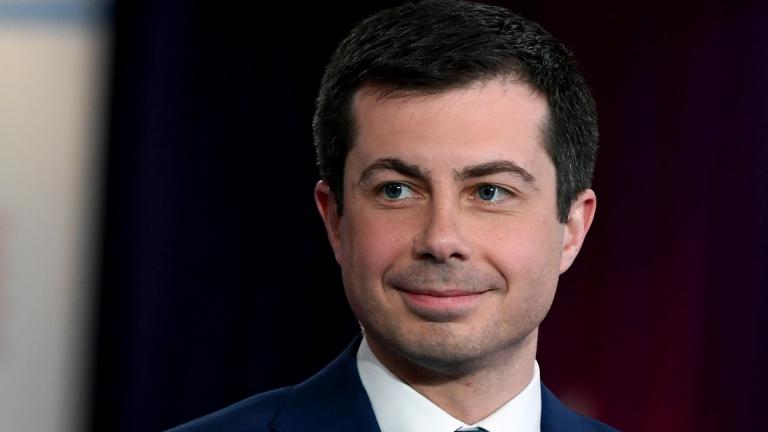
The possible nomination would vault the 2020 Democratic presidential candidate into the federal government, getting the former South Bend, Indiana, mayor what many Democrats see as needed experience should he want to run for president again.
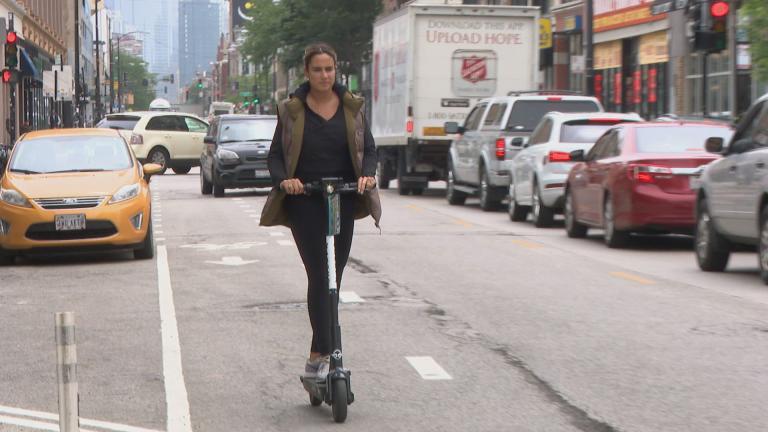
New data shows Chicagoans took approximately 640,000 rides on electric scooters during a four-month second trial run. That represents a significant decline from the initial test of the scooters in Chicago between June and July 2019.
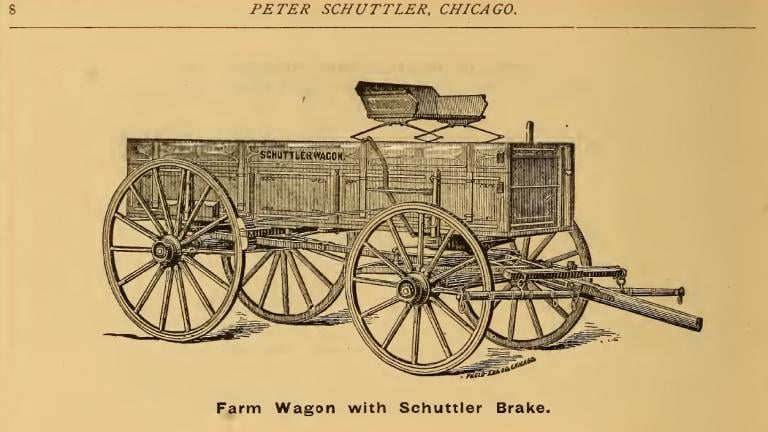

Geoffrey Baer has the story of a famous wagon supply company once based in Chicago.
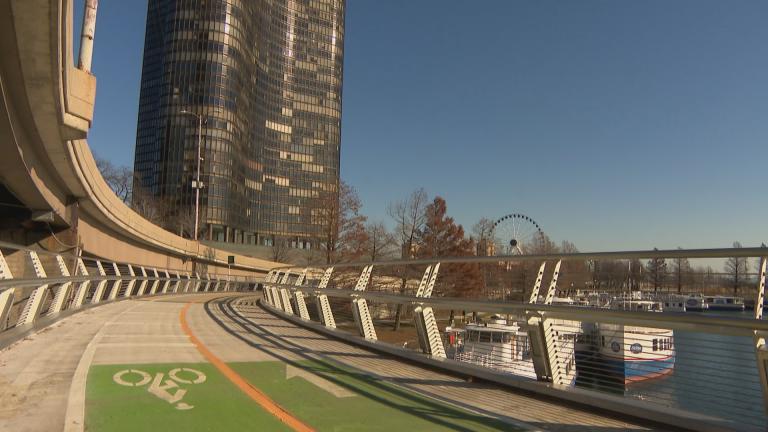
Chicago’s lakefront trail has been battered by winter storms this year and closed down by the mayor. But there is some good news on horizon: the long-awaited Navy Pier flyover appears to be close to completion.
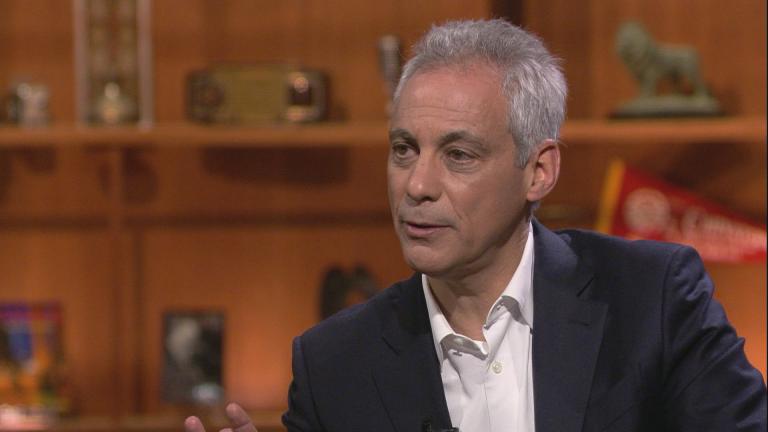
Former Chicago Mayor Rahm Emanuel, among multiple candidates in the running for the Cabinet position, appeared to slip down the list in the last two weeks after progressive leaders criticized the prospect of nominating him for the post.
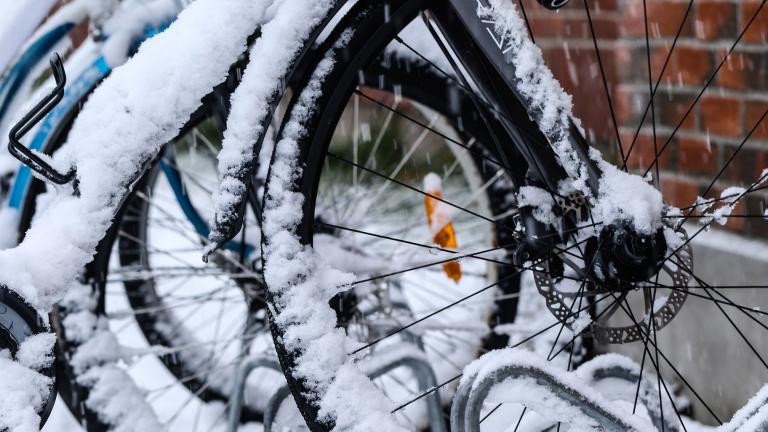
Riding a bicycle through a Chicago winter may sound daunting, but with a bit of preparation and the right attitude, it’s a manageable feat. Here’s some advice from avid cyclists for your winter riding safety — and pleasure.
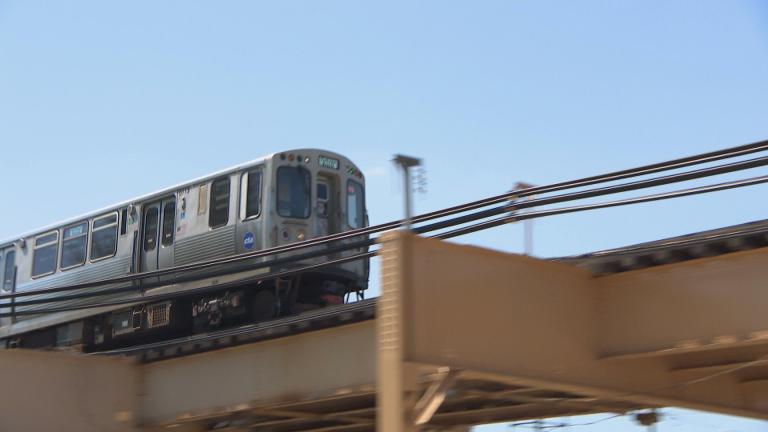
The Chicago Transit Authority hopes to learn in the coming weeks whether it’s received federal approval to move into the next phase of its massive Red Line Extension project, which would extend the city’s busiest train line to Chicago’s southern border.
Chicago’s 55th mayor is hoping his passion for transportation and his legacy in the city is enough to secure him a spot in President-elect Joe Biden’s Cabinet as transportation secretary. An analysis of that legacy reveals a mixed record.
10 things to know about driving during the pandemic
Illinois driver’s license facilities have been closed since mid-November, and they’ll remain that way through the beginning of 2021. Here’s what you need to know if you’re driving on an expired license. (Hint: It may not be expired after all.)
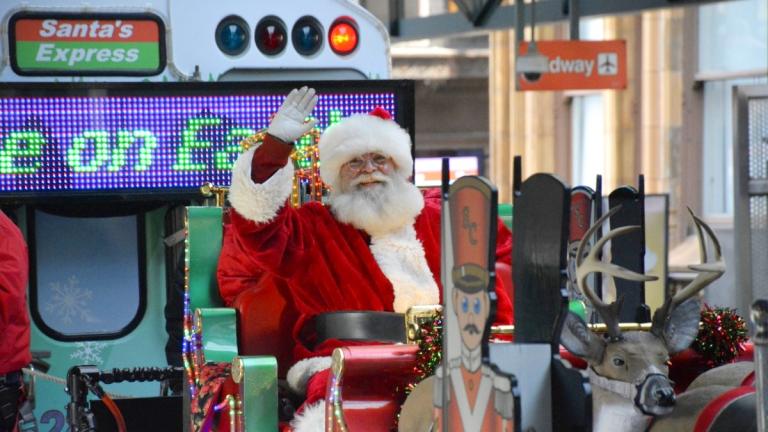
The Holiday Train’s appearances are more spontaneous than in recent years, with no tracker available. That’s left some folks feeling cranky.
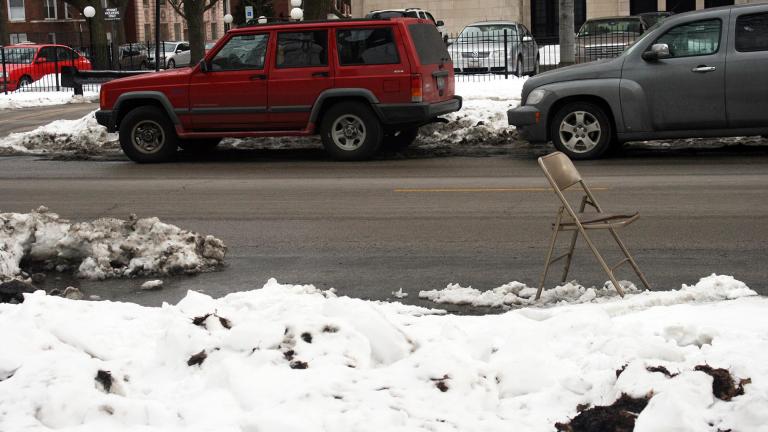
The mayor was asked about her stance on the practice of claiming a shoveled-out parking space. And her answer managed to thread a political needle.
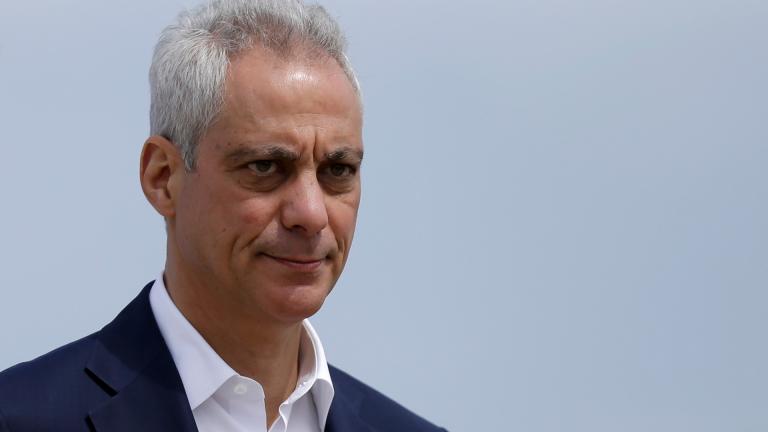
President-elect Joe Biden is considering former Chicago Mayor Rahm Emanuel, a substantial and somewhat divisive figure in Democratic Party politics, to serve as his transportation secretary.
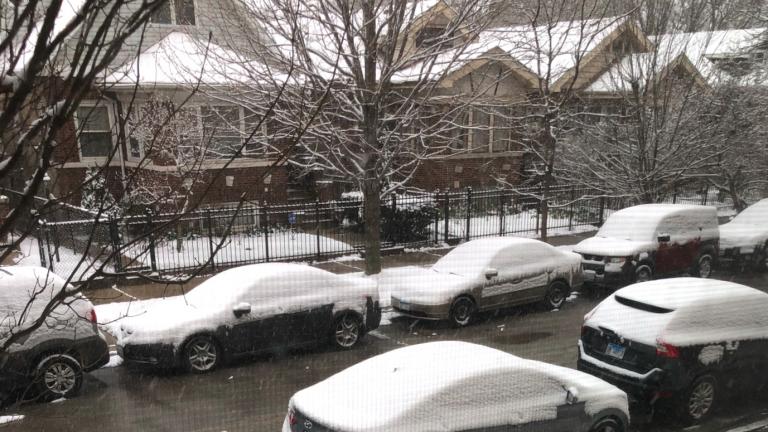
Every year, the start of the snow route ban catches hundreds of drivers unaware, forcing them to travel to the city’s auto pound — and pay at least $235 — to retrieve their cars, officials said.
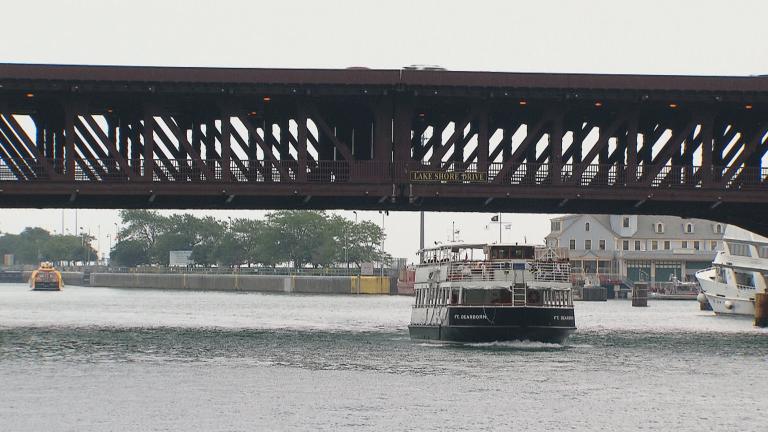
A newly released five-year plan to invest in Chicago’s roads, bridges, bikeways and other infrastructure needs is a welcome shift away from short-term, less comprehensive projects, some analysts and city officials say.
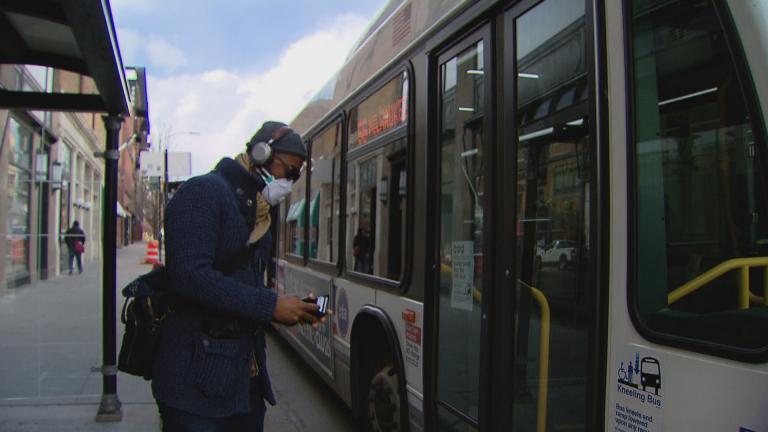
The Chicago Transit Authority’s Board of Directors approved the agency’s 2021 operating budget of $1.645 billion on Wednesday, but CTA staff warned of drastic service cuts without another infusion of cash from Congress.
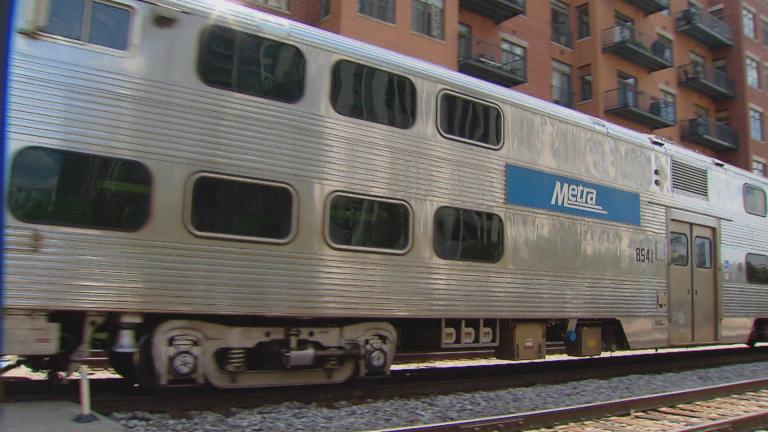
On the campaign trail, Joe Biden said he’d expand federal investment in America’s infrastructure and transportation systems, at a time when they desperately need it. But will Biden’s rhetoric turn into concrete action?
Trending
2026 Chicago Festival Guide

CPD Sergeant Who Led Botched Raid at Home of Anjanette Young Now Working as a Suburban Police Detective

Woman Charged With Fatally Stabbing 7-Year-Old Girl Walking in Chicago Saturday

Chicago on Pace for Fewer Homicides Than Last Year’s Historic Low: Police

Key City Panel Unanimously Agrees to Pay $260.8M to Resolve 16 Lawsuits Tied to Disgraced Ex-CPD Detective Reynaldo Guevara

Sign up for the WTTW News newsletter