

Climate Change
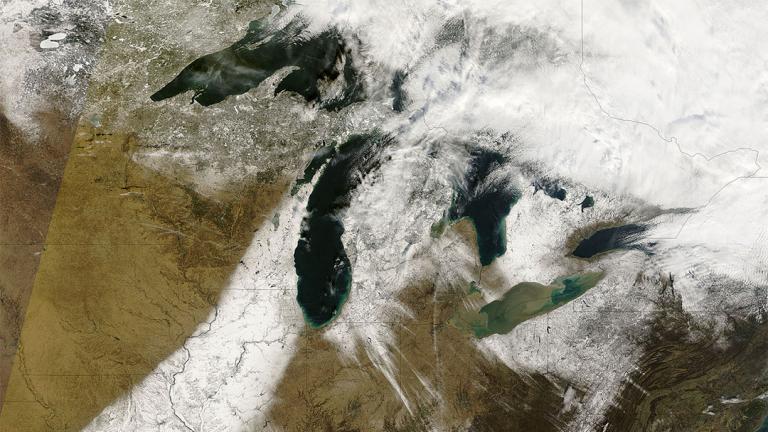
Lake Michigan is getting warmer, and eventually it will mean winters with less snow in Chicago. But don’t plan yet for winters free of the white stuff.
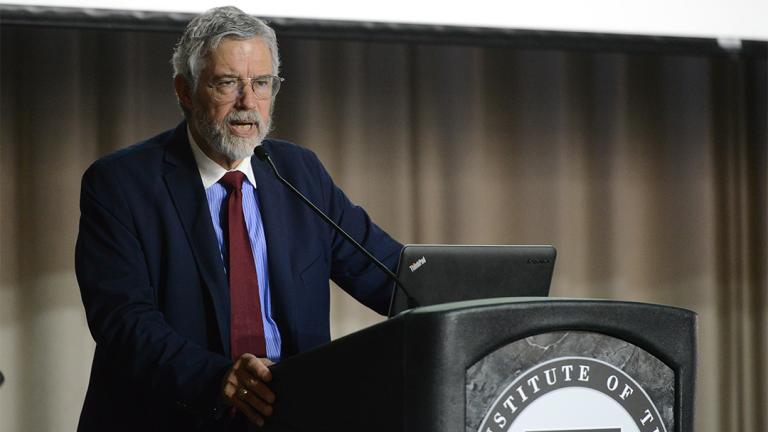
Scientists should respond to a “political climate of opposition to facts” by speaking out about their work, said John P. Holdren during a recent lecture on climate change at the Illinois Institute of Technology.
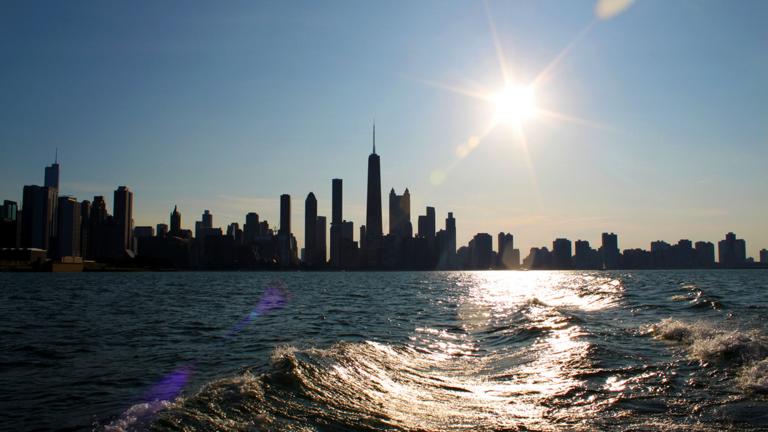

A new poll on climate and energy reveals surprising attitudes from Americans. We talk with the leader of the University of Chicago study group.
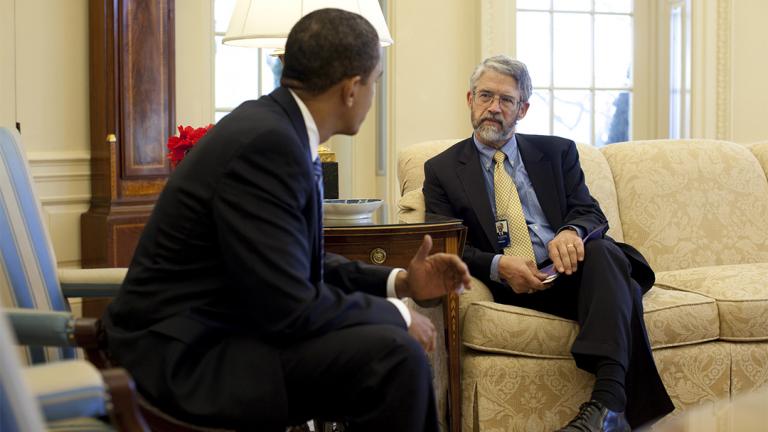
President Barack Obama’s science and technology adviser will deliver a lecture on climate change this week in Chicago. John P. Holdren was the longest-serving science adviser in the history of the position.
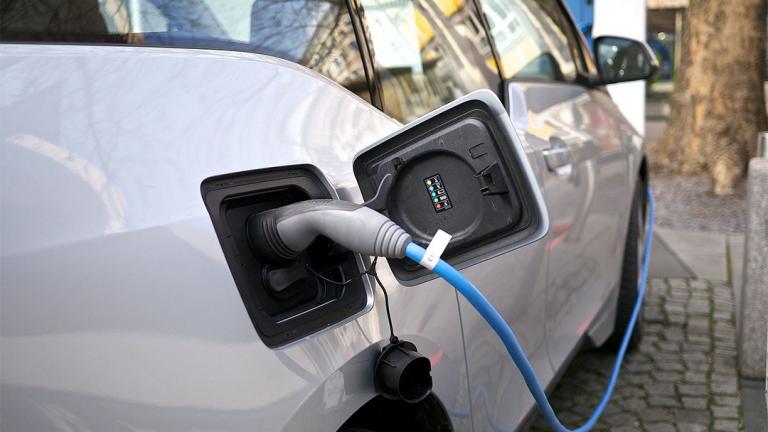
Scientists around the world are working to develop the next generation of batteries. We speak with one who is leading the charge at Argonne National Laboratory.
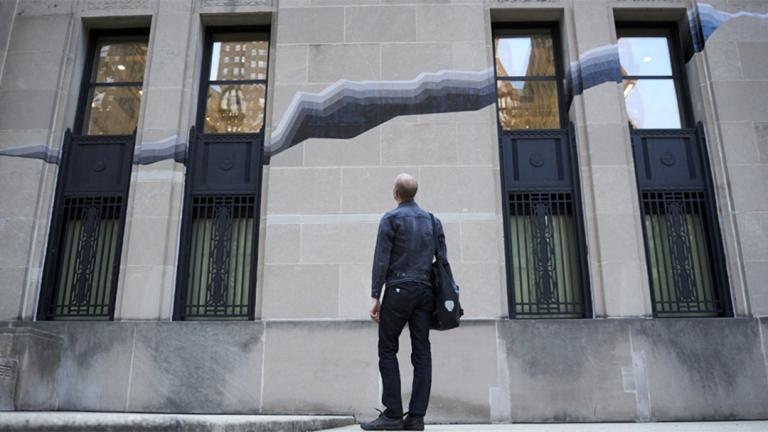
A public art installation along the Chicago River aims to bring the realities of climate change in Antarctica to Chicago.
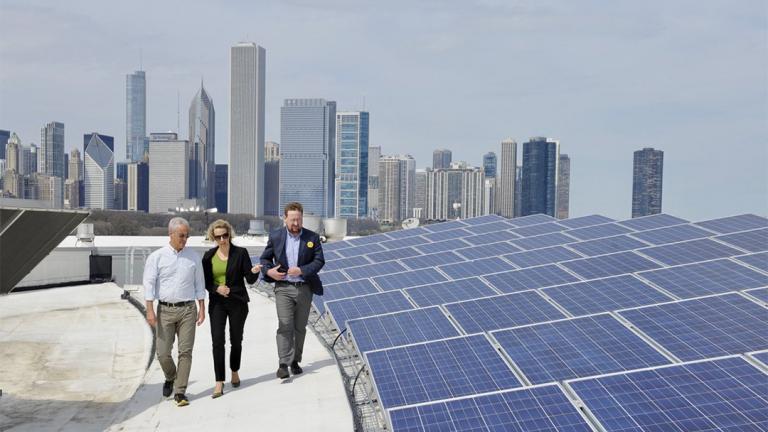
A new analysis of citywide carbon emissions data shows that Chicago is 40 percent of the way to meeting emission reduction targets set under the Paris climate deal.
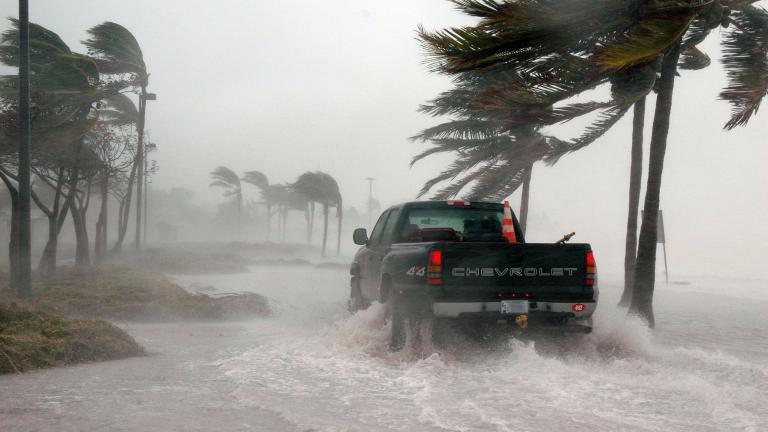
What part – if any – does global warming play in the intensity of hurricanes? And what infrastructure failures contribute to the utter loss and destruction during extreme weather?
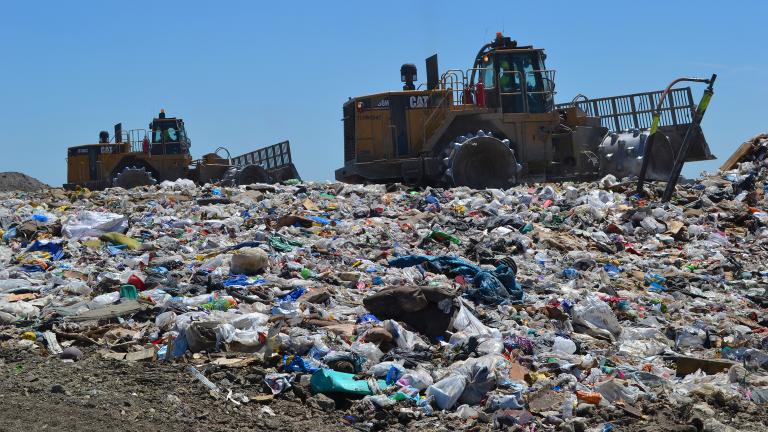
Instead of dumping it in landfills, organic waste could be used to power cars, heat homes and potentially reduce the need for new landfills in the U.S., according to research by Argonne National Laboratory.
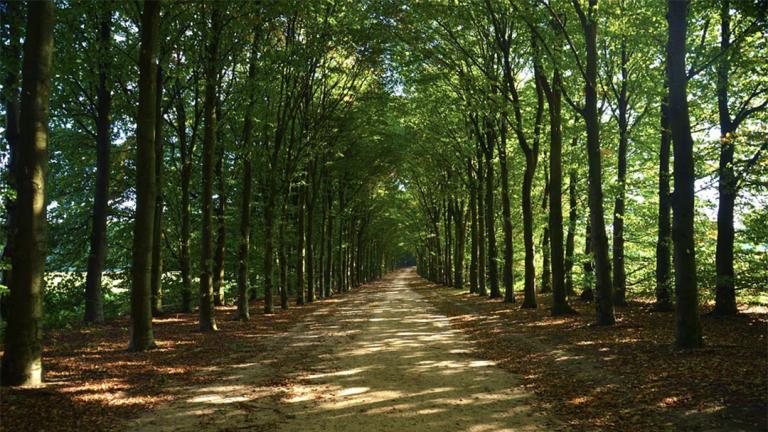
A first-of-its-kind study shows that giving people a financial incentive to save trees is an effective strategy for fighting climate change.
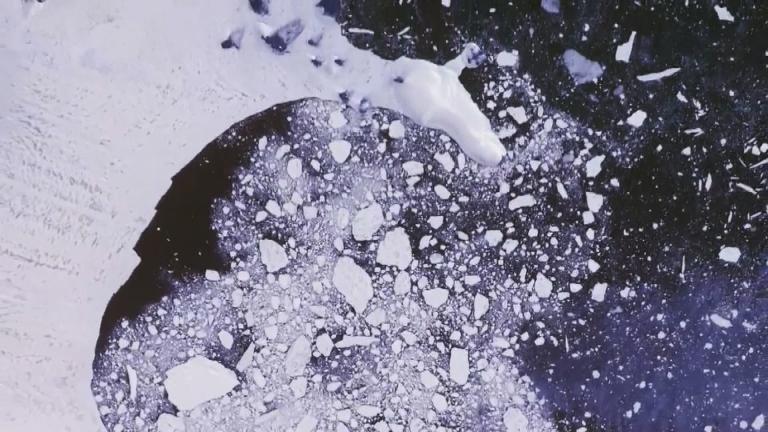
The trillion-ton iceberg is now drifting. While experts say it poses no immediate threat, is the event itself the precursor of more change to come as the global environment warms?
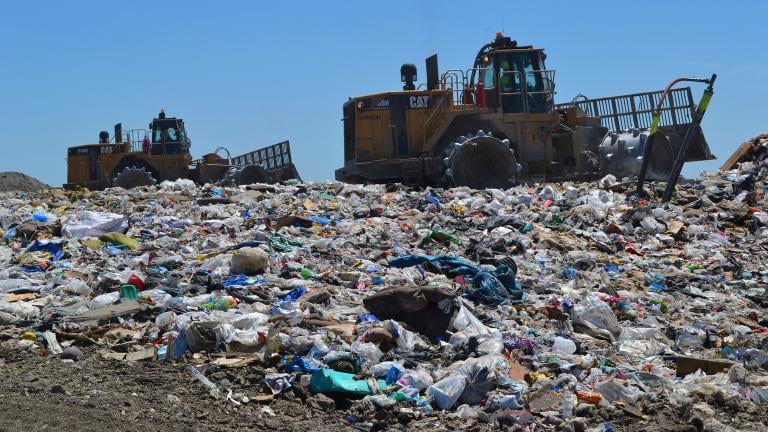
About 5,000 tons of trash from the Chicago area is dumped every day at a landfill in Livingston County, but hardly any of it goes to waste. How yesterday’s trash becomes tomorrow’s energy.
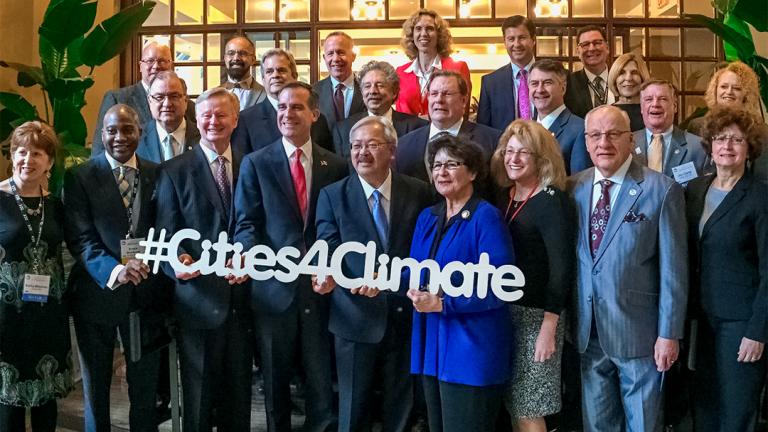
Chicago, Pittsburgh and dozens of other U.S. cities are standing by Paris despite President Donald Trump’s announcement last week that he will withdraw the U.S. from the landmark climate change agreement.
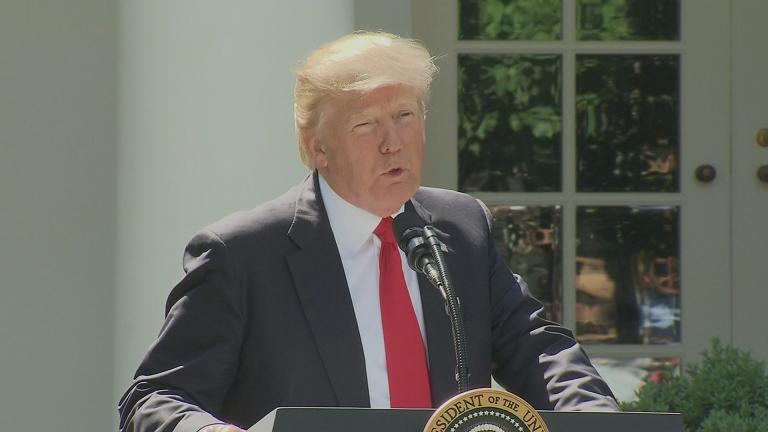
Chicago elected officials and environmental leaders react to President Trump's decision to withdraw the U.S. from the Paris climate accord.
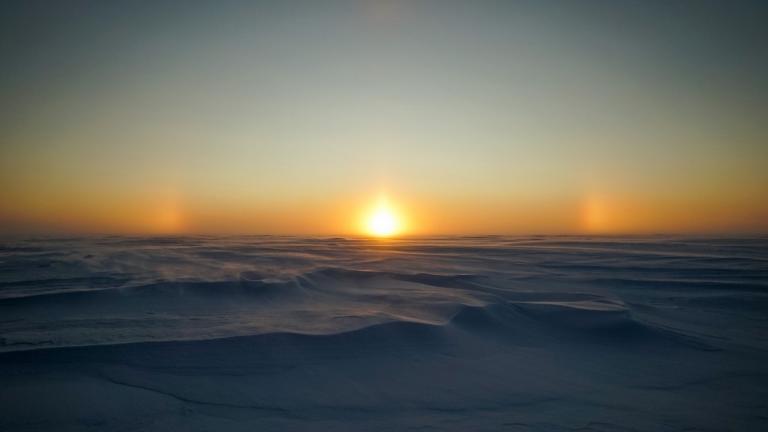
New research from climate scientists suggests that the West Antarctic Ice Sheet could melt far more quickly than was previously thought.
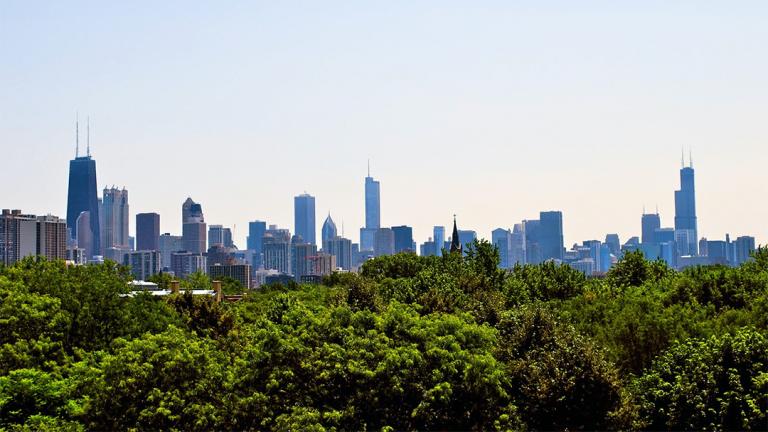
A first-of-its-kind study shows that forests in Chicago face significant threats from climate change, with native trees especially vulnerable to increases in temperature, precipitation and other changes.
Trending
A CTA Bus Driver Was Attacked on the Job. She Was Later Fired While on Leave

Cost to Resolve Lawsuits Tied to Disgraced Ex-CPD Detective Reynaldo Guevara Tops $473M, With 25 Lawsuits Pending
Pritzker, Bailey Square Off in Contentious Discussion Over Taxes, Trump and Bears

Top Cop Agrees to Fire Chicago Police Officer Who Repeatedly Used Racial Slurs: Records

After City Council Refused to Settle, Jury Rejects Lawsuit Filed by Family of Woman Killed by Driver Chased by CPD
Sign up for the WTTW News newsletter