

Chicago Police Department
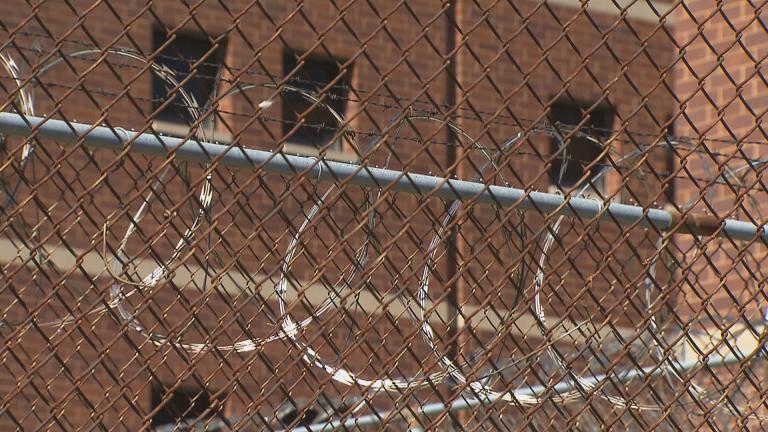
The U.S. Department of Homeland Security and the Chicago Police Department relied on “extensive” undercover and covert surveillance operations during the multiyear probe targeting those distributing or attempting to distribute heroin and cocaine across Chicago, authorities said Thursday.
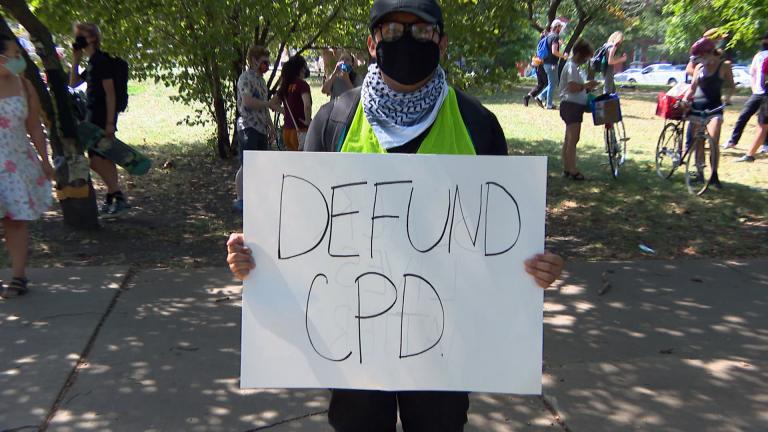

Chicago has been grappling with issues surrounding policing long before the murder of George Floyd. But as it did across the country, Floyd’s killing led to outrage and calls for change, including campaigns to defund the police.
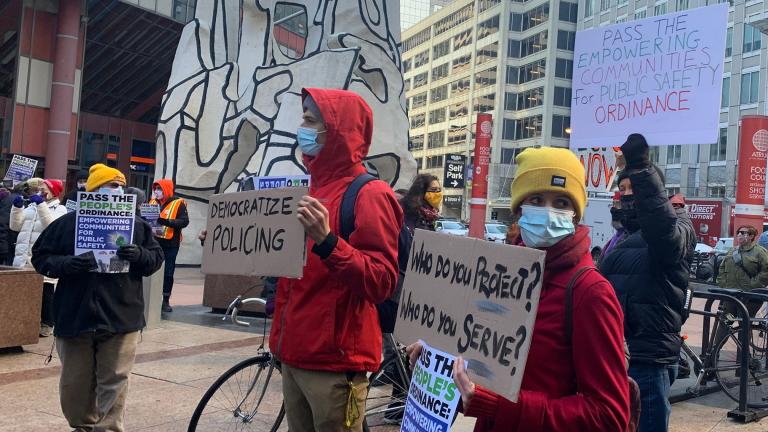
Police reform advocates and progressive aldermen blasted Mayor Lori Lightfoot’s plan to create a seven-member civilian board to oversee the Chicago Police Department, saying Tuesday that it would not help restore trust in the beleaguered department.
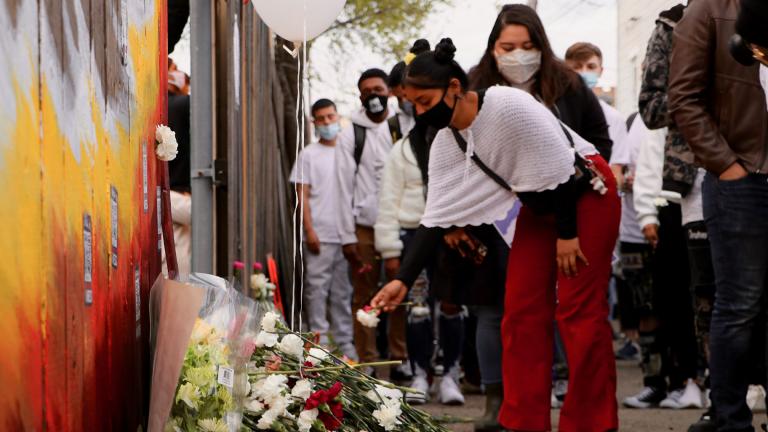
Fatal shootings, botched raids and police tactics at protests have all been the subject of criticism, calls for reform and even defunding. But many in law enforcement say they are given too few resources and too many restrictions to do what they believe is a difficult and dangerous job.
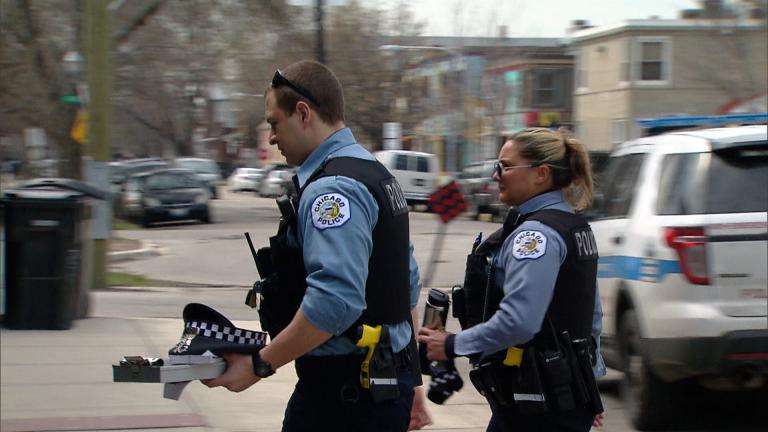
Mental health professionals say officer wellness has declined over the past year amid the pandemic, civil unrest and a growing distrust of the police — a job some former officers say is one of today’s most stressful.
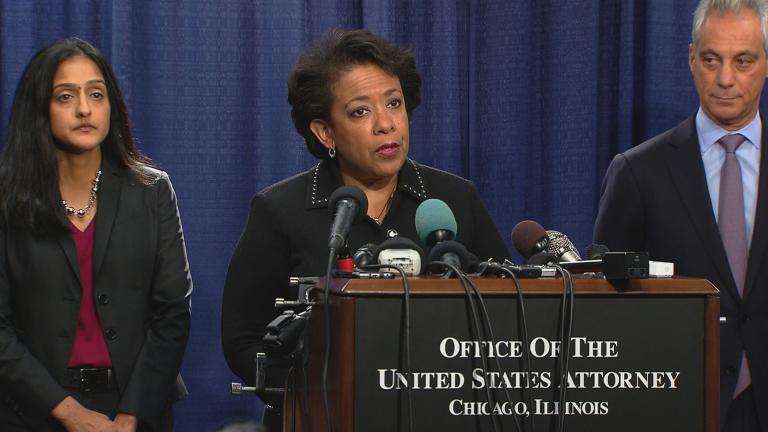
The Chicago Police Department has been operating under a consent decree since 2019. The order, which was prompted by the 2014 police murder of Laquan McDonald, is the first consent decree the department has faced. But it’s not the first attempt at police reform in Chicago.
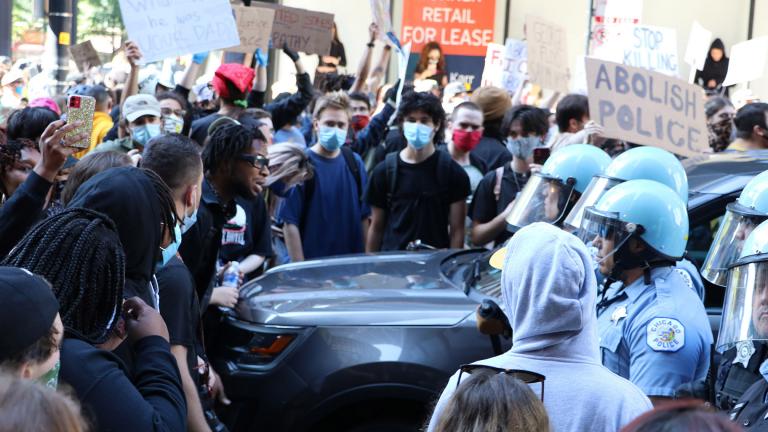
Community activists and lawyers engaged in efforts to reform the Chicago Police Department have blasted Mayor Lori Lightfoot and CPD leadership for failing to move quickly on implementation of a court-mandated consent decree that is supposed to ensure change.
Both lawsuits claim police officers improperly arrested men for crimes they did not commit. The settlements are set for a final vote Wednesday by the full City Council.
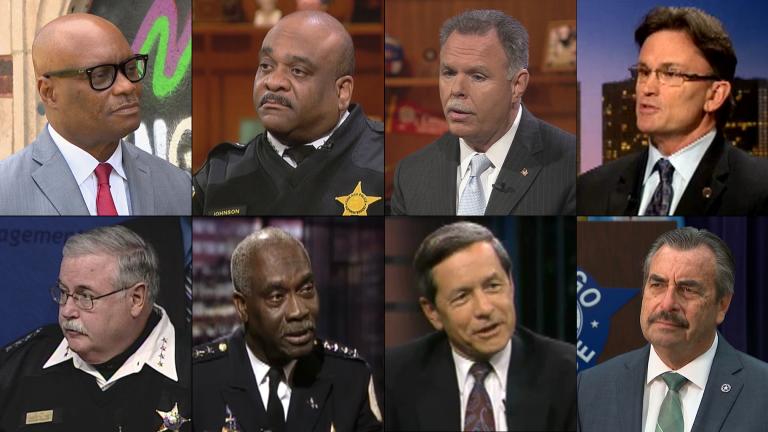
Chicago has seen more police chiefs than mayors in its nearly 200-year history. Occupants of the powerful, high-profile position walk a political tightrope, and have suffered some epic falls. Here’s a look at the legacy of the city’s most recent superintendents.
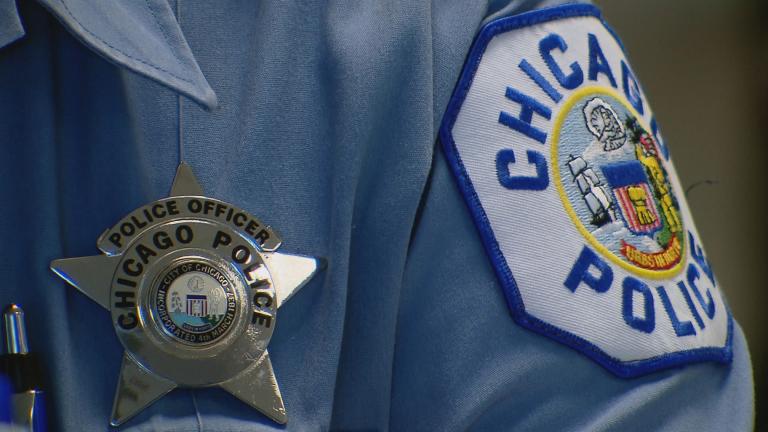
Mayor Lori Lightfoot’s proposal would keep the power to run the embattled police department concentrated in the mayor’s office even after decades of scandals, misconduct and brutality.
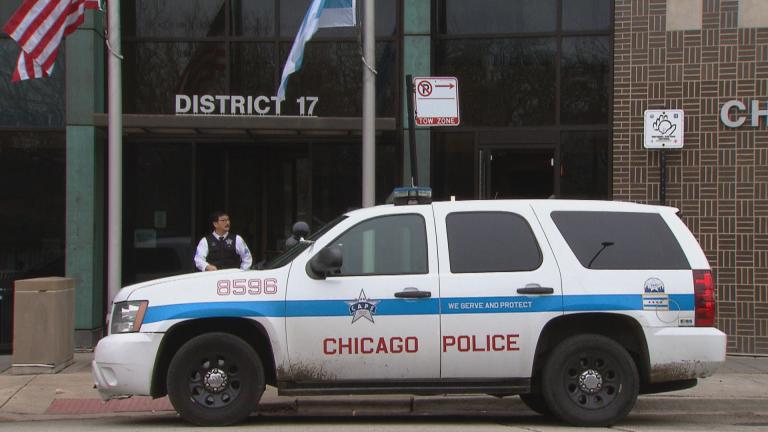
A joint session of the City Council’s Public Safety and Finance committees declined to advance the measure backed by Mayor Lori Lightfoot and blasted by Inspector General Joseph Ferguson and other transparency advocates as nothing more than “smoke and mirrors.”
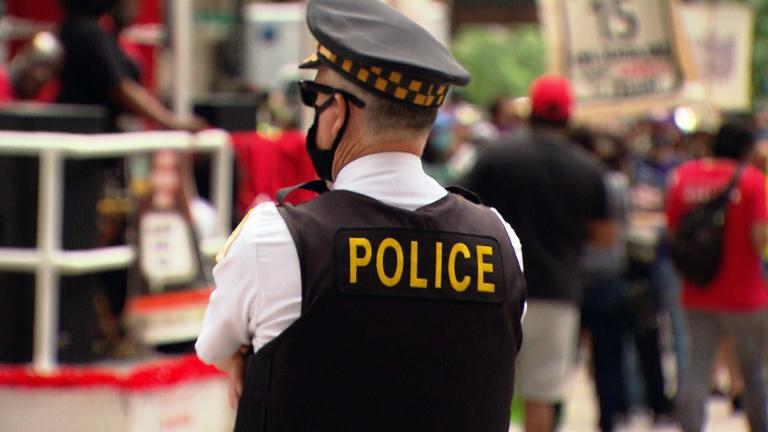
Following one of Chicago’s deadliest weekends of 2021, and with the anniversary of George Floyd’s murder and Memorial Day ahead, police Superintendent David Brown says he plans to continue limiting time off for officers this week.
It’s crunch time for Mayor Lori Lightfoot, who first promised to introduce her own plan for an elected board to oversee the police department eight months ago.
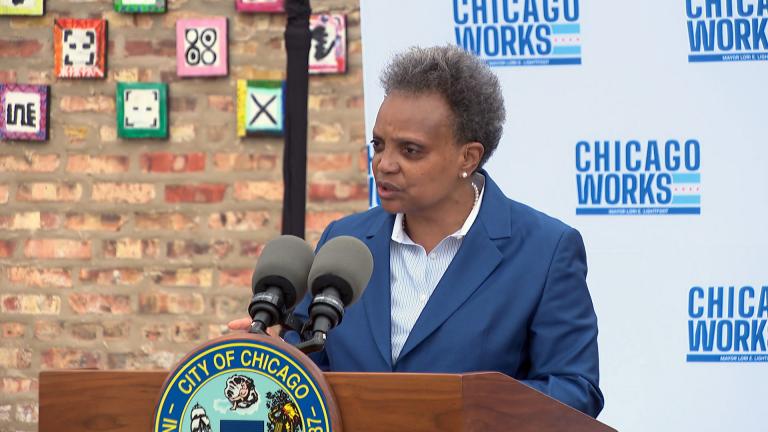
Mayor Lori Lightfoot on Thursday renewed her campaign promise to breathe new life into neighborhoods that have faced decades of disinvestment. And she acknowledged that she felt “despair” at times during the past two years while she confronted the COVID-19 pandemic, civil unrest and an economic meltdown.
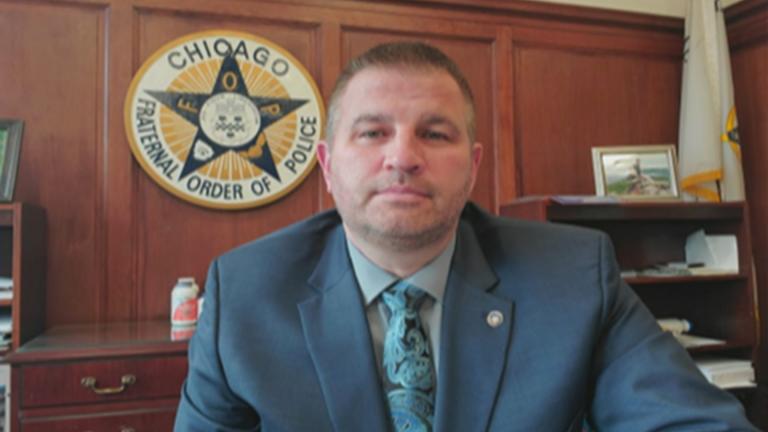
In a video message, Fraternal Order of Police Lodge 7 President John Catanzara announced that his union membership spoke “loud in clear” during a general meeting Wednesday in issuing the vote against city leaders.
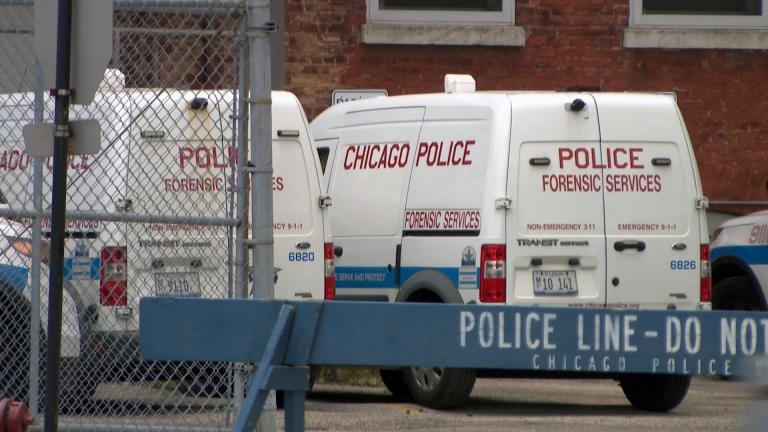
Independent journalist Jamie Kalven called the revised plan for the database “nothing more an exercise in smoke and mirrors.” The city's watchdog hammered the plan as “significantly smaller step, in scope and scale” than the one presented to aldermen in April.
Trending
2026 Chicago Summer Festival Guide

Who Is Running, or Thinking About Running, to Become Chicago’s Next Mayor

Suspend CPD Officer, Sergeant Repeatedly Accused of Making Improper Traffic Stops for a Combined 149 Days: Police Brass

Nearly 300K Experienced Power Outages After Storms Push Through Chicago Region
2 Custodians Dead After Shooting Inside CPS School
Sign up for the WTTW News newsletter