

Argonne National Laboratory
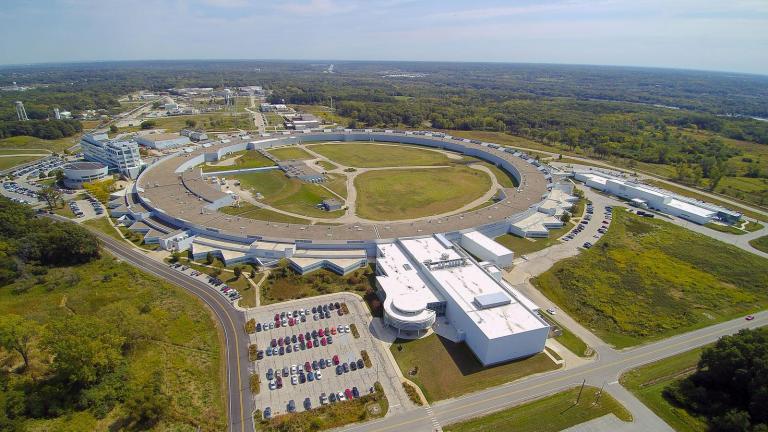

Scientists at Argonne National Laboratory have created the most detailed simulation that exists to model the spread of COVID-19 in Chicago — and what it shows is sobering.

Starting Friday, Illinoisans must wear face masks in public. Ready to make your own? Cotton and other common fabrics, like natural silk and chiffon, are best, a new study finds.
Scientists and engineers across the planet are desperately searching for ways to combat the new coronavirus. A significant part of that effort is taking place just west of Chicago.
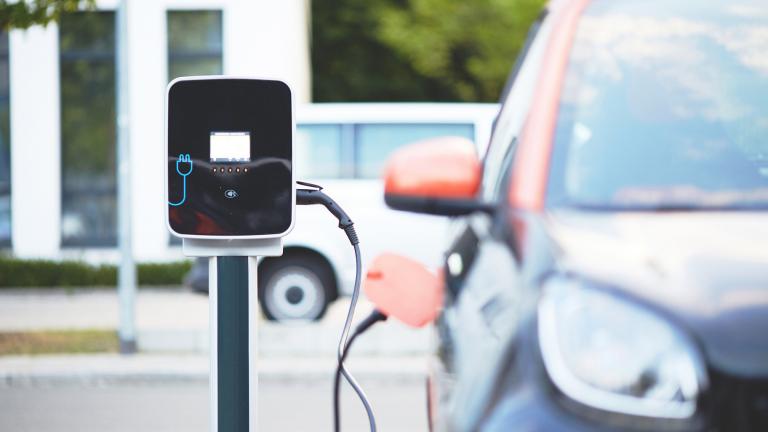
Could battery-powered electric vehicles soon cost the same as gasoline-powered cars? A senior scientist at Argonne National Laboratory explains what could be an energy revolution.
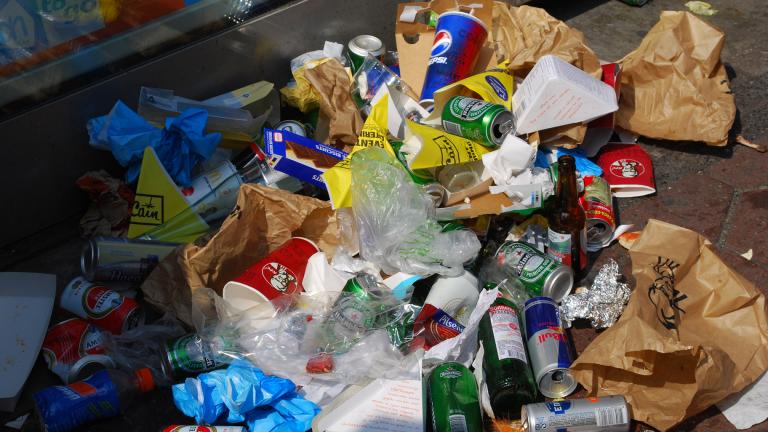
A team led by several Chicago-area researchers has developed a new method to “upcycle” single-use plastics into a number of commonly used products, such as motor oils, detergents and cosmetics.

Hurricane Dorian pounded away at the Bahamas for a day and a half, devastating thousands of homes, trapping people and crippling hospitals. Atmospheric scientist Scott Collis of Argonne National Laboratory weighs in.
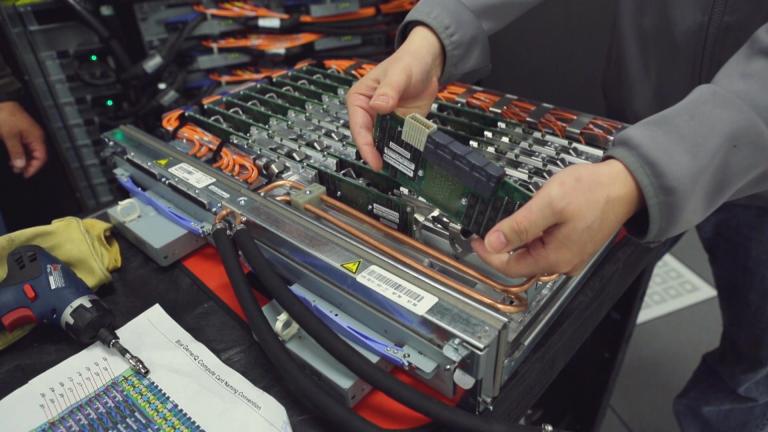
From brain mapping to climate modeling and beyond: the potential impact of a new supercomputer being developed in the Chicago area.
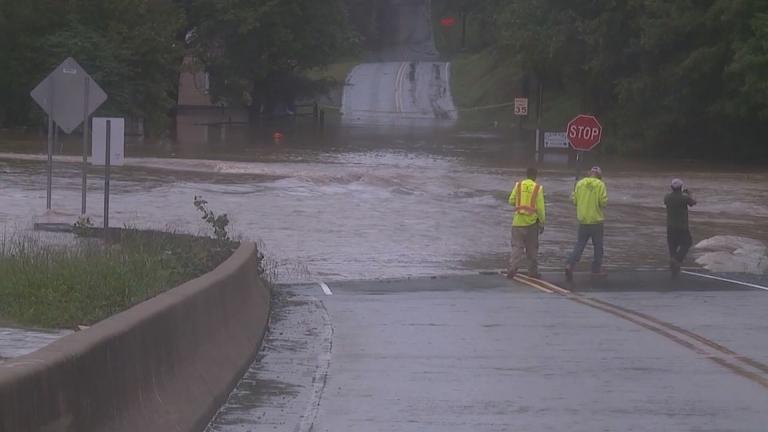
The important role computer models play in predicting the impact of hurricanes. We speak with David Brannegan of Argonne National Laboratory in Lemont, Illinois.
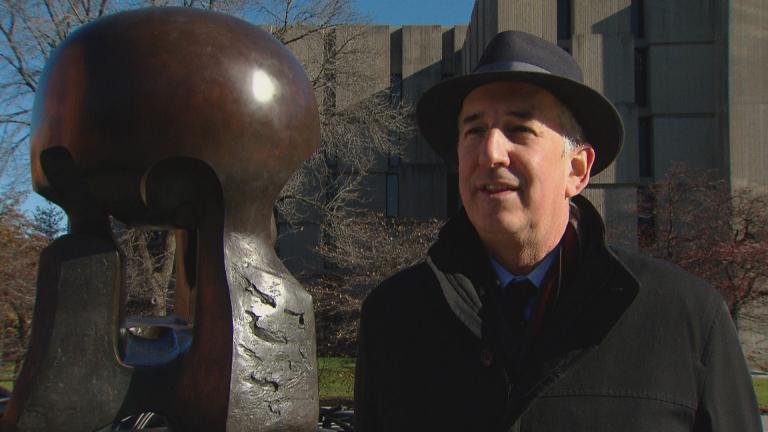
The nuclear age was triggered in Chicago 75 years ago this week. We remember that fateful day, the man behind it and the lingering implications.
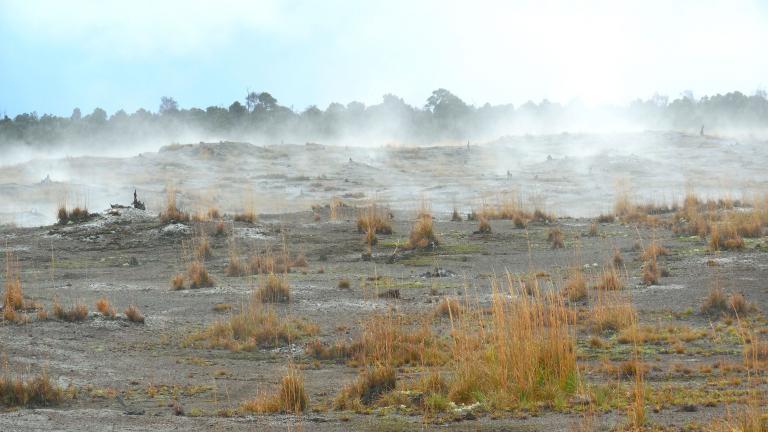
Scientists say there are more bacteria in the ocean than stars in the universe, yet little is known about them. A new study outlines the “crazy idea” that led to a project described by one scientist as the “Google database for microbes.”
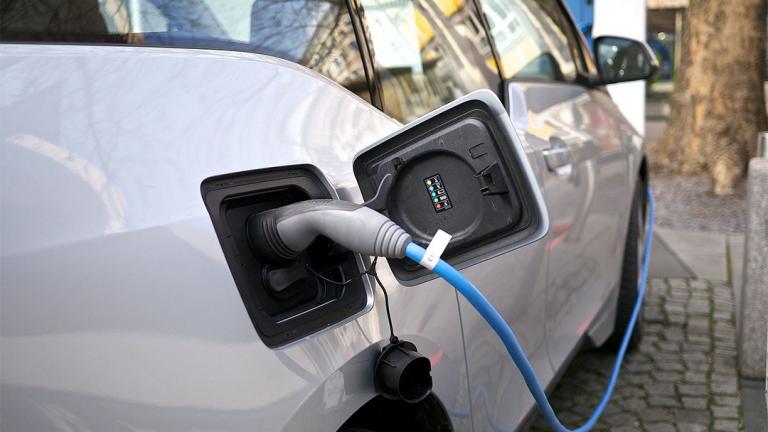
Scientists around the world are working to develop the next generation of batteries. We speak with one who is leading the charge at Argonne National Laboratory.
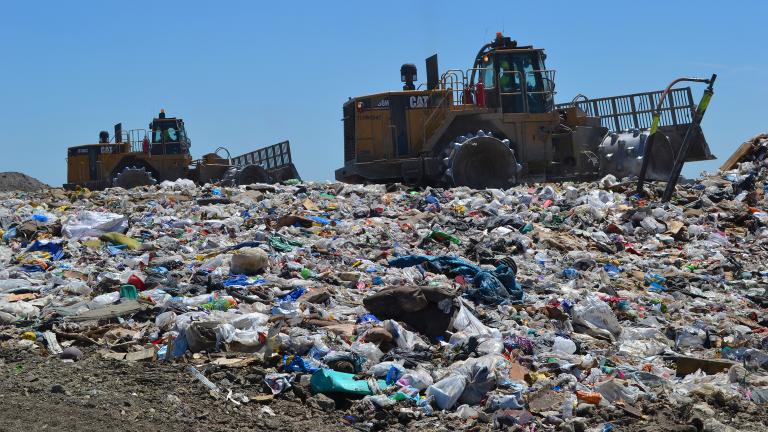
Instead of dumping it in landfills, organic waste could be used to power cars, heat homes and potentially reduce the need for new landfills in the U.S., according to research by Argonne National Laboratory.
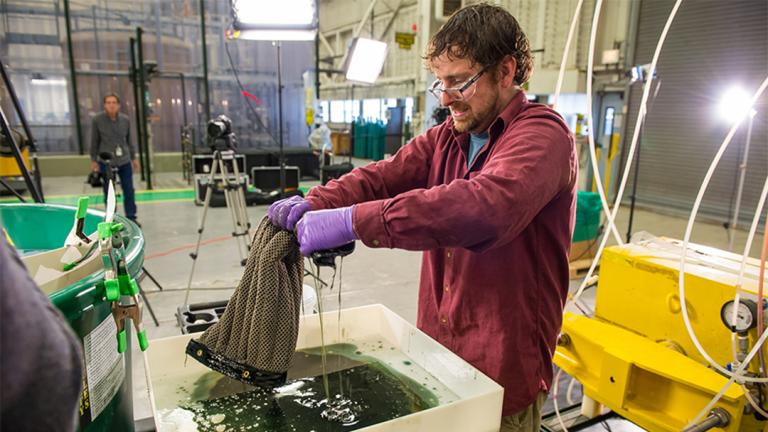
New technologies that could change the way we live and work will be on display this month during a reality TV-inspired competition sponsored by the U.S. Department of Energy.

Disaster scenarios near and far are daily considerations for a group of local scientists and engineers. We meet two members of the Global Security Sciences division at Argonne, nicknamed the Doomsday Squad.
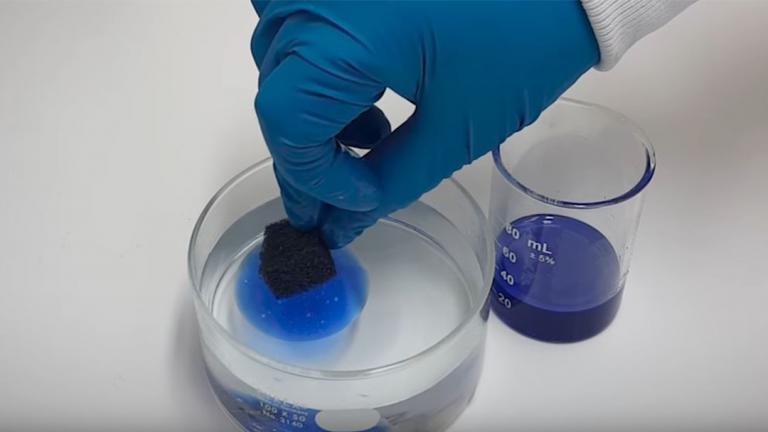
Scientists at Argonne National Laboratory have invented a new sponge that can absorb oil from water and then be wrung out and reused, a potentially game-changing tool for dealing with oil spills.
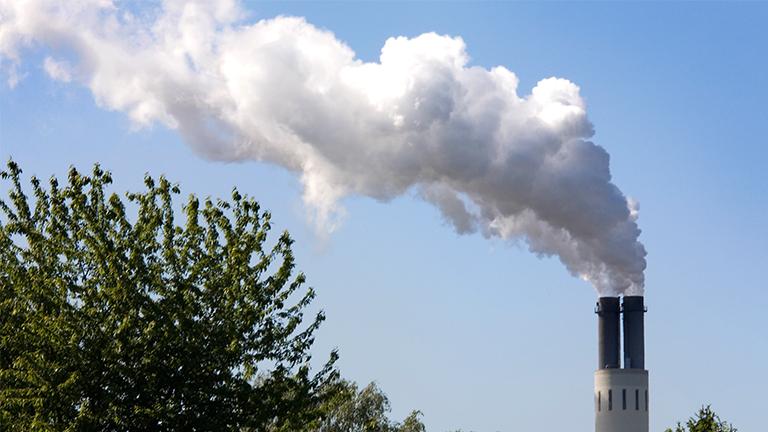
Using a process similar to photosynthesis, scientists from Argonne National Laboratory and the University of Illinois at Chicago have converted carbon dioxide into carbon monoxide and hydrogen gas, which can produce methanol and diesel fuels.
Trending
2026 Chicago Festival Guide

Interim NITA Director Earning $350K Salary While Also Collecting $213K Annual City Pension, Records Show

Firm Set to Buy Chicago’s Parking Meters Sells Airline That Carried Out Deportations

Early Voting for November General Election Kicks Off in Downtown Chicago

Chicago Woman Accused of Social Security Fraud After Hiding Mother’s Body in Freezer for 2 Years

Sign up for the WTTW News newsletter