

Argonne National Laboratory
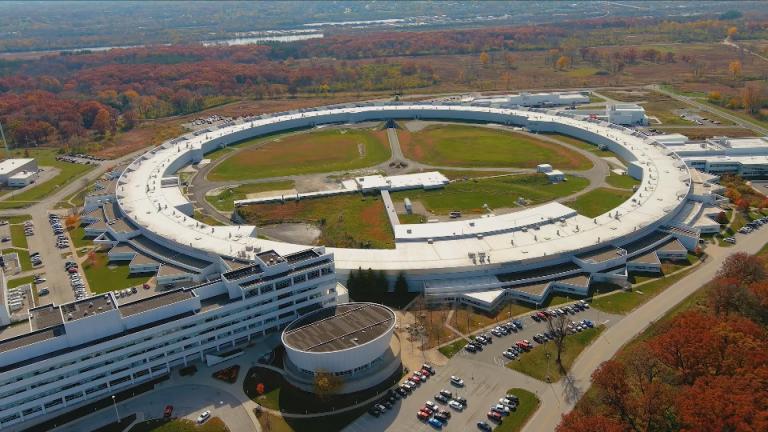
The annual Department of Energy evaluation shows Fermilab’s leadership and safety grades rose from C+ to B in 2025, yet finance‑system gaps and transformer shortages caused concern. Argonne posted strong marks and earned a $6 million fee despite lower publication output and an accelerator shutdown.
Each year, the Office of Science at the Department of Energy evaluates the performance of the organizations that run its national laboratories. Despite some grades improving in the past fiscal year for local labs, records show scores dropping in some key areas.
Employees at Fermilab in Batavia and Argonne in Lemont were recently offered voluntary separation packages. The move comes as the Department of Energy recommends funding for the local national labs be reduced by almost $240 million for the next fiscal year, and focuses on new research priorities.

Since 1995, Argonne National Laboratory, located just southwest of Chicago, has been at the forefront of atomic-scale research in the United States.
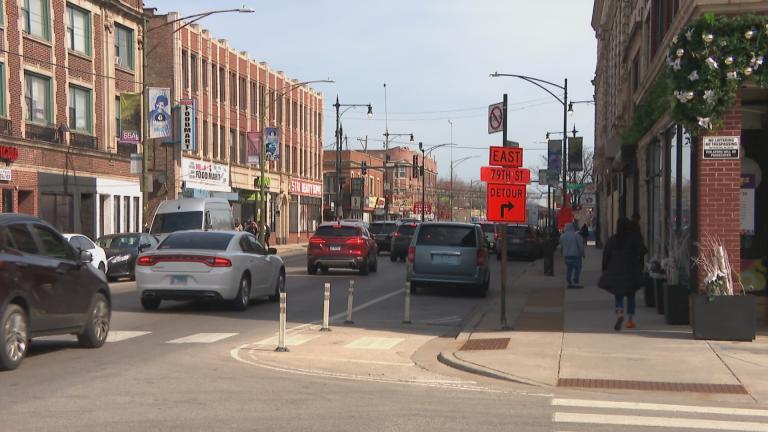
The South Side community experiences a large amount of flooding made greater than its counterparts on the North Side because of a lack of preventative infrastructure, which can cause significant damage to homes and businesses.
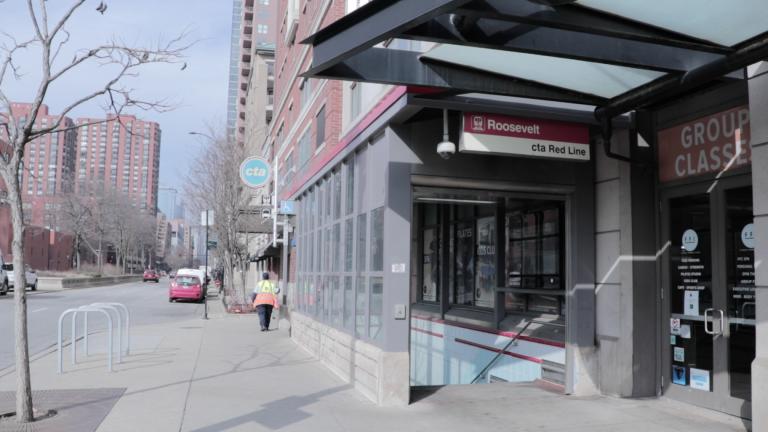
CTA President Dorval Carter said the agency will use the report as “a major foundational point for our overall advocacy of the transit system,” an effort to get Springfield lawmakers to address the fiscal cliff facing transit when billions in federal COVID-19 relief funding runs dry.
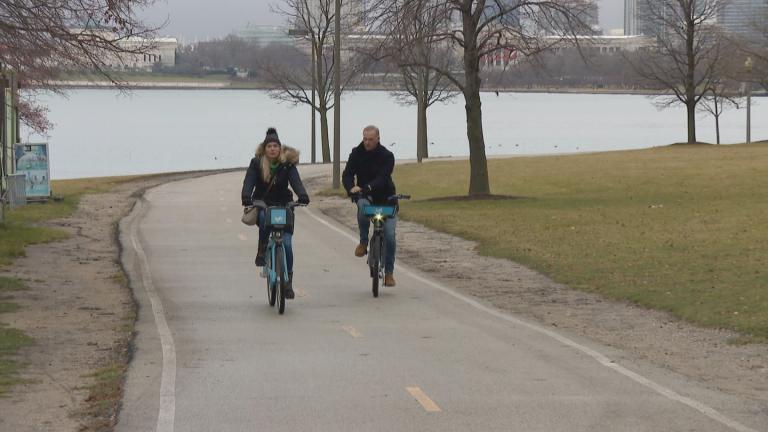
It’s winter in Chicago, but where’s the cold weather and snow? December’s temperatures are averaging about nine degrees higher than normal.
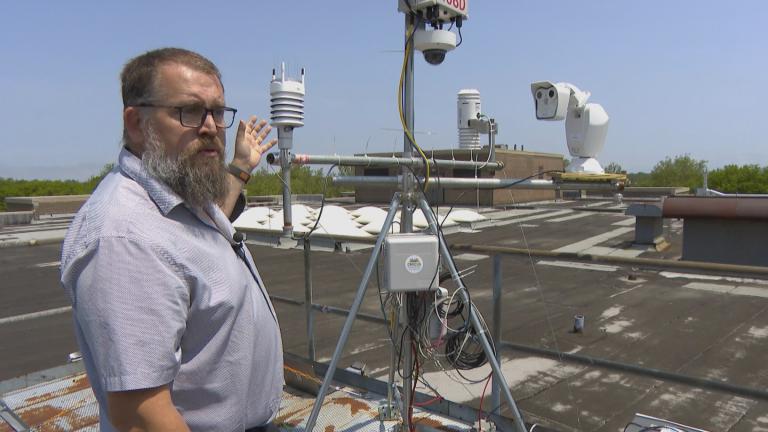
The impact of climate change is being felt across the planet in ways large and small. But it is increasingly clear that the impact of climate change is not felt equally.
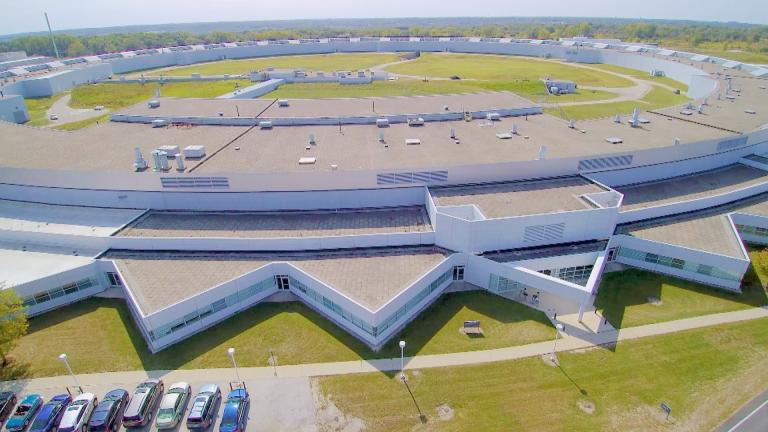
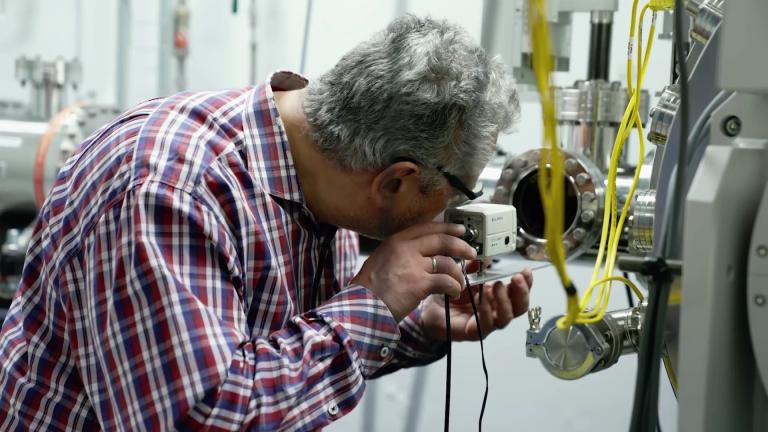
Argonne National Laboratory has been at the cutting edge of molecular scale research for almost three decades. At the heart of that research is the Advanced Photon Source, a huge particle accelerator.
The week started off with a tornado in the western suburbs. Then, the Chicagoland area was hit with an excessive heat warning. It ended up being our warmest stretch of days in 10 years.
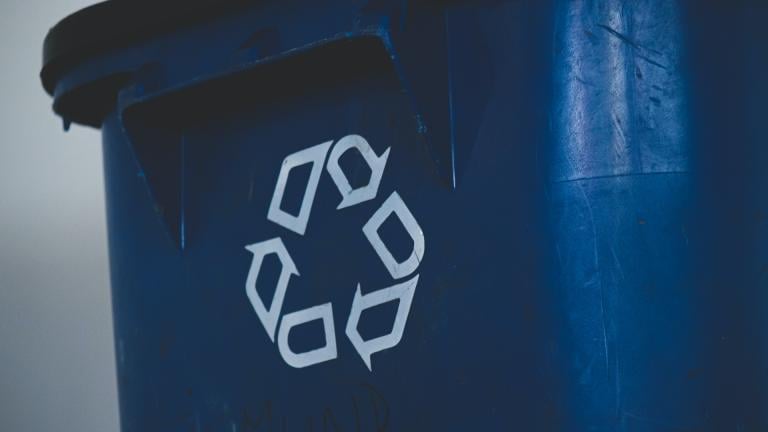
The plastics industry is expected to be putting more greenhouse gases into the atmosphere than coal by the end of this decade according to a recent report by Beyond Plastic, an environmental advocacy group.
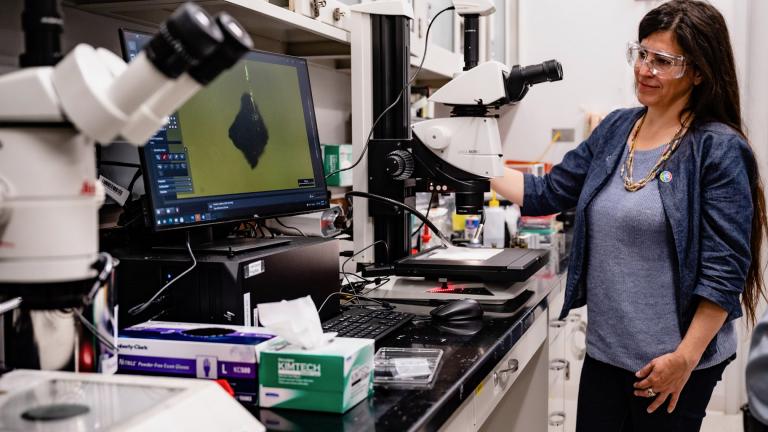
Tiny fragments from an asteroid could shed light on the early development of the solar system, thanks to the unique capabilities of Argonne National Laboratory.
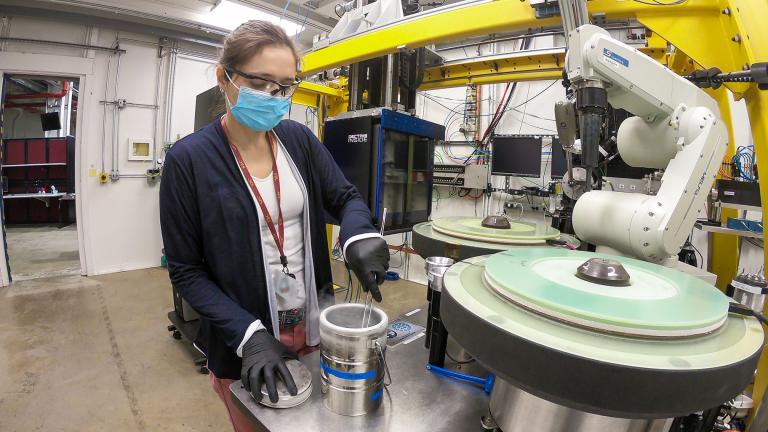
Researchers at Argonne National Laboratory, just outside Chicago, helped fast-track the development of coronavirus vaccines. Dr. Stephen Streiffer, director of the Advanced Photon Source at Argonne, tells us more.
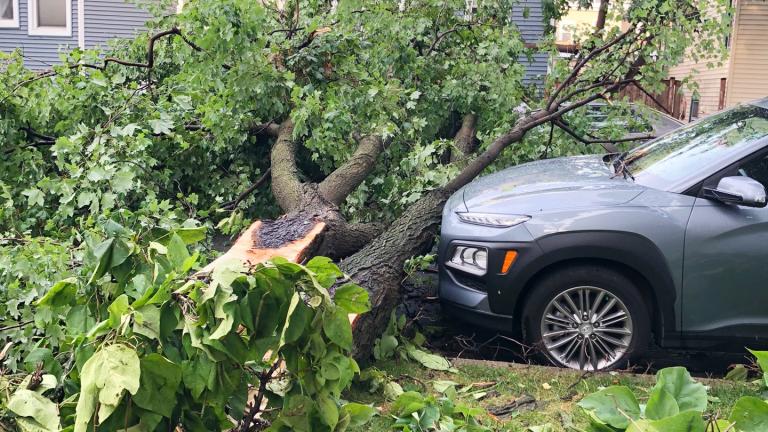
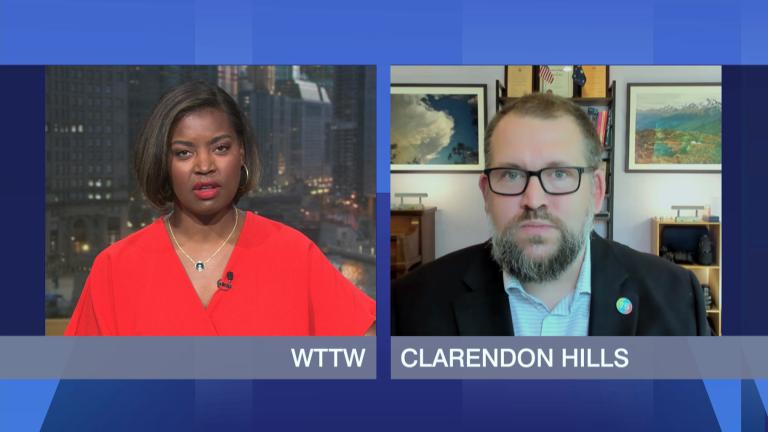
As Chicago gets ready for cooler weather, many parts of the country are being hit by wildfires, hurricanes and the aftermath of last month’s destructive derecho. We learn more with atmospheric scientist Scott Collis.
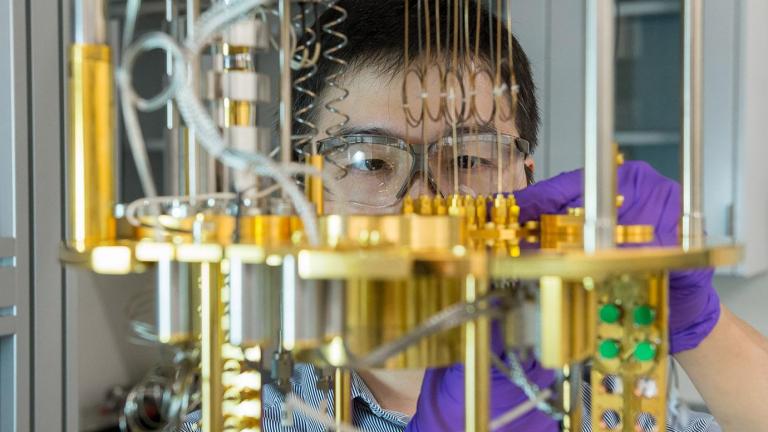
Quantum technology is expected to transform our world, and Chicago appears to be at the center of this quantum acceleration, thanks to funding from the Department of Energy to establish two quantum research centers locally.
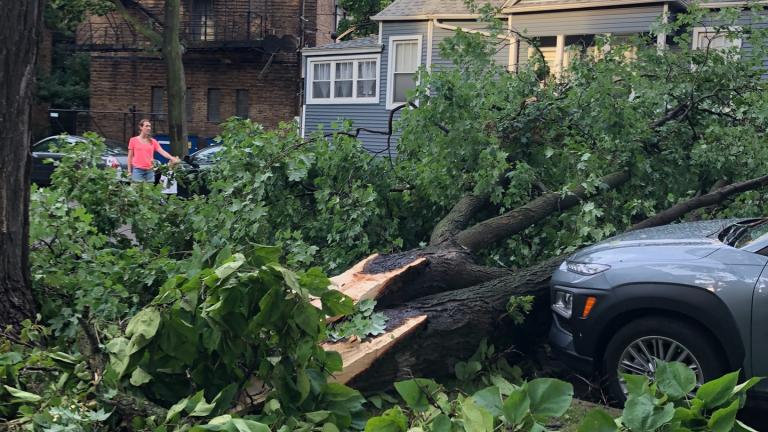
The National Weather Service has confirmed that a tornado touched down in Rogers Park during Monday’s powerful storm. Thousands of Chicagoans remained without power Tuesday morning.
Trending
Pair of Chicago Elementary Schools Named Top in Illinois in New U.S. News Rankings
Mother-Son Reunions Among Latest Milestones for Shedd’s Rescued Belugas

Migration Mass Casualty With At Least 1,000 Birds Injured or Killed This Weekend in Chicago and on Northwestern’s Campus

Early Voting for November General Election Expands in Chicago, Suburban Cook County
Giannoulias, Quigley, Wilson — But Not Johnson — Among First to File Signatures Ahead of Chicago’s February Mayoral Election
Sign up for the WTTW News newsletter