

Animals & Nature
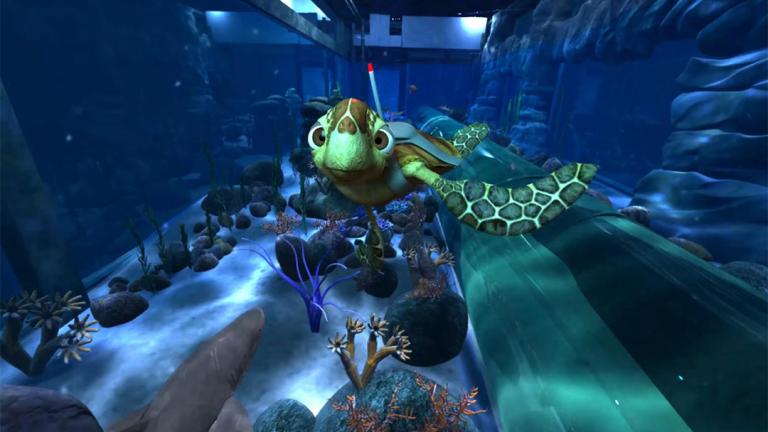
A new experience coming this fall to Lincoln Park Zoo will allow visitors “dive” into the ocean and explore landscapes and wildlife at the North and South Poles or in deep ocean waters.
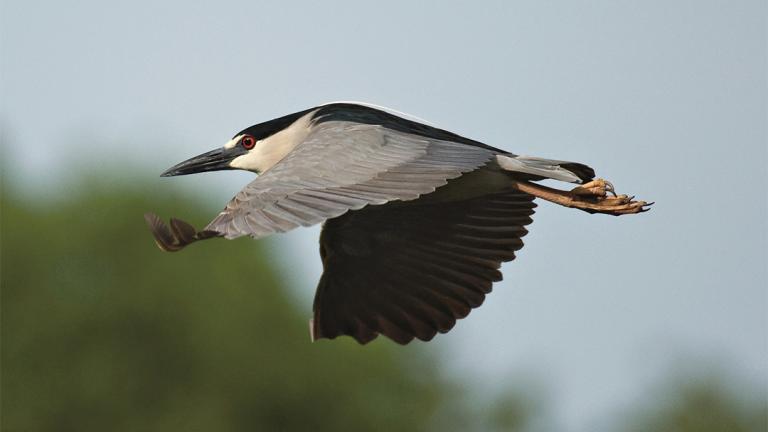
The black-crowned night heron is one of the rarest birds in Illinois. Lincoln Park Zoo now hosts a colony of more than 600 herons, but things have getting a bit crowded.
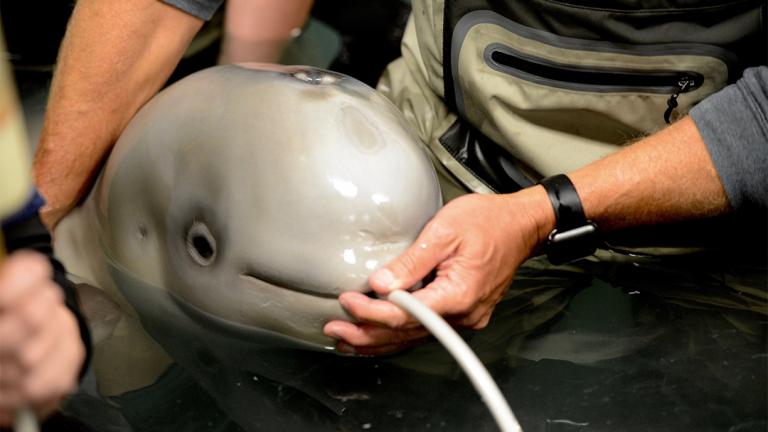
Shedd Aquarium experts are among those caring for a whale calf rescued Sept. 30 in Alaska’s Cook Inlet. The calf belongs to a critically endangered population of beluga whales.

It looks like an art project, but a seven-floor structure at Lincoln Park Zoo is outfitted with logs, bricks, sticks and other materials to provide cozy spaces for insects to nest.

Dressed in little more than black-and-white body paint, a PETA supporter on Wednesday will urge passersby to skip performances this month by a circus company with a track record of mistreating animals.
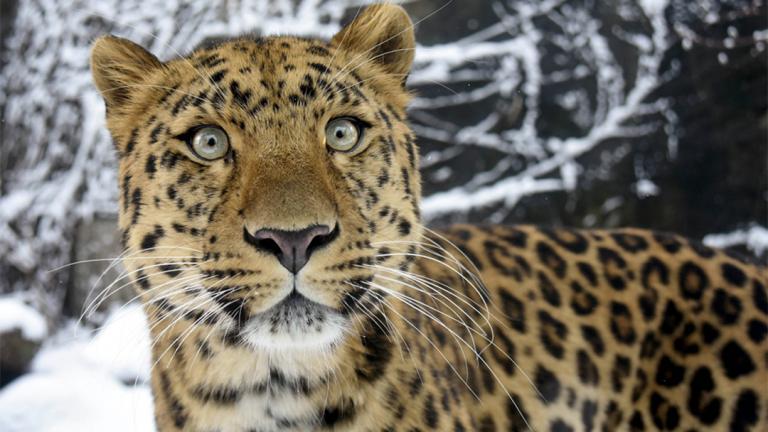
More than 125 animal welfare experts from around the world will gather in October to share new research and best practices related to caring for animals in zoos and aquariums.

A Chicago-area man who wanted to buy a dog for his daughter nearly fell victim to a West African-based scheme targeting thousands of hopeful pet owners. What the Better Business Bureau is saying about the scam.
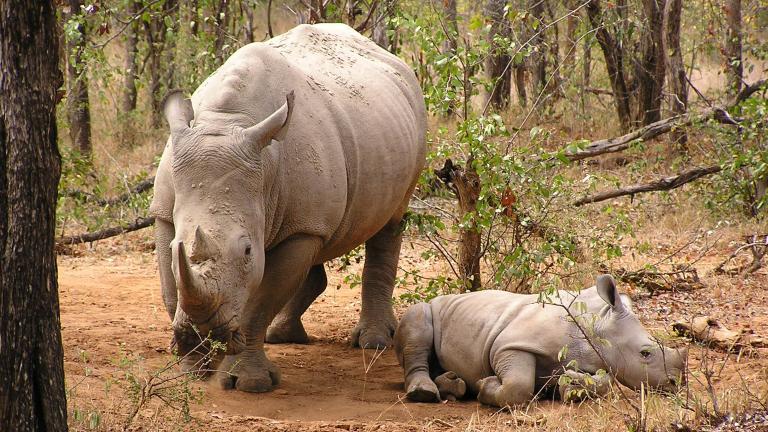

Meet Clive Stockil, a conservationist being honored in Chicago who is helping Zimbabwe’s rhinos bounce back from the threat of extinction.
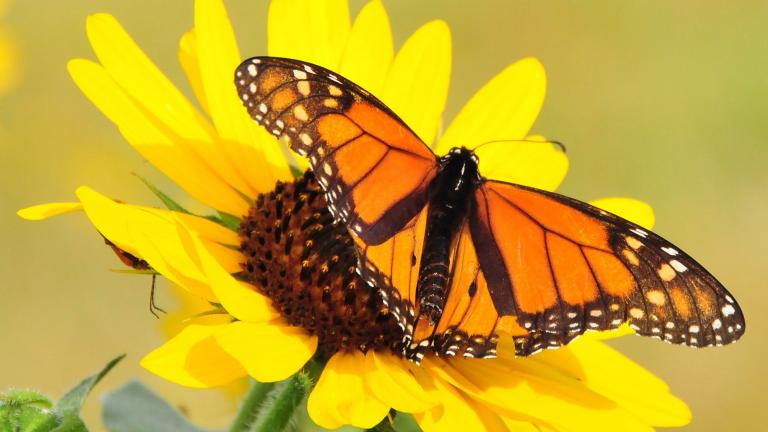
How a Chicago community organization cultivates the scientific and cultural aspects of monarch butterflies.
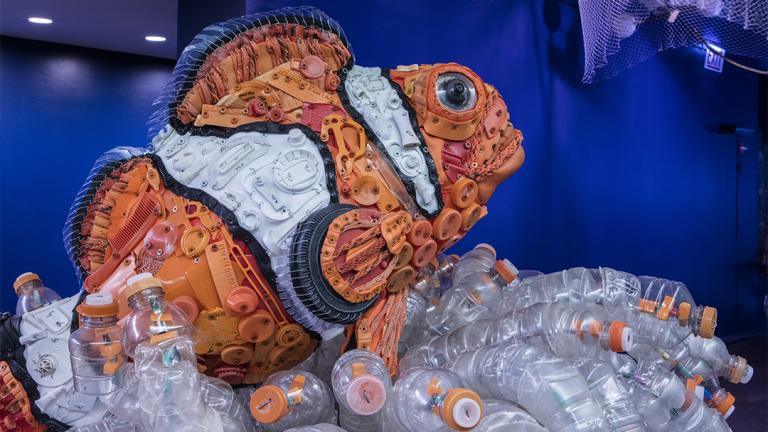
Sea creatures made from flip-flops, beach toys, water bottles and other plastic garbage that washed ashore are part of a new exhibit illuminating the proliferation of pollution in the world’s waterways.
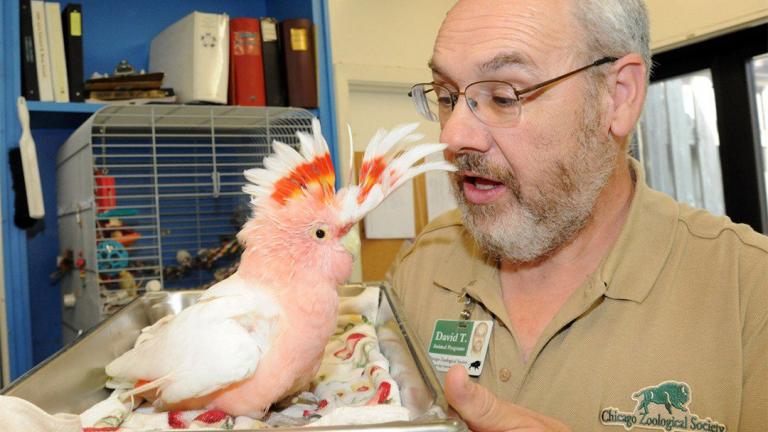
The colorful bird who lived to the ripe old age of 83 had a global fan base and seemed to enjoy being the center of attention. A year after his death, Brookfield Zoo is set to unveil a statue in his honor.

Thousands of birds are killed or seriously injured each year in Chicago after colliding with buildings because they fail to see reflective or transparent surfaces. Here’s what you can do to help.
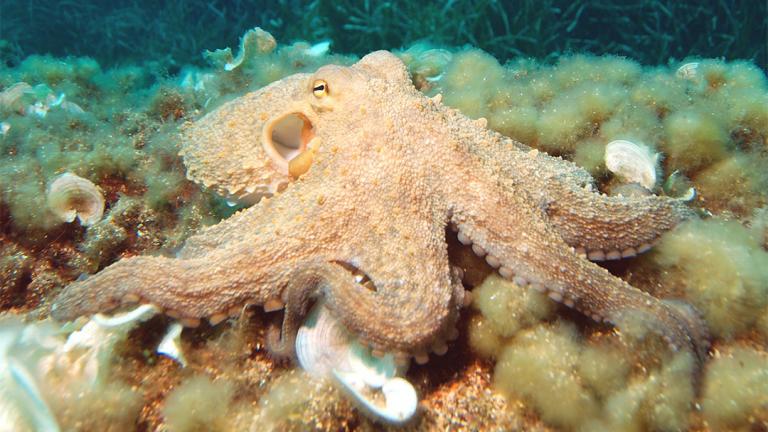
While little is known about the typically solitary lives of octopuses, new evidence out of Australia suggests that octopuses can congregate and socialize under the right conditions.

Universities and other publicly funded institutions will soon be required to make “reasonable efforts” to get research dogs and cats adopted once they are no longer needed.
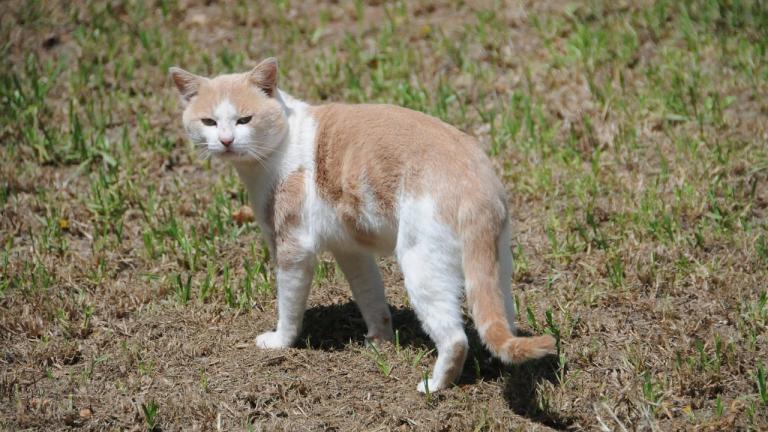
Counties in Illinois will soon be able to tap into their animal population control funds to support programs aimed at reducing feral cat populations.

Starting Oct. 1, crossbows can be used to hunt deer and turkey in Illinois thanks to a state law signed last week.
Trending
2026 Chicago Summer Festival Guide

Who Is Running, or Thinking About Running, to Become Chicago’s Next Mayor

Thursday’s Near-Total Lunar Eclipse Is One to Watch, Chicagoans Won’t See Another This Good for Years

CPD Officer Arrested for Domestic Battery Day After Ex-Top Cop, Police Board Said He Should Be Fired

TIF Districts Boosted Property Taxes but Failed to Spur Development in Blighted Neighborhoods: Report

Sign up for the WTTW News newsletter