Science & Nature
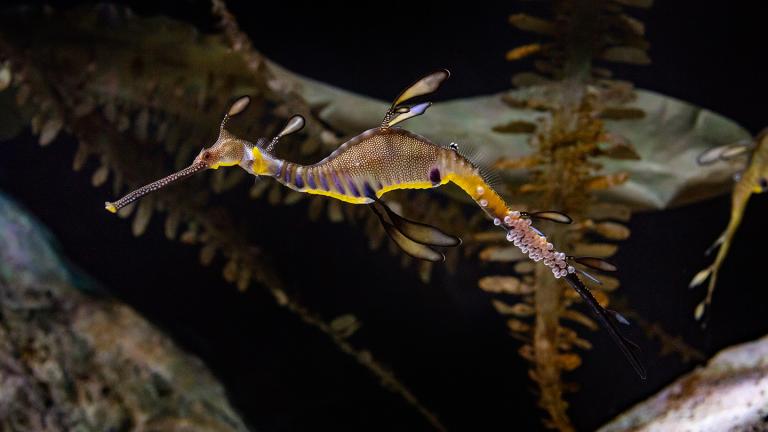
In what is an extremely rare occurrence, a male weedy sea dragons recently accepted an egg transfer from a female and is now carrying 46 fertile eggs on his tail.
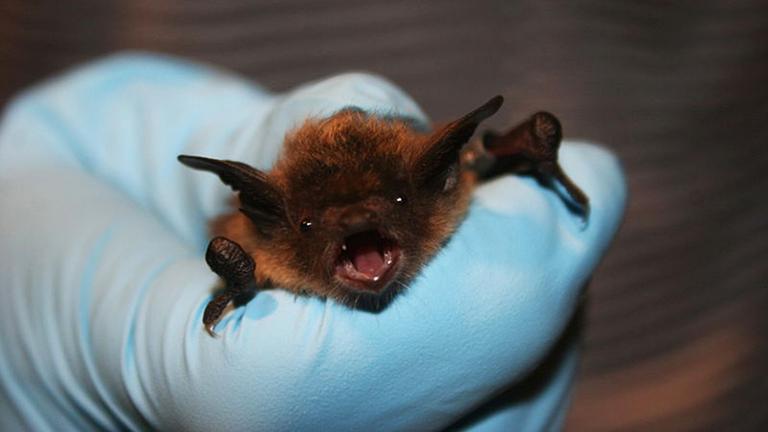
So far this year, nearly a dozen bats have tested positive for rabies in Cook and Will counties alone.


To help mark its 125th anniversary, the Field Museum is preparing to release a gin made in the spirit of one of the biggest events in Chicago history.

Later this month, the red planet will be just 35.8 million miles away – the brightest and closest it’s been to Earth since 2003.

New analysis of a child’s foot from an ancient fossil shows that human ancestors had adaptations that allowed them to climb trees, similar to their apelike cousins.
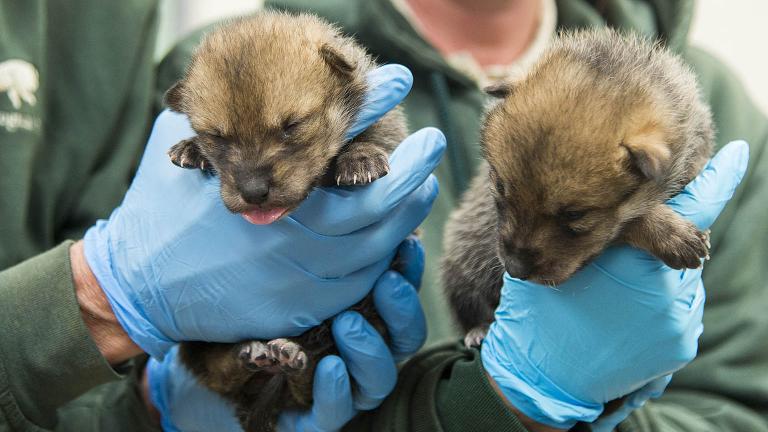
Their recovery has been a national concern for decades. What’s happening locally in the effort to save the Mexican wolf.
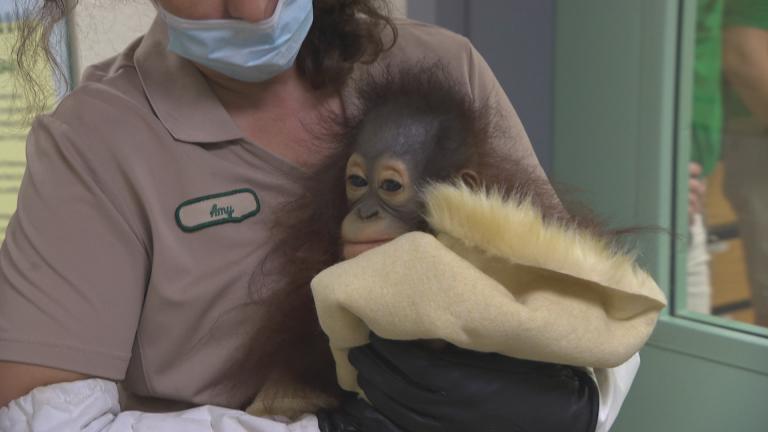
Orangutans are one of humankind’s closest cousins. We meet a baby orangutan as she takes a trip to the doctor.

The ouster last weekend of Chicago Animal Care and Control’s executive director, whose short tenure resulted in the fewest instances of euthanasia at the agency since that data has been recorded, has got folks howling across the city.

With summer heating up, Chicagoans can visit these air-conditioned facilities to catch a break from the heat.
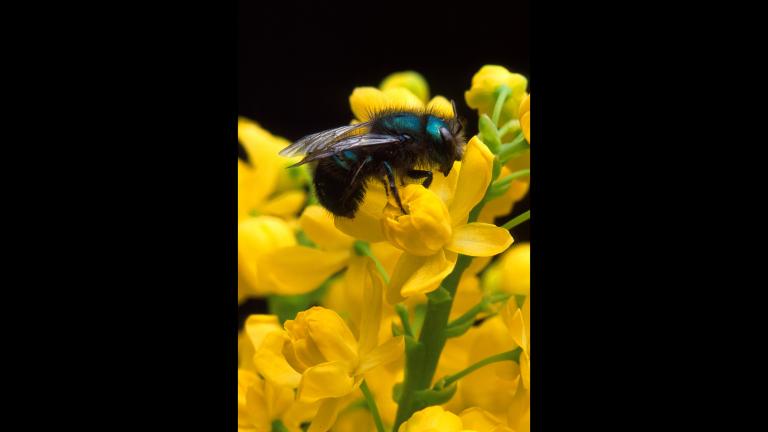
Slight increases in temperature could lead to the extinction of bees in southwestern states in the near future, according to a new study from Northwestern University and the Chicago Botanic Garden.

Facebook denied an advertisement by Elmurst-based Citizen Advocacy Center for an event on data privacy, flagging the ad as "political content."

Shedd Aquarium is rolling out several new outdoor programs this summer aimed at bringing Chicagoans closer to local waters and aquatic life.

Chicago will become the second city in the country requiring hotels to implement panic buttons.

Nearly three years after becoming the first corpse flower to bloom at the Chicago Botanic Garden, Alice the Amorphophallus is on the verge of blooming again.

Chicago has seen 6 inches of rain in June, well above the historical average of about 2.5 inches, according to data from the National Weather Service.
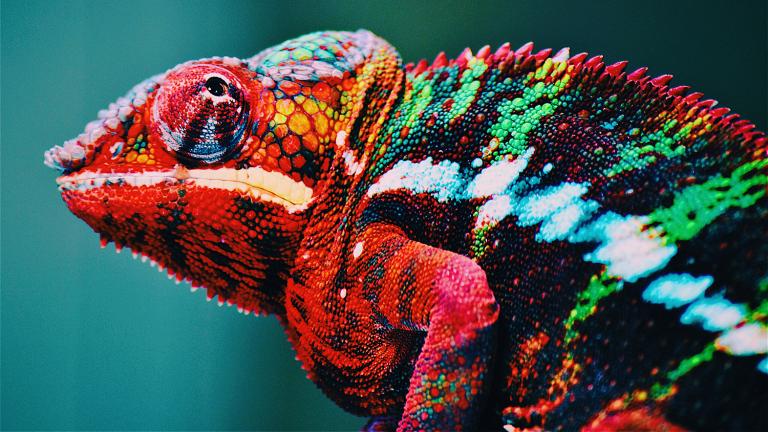
Guided by the camouflaging abilities of chameleons, two Northwestern chemistry professors have developed a tiny, color-changing laser that could improve visual displays in TVs and smartphones.
Trending
Police Brass Agrees to Suspend Officers for Violating Rights of Black Driver During Downtown Traffic Stop

Roseland Hospital Failed to Monitor a Patient During a Mental Health Crisis, Regulators Say. Now He’s Charged With Killing His Wife

Border Patrol Chief Greg Bovino Back in Chicago as Federal Immigration Operations Ramp Back Up

4 More Bus Routes Will Be Added to CTA’s ‘10 Minutes or Sooner’ Initiative

Rival Budget Proposal Advances Calling for $473M in New Taxes, $35M From Advertising on Light Poles and City Vehicles

Sign up for the WTTW News newsletter