

Science & Nature
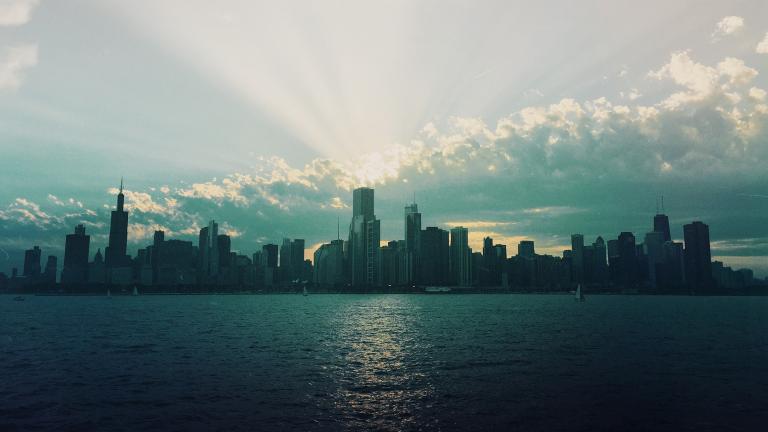

The Field Museum will be at the center of Chicago’s youth climate strike Friday as activists across the globe hold what is expected to be one of the largest environmental demonstrations in the history of the planet.

The fate of a 6-acre nature sanctuary on the city’s South Side is at the center of a debate over Tiger Woods’ $30 million plan to transform two golf courses. And it’s health is also in question. We go for a visit.

Water line repairs can be a costly mess. But what if there was a way to fix old water mains without tearing up streets, and old trees? There actually is, and Chicago is dipping into the waters of this technology with a pilot program.
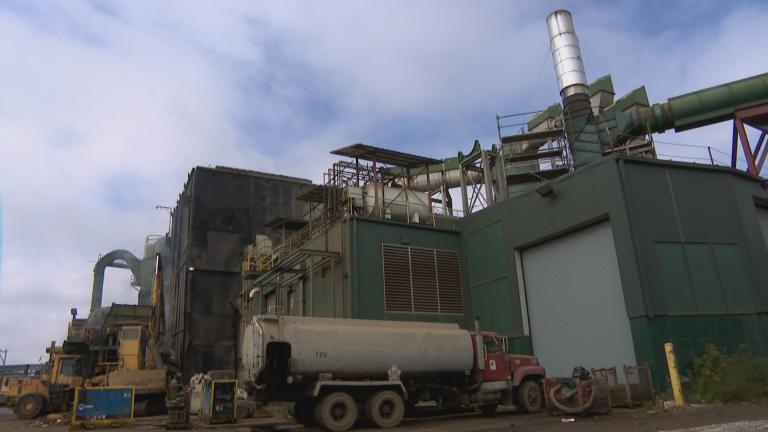
A longtime scrap metal recycler reaches a deal with the city to close up shop at its location next to the Lincoln Yards site and move operations to the Southeast Side. But not everyone is happy about it.
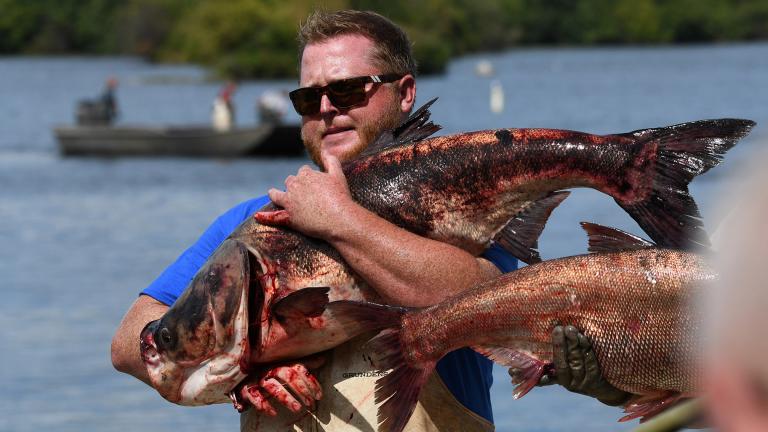
If Asian carp invade the Great Lakes, experts say the fish would have a devastating effect on the marine food chain and the region’s $7 billion fishing industry. We get a look at efforts to keep them out of Illinois waterways.

It’s a job as old as time, but one Chicagoan is beekeeping in her own unique way. Meet graphic designer-turned-beekeeper Jana Kinsman.

A pair of Danish architects hope to make a statement and spark conversations about food production with their new exhibit that’s part of the Chicago Architecture Biennial.

After spending their first year at Chicago’s Peggy Notebaert Nature Museum, dozens of endangered Blanding’s turtles were released into the wild as part of a preservation effort that started more than 20 years ago.

Adler Planetarium astronomer Mark Hammergren explains how a space-based sentry can help detect asteroids that will pass near Earth.
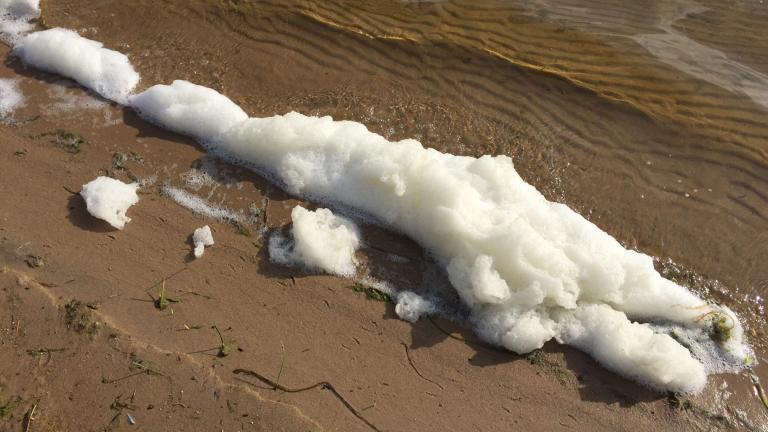
The National Wildlife Federation warns that pollution from PFAS chemicals – often called “forever chemicals” because they don’t break down over time – could be one of the most serious threats facing the Great Lakes region.

Scientists in Spain have been analyzing so-called super-deep diamonds as a means to learn more about the formation of the Earth itself. Rabiah Mayas tells us more about that and other stories making science headlines.

The future of medical monitoring is taking shape in a laboratory just north of Chicago. We learn about a new generation of flexible electronics.
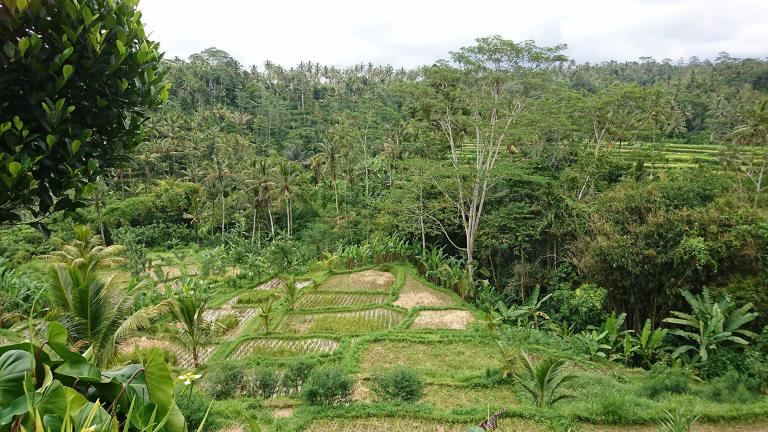
Humans in many areas of the world were farming, burning forests, grazing their animals and causing major changes to the environment some 1,000 years earlier than previously thought.
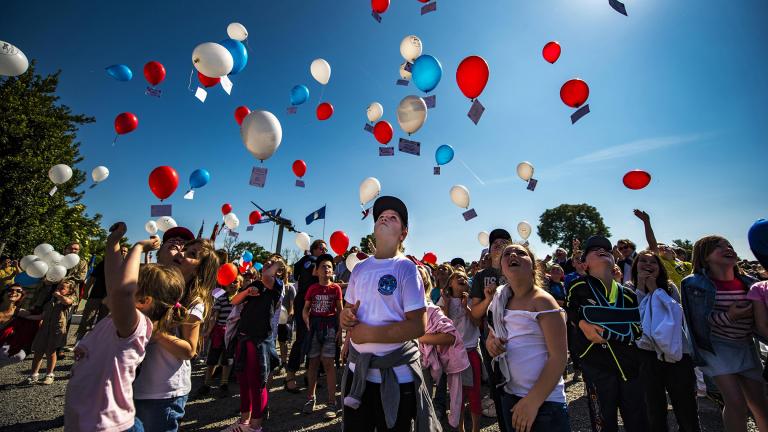
Five U.S. states have passed laws regulating the intentional release of balloons amid growing concerns over the risk they pose to wildlife. Illinois could be one of the next states to take action.

Hurricane Dorian raked the Carolina coast with howling, window-rattling winds and sideways rain Thursday, spinning off tornadoes and knocking out power to more than 200,000 homes and businesses.
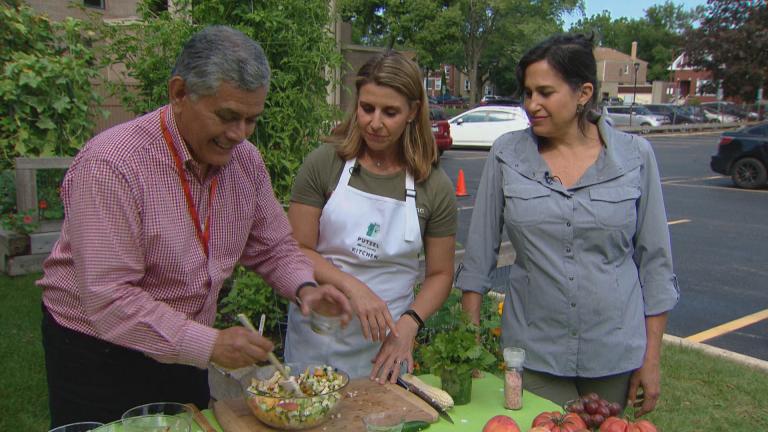
Organic gardener Jeanne Nolan and chef Nicole Putzel show us what’s possible (and delicious) for local gardeners – even if you don’t have much space.
Trending
Developers Unveil $10B Proposal for New Bears Stadium, Entertainment District at Former Michael Reese Site

11 of the Chicago Area’s Most Dazzling Holiday Light Shows

Here Are the 17 Men Chicago Will Pay $260.8M After Being Convicted Following Investigations by Ex-CPD Detective Reynaldo Guevara

UChicago’s Banned Books Scholar on the Chilling Effect of Censorship Efforts Across the US

Illinois Hemp Act Set to Ban Some THC Drinks Amid Pushback From Business Owners

Sign up for the WTTW News newsletter