

Weather
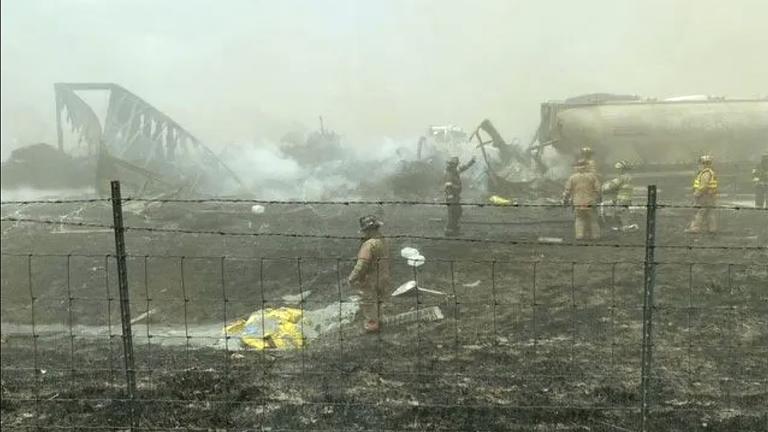
The crashes occurred late in the morning and involved 40 to 60 passenger cars and multiple tractor-trailers, two of which caught fire, Illinois State Police Maj. Ryan Starrick said. The highway was shut down in both directions in Montgomery County, 75 miles north of St. Louis.
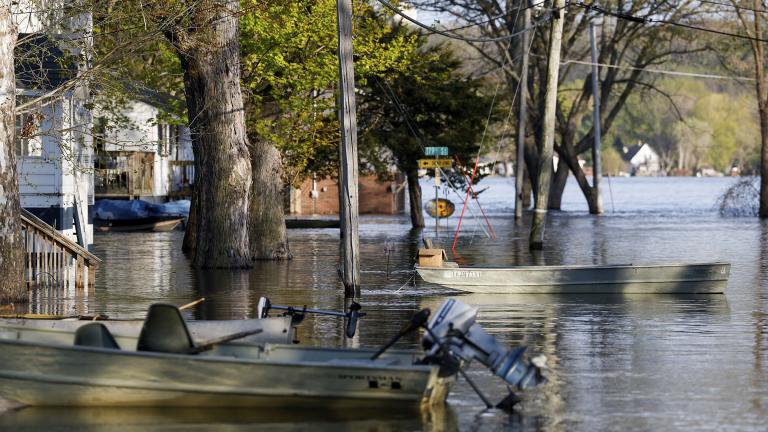

The peak water levels this spring will likely rank in the top 10 of all time in many places, but the National Weather Service said river levels will generally remain well below past records.
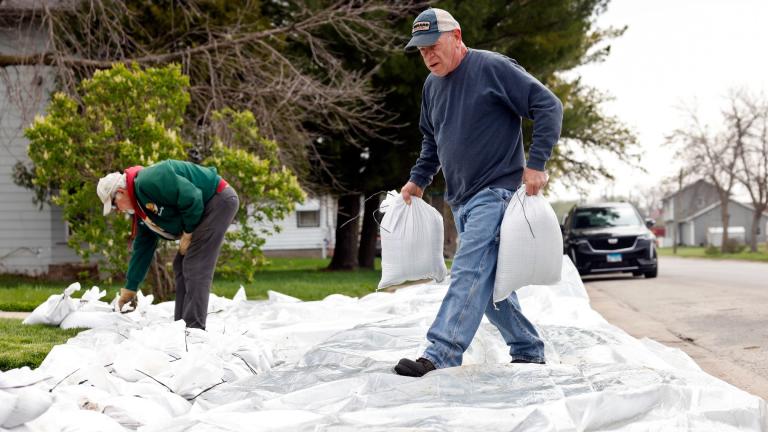
A small number of people had to leave their homes in Wisconsin as the river kept rising. Others stacked sandbags in the small community of Buffalo, Iowa, in anticipation of flooding this weekend and early next week.
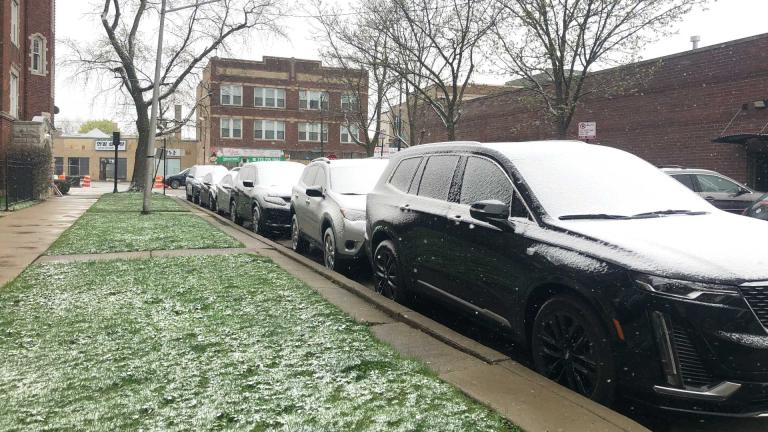
In true springtime-in-Chicago fashion, last week’s record-setting summer-like temperatures gave way to a return on winter Monday, as people woke up to snow-covered cars and below-freezing wind chills.
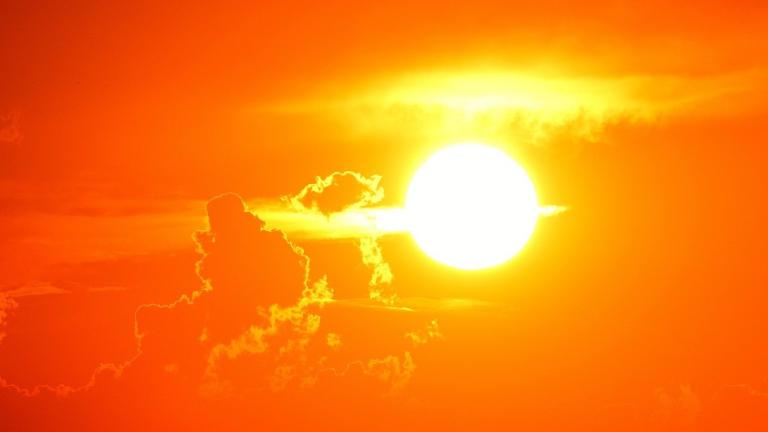
Chicagoans will enjoy another summer-like day, with the temperature predicted to hit what would be a record-setting 83 degrees on Thursday, according to the National Weather Service.
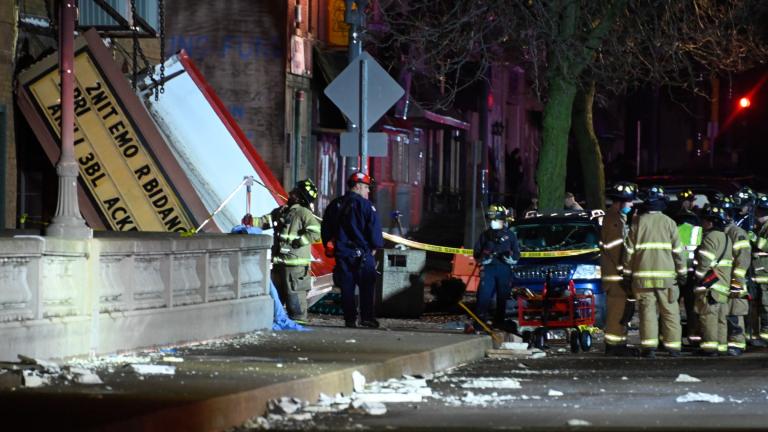
In Belvidere, Illinois, a tornado collapsed the roof of the Apollo Theatre as 260 people attended a heavy metal concert, killing one person and injuring 40, officials said.
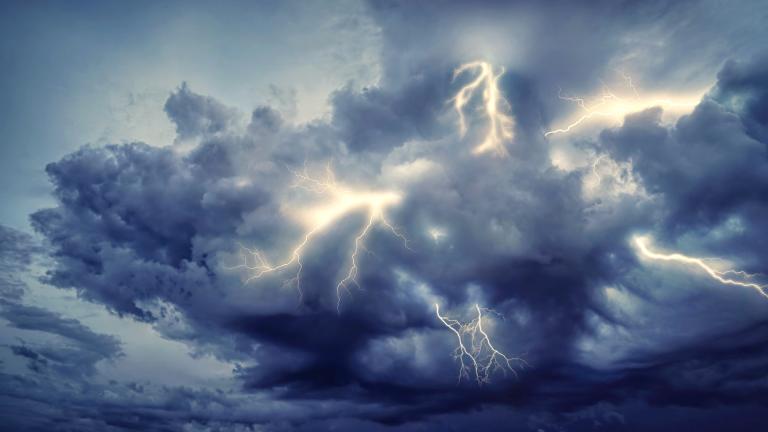
The National Weather Service said starting around 2 p.m. Friday, the Chicago area is expected to see destructive winds and the possibility of tornadoes that could cause extensive damage.
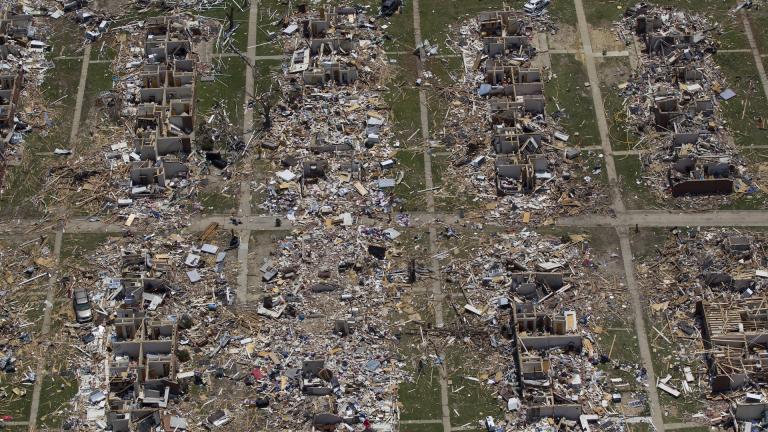
A seemingly relentless series of severe storms, likely with deadly tornadoes, are forecast to rip across parts of America’s Midwest and South over the next couple weeks, especially Friday, meteorologists said.
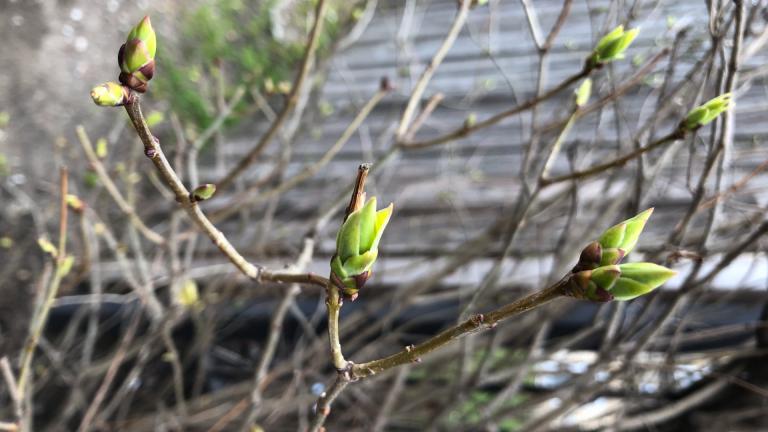
Spring is always an iffy proposition in Chicago, but it officially begins Monday.
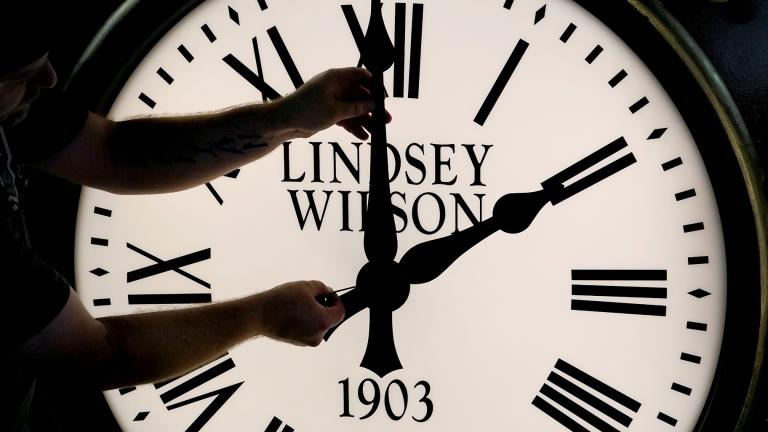
In Chicago, you’ll lose an hour of sleep for one night but gain more daylight in the evening in the months ahead.
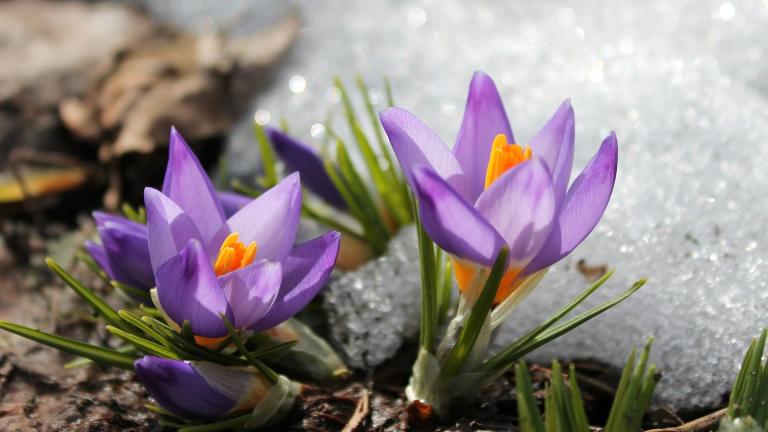
Chicago will dodge the worst of a storm system whose track has stymied meteorologists as it's approached the region.
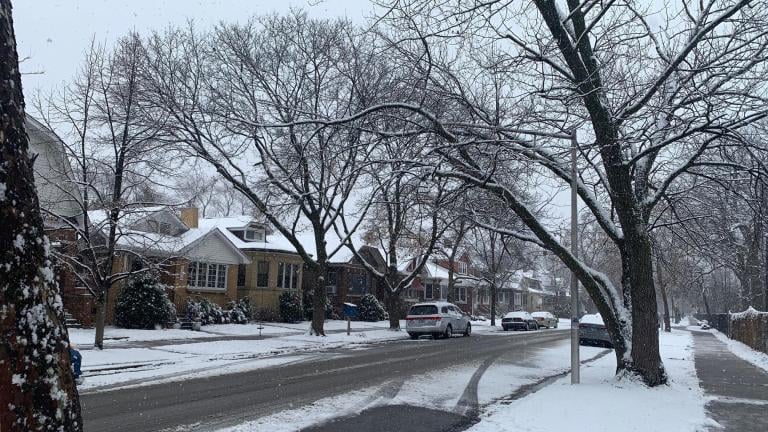
At some point Friday, it will probably rain or snow, but how much of which form of precipitation will fall, and where, forecasters still can’t say with confidence.
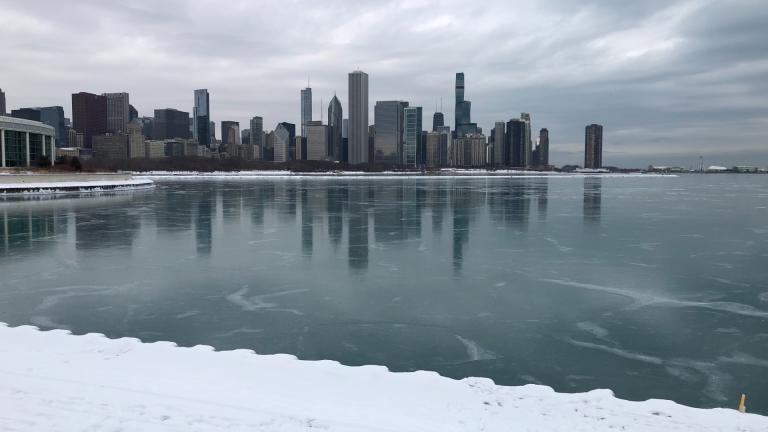
The big story was the amount of rain that fell in the Chicago region: There have only been seven wetter Februarys since 1871.
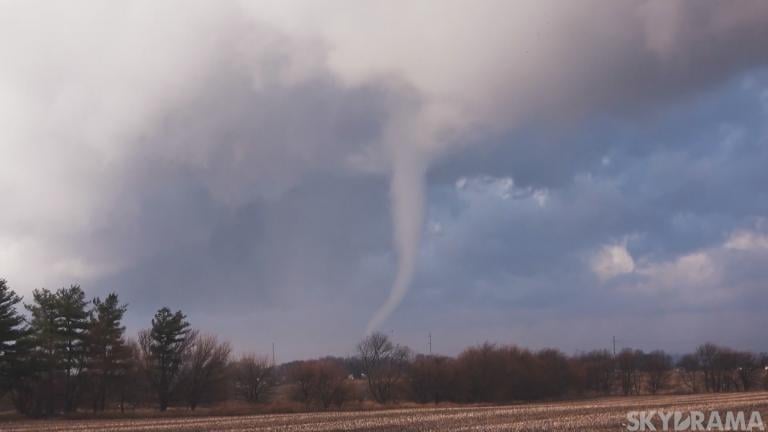
At least two brief tornadoes touched down in the Chicago suburbs Monday — one in Joliet and another on the far north side of Naperville.
A winter weather advisory has been issued for 6 a.m. to 9 p.m. Thursday in the Chicago area. Slippery pavement will be a bigger issue than snow accumulation.
WTTW News explains the science behind lake effect snow. (Hint: We’re lucky to be on this side of Lake Michigan.)
Trending
Interim NITA Director Earning $350K Salary While Also Collecting $213K Annual City Pension, Records Show

Early Voting for November General Election Kicks Off in Downtown Chicago

Uptown Theatre Added to Open House Chicago, Catch a Rare Glimpse Inside Gilded Jewel

City Lawyers Propose Spending $260.8M to Settle 16 Cases Tied to Disgraced Ex-CPD Detective Guevara

Chicago Woman Accused of Social Security Fraud After Hiding Mother’s Body in Freezer for 2 Years

Sign up for the WTTW News newsletter