

segregation
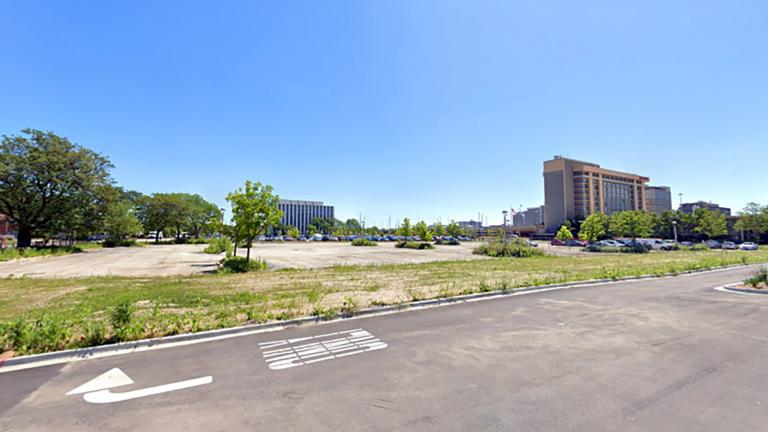

The proposal from Glenstar at 8535 W. Higgins Road will build the 41st Ward’s first affordable housing in decades amid a cluster of hotels and office mid-rises along the Kennedy Expressway near O’Hare Airport and steps away from the CTA Blue Line.
The committee vote represents a nearly unprecedented rebuke of the decades-old tradition of giving alderpeople the final say over housing developments in their wards.
Members of the Chicago City Council have until Friday to respond to 10 questions posed by federal officials probing whether aldermanic prerogative has created a hyper-segregated city rife with racism and gentrification.
The Chicago City Council may be forced to confront the role its decades-old tradition of giving aldermen the final say over housing developments in their wards has played in creating a hyper-segregated city rife with racism and gentrification.
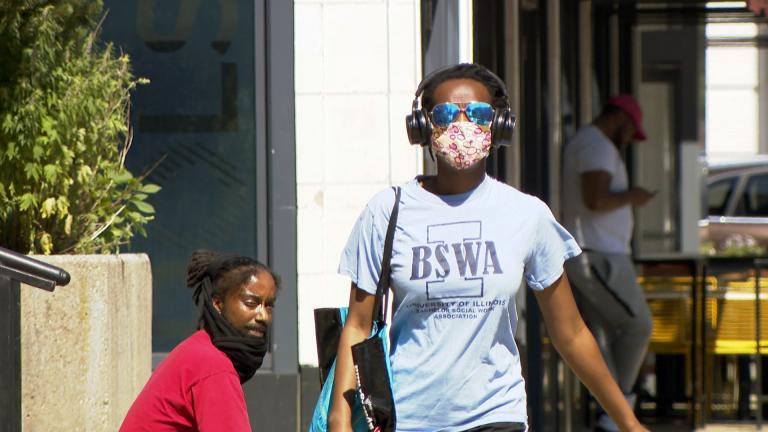
Vaccine mandates are being put into place in some cities and sectors. Will those policies disproportionately disenfranchise the Black community, which lags behind in vaccination rates?
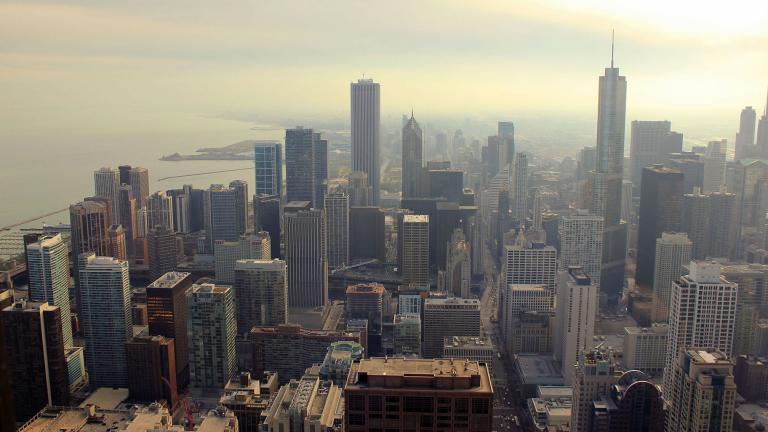
Mayor Lori Lightfoot’s picks for key city posts during her first two years in office failed to keep pace with the growing number of Latino Chicagoans, according to an analysis by WTTW News.
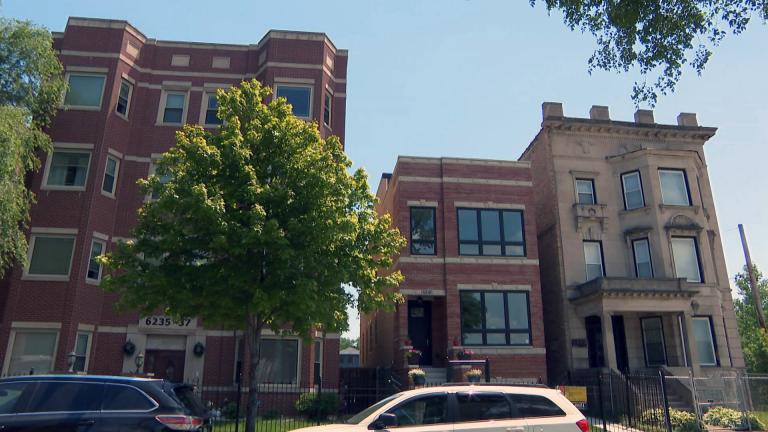
Some of the nation’s largest metropolitan regions have become increasingly segregated in the last 30 years, underscoring racial inequalities that have led to poorer life outcomes in Black and brown neighborhoods, according to a study released Monday.
Black Chicagoans die more than nine years sooner than other Chicagoans, a gap caused by systemic racism that is only growing, according to a report released this week by the Chicago Department of Public Health.
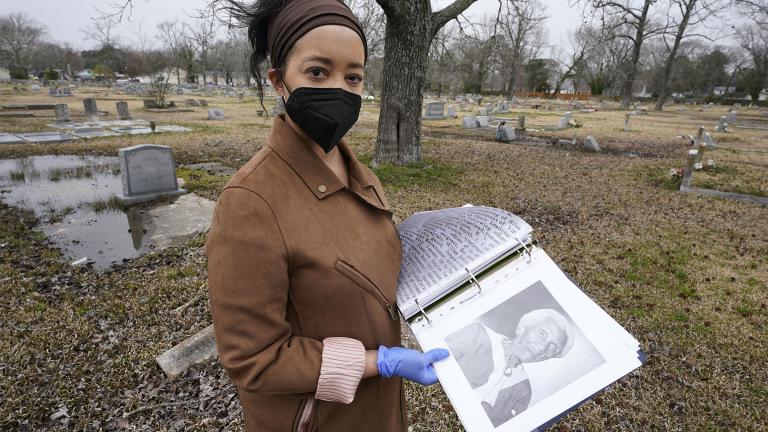
Black cemeteries are scattered throughout the United States, telling the story of the country’s deep past of cemetery segregation. Many Black Americans excluded from white-owned cemeteries built their own burial spaces, and their descendants are working to preserve the grounds.
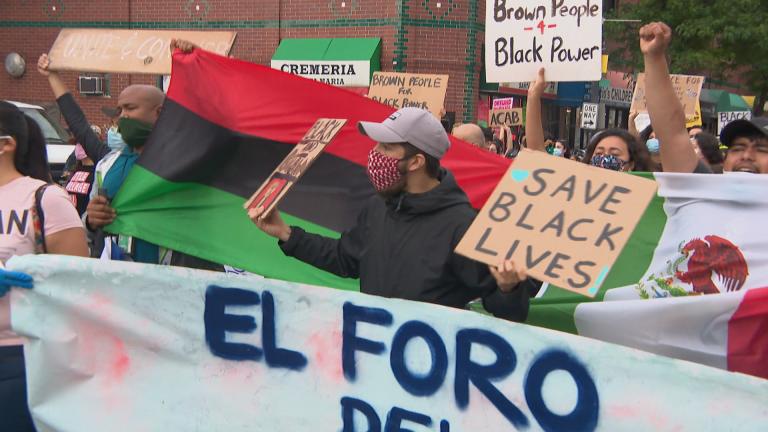
A new generation of activists and organizers are working to build on past coalitions and bring Chicago’s Black and Brown communities together to end the systemic inequities that have persisted in our city for decades.
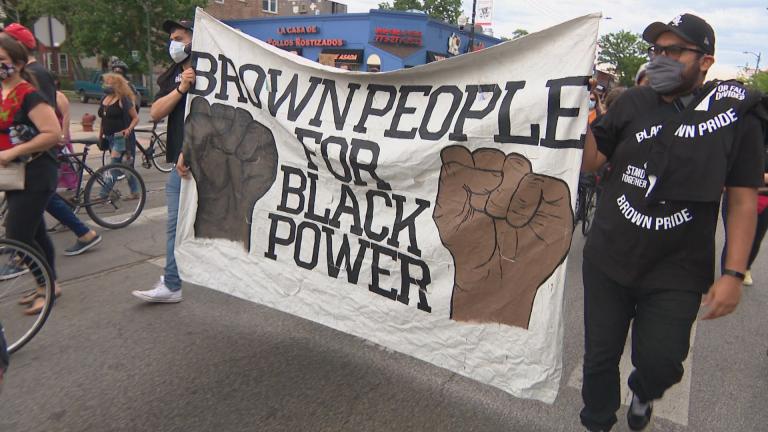
This summer, tensions between Black and Latino Chicagoans threatened to explode into violence before activists restored peace, but the incident underlined the sometimes uneasy history between our city’s Black and Latino communities.
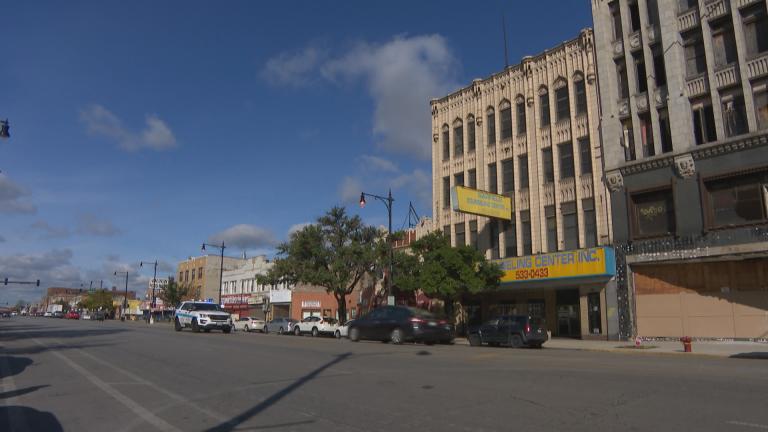
The community faces food insecurity, poverty and violence in addition to the coronavirus pandemic and fallout from this summer’s civil unrest. Meanwhile, residents have mobilized to support one another.
Mayor Lightfoot called the life expectancy gap between Black and White residents “unacceptable,” as the Chicago Department of Public Health issued a new report that found systemic racism pervades nearly every aspect of civic life.
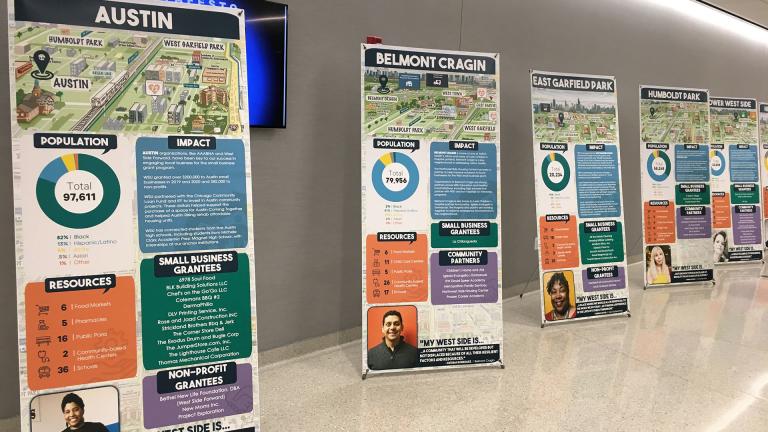
A coalition of health care institutions and professionals awarded dozens of businesses on the city’s West Side $500,000 in small business grants last year, doubling the goal it had set to achieve by 2021.
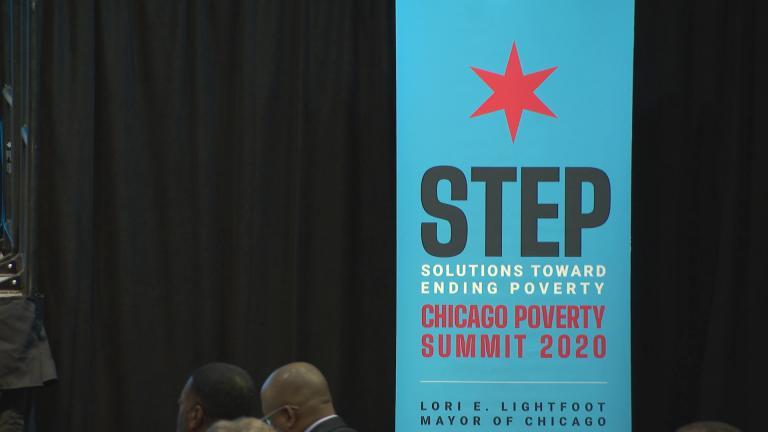
Poverty was front and center at a summit Thursday at the University of Illinois at Chicago, where local policymakers, union leaders, employers and academics focused on how to end poverty in Chicago within a generation.
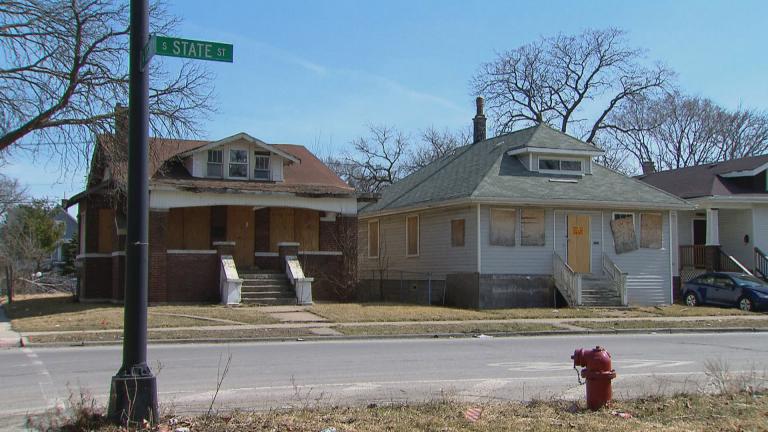
Hundreds of thousands of black Chicagoans have fled the city since 1980, according to a recent report. What’s driving that exodus, and what can be done to reverse the trend?
Trending
2026 Chicago Festival Guide

CPD Officer Who Fired 3 Shots at Suspected Carjacker on 606 Trail Faces Firing: Records

Interim NITA Director Earning $350K Salary While Also Collecting $213K Annual City Pension, Records Show

Firm Set to Buy Chicago’s Parking Meters Sells Airline That Carried Out Deportations

Chicago Woman Accused of Social Security Fraud After Hiding Mother’s Body in Freezer for 2 Years

Sign up for the WTTW News newsletter