

segregation
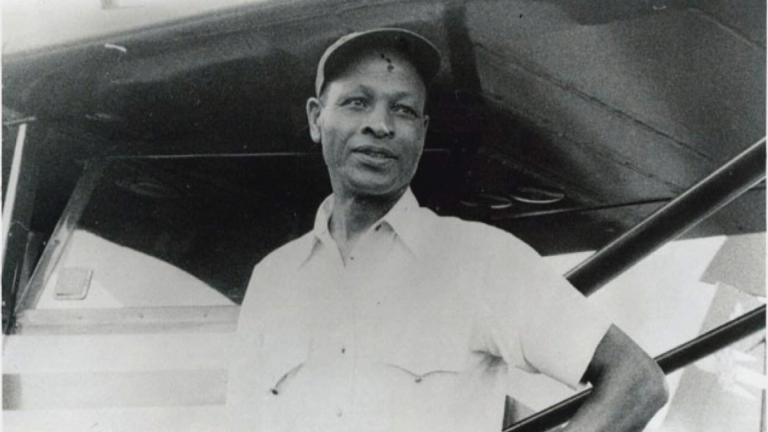

You may have heard of Bessie Coleman, the pioneering African American pilot from Chicago. But there is much more to the history of black aviation in this town. And though that story has been largely forgotten, it’s now inspiring a new generation of aviators.
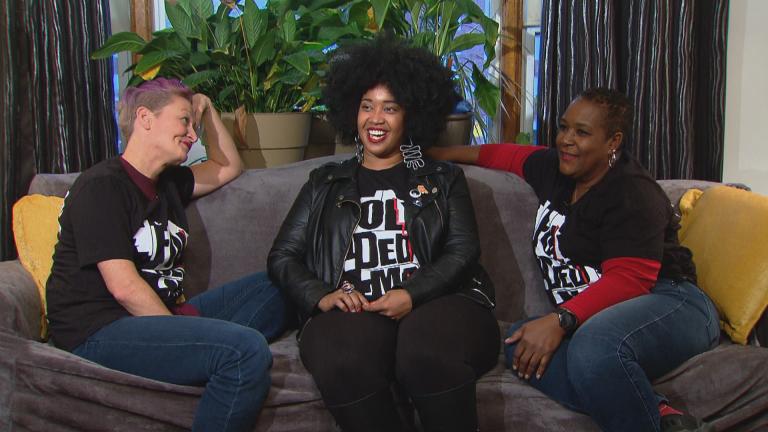
Chicagoan Tonika Johnson is using photography to educate people on the disparities she’s noticed within neighborhoods throughout the city.
Violence in Chicago sometimes leads to descriptions of the city as a “battleground” or “war zone.” But author Dexter Voisin says those narratives ignore the structural issues behind the violence in many communities.
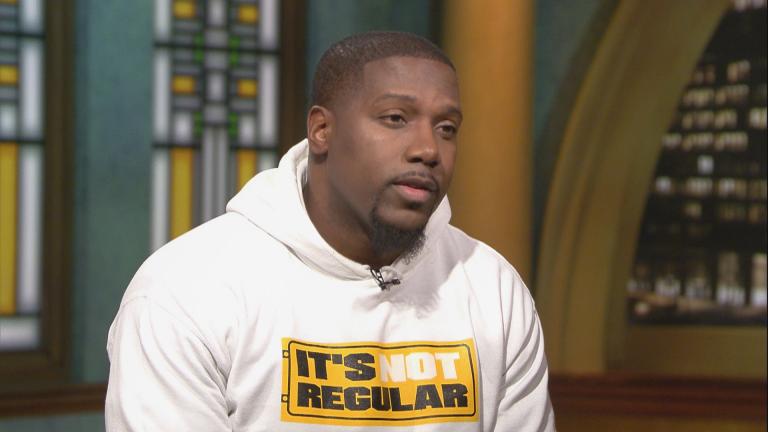
A new book and sign campaign points out daily inequities in some of Chicago’s underserved neighborhoods. We speak with Jahmal Cole, CEO and founder of the nonprofit My Block, My Hood, My City.
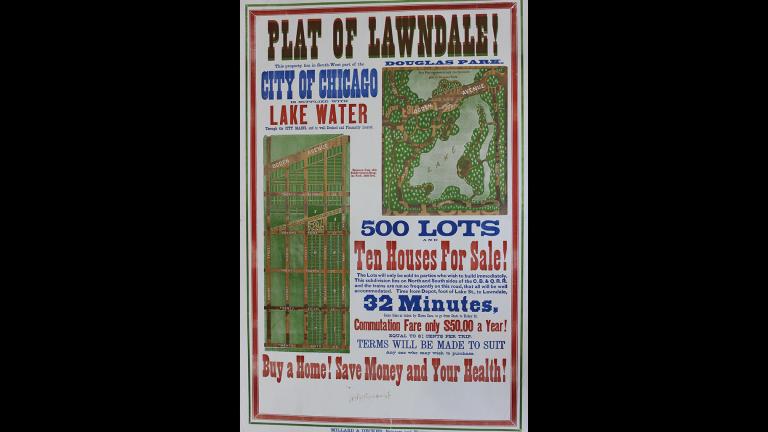
As real estate development booms in pockets of the city, it feels like a new neighborhood is introduced every few months. This may seem like a relatively recent phenomenon, but in Chicago, the practice goes back decades. Geoffrey Baer explains.
A new office aims to examine policy with equity and racial justice in mind. We speak with Candace Moore, who is leading the office.
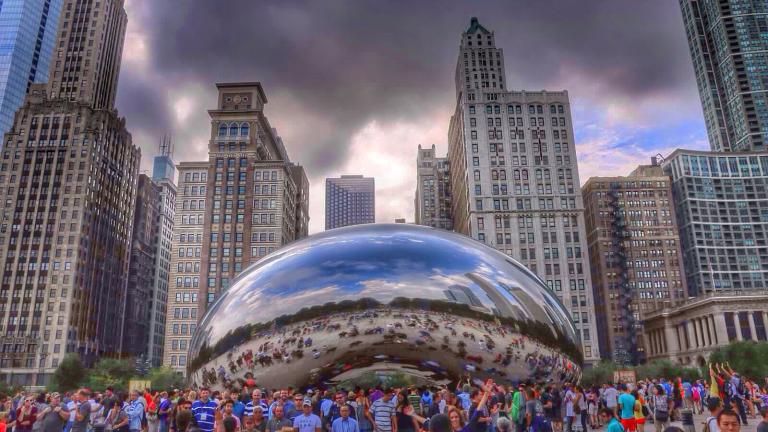
From iconic Chicago landmarks to neighborhood parks, 350 Chicago-area residents share their favorite local places in the “Voices of the City” art project. Add your voice to the mix.
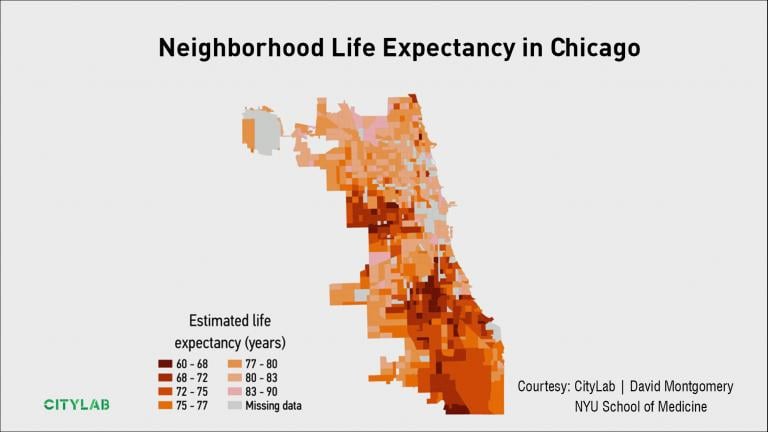
Chicago has the largest life expectancy gap of any big city in America. We speak with a researcher who says that while “there’s no easy answer” to the disparity, the city’s high degree of racial segregation clearly plays a role.
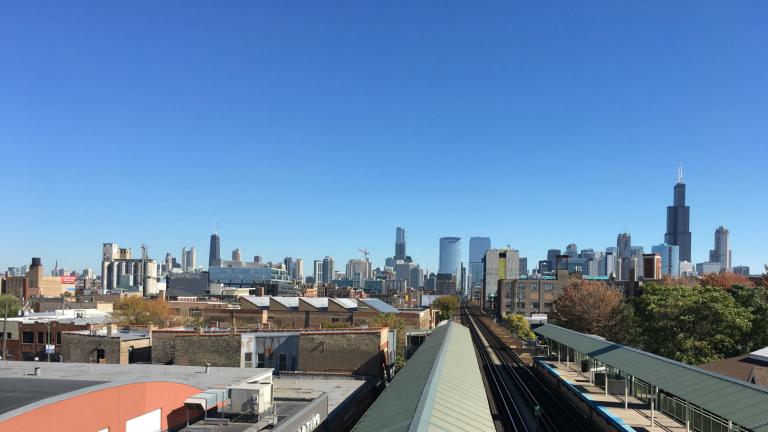
An analysis of 500 U.S. cities by NYU School of Medicine offers a startling view of Chicago, but a local physician says the city’s health inequities have been known for years. What’s causing that gap, and how can it be addressed?

A new South Side facility has increased access to trauma care in Chicago, where in 2015, 73 percent of majority black communities were located at least 5 miles from a trauma center, according to a new study.
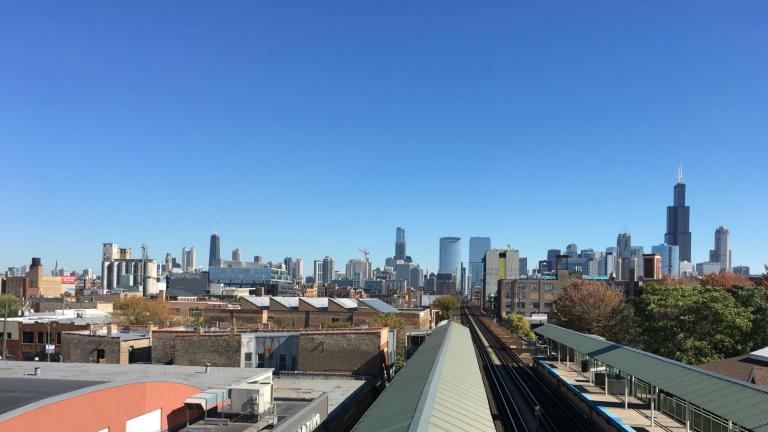
Over the past two years, a newly formed coalition of health care institutions and professionals has raised $10.5 million to fund initiatives it deems vital to improving the life expectancy of West Side residents.
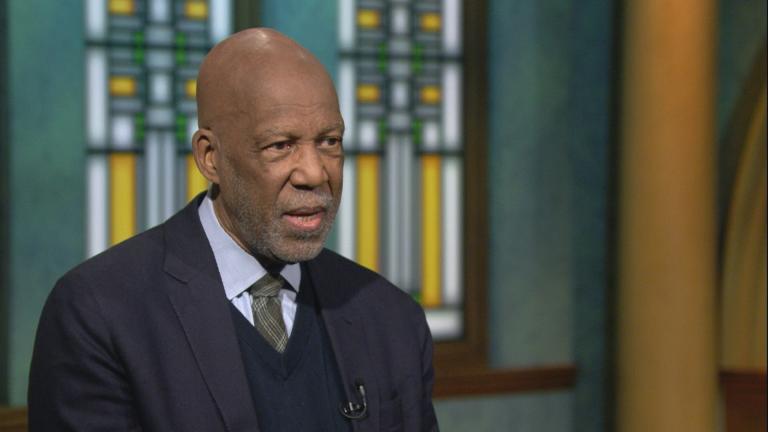
We speak with Terrence Roberts, a surviving member of the Little Rock Nine, about teaching students to promote equality in their communities.
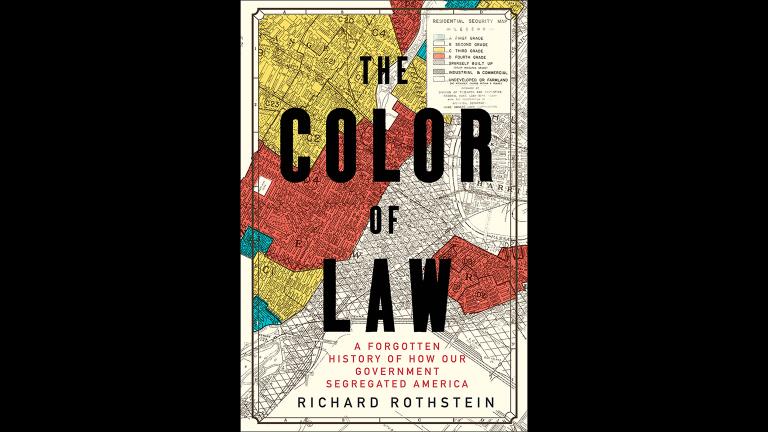
It’s long been believed that residential segregation was a result of personal choices. But a new book argues segregation happened by design.
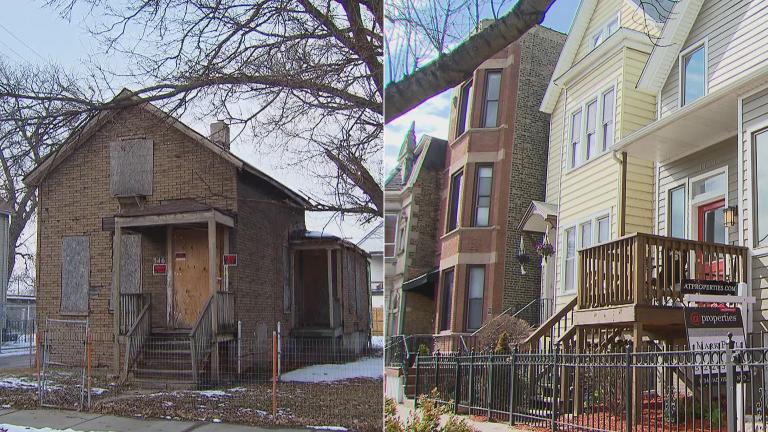
New data shows Chicago residents feel either immensely optimistic or pessimistic about the city based on factors like neighborhood, race and age. We take a closer look with the authors of the poll.
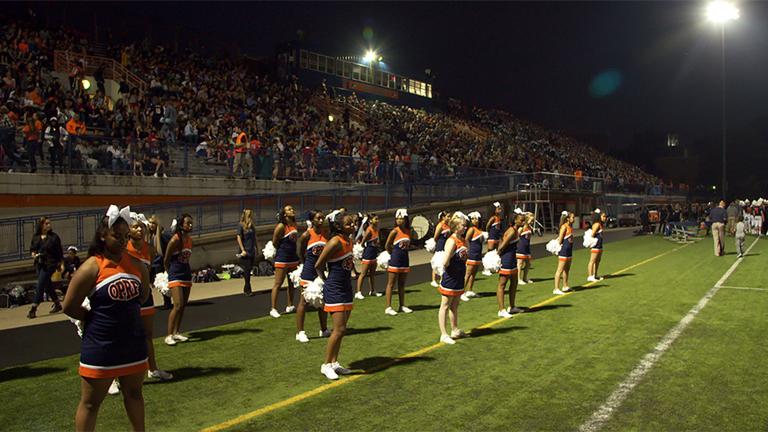
A conversation with “Hoop Dreams” director Steve James, who tackles an ambitious series about racial disparity in a Chicago-area high school.
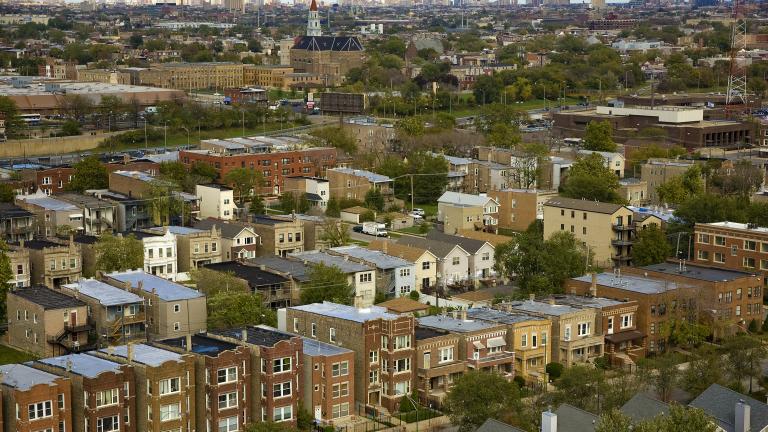
Many studies on breast cancer have shown racial disparities in diagnosis and survival rates. New research suggests characteristics of a woman’s neighborhood could be contributing to those disparities.
Trending
2026 Chicago Festival Guide

CPD Officer Who Fired 3 Shots at Suspected Carjacker on 606 Trail Faces Firing: Records

Interim NITA Director Earning $350K Salary While Also Collecting $213K Annual City Pension, Records Show
Firm Set to Buy Chicago’s Parking Meters Sells Airline That Carried Out Deportations

Chicago Woman Accused of Social Security Fraud After Hiding Mother’s Body in Freezer for 2 Years

Sign up for the WTTW News newsletter