

Public Health
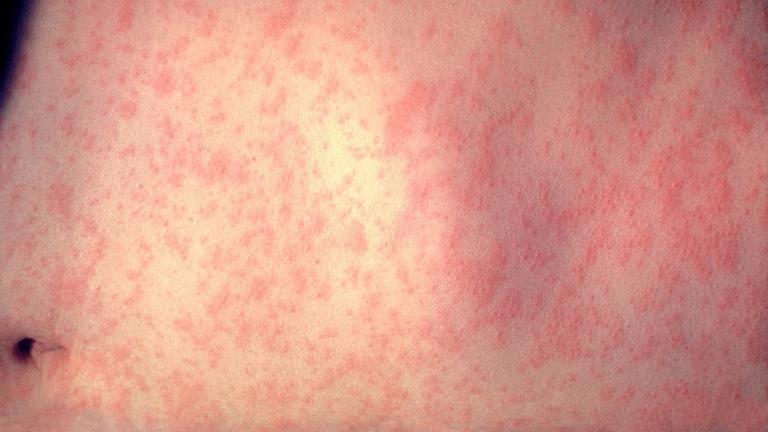
Health officials are reporting a confirmed case of measles in a Cook County resident who visited a restaurant and grocery store in the city and suburbs earlier this month.

A new outbreak this week of an intestinal illness has prompted an expanded investigation of possible sources of contamination.


Public housing across the U.S. will become smoke-free at the end of the month. What that means for some 60,000 residents in Chicago.

We visit a local nonprofit that offers free scuba training to adults and children with special needs.

Inside the Cook County jail is a full-fledged medical center that treats every one of the 6,000-7,000 detainees housed there on a daily basis. We get an exclusive tour.
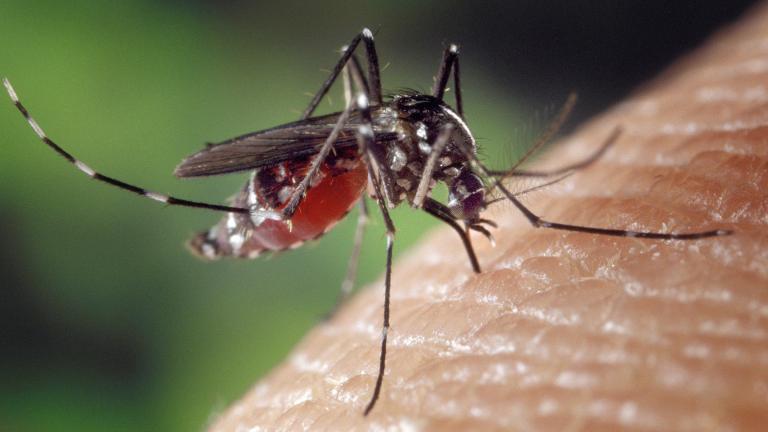
A new report from the Centers for Disease Control and Prevention finds cases of disease from mosquito, tick and flea bites tripled between 2004 and 2016 – and Illinois was among the states most affected.

Illinois has won long sought-after permission from the federal government to take a more flexible approach to treating opioid disorders, drug abuse and other behavioral health issues.

Of the nearly 9,000 Chicago children who had an asthma-related emergency room visit in 2015, 63 percent of them were African-American, according to a new study by the Respiratory Health Association.

An expert on aging talks about the possibilities and problems that come with living longer.

A massive new international study finds the health impacts of alcohol may be worse than previously thought.

When it comes to dealing with disasters, disease outbreaks and other emergencies, Illinois is among the most prepared states in the nation, according to a new report.

The adage, “early to bed early to rise makes a man healthy, wealthy and wise,” takes on new meaning thanks to research by scientists in Chicago and England.

On Chicago’s West Side, the average life expectancy is just 69 years. What one coalition of health care institutions and professionals is doing to change that.

A hypothetical male patient diagnosed with hypertension served as the starting point for a University of Chicago study on racial bias in health care in the U.S. and France.

A first-of-its-kind study from the Chicago Department of Public Health provides a population estimate of the city’s LGBT community and a snapshot of the health issues and inequities it faces.

West Garfield Park residents have a life expectancy of 69 years, compared to an average life expectancy of 85 years in the Loop. By 2030, West Side United hopes to cut that life expectancy gap in half.
Trending
Who Is Running, or Thinking About Running, to Become Chicago’s Next Mayor

Suspend CPD Officers, Sergeant Repeatedly Accused of Making Improper Traffic Stops for a Combined 330 Days: Police Brass

Johnson’s Debt Refinancing Plan Results in Just Half of What He Promised, Forcing Officials to Scramble to Fill Budget Gap

Woman Charged With Murdering 7-Year-Old Girl Threatened to Stab Store Worker Minutes Earlier: Prosecutors

Mike Ditka, the Legendary Former Chicago Bears Coach Who Led Team to a Super Bowl Win, Dies at 86

Sign up for the WTTW News newsletter