

Public Health

New statewide totals: 35,108 cases, 1,565 deaths
Gov. J.B. Pritzker says the grim milestone reached Wednesday in Illinois should not be a surprise, since the number of tests for COVID-19 conducted in the past 24 hours soared to an all-time high of 9,349.

First responders, health care workers and correctional officers are on the front lines of the pandemic, and “we owe it to them to provide a safe place to quarantine,” said Cook County Board President Toni Preckwinkle.

New statewide totals: 33,059 cases, 1,468 deaths
Gov. J.B. Pritzker says the state has secured relief options for student loan borrowers who weren’t previously covered by the federal CARES Act. The new options could benefit more than 138,000 Illinoisans, according to the governor’s office.
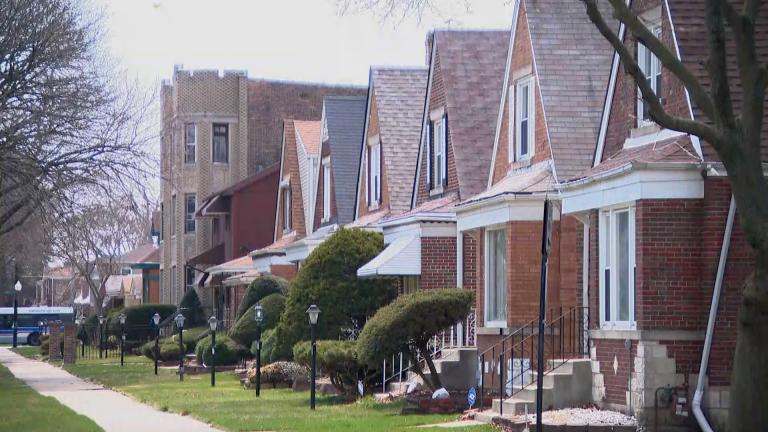
Mayor Lori Lightfoot says she expects Gov. J.B. Pritzker to extend the statewide stay-at-home order beyond April 30, which is “no longer a viable date” for that order to be lifted.
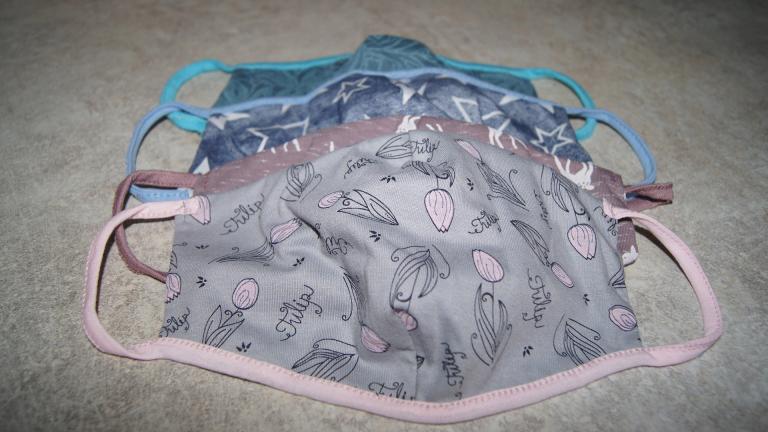
The mayor is calling on residents to make and donate cloth masks to help the city's fight against the coronavirus. Find out how you can help.
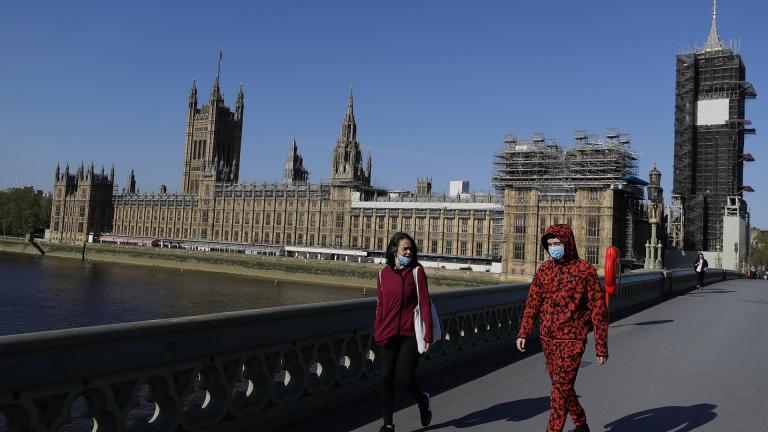
Countries across Europe and beyond — joined in the U.S. by a cascade of states — moved to gradually reopen amid warnings that acting too quickly could enable the virus to come back with a vengeance.
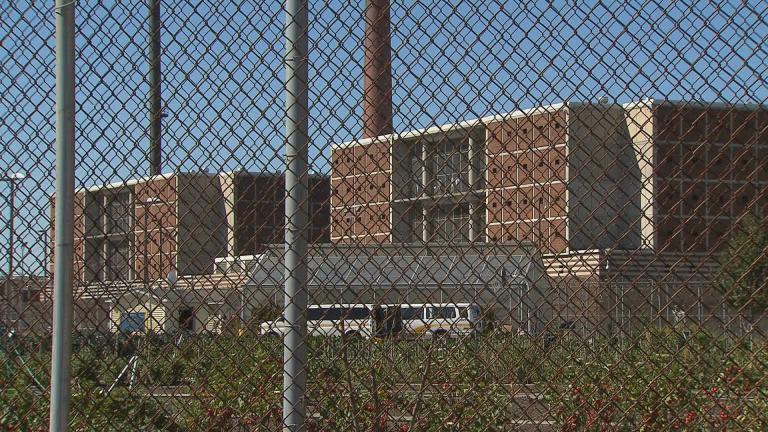
Sheriff's Office also awaiting autopsy results of second officer who died Sunday
Sheila Rivera, 47, had worked with the Cook County Sheriff’s Office since 2012. Rivera and another corrections officer died Sunday. Officials are awaiting autopsy results to see if his death was related to COVID-19.

Newly released data offers a look at the scope of the coronavirus outbreak at long-term care facilities throughout Illinois. It’s a population officials have been working to protect since the beginning of the COVID-19 pandemic.
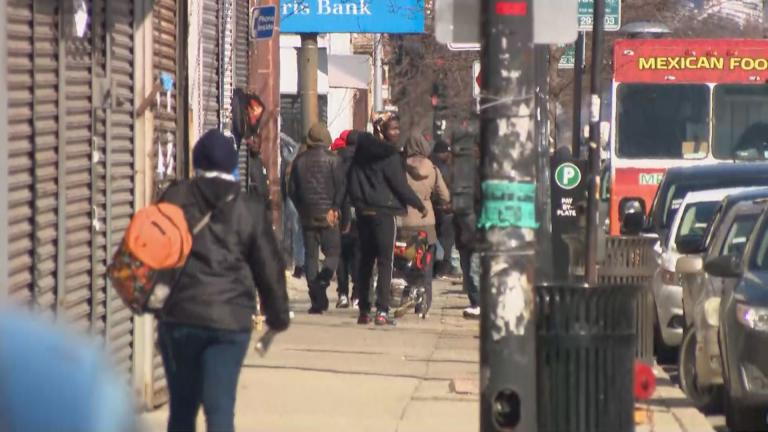
New statewide totals: 31,508 cases, 1,349 deaths
Gov. J.B. Pritzker’s stay-at-home order is set to expire April 30. And while he has yet to announce his plans for the state come May 1, he says he’s “looking at every aspect of the order” on a daily basis.
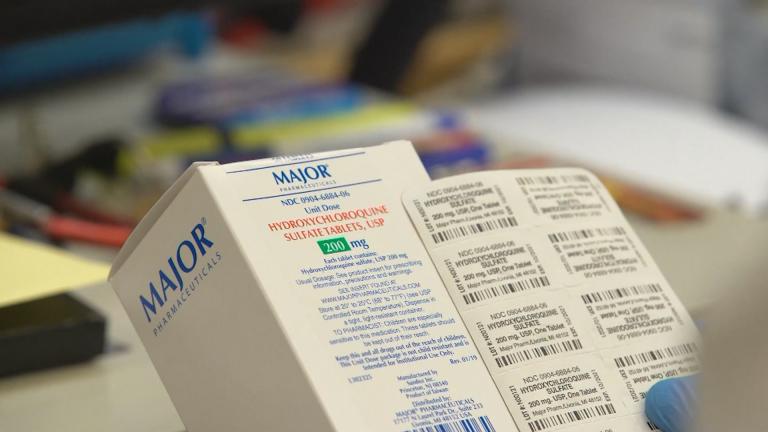

Gov. J.B. Pritkzer says he recognizes that hydroxychloroquine “is being overused without a lot of testing to back it up,” but he will not interfere with doctors prescribing the drug.

Masks are now mandatory in a handful of states, but Gov. J.B. Pritzker has not yet followed suit in Illinois. He does, however, recommend that shoppers should “absolutely” wipe down anything they buy from stores.
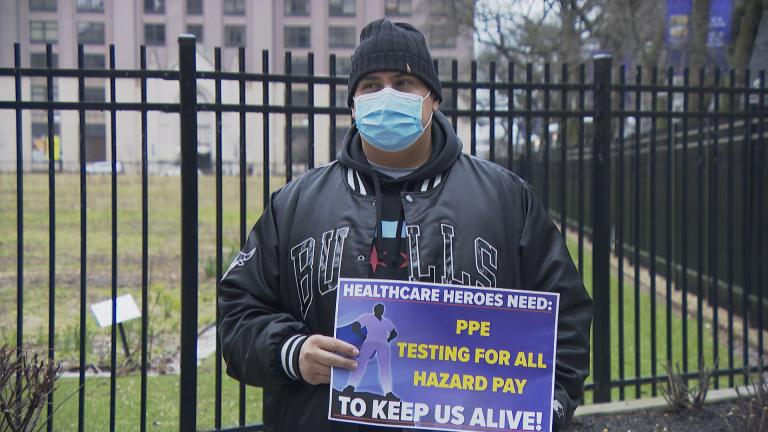
New statewide totals: 30,357 cases, 1,290 deaths
Illinois is set to receive a shipment of personal protective equipment from China, Gov. J.B. Pritzker announced Sunday as cases of the coronavirus across the state grew to 30,357, with 1,290 total deaths.
The new coronavirus is causing fatalities in Illinois nursing homes, and data made publicly available on Sunday begins to provide insight into how many deaths are occurring, and where.
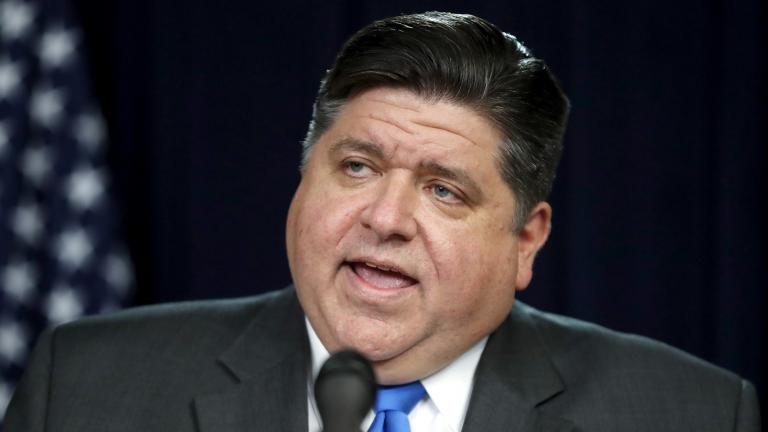
New statewide totals: 29,160 cases, 1,259 deaths
The program has so far been available only in central and southern Illinois. Its expansion comes as the state saw an increase of 1,585 COVID-19 cases and 125 deaths on Saturday.
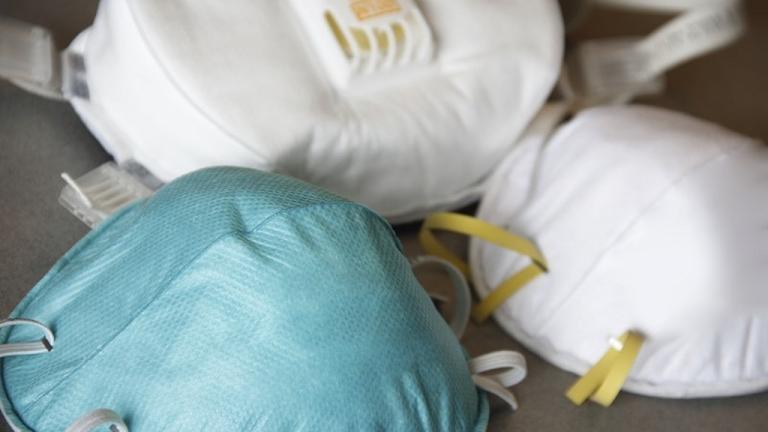
If you venture out despite Illinois’ stay-at-home order – to go to work, to buy groceries, maybe to take a walk – you generally won’t get in trouble for not wearing a mask, though it is encouraged. But in some pockets of Illinois, it’s mandatory.
New statewide totals: 27,575 cases, 1,134 deaths
“The science says our students can’t go back to their normal routine,” Gov. J.B. Pritzker said during his daily press conference Friday.
Trending
Who Is Running, or Thinking About Running, to Become Chicago’s Next Mayor

Suspend CPD Officers, Sergeant Repeatedly Accused of Making Improper Traffic Stops for a Combined 330 Days: Police Brass

Johnson’s Debt Refinancing Plan Results in Just Half of What He Promised, Forcing Officials to Scramble to Fill Budget Gap

Hilario Dominguez, Candidate for CPS Board President, Defends Conduct as Watchdog Reopens Probe Into Inappropriate Behavior Allegations

No Tax Hikes or Layoffs Needed to Close Cook County’s $550M Gap Thanks to ‘Budget Magic’: Preckwinkle

Sign up for the WTTW News newsletter