

Opioids
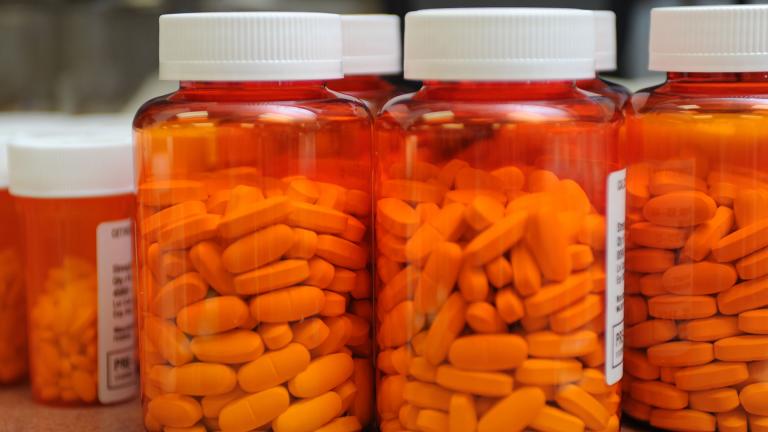
A yearslong investigation by the Washington Post offers a state-by-state snapshot of the opioid crisis. What the data says about Illinois – and what the state is doing to fight back.

Hundreds of researchers, community organizations, policymakers, health care professionals and students gathered Monday at Malcom X College to discuss mental health, gun violence, the opioid epidemic and other topics.
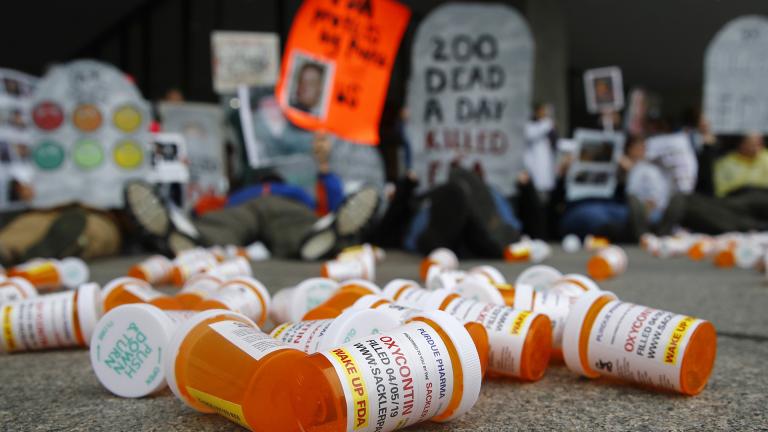
The Centers for Disease Control and Prevention on Wednesday posted data showing nearly 68,000 drug overdose deaths were reported last year. Overdose deaths had been climbing each year since 1990, topping 70,000 in 2017.

People who inject drugs typically aren’t part of traditional advocacy because of risks associated with going public. But a local research project allows them to share their experiences without the fear of potential repercussions.

A new study shoots down the notion that medical marijuana laws can prevent opioid overdose deaths, challenging a favorite talking point of legal pot advocates.
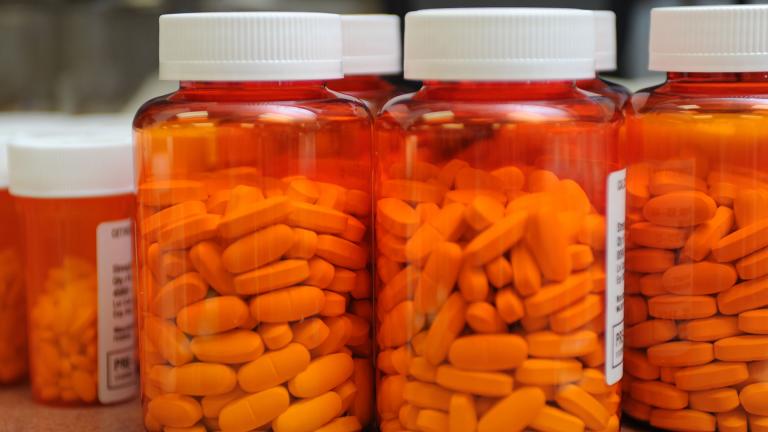
Prosecutors say Mohammed Shariff, who illegally dispensed hundreds of thousands of opioid pills, “showed an abject disregard of patients and perverted his companies into engines of unlawful profit.”
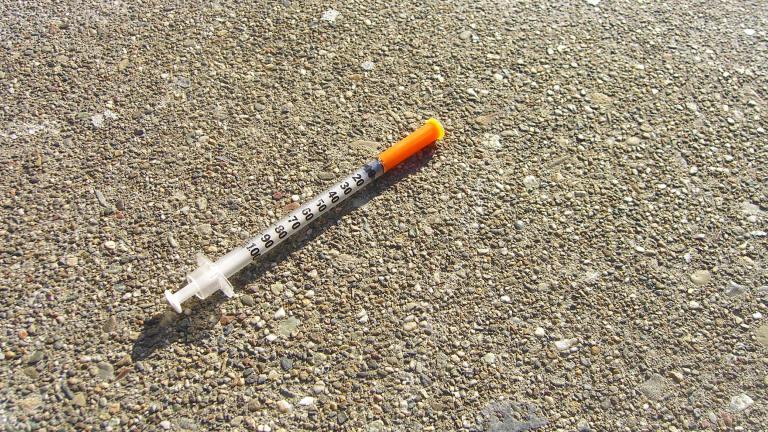
A new bill aims to fix the state’s “ambiguous” law over syringe exchange programs. Public support for such programs remains low, but advocates say they can offer critical help to those in need.
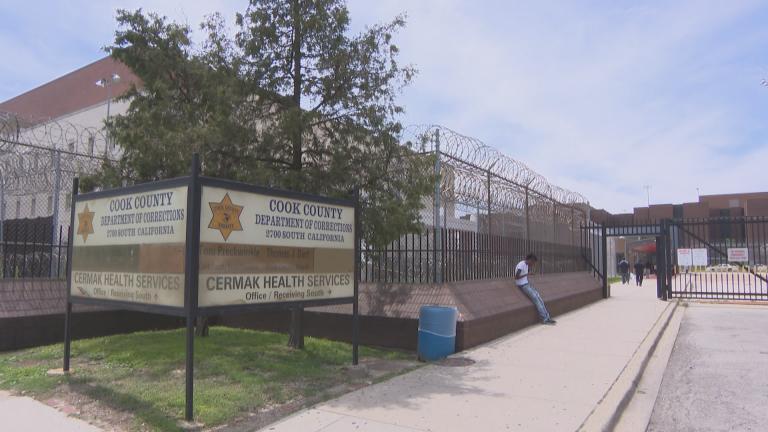
Last year, about 5,400 detainees at Cook County Jail received treatment for opioid use – an average of 375-400 each month. The county will be able to expand its services for opioid use disorder, thanks to a new grant.
Clean out your medicine cabinet and safely dispose of unused prescriptions during a biannual event that’s collected more than 9 million pounds of pills since its 2010 launch.
The U.S. Substance Abuse and Mental Health Services Administration is awarding Illinois $15 million to continue combating the opioid crisis across the state through prevention, treatment and recovery efforts.
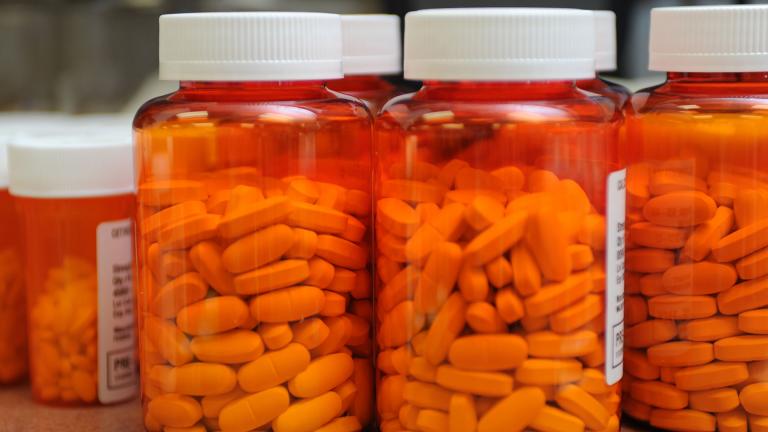
A Connecticut-based opioid pharmaceutical manufacturer used deceptive marketing practices to increase prescriptions for its painkillers, according to a lawsuit filed by Illinois Attorney General Kwame Raoul.
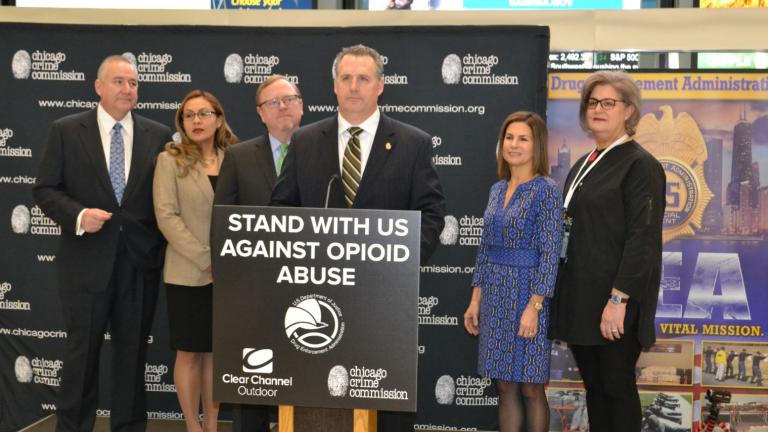
As part of its ongoing efforts to combat the opioid epidemic, the Drug Enforcement Agency announced Thursday it’s launching a yearlong digital billboard campaign across the Chicago area.
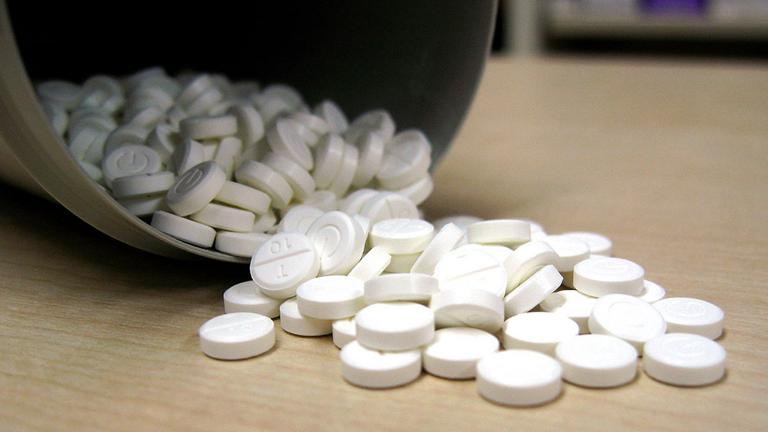
Qualified clinicians can receive up to $75,000 in student loan repayment through a new federal program. In exchange, they must serve three years on the front lines of the opioid crisis in underserved communities.

In Illinois, medical marijuana can now be used as a painkiller to replace opioids. We hear from a co-sponsor of the new law.
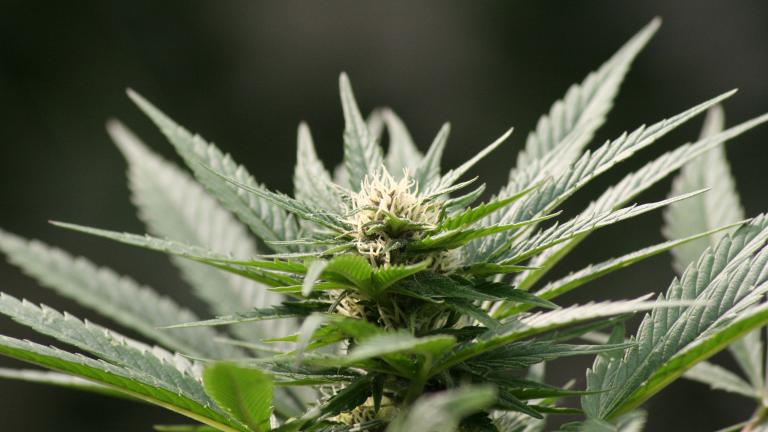
In the wake of a new study showing Americans are more likely to die from an opioid overdose than from a car crash, Illinois is trying a new approach to curb opioid addiction: medical marijuana.
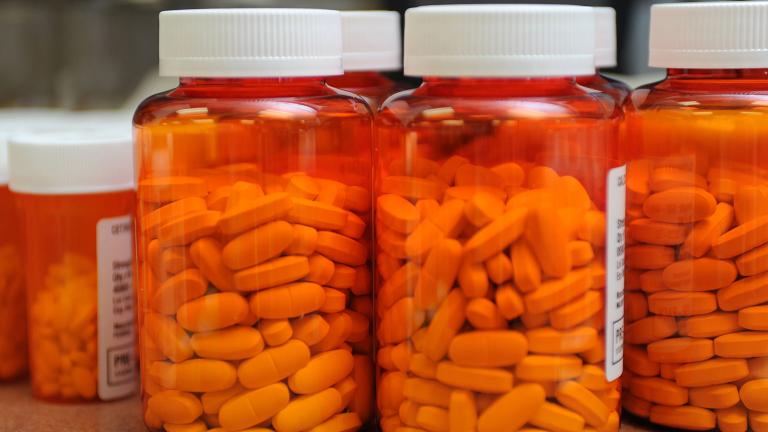
The odds of dying from an opioid overdose are one in 96, while the odds of dying from a motor vehicle crash are one in 103, according to a new analysis by the National Safety Council.
Trending
A CTA Bus Driver Was Attacked on the Job. She Was Later Fired While on Leave

Cost to Resolve Lawsuits Tied to Disgraced Ex-CPD Detective Reynaldo Guevara Tops $473M, With 25 Lawsuits Pending

Pritzker, Bailey Square Off in Contentious Discussion Over Taxes, Trump and Bears

Top Cop Agrees to Fire Chicago Police Officer Who Repeatedly Used Racial Slurs: Records

Changes Are Coming to CTA, Metra and Pace. Hear From the Leaders of Their New Oversight Agency

Sign up for the WTTW News newsletter