

National Weather Service

The heat will be particularly worrisome this weekend across wide stretches of Nebraska, Illinois, Wisconsin and Iowa, where forecasters are warning of extreme temperature impacts.
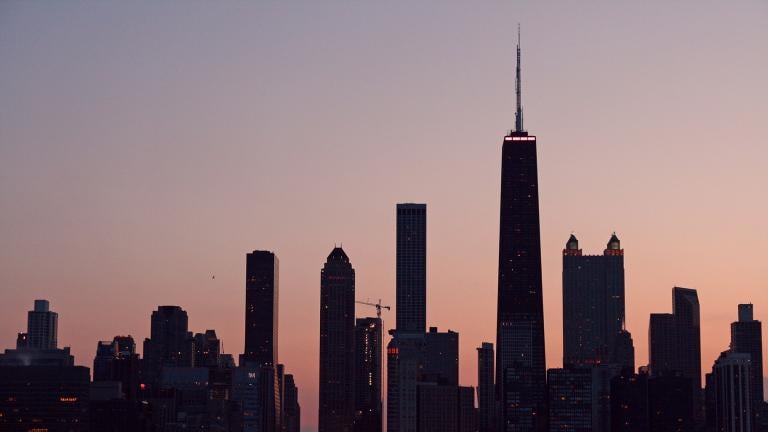
Spring Ended on a Chilly and Dry Note, With Drought Expected to Persist as Chicago Heads Into Summer
Meteorological summer in Chicago is kicking off with a mini heatwave, following a chilly and dry end to spring.
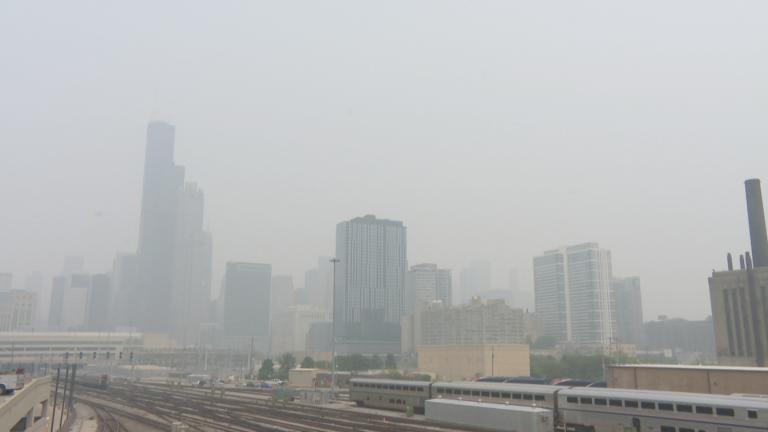
Wildfires are burning out of control in central Canada, and the smoke is drifting toward Chicago.
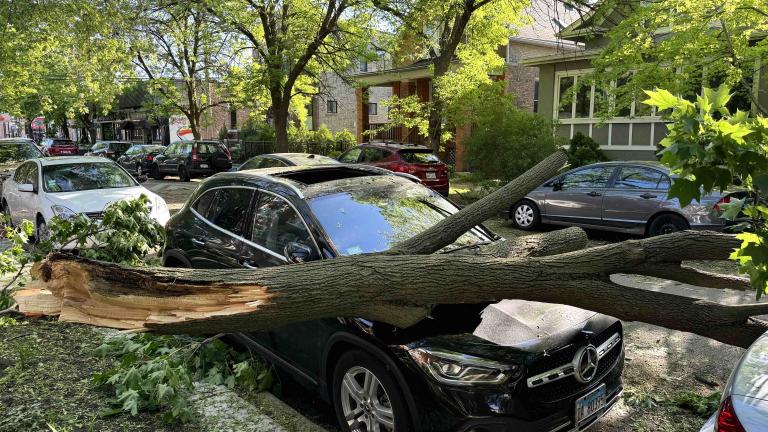
Chicago is cleaning up Friday after powerful thunderstorms tore through the city Thursday evening, bringing down hundreds of trees, leaving some without power, and even delaying the most highly anticipated concert event of the year.
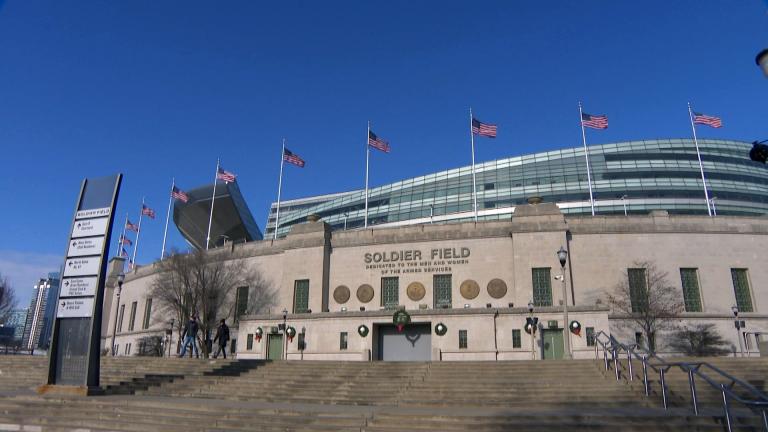
The National Weather Service is warning of a threat for “significant severe weather” Thursday afternoon into the evening. Beyoncé's Cowboy Carter tour kicks off a three-night stand at Soldier Field Thursday night.

The wave of early retirements, firings of probationary workers and other Trump administration incentives for federal employees to leave government service led to more than 560 departures from the NWS, according to a NOAA employee who requested anonymity for fear of retribution.
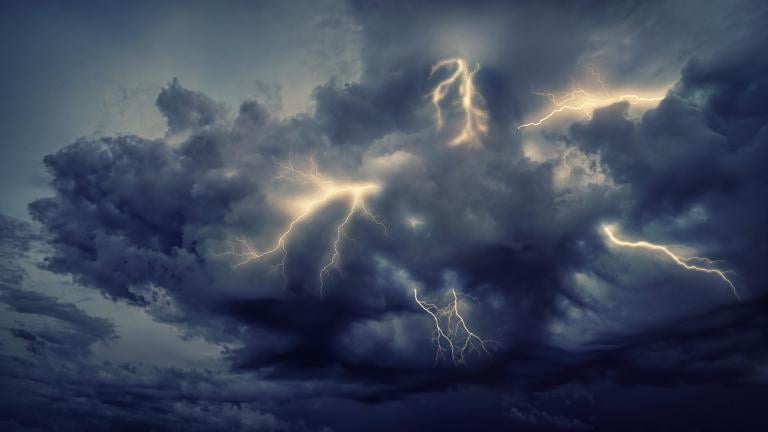
Waves of rainstorms are expected to move through Chicago Wednesday, prompting an “overflow action day” alert from the Metropolitan Water Reclamation District.
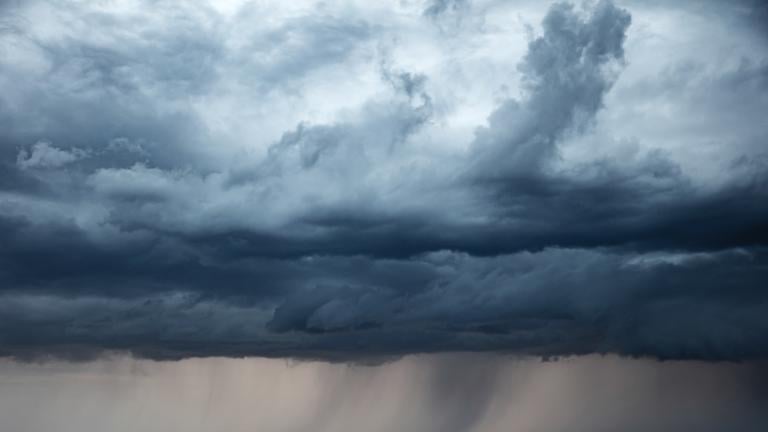
On Wednesday and Thursday, the forecast for Chicago includes a chance of almost anything and everything: rain, thunderstorms, wind and even snow.
A high wind warning is in effect for Chicago through noon on Saturday, with the potential to bring down trees and power lines, according to the National Weather Service.
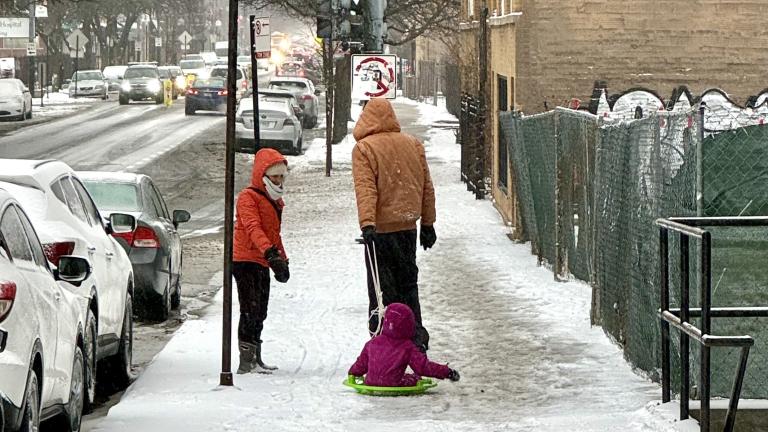
From December 2024 through February 2025, Chicago notched less than a foot of snow.
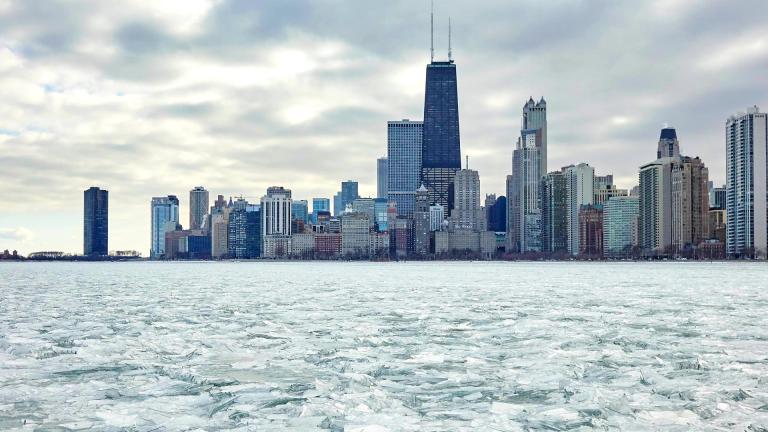
Sub-zero wind chills will be the norm until Friday.
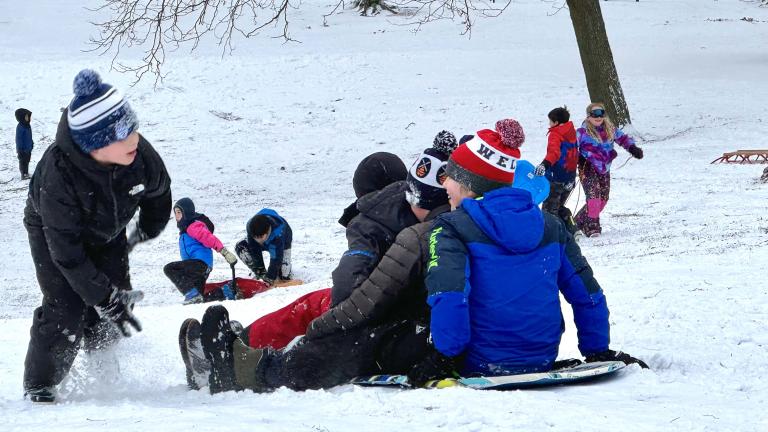
A band of dry air crashed Chicago's snowstorm party Wednesday.
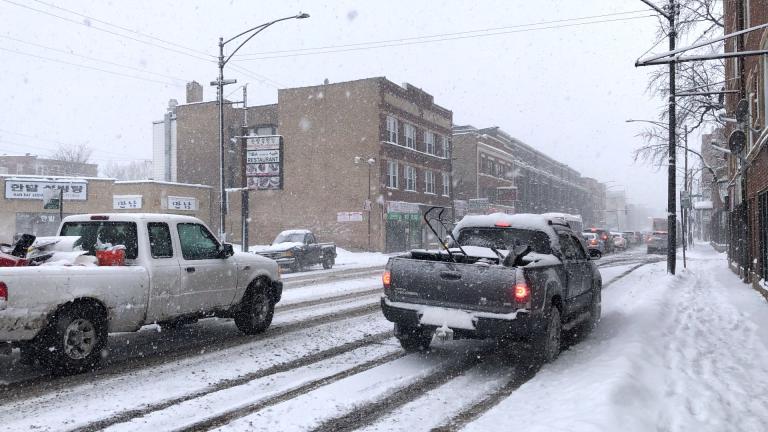
The National Weather Service has issued a winter weather advisory for the Chicago area and much of northern Illinois from 9 a.m. Wednesday to 3 a.m. Thursday.
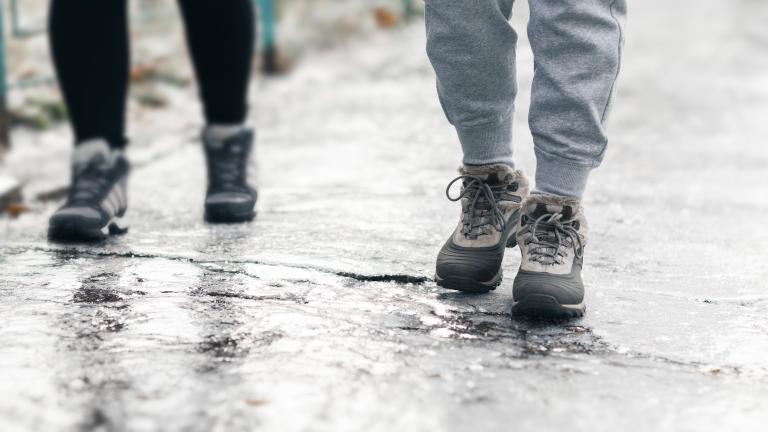
Freezing mist and drizzle could turn sidewalks into treacherous sheets of ice on Saturday, the National Weather Service said.
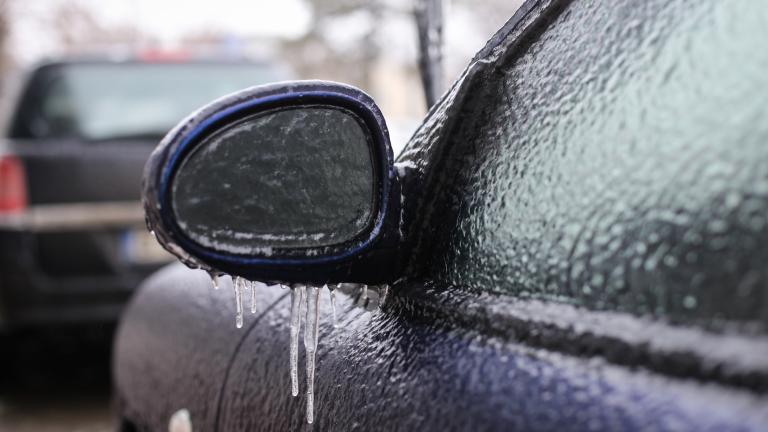
The National Weather Service has issued a winter weather advisory for Wednesday evening through Thursday morning.
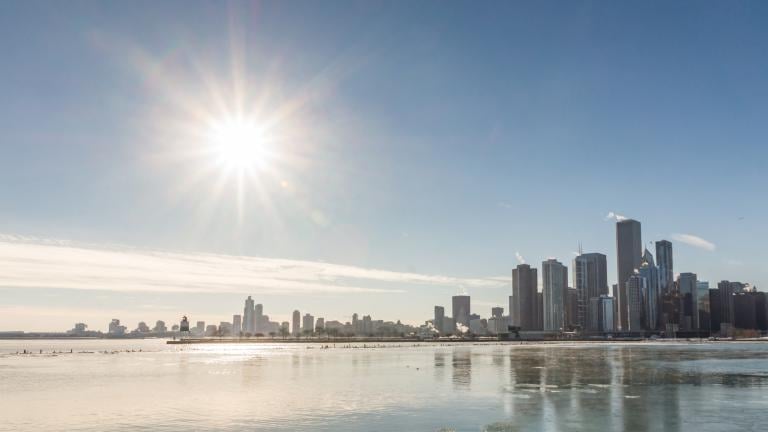
If there were snow pack on the ground, Tuesday's temperatures could be closer to approaching record lows.
Trending
2026 Chicago Festival Guide

Interim NITA Director Earning $350K Salary While Also Collecting $213K Annual City Pension, Records Show

Firm Set to Buy Chicago’s Parking Meters Sells Airline That Carried Out Deportations

Chicago Woman Accused of Social Security Fraud After Hiding Mother’s Body in Freezer for 2 Years

Early Voting for November General Election Kicks Off in Downtown Chicago

Sign up for the WTTW News newsletter