

Jobs
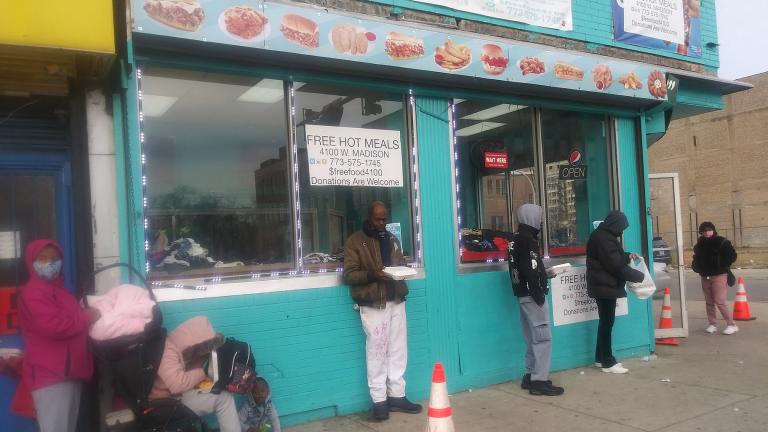
Growing up in a family of 19 children, Jermaine Jordan learned both how to cook and to share. Today, he’s using those skills on a much larger scale at Healthy Hot Free Meals, a restaurant he opened in October.
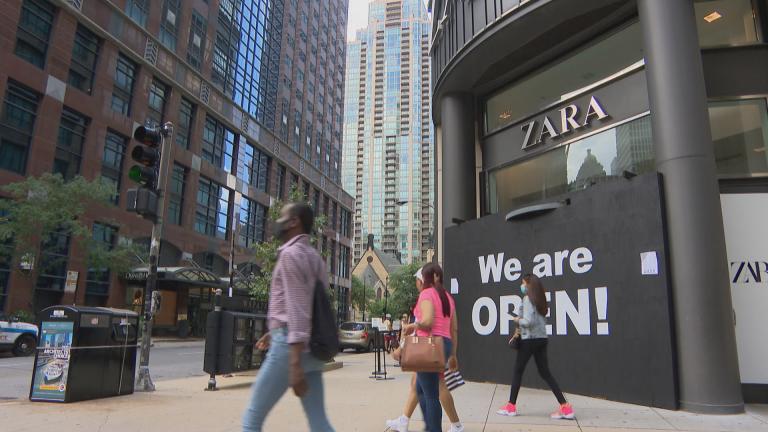

After an unprecedented year, we take a hard look at the pandemic-ravaged economy, as businesses gear up for the all-important holiday retail season.
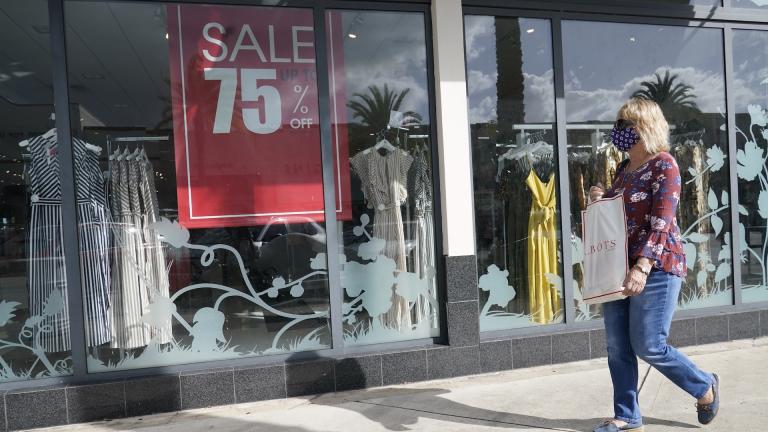
In normal times, Black Friday is the busiest shopping day of the year. But these are not normal times: The economy is tanking and crowds are expected to be dramatically diminished as coronavirus cases spike and shoppers do more of their purchases online.
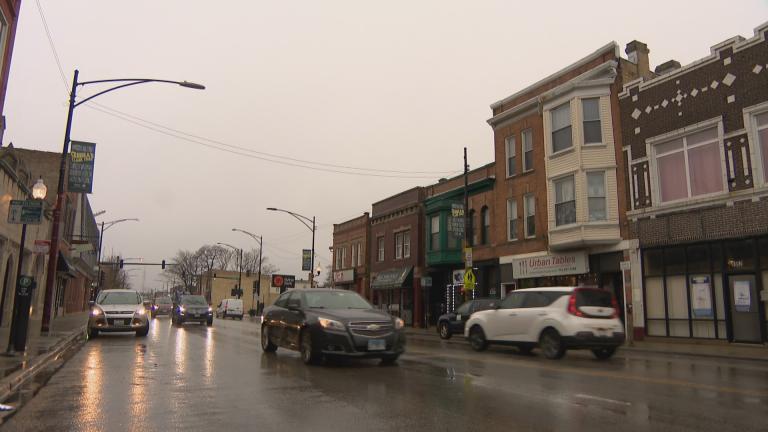
Chicago’s northernmost neighborhood has reported 5,000 confirmed COVID-19 cases. The pandemic and rising case counts have heightened food insecurity across Chicago, and Rogers Park has been anything but immune.

With loan and grant money starting to run dry for some businesses—and what’s likely to be a difficult winter fast approaching—we check in with some familiar faces to ask how they’re coping with the coronavirus.
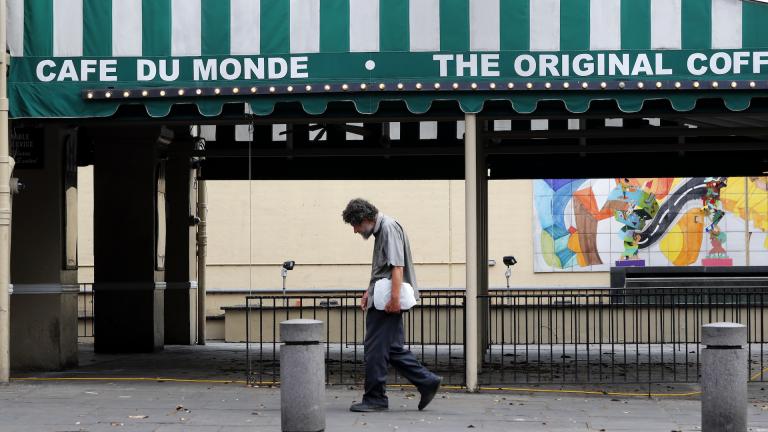
Before the virus struck hard in mid-March, weekly claims typically amounted to roughly 225,000. They shot up to 6.9 million during one week in March before dropping, yet remain historically high more than eight months later.
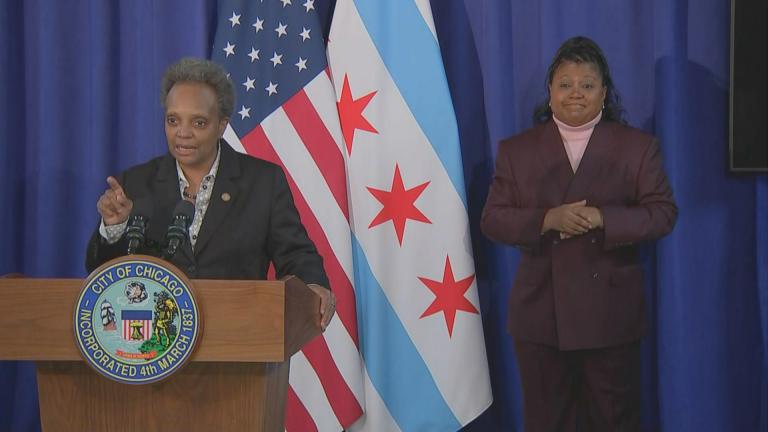
The budget passed despite opposition from two main groups of aldermen: those who represent wards where a property tax hike of $93.9 million will hit hardest and aldermen who favored deep cuts to the police budget.
Ahead of Tuesday’s vote, Mayor Lori Lightfoot is urging aldermen to support the plan she crafted to close a $1.2 billion budget deficit in 2021. Four aldermen sound off the plan.

A newly released five-year plan to invest in Chicago’s roads, bridges, bikeways and other infrastructure needs is a welcome shift away from short-term, less comprehensive projects, some analysts and city officials say.
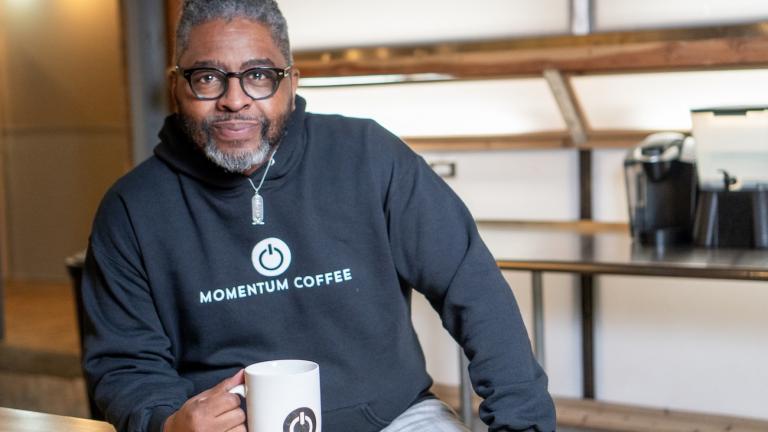
“Black Friday has been around for a long time, but what has been missing is the Blackness,” said the creators of the program, which encourages people to support Black-owned businesses in Chicago this holiday season.
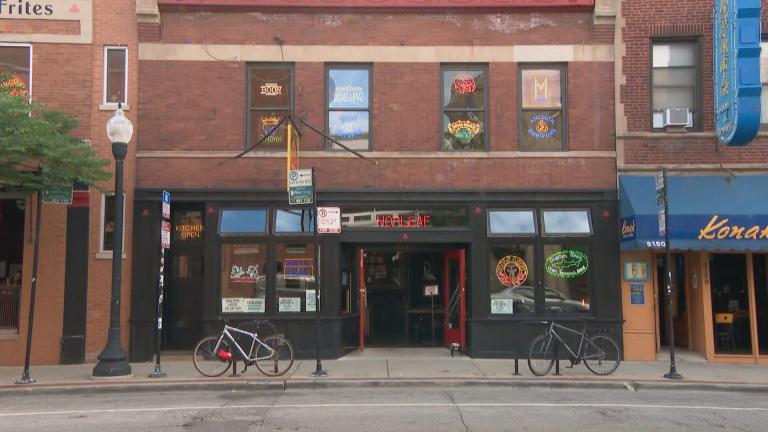
It’s been a solid eight months since government leaders in Chicago and Illinois began asking residents to limit their activities due to the coronavirus. A new round of that took effect in the city on Monday.

Since February, nearly 2.2 million women have left the workforce, according to the National Women’s Law Center. What’s behind what some have dubbed the “she-cession” — and what are the long-term implications of the exodus?

Starting a business during a pandemic sounds like a gamble, but it’s one that some intrepid entrepreneurs are willing to take. How they have adjusted their plans — and are moving forward.
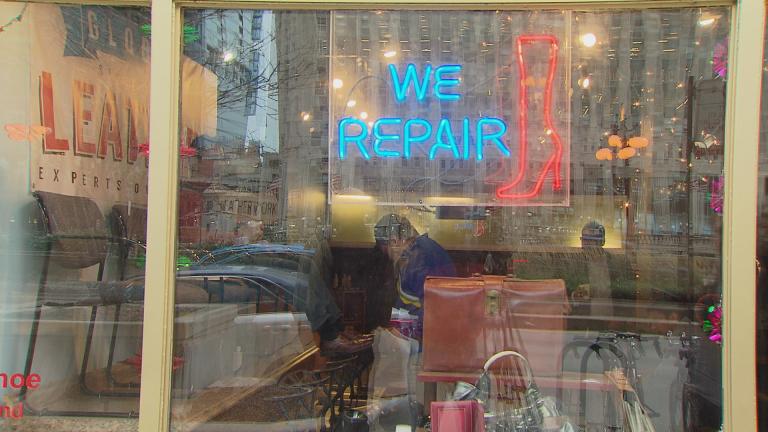
A cobbler in his mid-80s inspires a shoe repair dynasty that spans three generations.
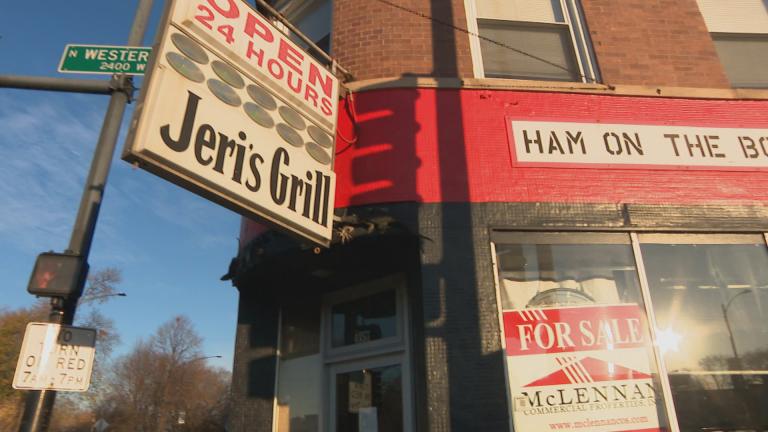
Chicago officials say they’re trying to help small businesses survive what appears will be — as President-elect Joe Biden put it — a very dark winter.
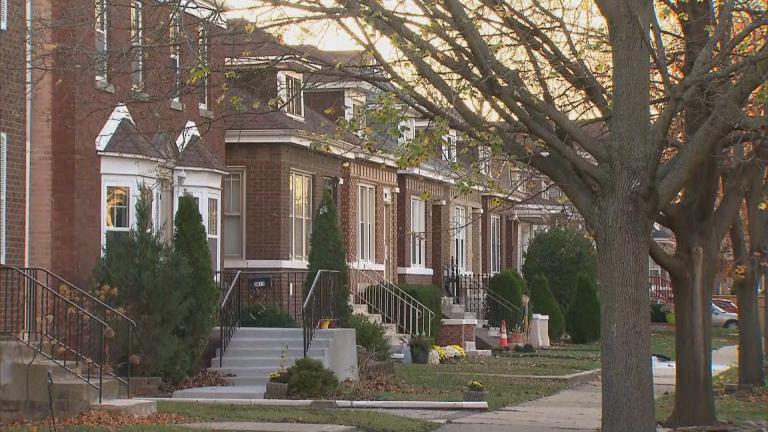
A 25-minute drive southwest of the Loop, the West Lawn community is home to many essential workers and has one of the highest rates of COVID-19 in the city.
Trending
Suspend 4 CPD Officers Who Stopped, Shot Dexter Reed for Violating Rights of 4th Driver: Former Top Cop

CPD Officer Who Shoved Woman Who Called 911 After Her Boyfriend Beat Her Won’t Be Fired: Records

CPD Opens Misconduct Probe Into Members’ Use of License Plate Readers

Johnson Makes Bid for Chicago Mayor Official By Filing Thousands of Signatures

Mendoza, Cardenas, Pappas Among Last to File Signatures Ahead of Chicago’s February Mayoral Election

Sign up for the WTTW News newsletter