

George Floyd
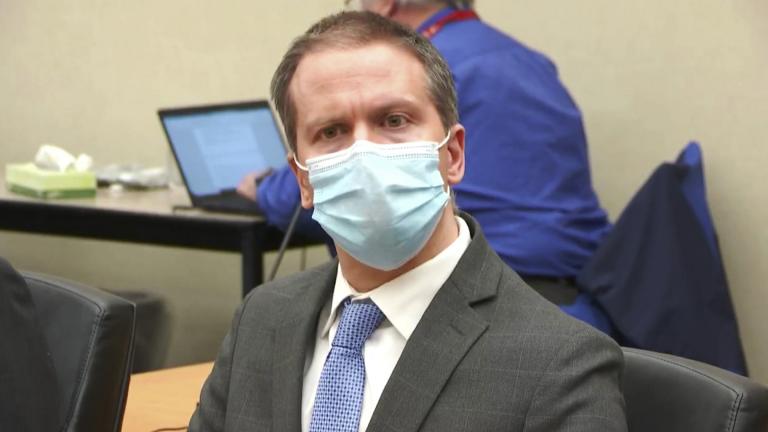

Former Minneapolis Officer Derek Chauvin was convicted Tuesday of murder and manslaughter for pinning George Floyd to the pavement with his knee on the Black man’s neck in a case that triggered worldwide protests, violence and a furious reexamination of racism and policing in the U.S.
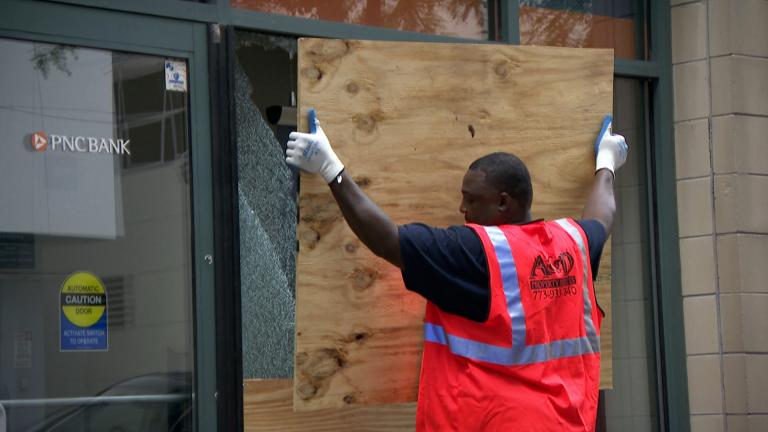
Four aldermen say the guilty verdicts will likely avert large protests and civil unrest in Chicago — while acknowledging they have much more work to do to reform the Chicago Police Department, particularly in the wake of the police shooting death of 13-year-old Adam Toledo.
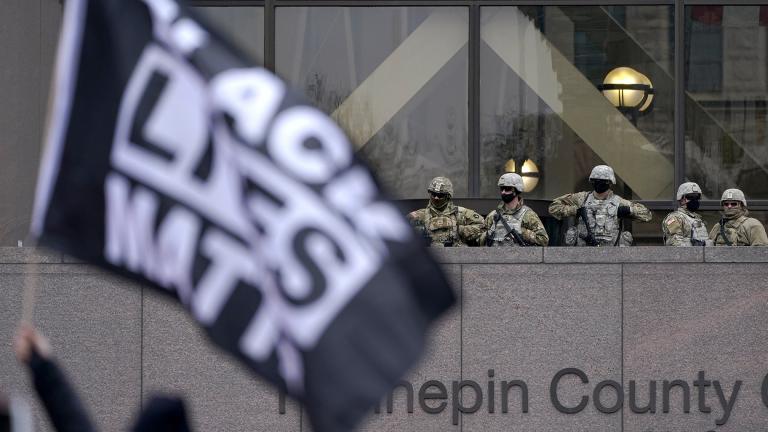
More than 3,000 National Guard soldiers, along with police officers, state police, sheriffs deputies and other law enforcement personnel have flooded the Minnesota city in recent days. It leaves many wondering: How much is too much?
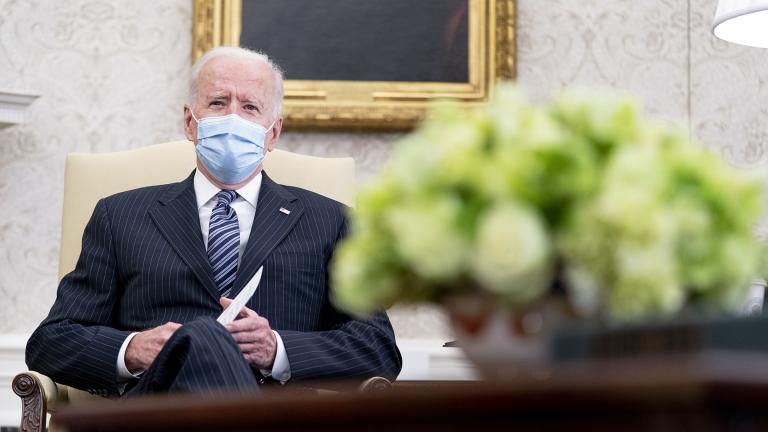
President Joe Biden said Tuesday that he is “praying the verdict is the right verdict” in the trial of former Minneapolis Police Officer Derek Chauvin and that he believed the case, which has gone to the jury and put the nation on edge, to be “overwhelming.”
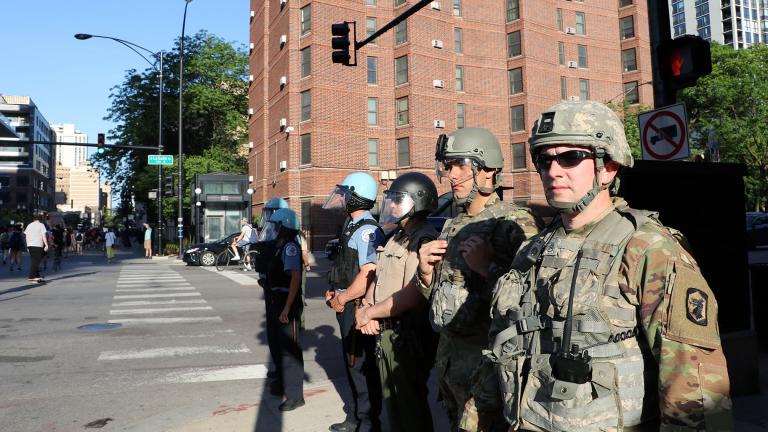
Chicago is prepared to handle protests and unrest that might be triggered by the verdict in the trial of Derek Chauvin, the former Minneapolis police officer charged with murder in the death of George Floyd, Mayor Lori Lightfoot said Tuesday. “Don’t test us, because we are ready,” she said.
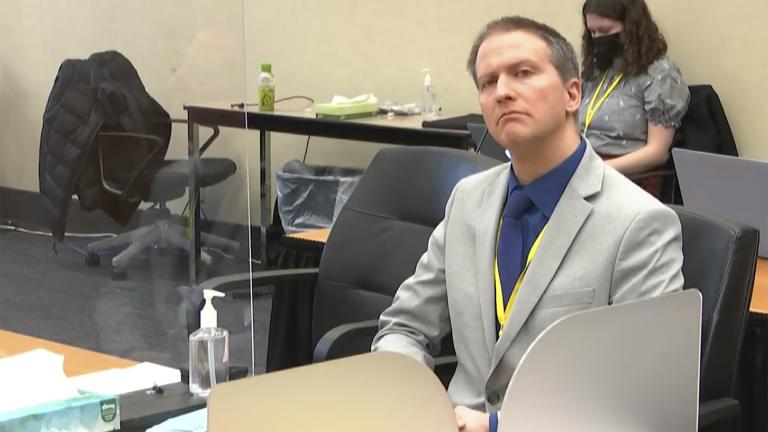
The murder case against former Officer Derek Chauvin in the death of George Floyd went to the jury Monday in a city on edge against another round of unrest like the one that erupted last year over the harrowing video of Chauvin with his knee on the Black man’s neck.
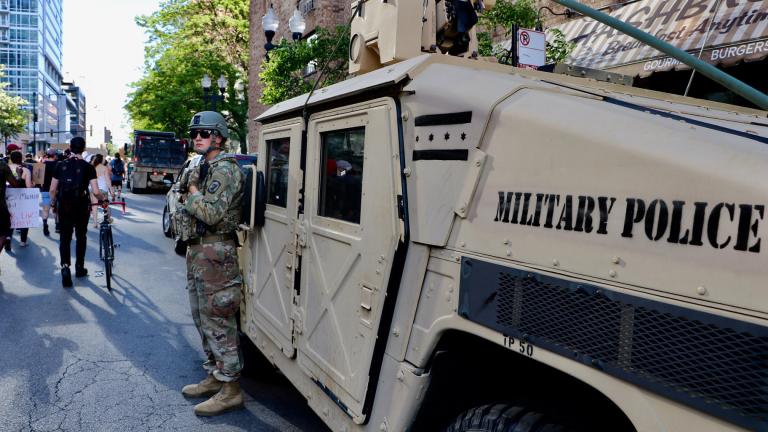
Gov. J.B. Pritzker announced he has activated the Illinois National Guard at the request of Mayor Lori Lightfoot “to support the Chicago Police Department with a verdict expected in the trial of Derek Chauvin,” the former Minneapolis police officer charged in connection with the death of George Floyd.
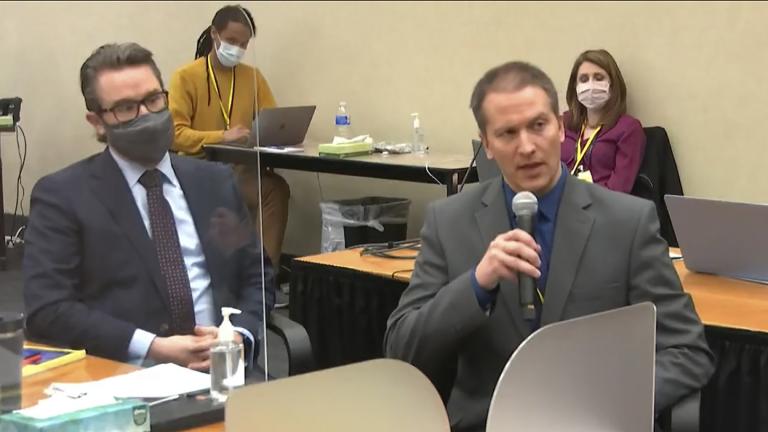
The defense at the murder trial of former Officer Derek Chauvin in the death of George Floyd rested its case Thursday without putting Chauvin on the stand, presenting a total of two days of testimony to the prosecution’s two weeks.
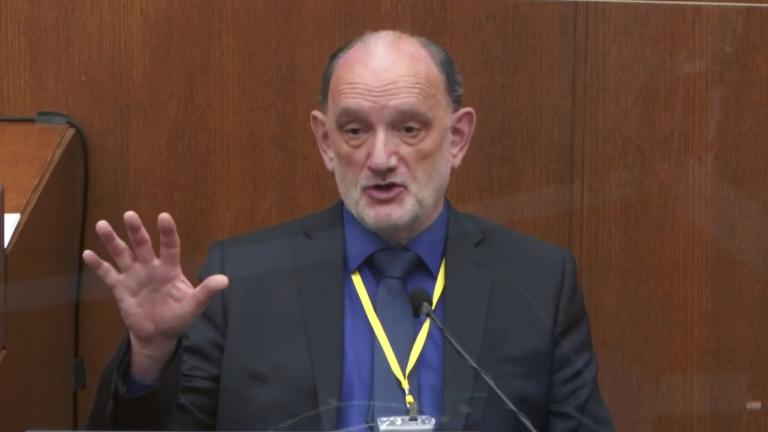
George Floyd died of a sudden heart rhythm disturbance as a result of his heart disease, a forensic pathologist testified for the defense Wednesday at former Officer Derek Chauvin’s murder trial, contradicting experts who said Floyd succumbed to a lack of oxygen from the way he was pinned down.
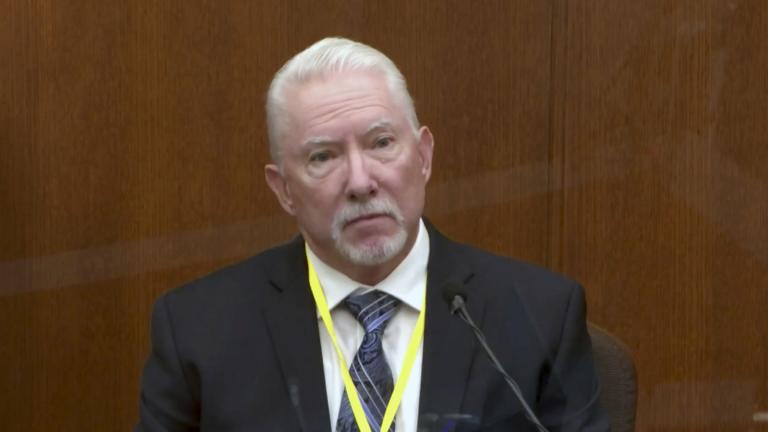
Defense Begins Case in Ex-Cop’s Trial Over Floyd’s Death
Former Officer Derek Chauvin was justified in pinning George Floyd to the ground because he kept struggling, a use-of-force expert testified for the defense Tuesday, contradicting a parade of authorities from both inside and outside the Minneapolis Police Department.
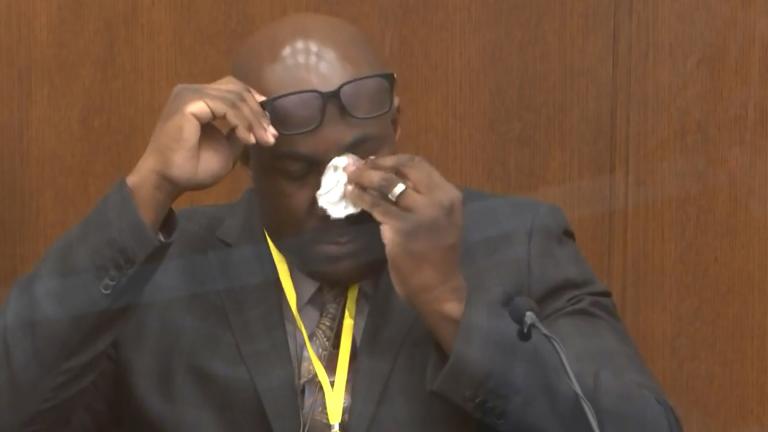
Prosecutors’ case against former Officer Derek Chauvin drew toward a close Monday with tender memories from George Floyd’s younger brother, along with another look at the harrowing video and testimony from a use-of-force expert who said no “reasonable” officer would have done what Chauvin did.
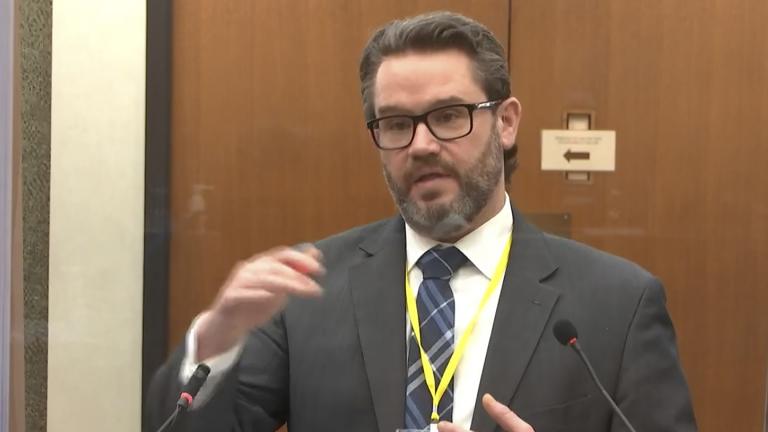
Derek Chauvin’s defense attorney appears to be making a series of moves aimed at undermining a dominant narrative of George Floyd’s death — established through bystander video — of a reckless, arrogant cop ignoring a man’s “I can’t breathe” cries as his life is snuffed out.
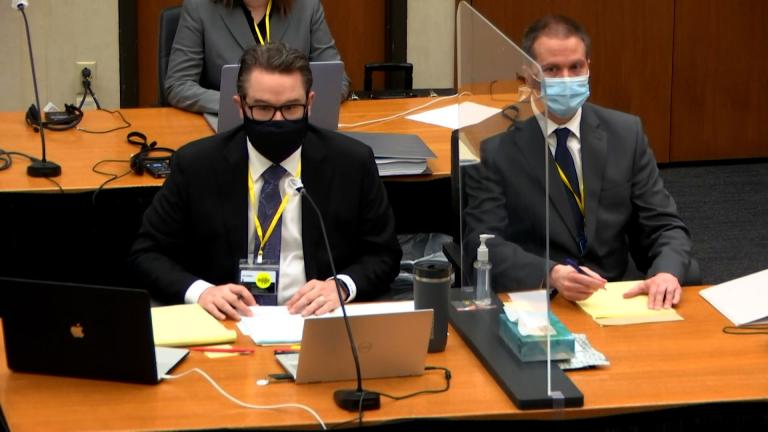
Hennepin County Chief Medical Examiner Dr. Andrew Baker’s testimony could be crucial, as Baker ruled Floyd’s death last May a homicide and identified the cause as “cardiopulmonary arrest” that occurred during “law enforcement subdual, restraint, and neck compression.”
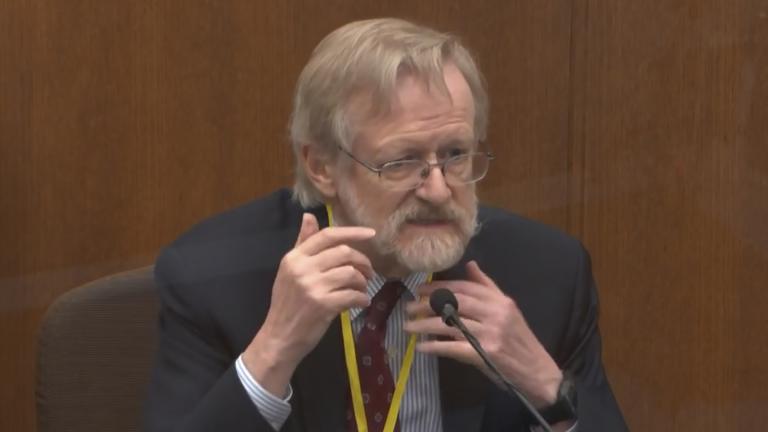
George Floyd died of a lack of oxygen from being pinned to the pavement with a knee on his neck, medical experts testified at former Officer Derek Chauvin’s murder trial Thursday, emphatically rejecting the defense theory that Floyd’s drug use and underlying health problems killed him.
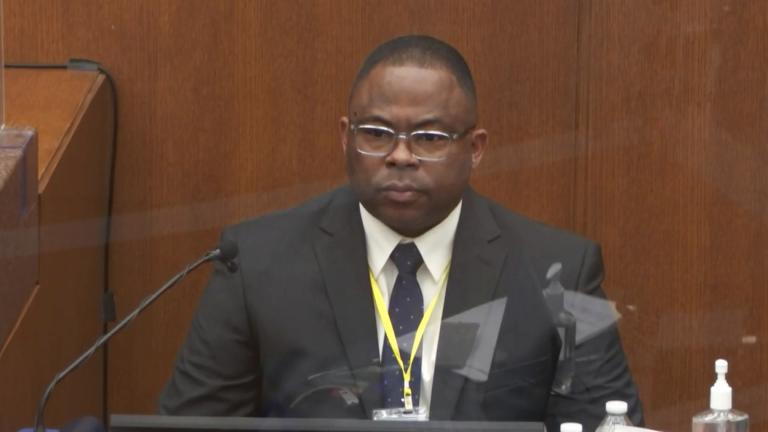
Officer Derek Chauvin had his knee on George Floyd’s neck — and was bearing down with most of his weight — the entire 9 1/2 minutes the Black man lay facedown with his hands cuffed behind his back, a use-of-force expert testified Wednesday at Chauvin’s murder trial.
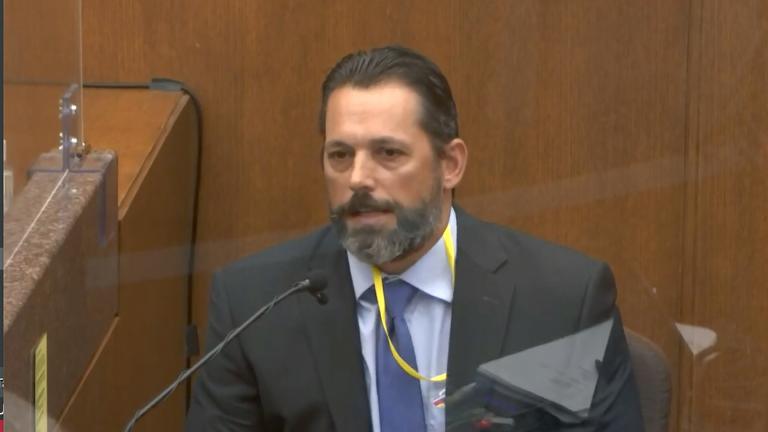
Minneapolis police are taught to restrain combative suspects with a knee on their back or shoulders if necessary but are told to “stay away from the neck when possible,” a department use-of-force instructor testified Tuesday at former Officer Derek Chauvin’s murder trial.
Trending
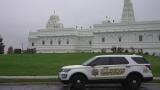
Car Registered to Man Accused of Planning Mass Shooting Was at Hindu Temple He Targeted, Police Say
CPD Agrees to Fire 7 More Officers Who Lied to Get COVID-19 Relief Loans, CDOT Employees Also Targeted: Watchdog

Former Chicago Board of Ethics Deputy Director Should Be Fired After She Drove Drunk, Caused Crashes, Battered Bystander: Watchdog

Jamie Dimon, CEO of JP Morgan Chase, on Chicago Investments, Competitive Cities and a Corporate Head Tax

Board President Candidate Hilario Dominguez Says CPS Watchdog Closed Investigation, No ‘Actionable Finding of Sexual Misconduct’

Sign up for the WTTW News newsletter