

George Floyd
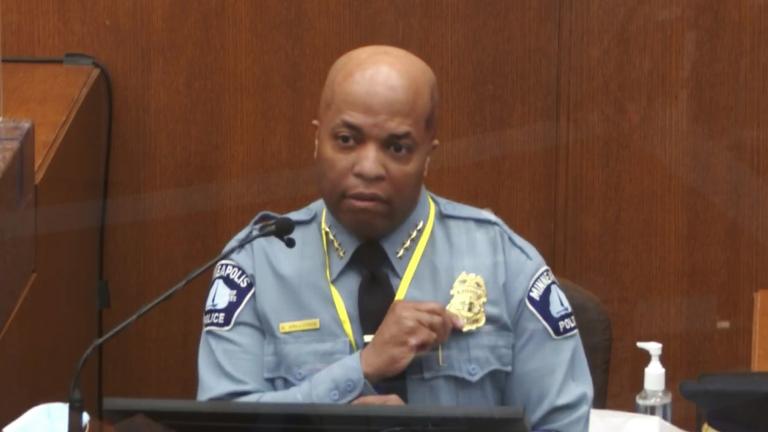
The Minneapolis police chief testified Monday that now-fired Officer Derek Chauvin violated departmental policy — and went against “our principles and the values that we have” — in pressing his knee on George Floyd’s neck and keeping him down after Floyd had stopped resisting and was in distress.
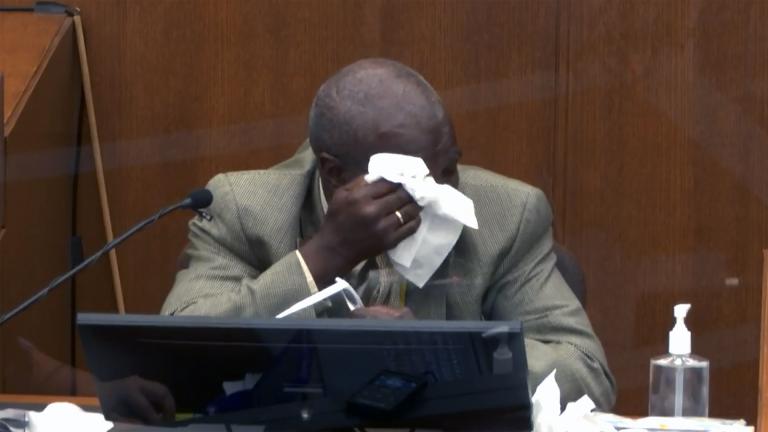
The televised trial of Derek Chauvin, the former white police officer charged in the death of George Floyd, has provoked strong emotions among many Black men and women — all tinged with an underlying dread that it could yield yet another devastating disappointment.
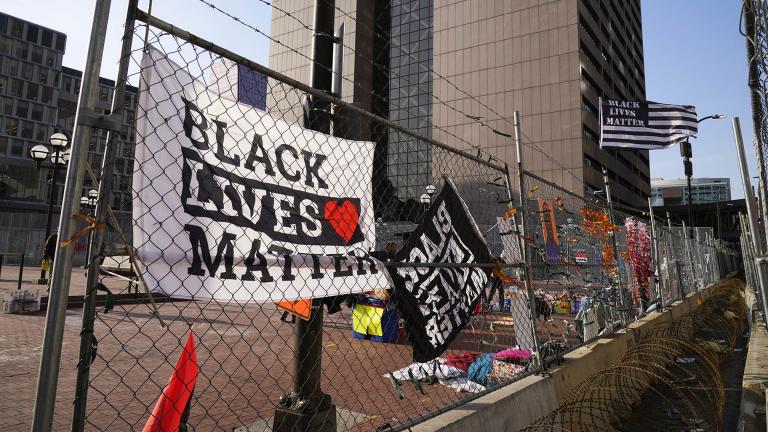
Kneeling on George Floyd’s neck while he was handcuffed and lying on his stomach was top-tier, deadly force and “totally unnecessary,” the head of the Minneapolis Police Department’s homicide division testified Friday.
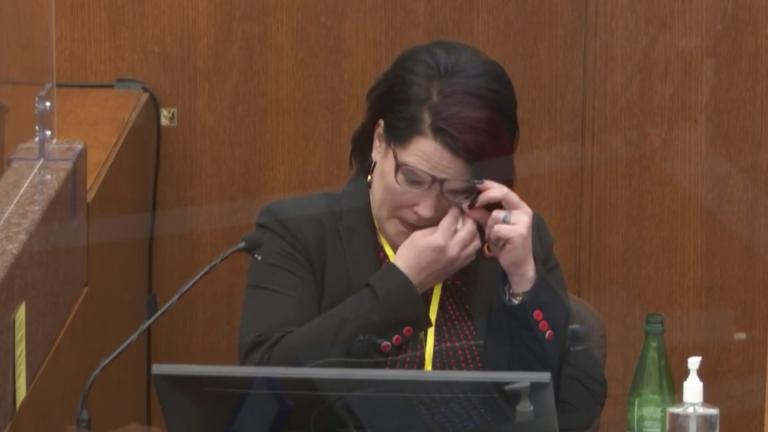
George Floyd’s girlfriend tearfully told a jury Thursday the story of how they met — at a Salvation Army shelter where he was a security guard with “this great, deep Southern voice, raspy” — and how they both struggled mightily with an addiction to opioids.
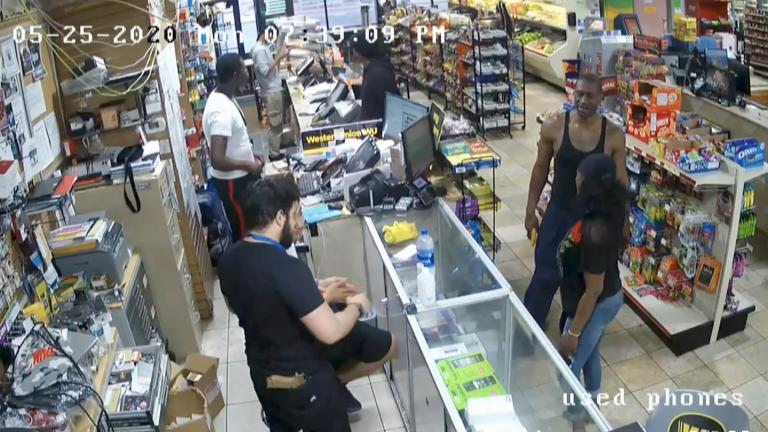
After the ambulance took George Floyd away, the Minneapolis officer who had pinned his knee on the Black man’s neck defended himself to a bystander by saying Floyd was “a sizable guy” and “probably on something,” according to police video played in court Wednesday.
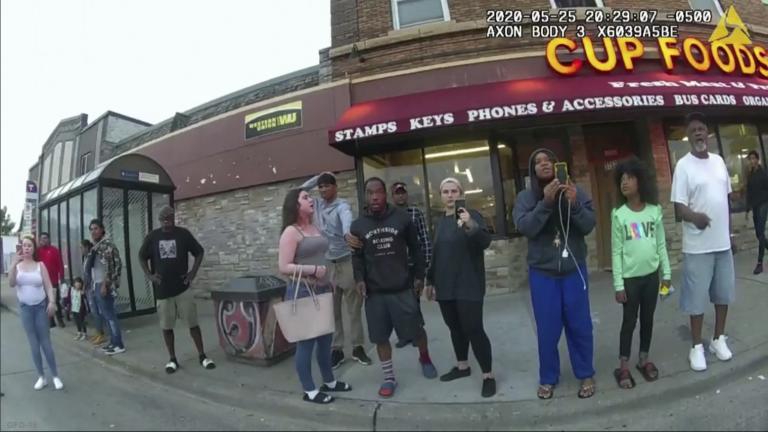
Onlookers grew increasingly angry as they begged Minneapolis Officer Derek Chauvin to take his knee off George Floyd’s neck, but Chauvin would not let up, and another officer forced back members of the crowd who tried to intervene, witnesses testified Tuesday at Chauvin’s murder trial.
The video of George Floyd gasping for breath was essentially Exhibit A as the former Minneapolis police officer who pressed his knee on the Black man’s neck went on trial Monday on charges of murder and manslaughter.
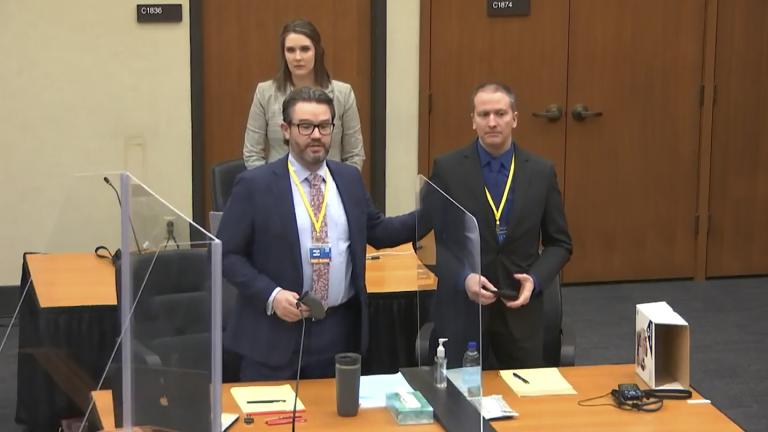
Jurors at all trials feel pressure, knowing their decisions will alter lives. But the weight on jurors in Minneapolis is in a whole different category as they’ll be asked whether to assign guilt in the death of a Black man that prompted some of the largest protests in U.S. history.
A jury has been seated for the trial of a former Minneapolis police officer in George Floyd’s death, with opening statements set for March 29 in a case that led to weeks of protests and a national soul-searching about racial justice.
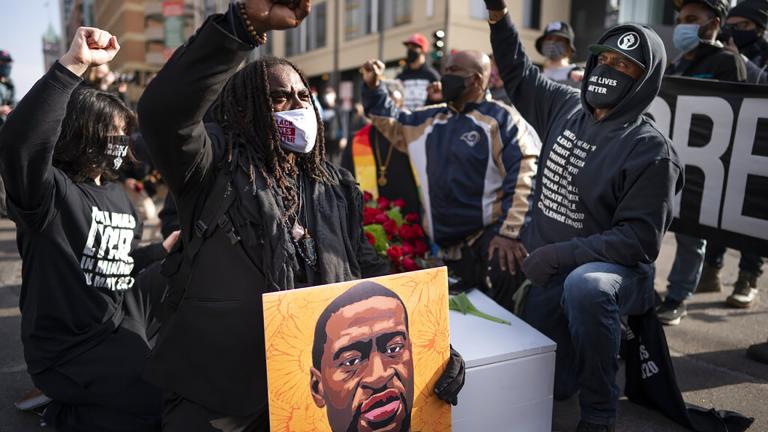
The attorney for George Floyd’s family said Friday that a $27 million settlement of a federal lawsuit by the city of Minneapolis is the largest pretrial civil rights settlement ever.
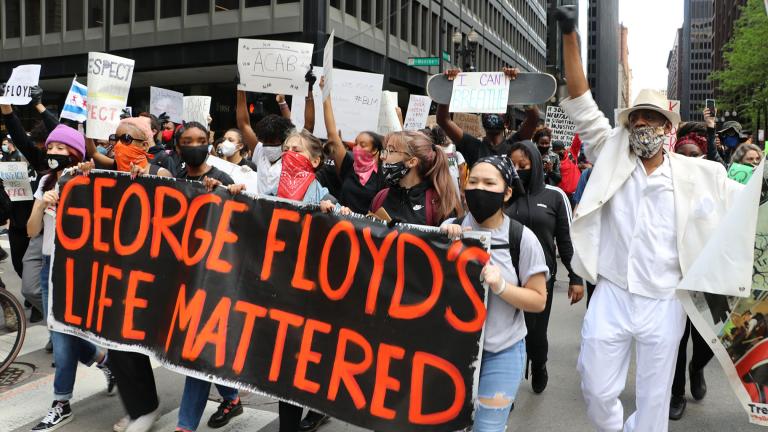
Floyd family attorney Ben Crump called it the largest pretrial settlement ever for a civil rights claim, and thanked city leaders for “showing you care about George Floyd.”
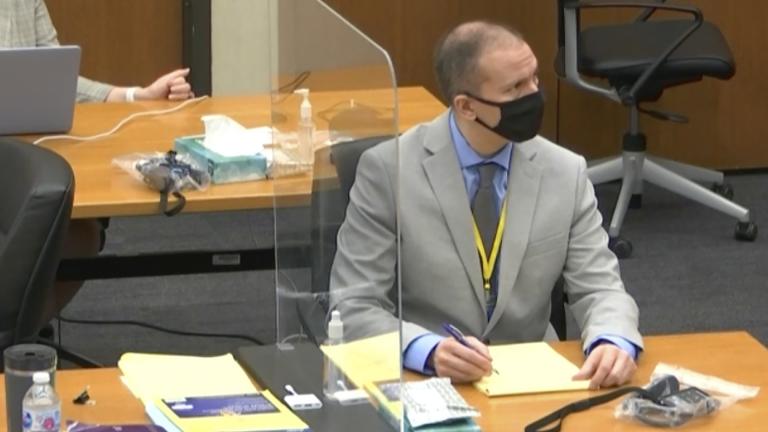
Potential jurors must show they can set aside their opinions on the case and view the evidence fairly in the trial of a former Minneapolis police officer charged in George Floyd’s death.
Jury selection for a former Minneapolis police officer charged in George Floyd’s death was halted before it began Monday by the state’s effort to add a third-degree murder charge.
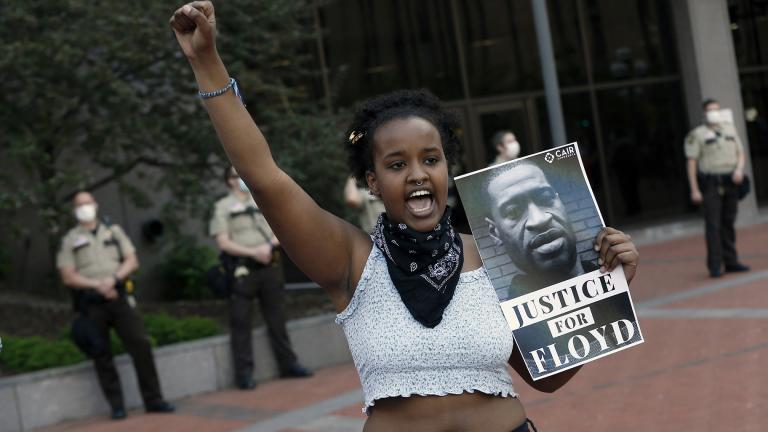
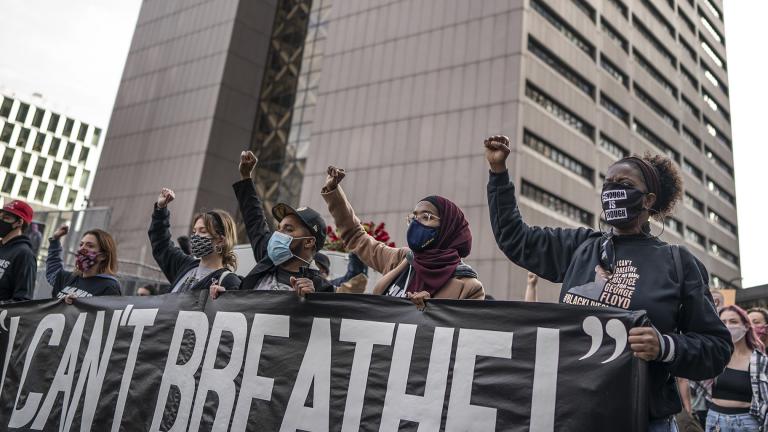
Dozens of people gathered in front of the Minnesota governor’s mansion on Saturday to demand accountability for police officers, days before a former Minneapolis officer is scheduled to go on trial in the death of George Floyd.
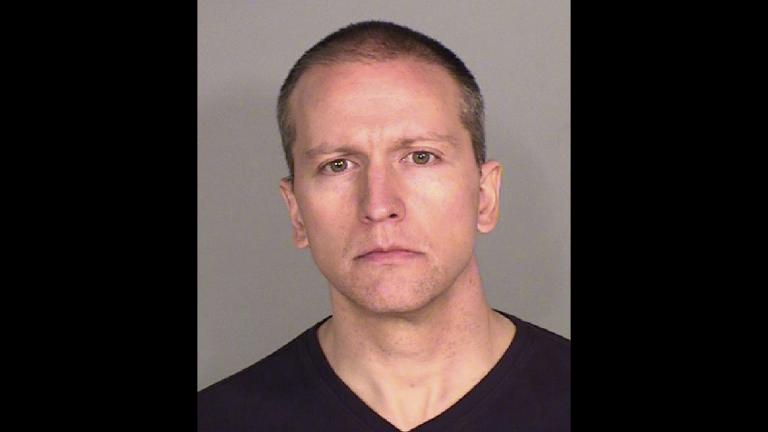
A Minneapolis police officer was swiftly fired and charged with murder after bystander video showed him pressing his knee into George Floyd’s neck, ignoring the Black man’s cries that he couldn’t breathe. But even with that powerful footage, legal experts say the case isn’t a slam dunk.
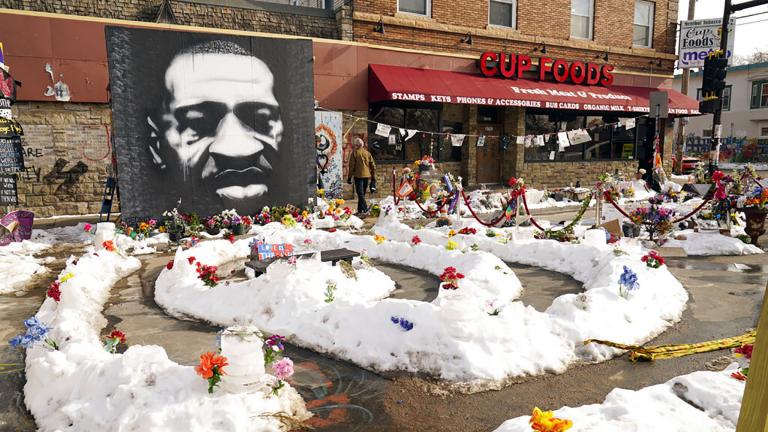
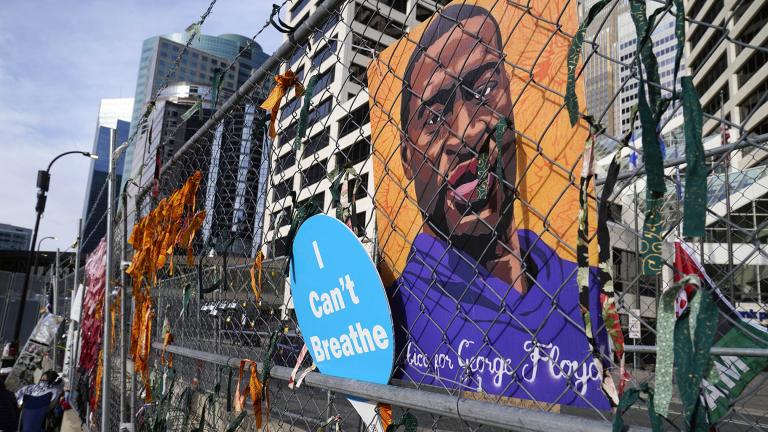
Many in the community consider George Floyd Square, the place where former Minneapolis police Officer Derek Chauvin pressed his knee into Floyd’s neck for about nine minutes, to be a sacred space, but it also has presented some headaches for the city.
Trending
Car Registered to Man Accused of Planning Mass Shooting Was at Hindu Temple He Targeted, Police Say

CPD Agrees to Fire 7 More Officers Who Lied to Get COVID-19 Relief Loans, CDOT Employees Also Targeted: Watchdog

Former Chicago Board of Ethics Deputy Director Should Be Fired After She Drove Drunk, Caused Crashes, Battered Bystander: Watchdog

Jamie Dimon, CEO of JP Morgan Chase, on Chicago Investments, Competitive Cities and a Corporate Head Tax

Board President Candidate Hilario Dominguez Says CPS Watchdog Closed Investigation, No ‘Actionable Finding of Sexual Misconduct’

Sign up for the WTTW News newsletter