

Federal Reserve
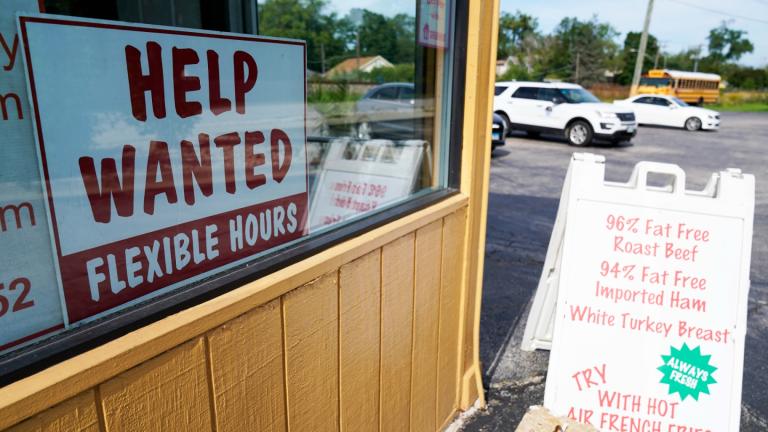
Friday’s report from the government showed that hiring was brisk across industries last month, though the overall gain declined from 315,000 in September. The unemployment rate rose from a five-decade low of 3.5% to a still-healthy 3.7%.
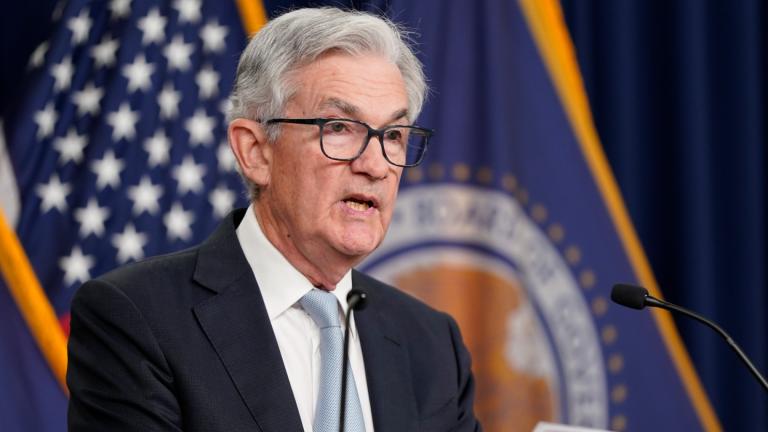

The Fed’s move raised its key short-term rate to a range of 3.75% to 4%, its highest level in 15 years. It was the central bank’s sixth rate hike this year — a streak that has made mortgages and other consumer and business loans increasingly expensive and heightened the risk of a recession.
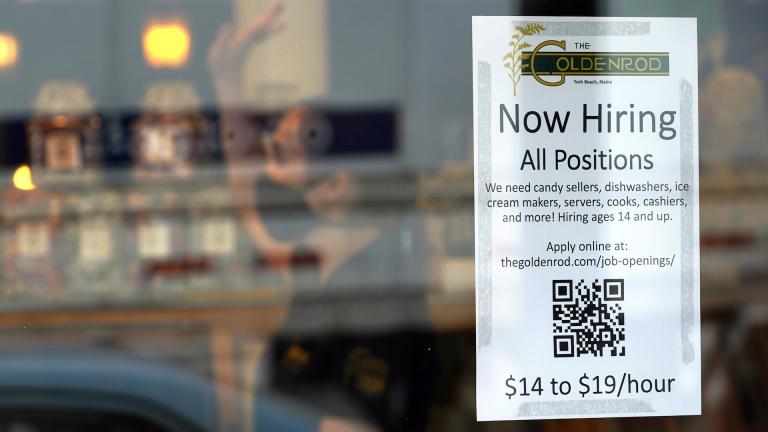
Friday’s government report showed that hiring fell from 315,000 in August to the weakest monthly gain since April 2021. The unemployment rate fell from 3.7% to 3.5%, matching a half-century low.
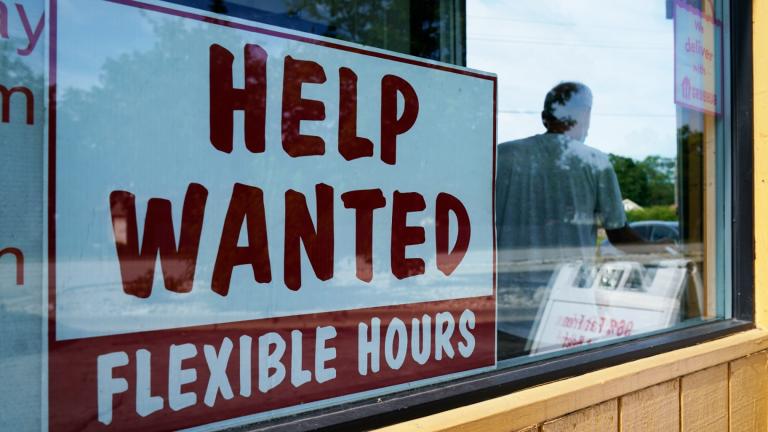
The number of available jobs in the U.S. plummeted in August compared with July as businesses grow less desperate for workers, a trend that could cool chronically high inflation.
The economy shrank in the first half of this year, the government confirmed in a report Thursday, underscoring fears of a broad-based slowdown that could lead to a recession.
The Dow Jones Industrial Average fell 1.1%, becoming the last of the major U.S. stock indexes to fall into what’s known as a bear market. The S&P 500 closed 1% lower and the Nasdaq dropped 0.6%.
The Dow Jones Industrial Average fell 1.6%, closing at its lowest level since late 2020. The S&P 500 fell 1.7%, close to its 2022 low set in mid-June, while the Nasdaq slid 1.8%. The selling capped another rough week on Wall Street, leaving the major indexes with their fifth weekly loss in six weeks.
Unemployment dropped another notch, from 3.6% to 3.5%, matching the more than 50-year low reached just before the pandemic took hold.

The decline that the Commerce Department reported Thursday in the gross domestic product — the broadest gauge of the economy — followed a 1.6% annual drop from January through March. Consecutive quarters of falling GDP constitute one informal, though not definitive, indicator of a recession.
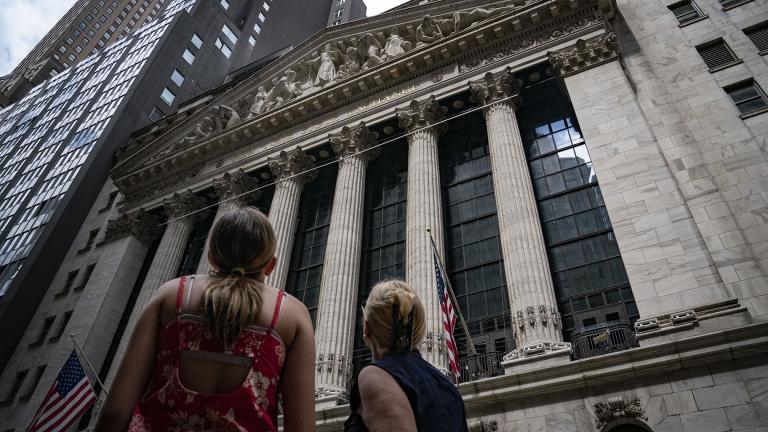
Growth appears to be sputtering, home sales are tumbling and economists warn of a potential recession ahead. But consumers are still spending, businesses keep posting profits and the economy keeps adding hundreds of thousands of jobs each month.
If you were planning to buy a new home, should you do it before rates rise again? What if you need to upgrade your car? And is it good to pay off your credit card completely, or should you carry a small balance to boost your credit score?

Consumer prices soared 9.1% compared with a year earlier, the government said Wednesday, the biggest yearly increase since 1981, and up from an 8.6% jump in May. From May to June, prices rose 1.3%, another huge increase, after prices had surged 1% from April to May.
The inflation rate reached 8.6% last month, the highest level in 40 years. Food and energy prices, in particular, have skyrocketed forcing the government to take action. The Federal Reserve is raising interest rates to bring down demand and this week President Joe Biden called on Congress to pause federal gas taxes for three months.
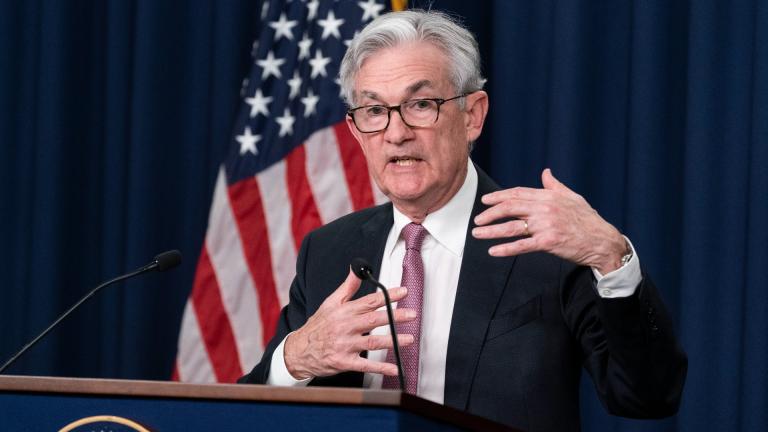
The central bank is ramping up its drive to tighten credit and slow growth with inflation having reached a four-decade high of 8.6%, spreading to more areas of the economy and showing no sign of slowing.
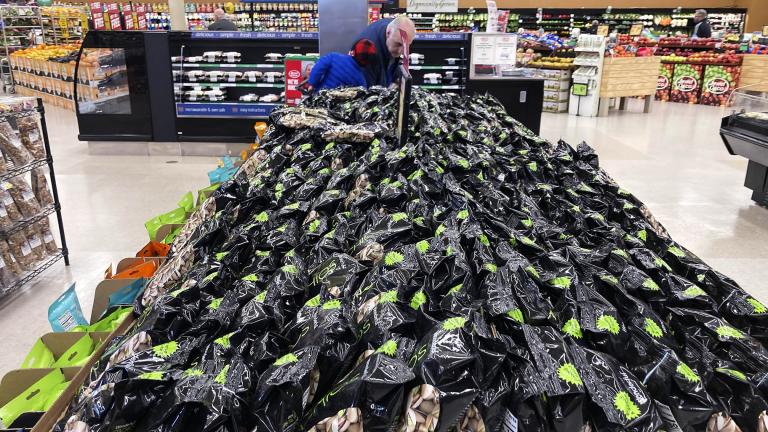
Consumer prices surged 8.6% last month from a year earlier, faster than April’s year-over-year increase of 8.3%, the Labor Department said Friday. The new inflation figure, the highest since 1981, will heighten pressure on the Federal Reserve to continue raising interest rates aggressively.
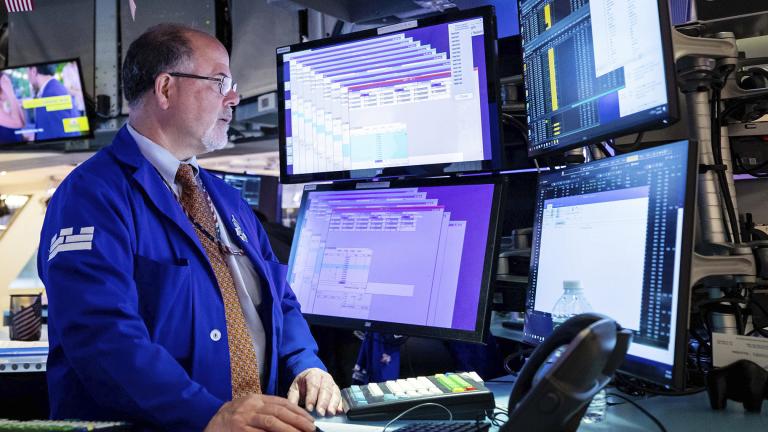
The S&P 500 rose 1.9%, with technology and financial sector stocks doing much of the heavy lifting for the benchmark index. The Dow Industrial Average rose 2% and the Nasdaq climbed 1.6%.
Trending
Interim NITA Director Earning $350K Salary While Also Collecting $213K Annual City Pension, Records Show

Early Voting for November General Election Kicks Off in Downtown Chicago
Uptown Theatre Added to Open House Chicago, Catch a Rare Glimpse Inside Gilded Jewel

City Lawyers Propose Spending $260.8M to Settle 16 Cases Tied to Disgraced Ex-CPD Detective Guevara

Chicago Woman Accused of Social Security Fraud After Hiding Mother’s Body in Freezer for 2 Years
Sign up for the WTTW News newsletter